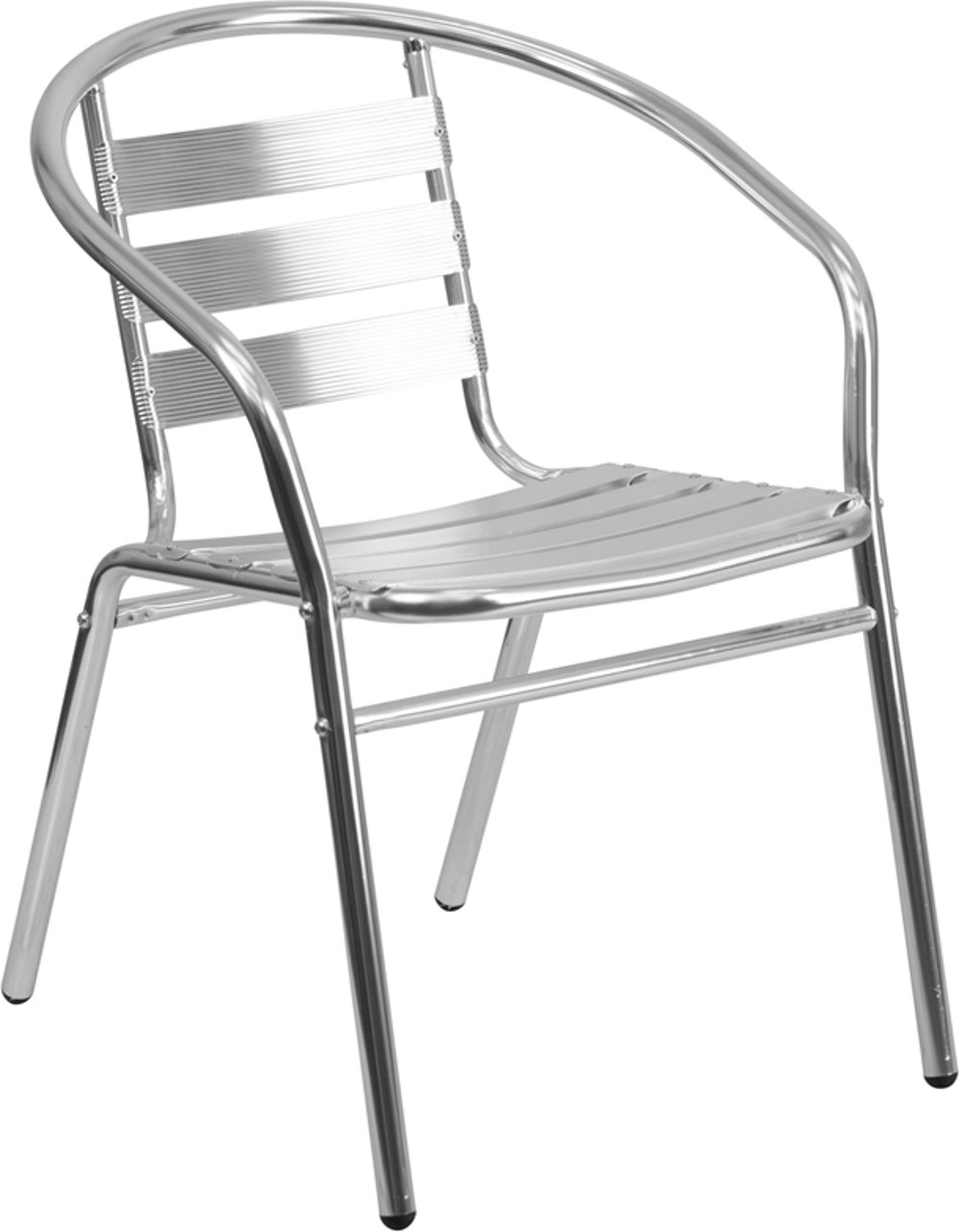
Weatherproof chairs make outdoor spaces feel more like places to settle in, whether that means a quiet corner of the porch, a patio made for conversation, or a balcony with room for two. The right outdoor seating balances a comfortable shape with materials suited to exposure, so you can enjoy the space without treating every passing shower as an emergency. “Weatherproof” is a useful shopping term, but it doesn’t mean every chair can stay uncovered through every condition. Performance depends on the frame, finish, fabric, hardware, and the care recommended for that construction. A chair beneath a deep porch roof faces different demands than one beside an uncovered pool or on a deck exposed to wind-driven rain. Those differences matter just as much as color or silhouette. For everyday use, consider how the chair supports the activities you already enjoy: an upright seat works well for lunch and conversation, while a deeper seat with a relaxed back invites a longer stretch with a book. Armrests give elbows a comfortable resting place, though their height can affect whether a chair slides under a table. Seat height and depth also influence how easily someone can sit down and stand back up; a low lounge chair may feel inviting to one person and awkward to another. On a narrow balcony, a modest footprint leaves more room to walk, while a larger patio can accommodate generous seats without crowding the path to the door. Measurements should account for occupied chairs, not just the space they take up when neatly arranged. If outdoor meals are part of the plan, weatherproof outdoor dining chairs bring the focus to table-friendly proportions and supportive seating. Coordinating seat height, arm clearance, and table spacing helps everyone pull in comfortably, pass a serving bowl, and linger after the plates are cleared. A cohesive arrangement doesn’t require identical shapes throughout the yard; it needs seating that suits each spot and the people who use it.
Materials give weather-resistant outdoor chairs much of their character, from the crisp outline of a metal frame to the texture of woven seating or the familiar warmth of wood. Aluminum is relatively lightweight and doesn’t develop red rust, making it practical for chairs that move between a sunny spot and a covered seating area. It can still corrode under certain conditions, especially around salt exposure or damaged finishes, so protective coatings and routine cleaning remain important. Steel typically adds weight and a sturdy feel, but its finish needs attention because exposed metal can rust. Powder coating helps protect metal surfaces, although scratches, chips, and neglected joints can become weak points. Synthetic wicker offers a woven look without relying on natural fibers that readily absorb moisture. Its long-term performance depends on the resin quality, UV protection, weave construction, and underlying frame; the attractive surface tells only part of the story. High-density polyethylene and other outdoor-rated plastics can be practical choices for damp settings, with resistance to moisture absorption and finishes that don’t require the same upkeep as many wood surfaces. Their resistance to fading, brittleness, and temperature changes varies by formulation. Wood brings grain patterns and a softer visual contrast to concrete, brick, and stone. Naturally durable species can perform well outdoors with appropriate care, but wood still responds to moisture and sunlight, and its appearance may change over time. Some owners welcome a weathered patina, while others prefer maintaining the original tone with manufacturer-approved treatments. Comfort materials deserve equal attention. Sling seats allow airflow and often shed water more readily than thick cushions, while cushioned chairs offer a softer landing for longer visits. Outdoor-rated fabric may resist fading and repel light moisture, but a water-repellent cover doesn’t make the cushion beneath it waterproof. Construction that allows drainage and drying helps reduce lingering dampness. For an exposed location, the best match is a combination of suitable materials and realistic upkeep expectations, rather than a single “weatherproof” label.
The details that are easy to overlook often determine how satisfying outdoor chairs feel after repeated use. Smooth arm edges, supportive backs, secure joints, and feet that sit evenly on the intended surface all contribute to everyday comfort. A chair that feels steady on a showroom-style hard floor may behave differently on uneven pavers or widely spaced deck boards. Checking foot shape and the condition of the surface helps avoid wobbling and snagging, while compatible glides can help protect decking from scuffs. For families hosting frequent meals, wipeable frames and removable cushion covers can simplify cleanup after spilled lemonade or a dropped spoonful of sauce. Removable doesn’t automatically mean machine washable, so fabric-care instructions still matter. In compact spaces, stackable or folding designs can make room for other activities, provided their moving parts are kept clean and used as directed. Heavier chairs may be less convenient to rearrange, while lightweight seating needs secure storage when strong winds are expected. Even durable outdoor furniture benefits from simple maintenance: removing leaves from crevices, rinsing away dirt when the manufacturer permits it, and letting surfaces dry before covering them. Breathable, properly fitted covers help limit debris and exposure without creating unnecessary pockets of trapped moisture. Cushions generally fare better in a dry, ventilated storage area during extended wet weather, and chairs should be protected from snow and ice according to their care requirements. Water left inside joints or hollow components can cause trouble when it freezes, which makes drainage and storage details worth checking. Pool splash, salt air, tree sap, and sunscreen residue create their own cleaning needs; gentle, approved methods help preserve finishes without unnecessary abrasion. With proportions that fit your space and a maintenance routine that fits your life, weatherproof seating can support everything from a brief coffee break to an afternoon of catching up with friends. The result is an outdoor area that feels comfortable, useful, and ready for the ways you like to spend time at home.
Read More