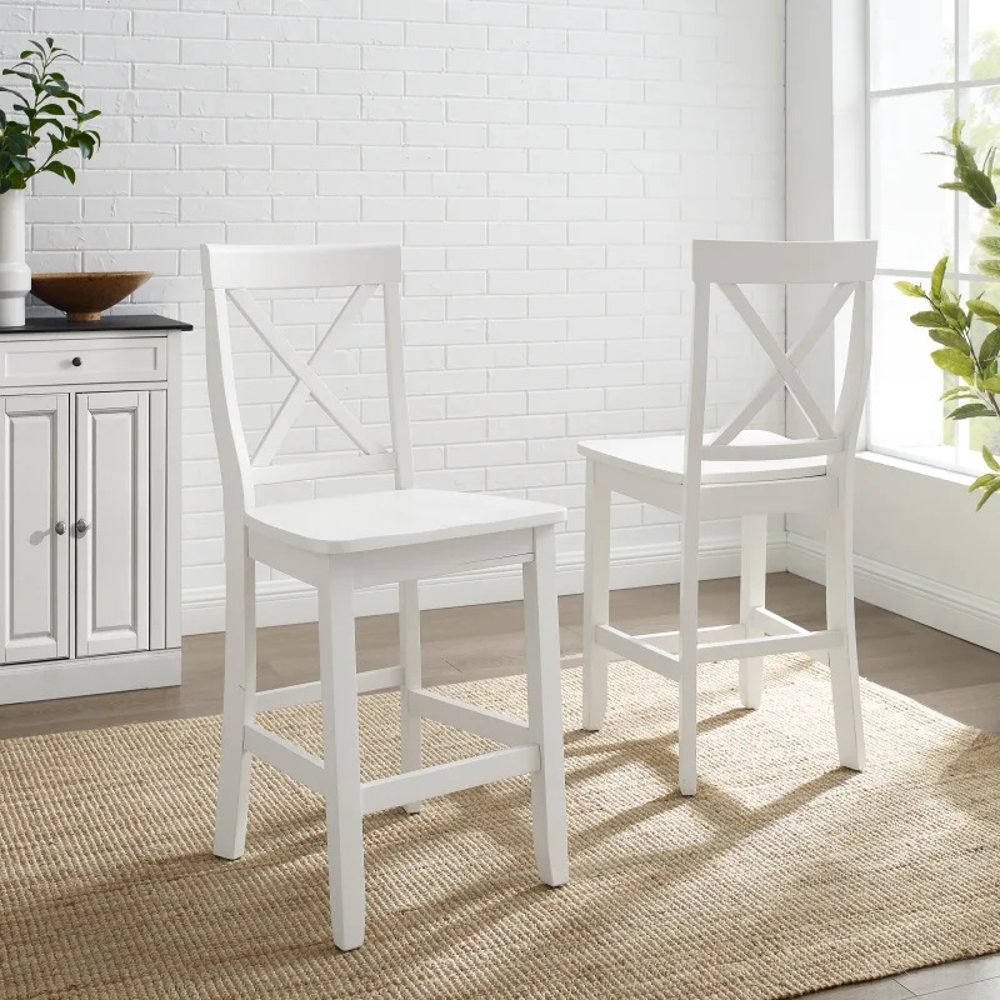
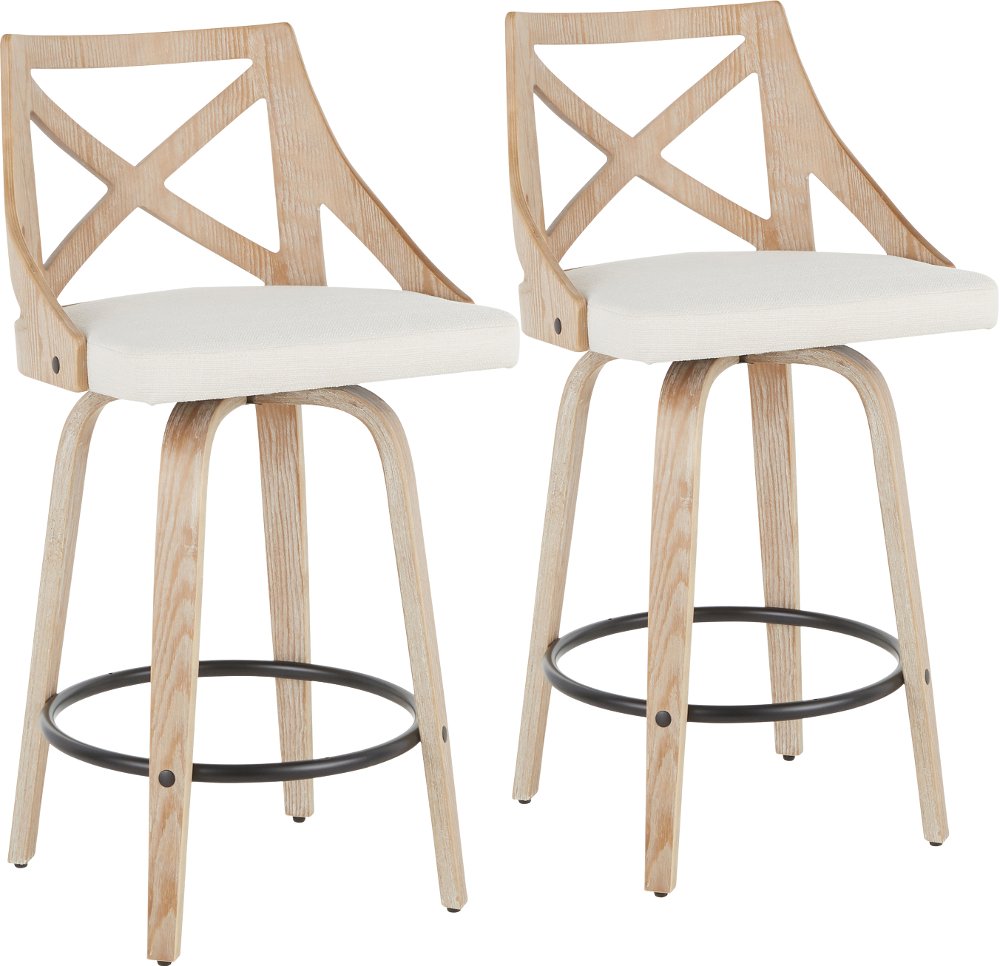
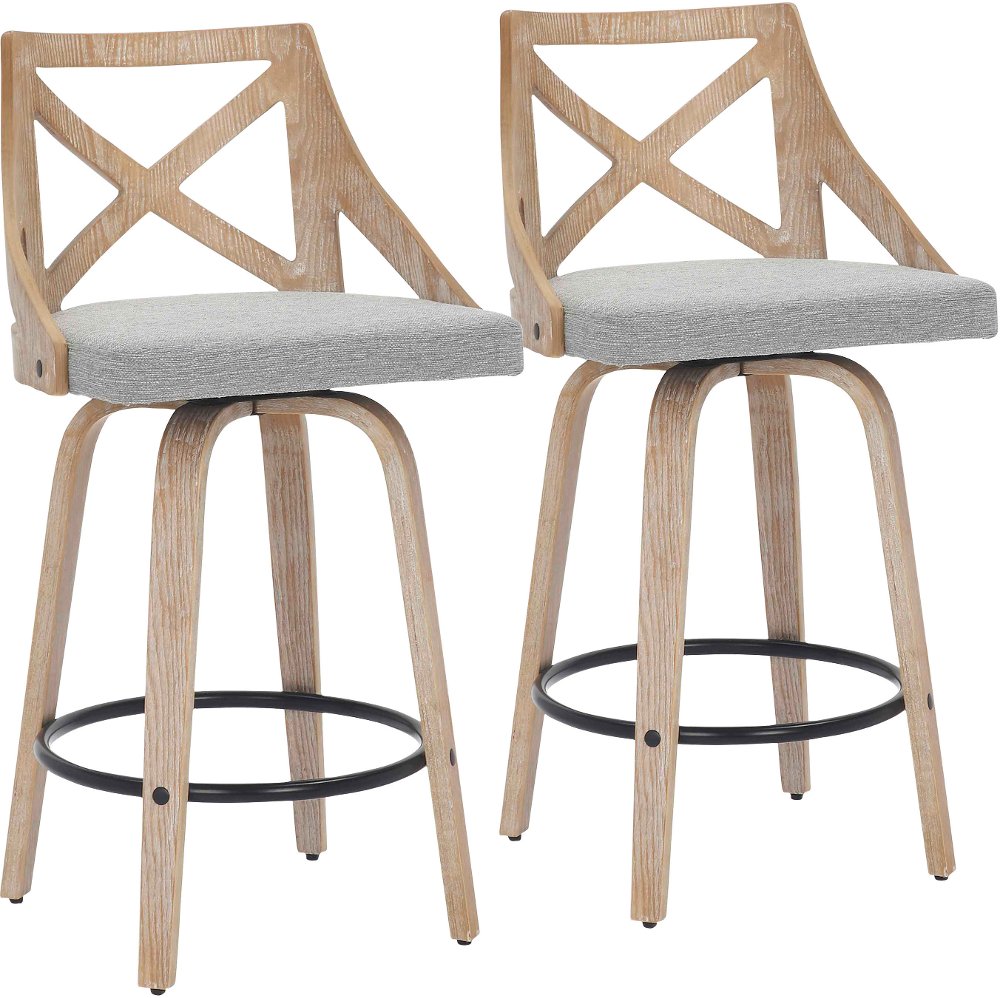
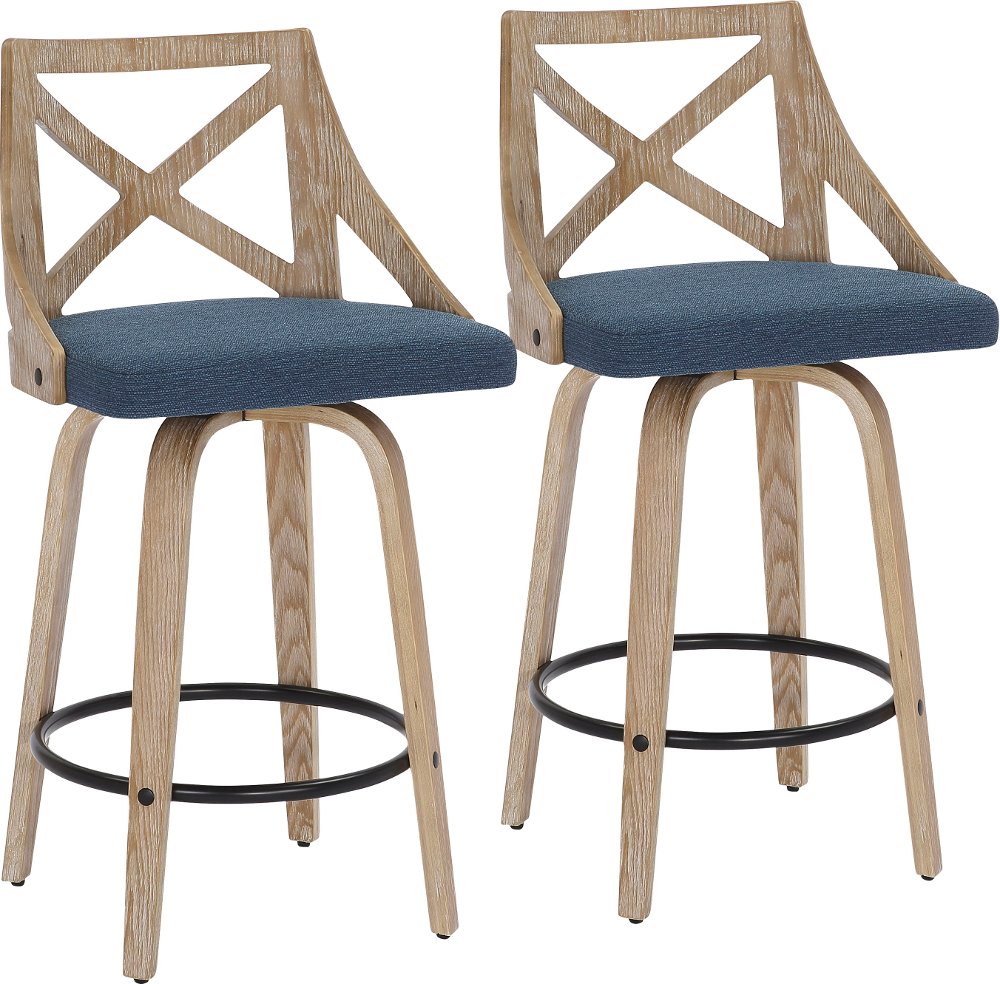
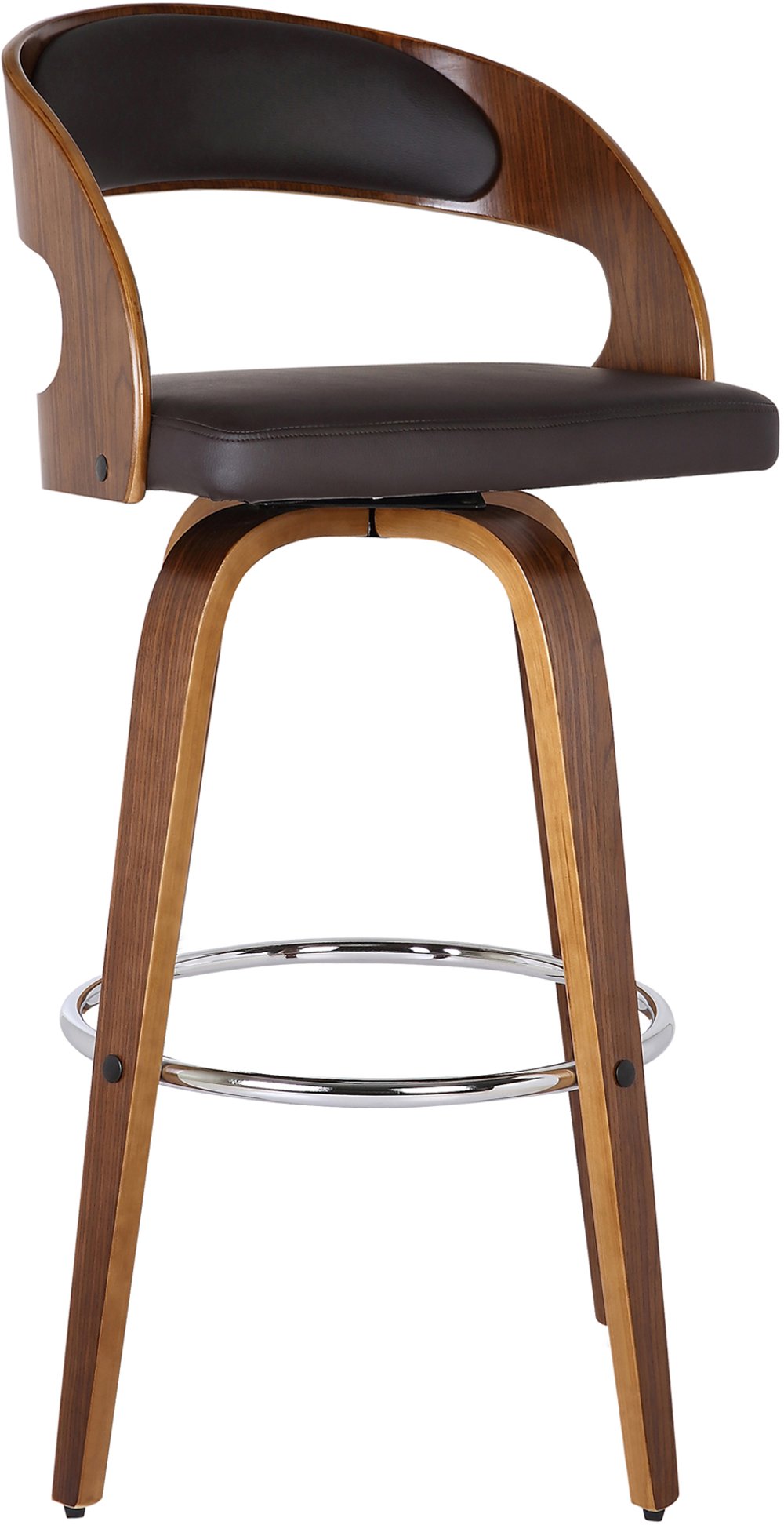
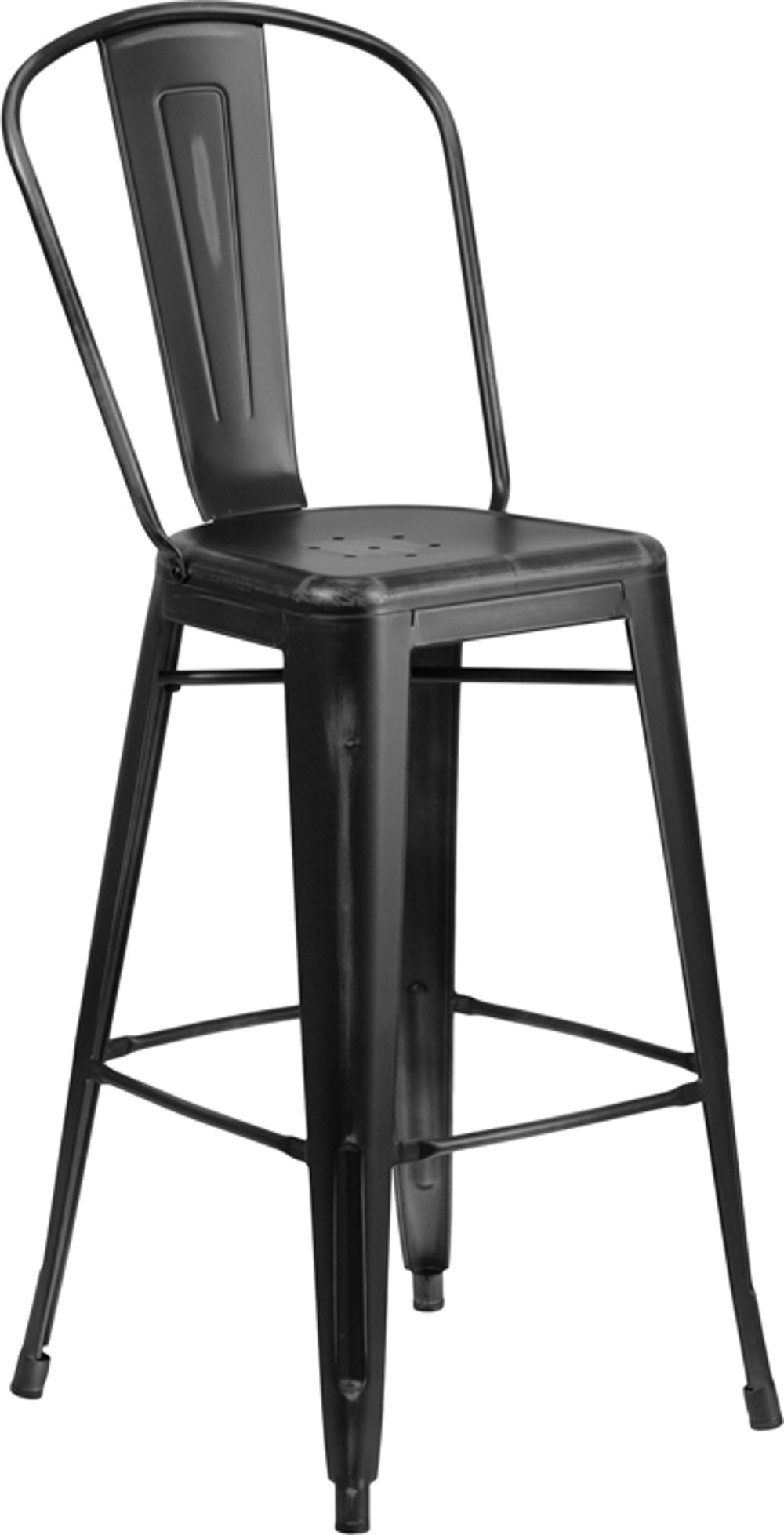
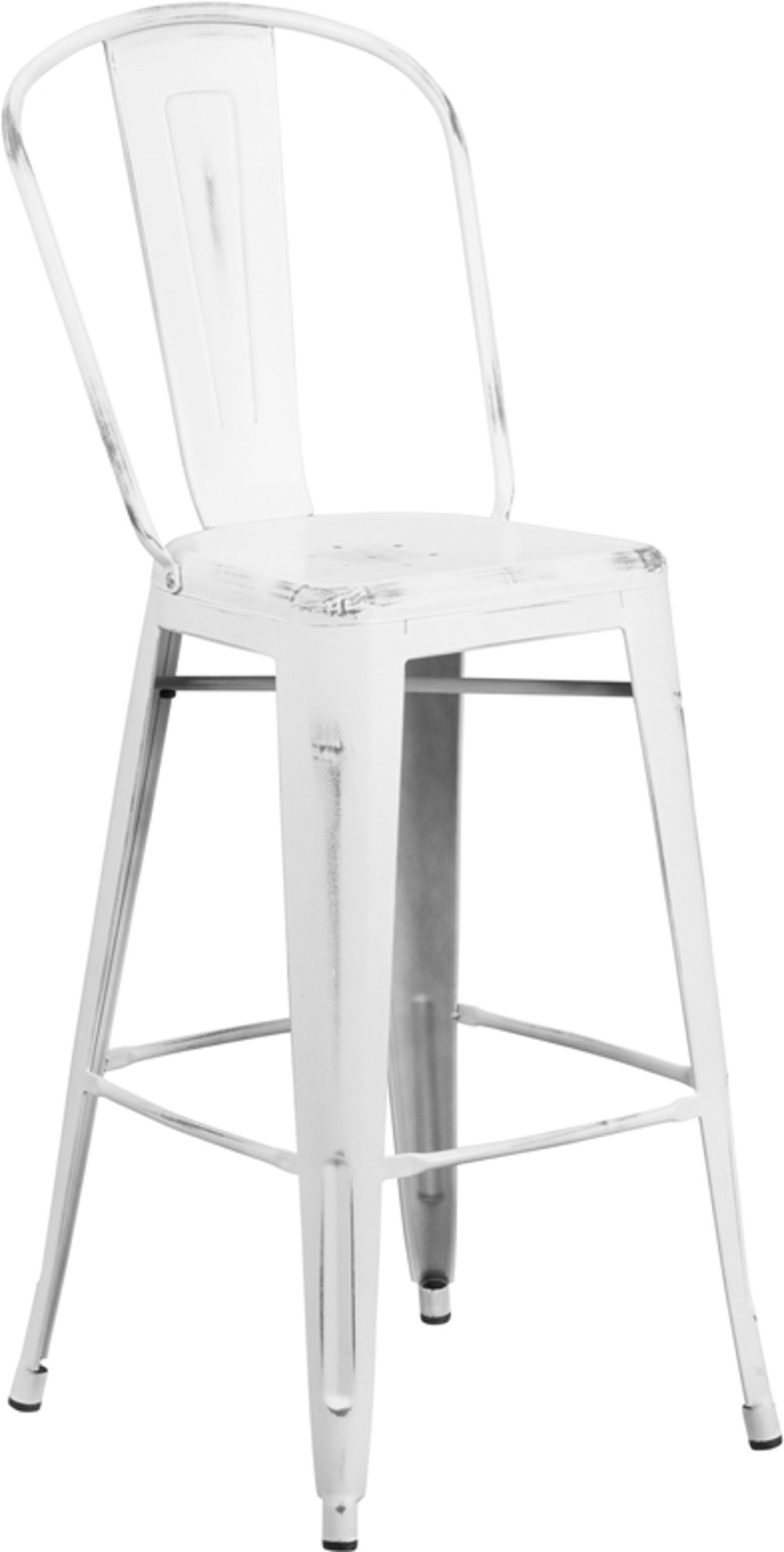
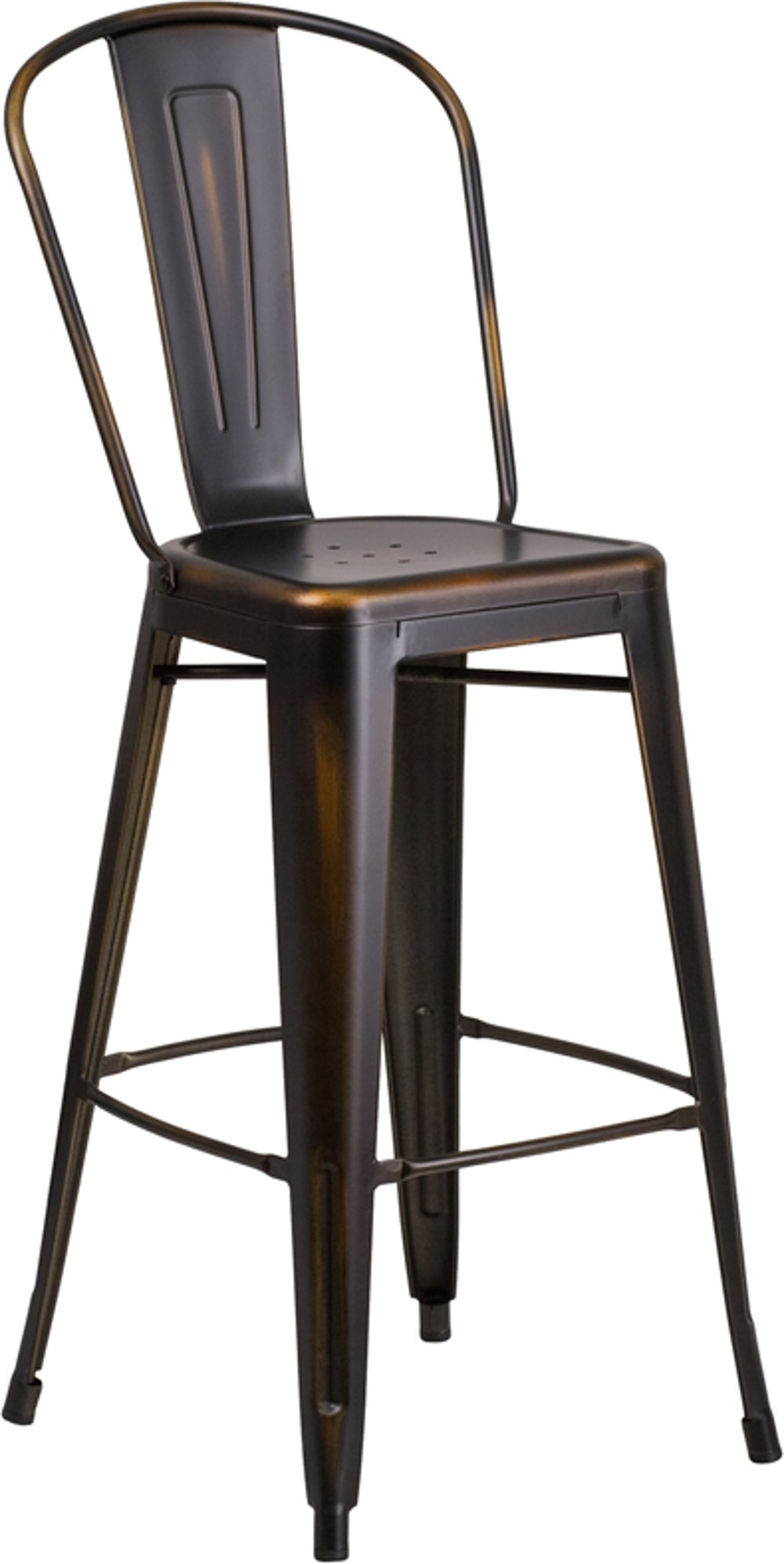
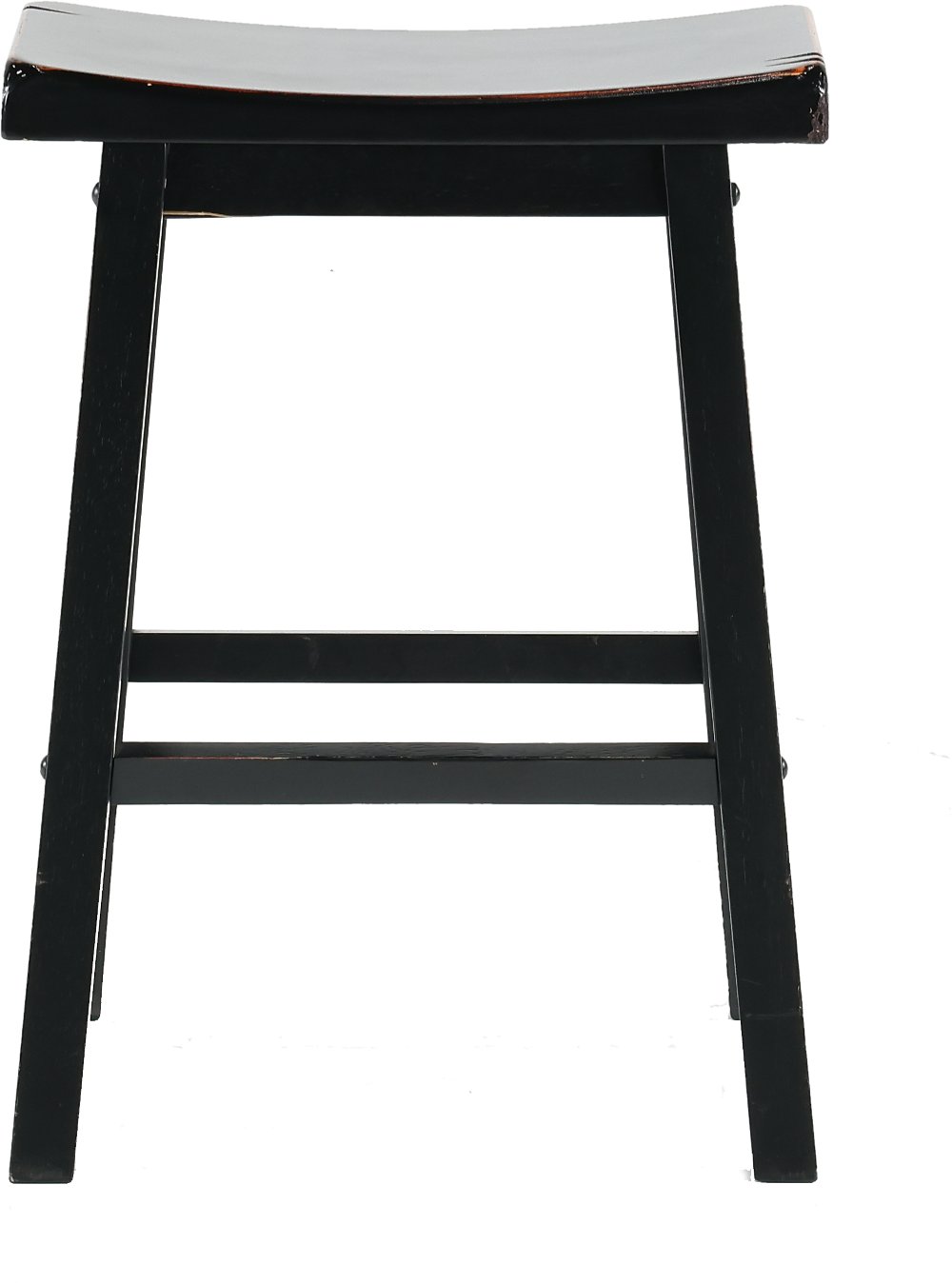
White counter stools with backs bring a light, pulled-together look to kitchen islands, breakfast counters, and counter-height dining tables while giving you a place to settle in. A backrest offers support that a backless seat doesn’t, making these stools a practical choice for breakfast, homework, or conversation while dinner comes together. Their appeal goes beyond an all-white kitchen: white seating can soften dark cabinetry, complement natural wood, or pick up the pale veining in a stone countertop. The shade and finish make a difference. A crisp white frame tends to look clean and defined against charcoal or navy cabinets, while an ivory or creamy white finish often feels more at home beside warm oak and beige tile. White doesn’t have to cover the entire stool, either. A white frame with a wood seat adds contrast and lets the grain become part of the design; a white upholstered seat on metal legs creates a different, more tailored effect. Silhouette helps set the mood just as much as color. Spindle and ladder backs lend themselves to familiar farmhouse and traditional spaces, while slim metal frames, curved shells, and simple upholstered backs suit more contemporary rooms. Open backs preserve sightlines across an island, which can be especially useful when the kitchen shares space with a living area. Taller, more substantial backs give the seating area a stronger visual presence. Low backs offer a quieter profile, though their support feels different from a backrest that reaches farther up the body. Matching every finish in the room isn’t necessary; repeating one detail, such as a warm wood tone or a black metal accent, can make the stools feel connected to the surrounding furniture. For a cohesive result, consider how the backs look from the living room or entryway, since that’s often the side you’ll see most.
The right fit starts with seat height, not the overall height of the stool. Counter-height stools typically have seats about 24 to 26 inches from the floor and pair with counters approximately 35 to 36 inches high. Bar-height stools are generally taller and aren’t interchangeable with counter seating, even when their shapes look similar. A useful starting point is about 10 to 12 inches between the top of the seat and the underside of the counter, with allowances for thick tops, support brackets, or aprons that reduce legroom. Measuring the actual space helps you picture whether someone can sit comfortably with knees beneath the edge rather than turned sideways into the walkway. Seat width and spacing matter, too. Allowing roughly 6 inches between the edges of stationary stools can give people room to sit and get up, while broad seats, arms, and swivel designs may need more clearance. A row of narrow frames can still feel crowded if the backs flare outward or the legs spread well beyond the seats. Check the full dimensions rather than relying on the seat measurement alone. At a busy island, there also needs to be enough room behind occupied stools for someone to pass without squeezing between a chair back and a cabinet. Armrests provide another place to rest, but they may prevent a stool from sliding under the counter. Armless styles often tuck closer and make it easier to step into the seat from the side. A swivel seat can help someone turn toward a conversation without dragging the base across the floor, though the rotating back needs clearance from the countertop and nearby furniture. Footrests are important at counter height, where most people’s feet won’t reach the floor; their placement should allow a comfortable bend in the knees. If you’re comparing white finishes with other colors and silhouettes, the broader selection of Counter Stools With Backs can help you keep support, proportions, and everyday comfort at the center of your choice.
Materials and construction determine how white counter stools with backs feel in daily use and how much attention they need over time. Painted wood brings familiar warmth and works well with shaped seats, turned legs, and slatted backs. Its finish can show scuffs or chips where shoes hit a rung, so secure joinery and care suited to the coating matter as much as appearance. Metal frames can provide a slim profile and sturdy support, although durability depends on the construction, connections, and protective finish rather than the material name alone. Molded plastic seats often offer a smooth surface that’s straightforward to wipe down, but weight capacity, stability, and cleaning requirements still deserve a close look. Upholstered seats add cushioning for longer meals or an evening spent working at the counter. White woven fabric has a softer visual texture, while leather and synthetic upholstery have different care needs that should be checked before choosing a cleaner. A performance designation doesn’t mean a fabric is stain-proof; the stated cleaning instructions remain the best reference for handling spills. In a kitchen where tomato sauce, coffee, and sticky fingers are part of the routine, smooth surfaces and accessible seams can make cleanup simpler. Blot upholstery spills promptly, and use a soft cloth with a manufacturer-approved cleaning method on hard surfaces. Abrasive pads and harsh chemicals can damage some white finishes or change their appearance. Comfort also comes from the seat’s contour, usable depth, and back angle, not just the amount of padding. Someone who sits for a quick snack may prefer a firm, shaped seat, while a household that gathers at the island for full meals may appreciate cushioning and a more supportive back. For homes with children, a stable base and age-appropriate seating are essential; a tall stool isn’t a substitute for a suitable child seat. Following assembly instructions, checking fasteners periodically, and fitting floor protectors appropriate for the flooring help keep everyday seating dependable. The best match balances the white finish you enjoy seeing with the support, fit, and care routine that suit the way your household actually uses the kitchen.
Read More