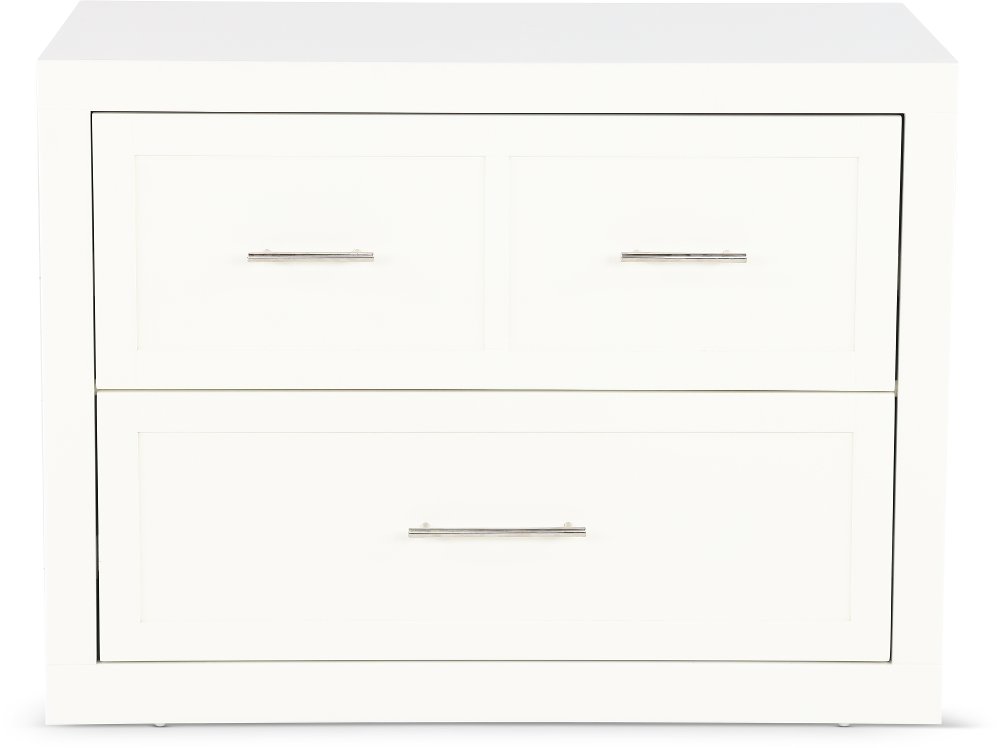
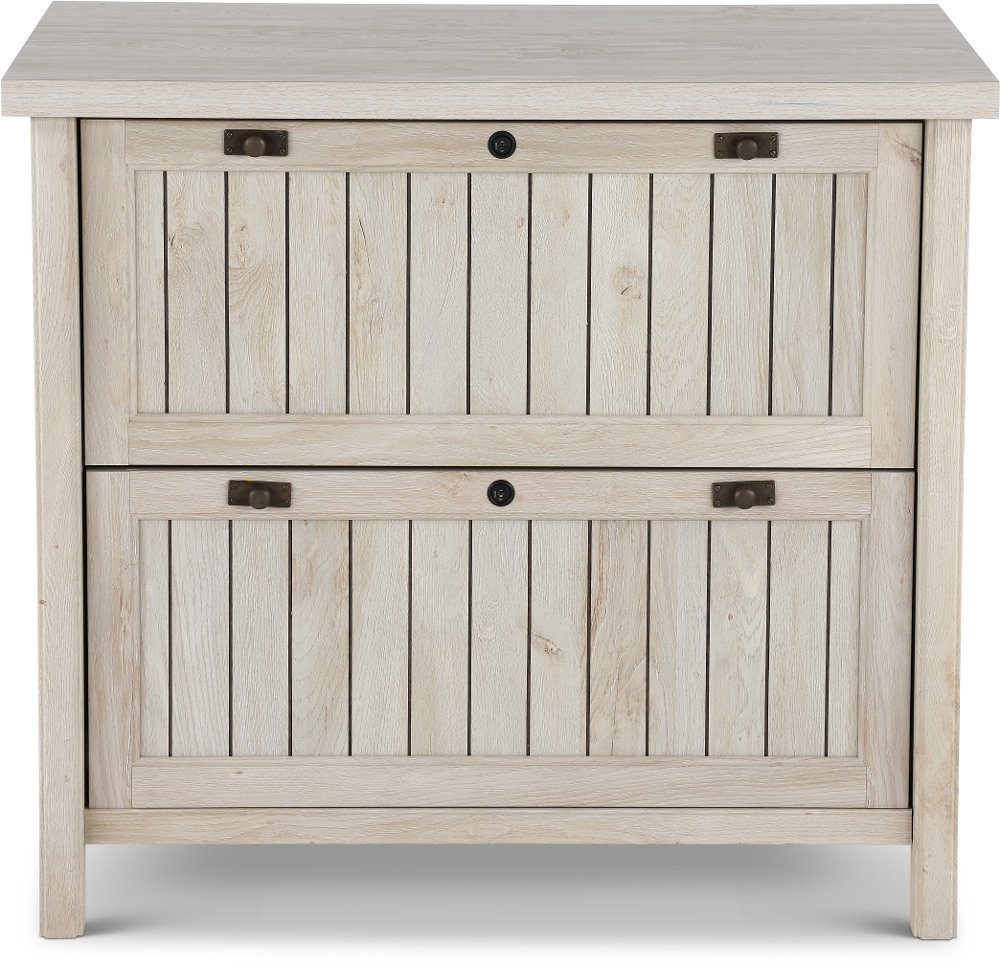
White file cabinets give paperwork a dedicated home without adding a heavy visual presence to your room. Their light finish works well beside a pale wood desk, against a colorful wall, or alongside darker furniture that benefits from a little contrast. In a home office, a white filing cabinet can keep client folders, invoices, and reference materials within reach. In a shared living space, it can hold household records, school forms, warranties, and the paperwork that otherwise collects on a kitchen counter. The most useful configuration depends on both your documents and your daily routine. Vertical file cabinets generally have a narrower footprint, with filing drawers stacked upward, making them a practical choice beside a desk or in a compact work area. Lateral file cabinets are wider and can offer flexible filing arrangements, depending on their interior dimensions and rail setup. A low, wide cabinet may also provide a surface for a printer or paper trays when its top is rated for that weight. Two-drawer designs can suit everyday household filing, while taller configurations give more categories their own space. Some cabinets combine shallow supply drawers with a deeper file drawer, keeping pens, envelopes, and folders together without mixing them up. Letter-size paper measures 8.5 by 11 inches, while legal-size paper measures 8.5 by 14 inches, so check the cabinet’s supported folder sizes rather than assuming every drawer accommodates both. Hanging files also need compatible rails or a frame; drawer depth alone doesn’t tell the whole story. If your work involves mostly digital documents, a smaller cabinet may be enough for originals and occasional printed records. For a busy household or a paper-heavy workspace, additional drawers can make it easier to separate personal, financial, and work files. The goal is a setup that lets you put a document away as easily as you retrieve it, with enough room to move folders instead of wedging them tightly together.
Materials, construction, and finish all affect how a white file cabinet looks and holds up to regular use. Steel cabinets are often a good fit for hardworking offices because their structure handles frequent filing, and their clean lines complement modern or industrial furniture. A painted or powder-coated white finish gives metal a softer appearance, though its resistance to scratches and chips depends on the coating and how the cabinet is treated. Wood and engineered wood cabinets tend to have a more furniture-like presence, with details such as framed drawer fronts, substantial tops, or decorative pulls. Laminate surfaces can be practical for everyday use, but edges and seams deserve attention because moisture can damage the underlying material if it gets through. Solid wood and wood veneer bring their own construction and care considerations, so review the stated materials rather than judging by the finish alone. White can range from crisp and bright to creamy or slightly gray, and a glossy surface reflects light differently than a matte one. When coordinating with an existing desk, a similar undertone often matters more than an exact style match. Hardware adds another point of connection: dark pulls create contrast, while brushed metal offers a quieter detail. For a cabinet that needs to blend into a bedroom workspace or a furnished study, the broader Furniture File Cabinets category can help put different furniture styles in context. Beyond appearance, look for drawer construction and slides suited to the load you plan to store. Paper becomes surprisingly heavy in quantity, making drawer weight limits especially important. Full-extension slides can improve access to folders at the back, while smooth operation helps make frequent filing less of a chore. Lockable drawers add access control for personal or business paperwork, but check whether a lock secures one drawer or several. A standard drawer lock isn’t a substitute for a safe, and a cabinet shouldn’t be treated as fire-resistant or water-resistant unless it carries the appropriate rating.
Fit goes beyond the cabinet’s listed width, depth, and height. Measure the intended space, then allow room for drawers to open fully and for someone to stand or sit comfortably in front of them. A cabinet tucked beneath a desk needs clearance below the desktop, including any apron, support bars, or cable tray. It should also leave enough knee space for your chair and your normal working position. Account for baseboards and protruding drawer pulls when placing a cabinet against a wall or near a doorway. Mobile file cabinets with casters are useful when your work area needs to adapt: a compact cabinet can roll beside your chair during paperwork sessions and return beneath a desk afterward. Check whether the casters lock, whether their design suits your flooring, and whether the overall height includes the wheels. A fully loaded cabinet takes more effort to move than an empty one, so follow the manufacturer’s instructions for relocation and keep drawers closed during movement. For stationary and taller cabinets, follow any anchoring requirements and use included anti-tip features as directed. Opening one drawer at a time and keeping heavier contents lower can help, but those habits don’t replace proper installation. Everyday care is usually straightforward when it matches the material. Dust with a soft cloth, wipe spills promptly, and use only cleaners recommended for the finish. Avoid soaking seams, dragging equipment across the top, or using abrasive pads that can dull or scratch a white surface. Handles and drawer fronts may need more frequent attention because they’re touched throughout the day. Add clearly labeled folders and leave a little space in each drawer so filing stays manageable. A cabinet beside a student’s desk might separate coursework from financial aid records, while one in a home business could organize vendor paperwork and receipts. In each setting, a thoughtfully chosen white file cabinet supports a tidier workspace without asking the room to look like a traditional office.
Read More