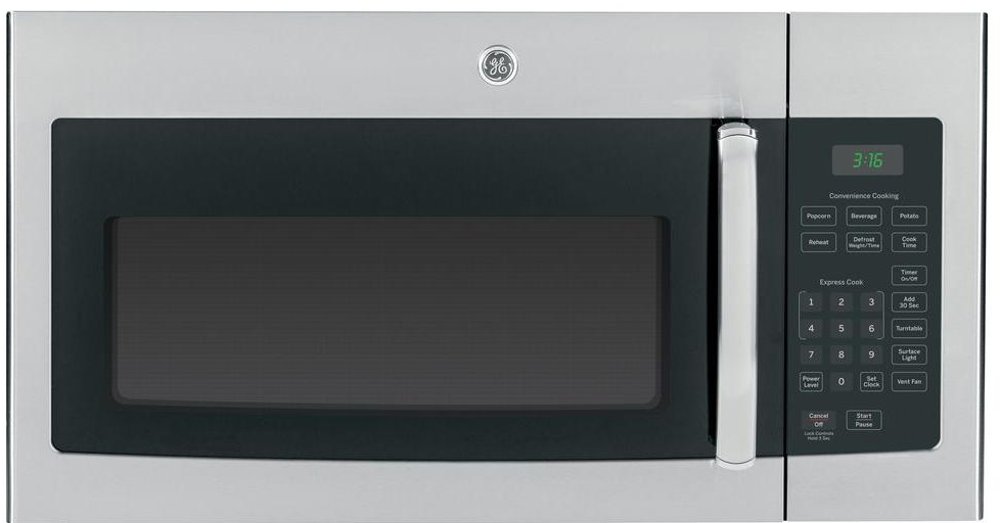
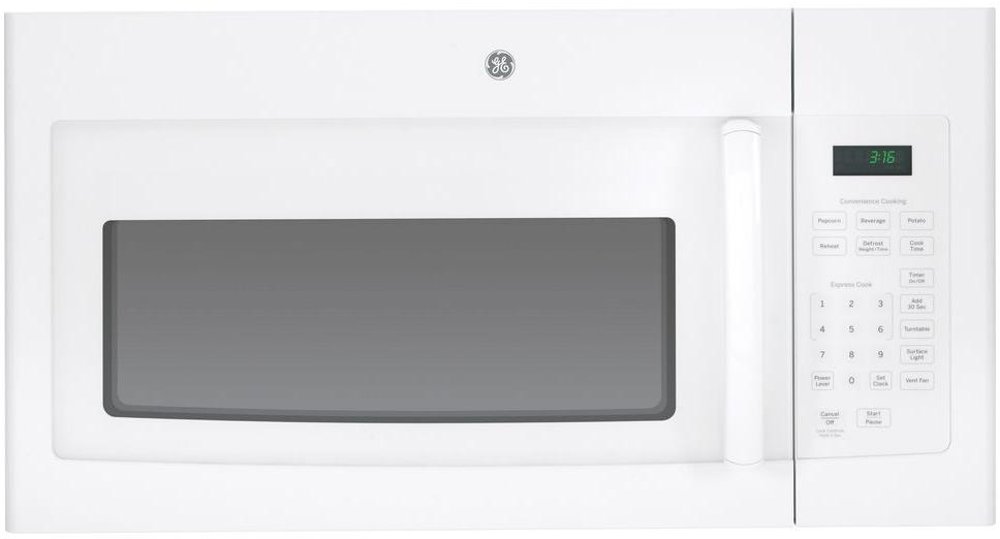
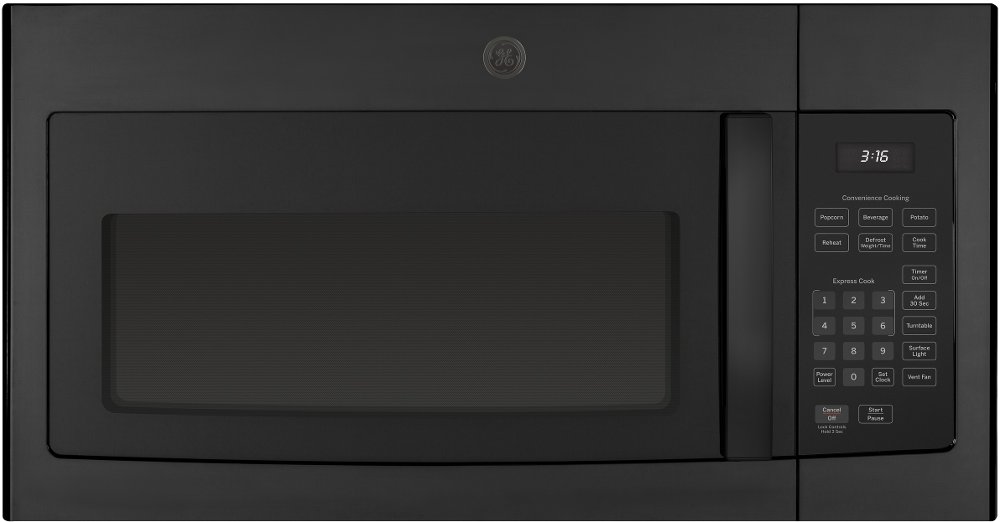
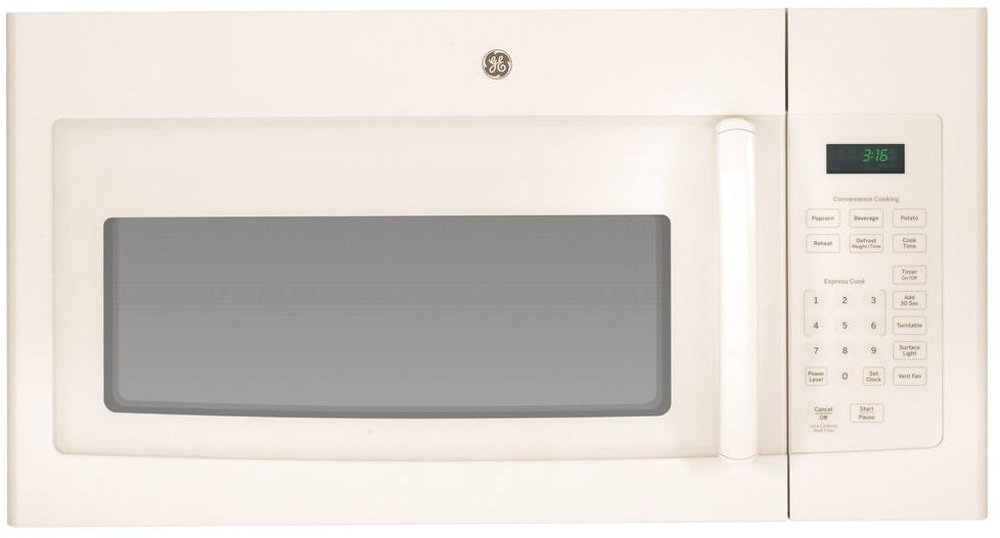
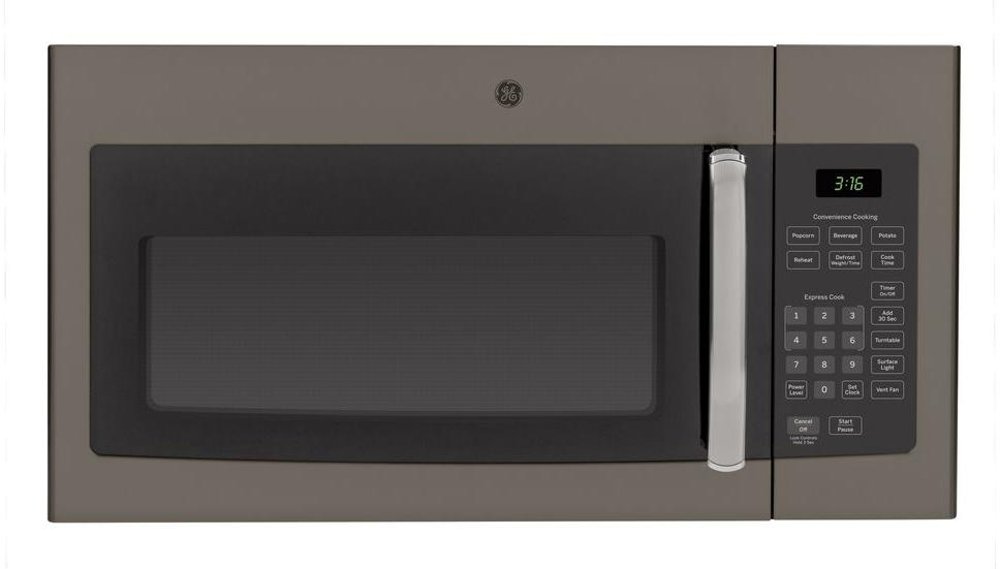
A zero-clearance microwave uses a specialized door hinge that allows the door to open up to 90 degrees without extending beyond the appliance’s frame on the hinge side. This design helps the microwave fit beside a wall or cabinet while keeping the door usable in a tight kitchen layout. It’s especially helpful when the cooking area ends at a side wall, a tall pantry stands next to the range, or surrounding cabinetry leaves little room for a conventional door to swing outward. The benefit is straightforward: easier access to the cooking cavity without needing extra side space for the hinge movement. Zero clearance describes the door’s operation, however, not permission to install the appliance without ventilation space or other required clearances. Each model’s installation instructions determine the appropriate opening, mounting requirements, and distance from nearby surfaces. Width, height, and depth all matter, as do the handle’s position and the space the open door occupies in front of the microwave. A door that clears a side wall can still affect access to a nearby cabinet or extend into a narrow walkway. For a comfortable fit, consider the whole opening rather than the appliance’s width alone. Finished cabinet edges, projecting trim, backsplash thickness, and nearby hardware can influence how neatly everything comes together. The installation diagram is the best reference for confirming that the door will open as intended in your particular space. In an established kitchen, this attention to fit can help preserve a familiar layout while improving everyday access. In a remodel, it gives you another option for arranging cooking appliances close to cabinetry without overlooking the practical details. Zero-clearance microwaves are useful for households that want an efficient kitchen footprint, whether that means making the most of a condo kitchen or keeping a larger cooking area organized. The right fit leaves enough room to reach in, grasp a dish securely, and move hot food to a nearby landing surface without an awkward turn around the door.
Beyond the hinge, a microwave should suit the food you prepare and the dishes you use most often. Interior capacity matters, but the cavity’s shape and usable dimensions can be just as important as its listed cubic footage. A deep soup bowl, a wide dinner plate, and a rectangular casserole dish each need a different amount of room. In models with a turntable, a dish needs enough clearance to rotate without catching on the interior walls. Some microwaves offer a turntable-off setting for certain uses, but the operating instructions should explain when that setting is appropriate. Cooking power and adjustable power levels also shape the experience. Full power can be useful for quickly heating water or reheating many leftovers, while a lower setting may give you better control when softening butter or warming foods that tend to heat unevenly. Sensor cooking, when included, adjusts operation using information such as moisture released by food; results still depend on the portion, container, and selected setting. Convenient controls can make a noticeable difference during ordinary routines. Clearly labeled buttons, an easy-to-read display, quick-start options, and a comfortable door handle help keep breakfast preparation or lunch reheating simple. A household that mainly warms beverages may value straightforward operation, while someone who regularly prepares side dishes may appreciate more cooking adjustments and roomier interior dimensions. For shared kitchens, control placement and mounting height deserve particular attention. The user should be able to see the controls and safely handle a full bowl without reaching beyond a comfortable height. A control lock, if offered, can help limit unintended operation, though it doesn’t replace supervision. Features are most useful when they match real habits: reheating a single plate after work, preparing oatmeal before school, or warming vegetables while the main dish finishes elsewhere. A zero-clearance door supports those routines by making a constrained installation more practical, while the cooking features determine how well the appliance handles the meal.
Materials, maintenance, and installation details round out the choice. Microwave exteriors may feature stainless steel, painted metal, glass, and molded components, with finish options that coordinate with surrounding appliances and cabinetry. Fingerprint-resistant finishes can reduce the appearance of smudges, but they still need cleaning with products approved for that surface. Inside, a smooth cavity and accessible corners make splatters easier to wipe away before they become stubborn. Follow the care instructions for the interior coating, door window, seals, and removable turntable components, and avoid abrasive pads or cleaners that could damage finishes. Keeping food residue away from the door’s contact surfaces supports proper closing, while gently operating the door helps protect the latch and hinge from unnecessary wear. Durability depends on more than the exterior finish; secure mounting, suitable electrical connections, correct ventilation, and consistent care all contribute to dependable use. For an over-the-range installation, the microwave also becomes part of the cooking area’s ventilation system. Depending on the design and installation, it may exhaust air outdoors or recirculate filtered air into the kitchen. Those configurations have different requirements, and recirculating air is not the same as removing it outdoors. Accessible filters and useful cooktop lighting can make everyday cooking and upkeep more convenient. Required spacing above the cooking surface must follow the microwave’s instructions and the range’s applicable requirements, even when the door itself has a zero-clearance hinge. Kitchens with limited space may also benefit from compact over-the-range microwave ovens, although compact dimensions alone don’t establish zero-clearance door operation. The two characteristics should be evaluated separately. For replacement projects, existing brackets, duct openings, and electrical locations may not suit the new appliance, so installation compatibility deserves a fresh look rather than an assumption. A well-chosen zero-clearance microwave brings together the right door movement, usable cooking space, manageable controls, and care requirements that fit your routine. That combination helps a challenging corner or closely fitted cabinet arrangement become a comfortable, useful part of the kitchen.
Read More