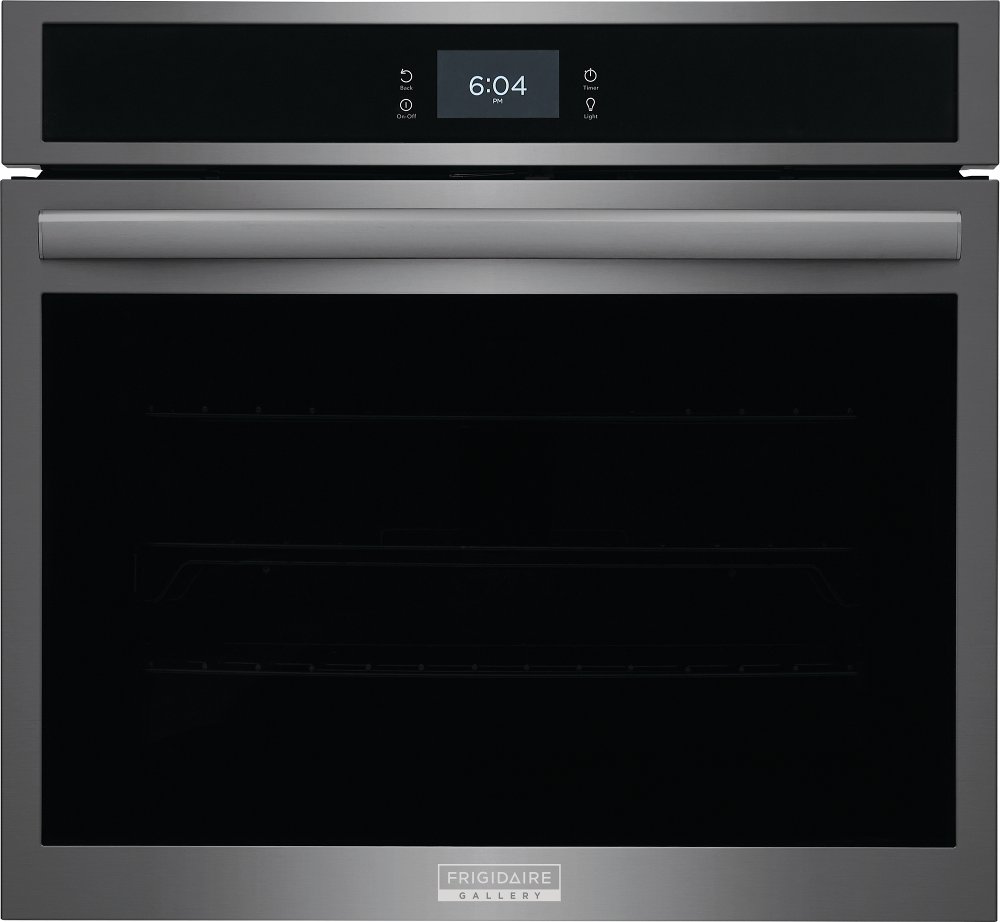
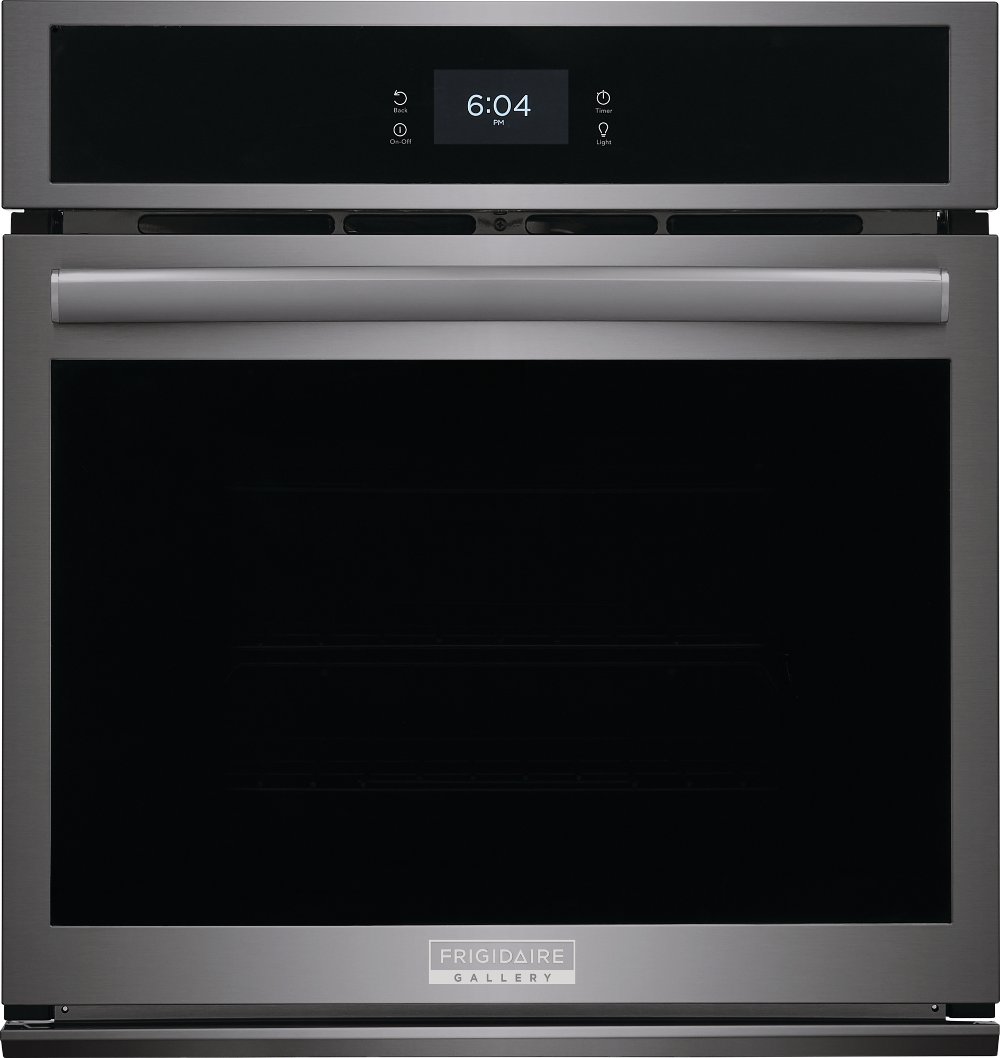
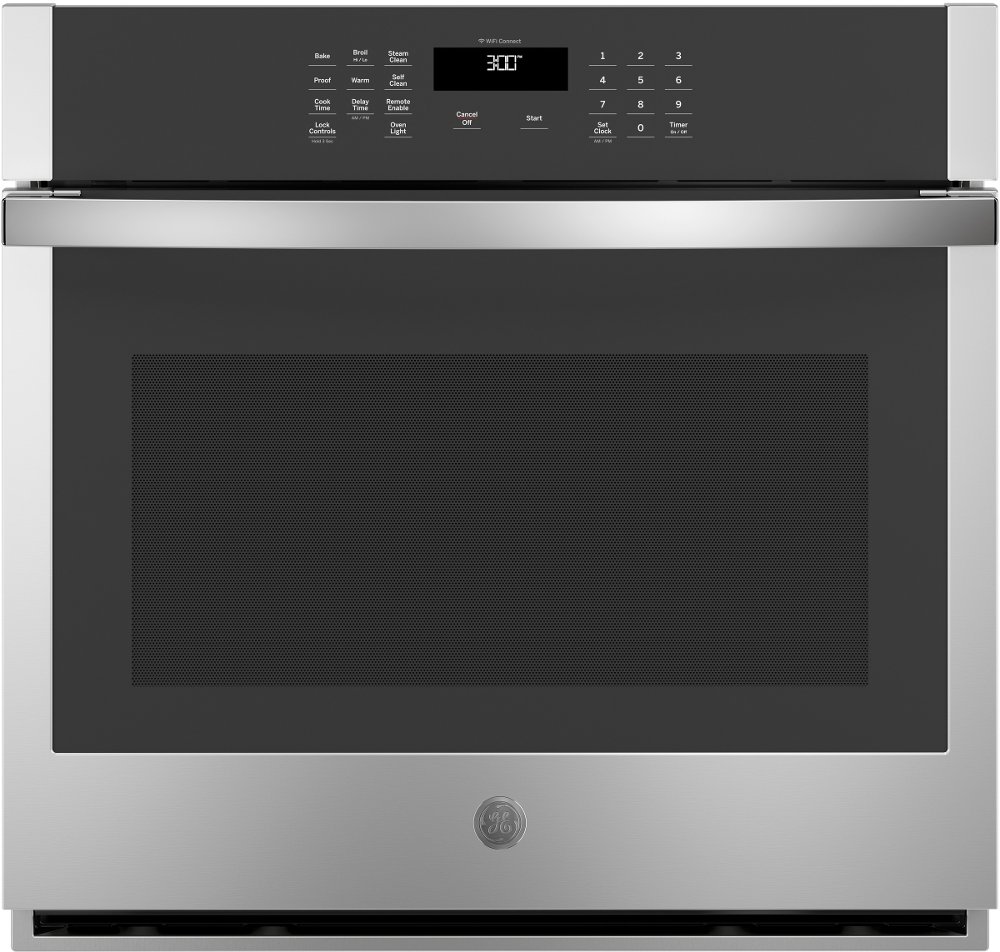
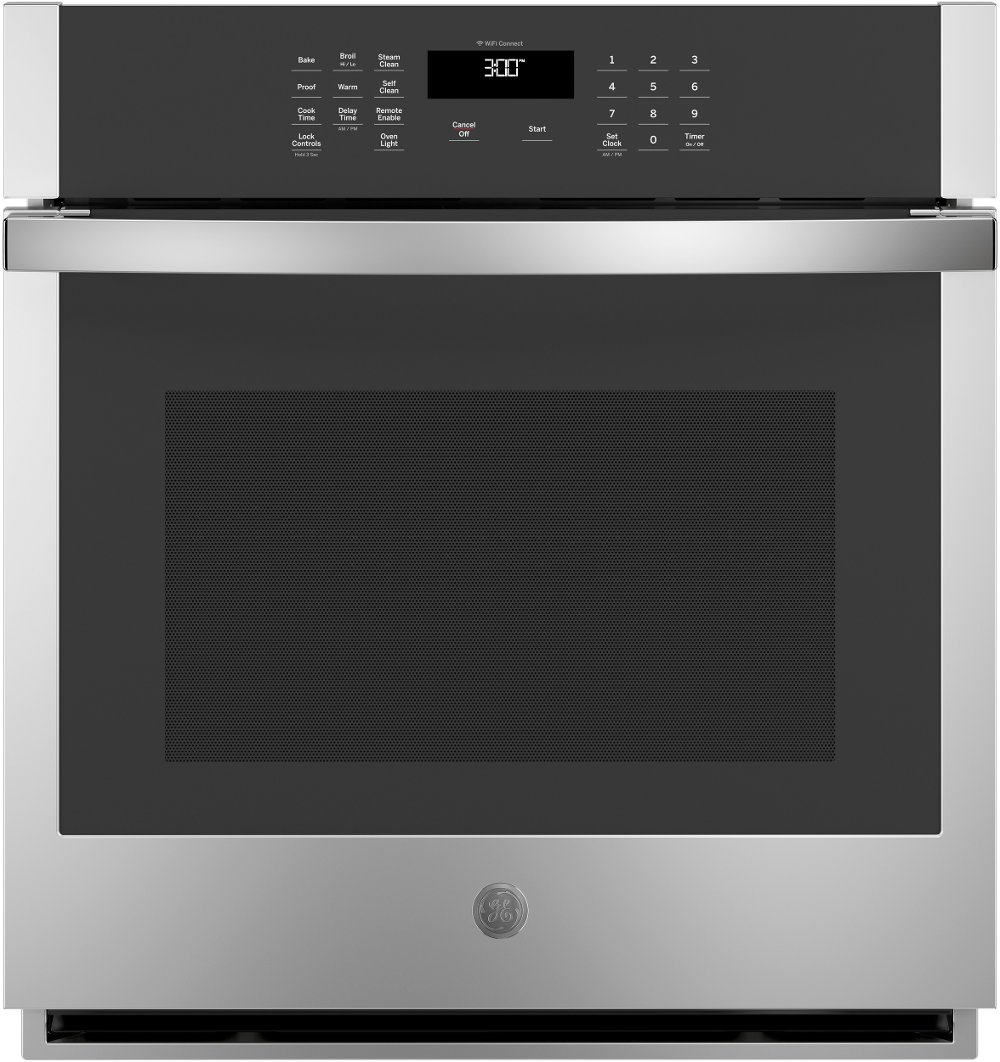
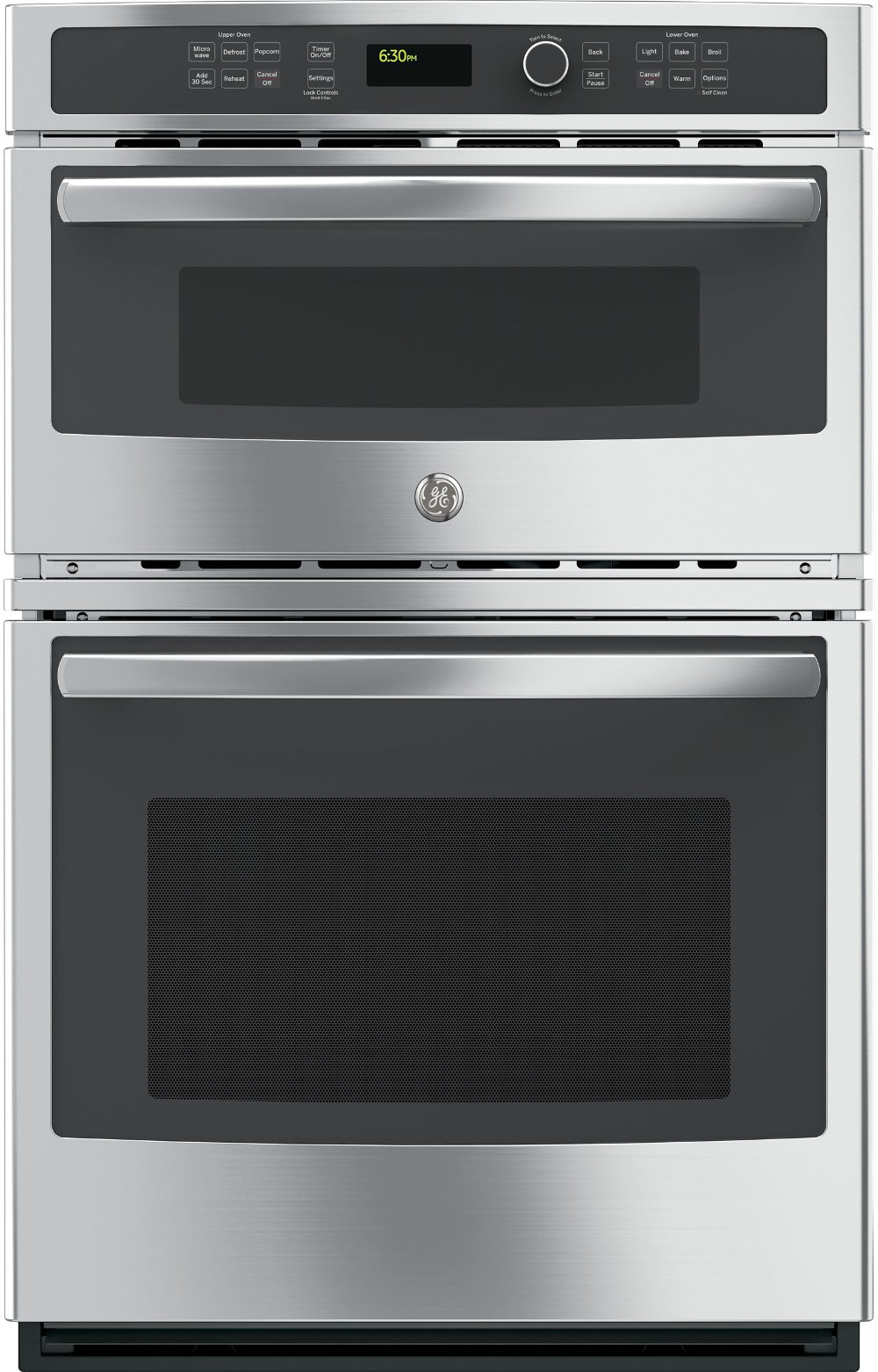
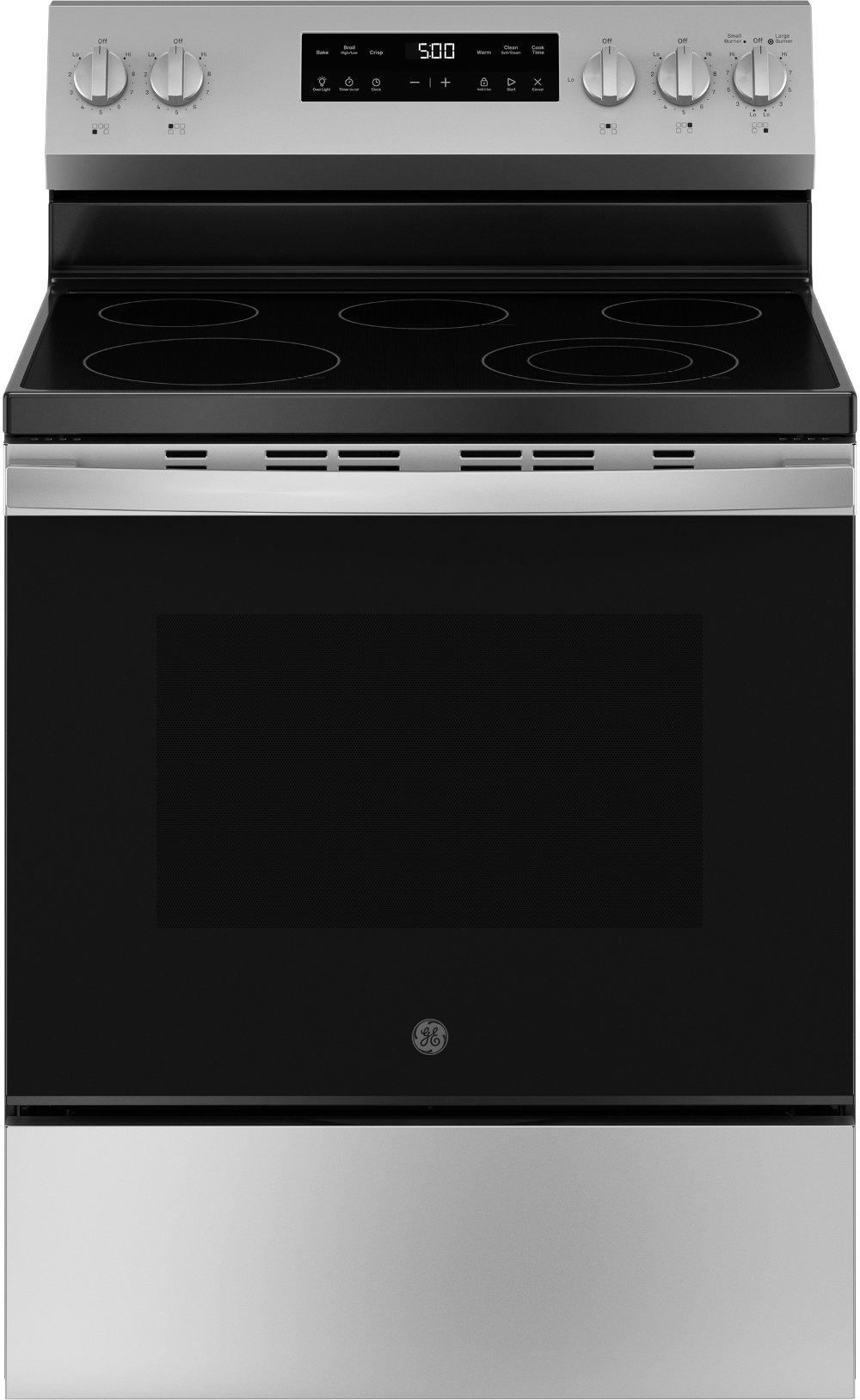
An oven with proofing setting gives homemade dough a warm, sheltered place to rise without taking over a sunny countertop or relying on an unpredictable room temperature. This low-temperature function is designed for yeast dough, pizza dough, rolls, enriched breads, and many sourdough recipes that benefit from a steady environment. Most proof settings maintain a gentle temperature in the range of 80°F to 95°F, often by cycling a low heating element or using the oven light to create mild warmth inside the closed oven. That draft-free space can be especially helpful when the kitchen feels chilly during the cooler months, or when an open window, air conditioning, or a busy household makes countertop conditions change from one hour to the next. To use the setting, place kneaded dough in a lightly oiled, oven-safe bowl, cover it loosely with a damp towel or plastic wrap, select the proof function, and allow the dough to rise according to the recipe. Since a proofing oven may encourage dough to rise more quickly than it would at room temperature, begin checking it earlier than the recipe’s estimated rise time. Look for visual signs such as dough that has expanded noticeably, feels airy, and slowly springs back when gently pressed. A proofing setting is a convenience, not a replacement for paying attention to the dough, and different ovens can run at different temperatures. If you’re unsure how warm the cavity becomes, check the owner’s manual and use an oven thermometer before proofing. Temperatures above the ideal range can weaken or damage yeast, while excessive heat may create a dry surface or cause dough to rise too quickly.
When choosing an oven with proofing setting, consider how you cook from morning through evening, not just how often you bake bread. A spacious interior can make it easier to proof a large bowl of dough, several pans of dinner rolls, or multiple pizza crusts, while flexible rack positions help accommodate tall bowls and baking vessels. Look for controls that are clear and easy to reach, especially if you expect to adjust the temperature, timer, or cooking mode while preparing several dishes at once. An oven that also offers dependable baking, roasting, broiling, and convection performance can serve as the everyday center of the kitchen, from warming pastries before breakfast to preparing casseroles and roasted vegetables for a shared meal. Consider the oven’s fuel type, electrical requirements, installation dimensions, door design, interior lighting, cleaning features, and available accessories before making a purchase. A well-lit cavity lets you check dough without opening the door and releasing warmth, while an accurate timer can help you keep track of both rising and baking stages. Families who enjoy weekend baking may appreciate the ability to prepare dough while handling other kitchen tasks, and newer bakers can find a proofing function reassuring because it creates a more consistent starting point. It can also be a thoughtful gift for someone setting up a first kitchen, learning to bake, or making homemade pizza with family and friends. During warmer seasons, the setting can keep rising dough away from direct sunlight and crowded counters; during cooler seasons, it can provide a dependable alternative to a drafty room. If an oven does not include a proofing mode, some cooks use the oven light alone or place a pan of warm water on a lower rack with the covered dough above it, but those methods require closer temperature monitoring and may not offer the same consistency as a dedicated setting.
An oven with proofing setting can make the entire baking process feel more manageable, from mixing flour and water to sliding a golden loaf onto the cooling rack. It’s useful for a range of doughs, including sandwich bread, dinner rolls, cinnamon rolls, brioche, flatbread, and pizza, although each recipe has its own preferred timing and fermentation method. Sourdough bakers may use a proofing function for a portion of the process, then rely on the recipe’s visual cues and room conditions to determine when the dough is ready. Keep the dough covered so its surface stays supple, and avoid placing plastic wrap or other materials inside an oven that may become warmer than expected. Use oven-safe bowls and pans, leave enough room for the dough to expand, and remember to remove proofing materials before preheating for baking. If the oven has been used for cooking, allow it to cool to the appropriate proofing temperature first; a hot cavity can stop yeast activity rather than support it. Alongside proofing performance, shoppers may want to compare storage drawers, control-lock options, temperature ranges, and features that simplify cleanup after flour, cheese, sauce, or bubbling fillings make their way onto the cooking surface. Those details matter when the oven becomes part of everyday life, whether you’re preparing a simple loaf for breakfast, making pizza dough for a relaxed gathering, or filling the kitchen with the comforting aroma of bread on a quiet afternoon. For households with specific cooking routines or observances, it may also be helpful to explore compatible features such as Oven With Sabbath Mode while comparing available oven configurations. Choosing the right combination of capacity, controls, cooking performance, and specialty settings can give every baker a practical workspace that supports both dependable meals and the satisfying rhythm of homemade baking.
Read More