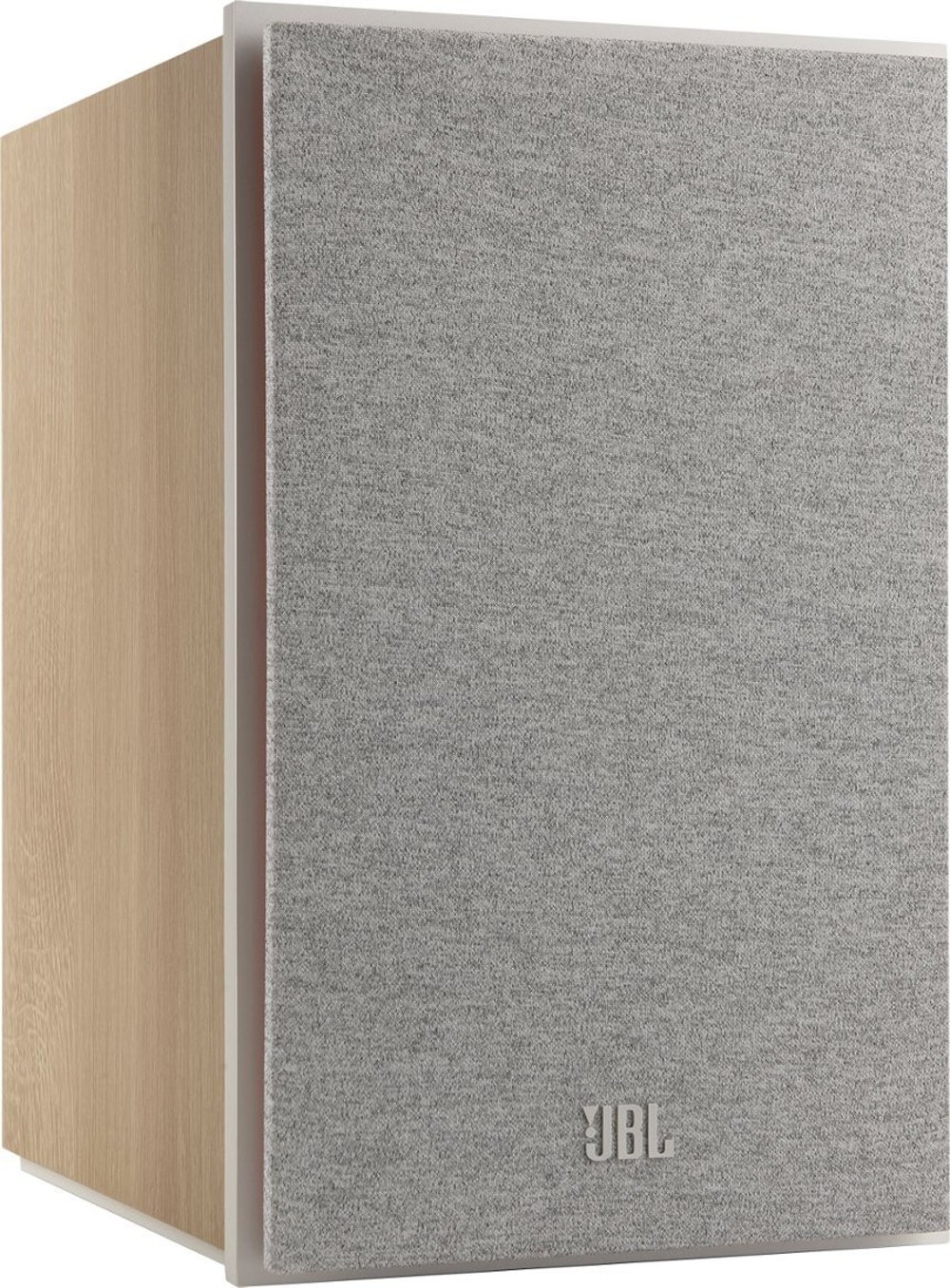
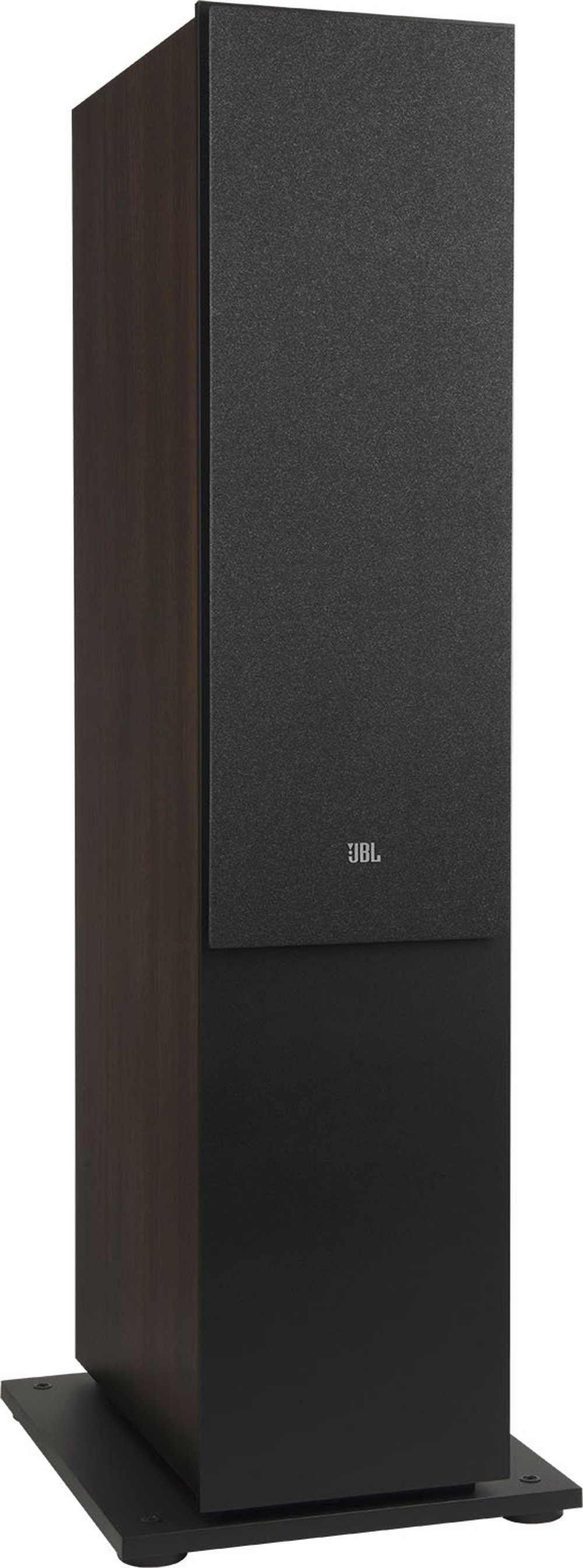
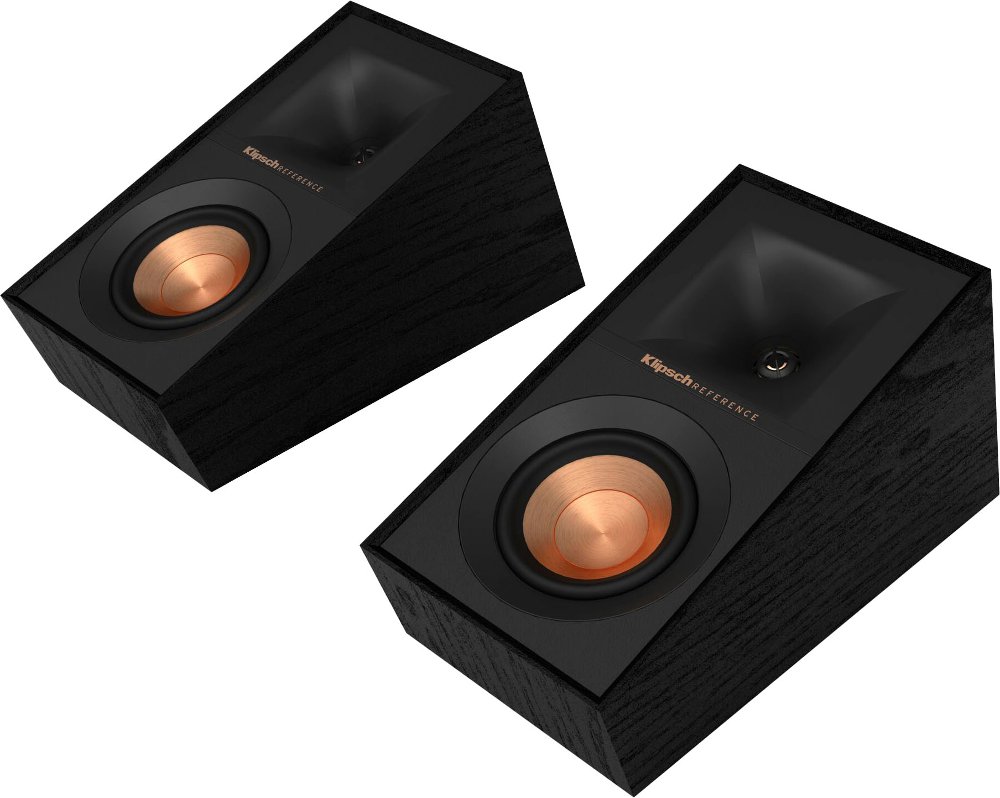
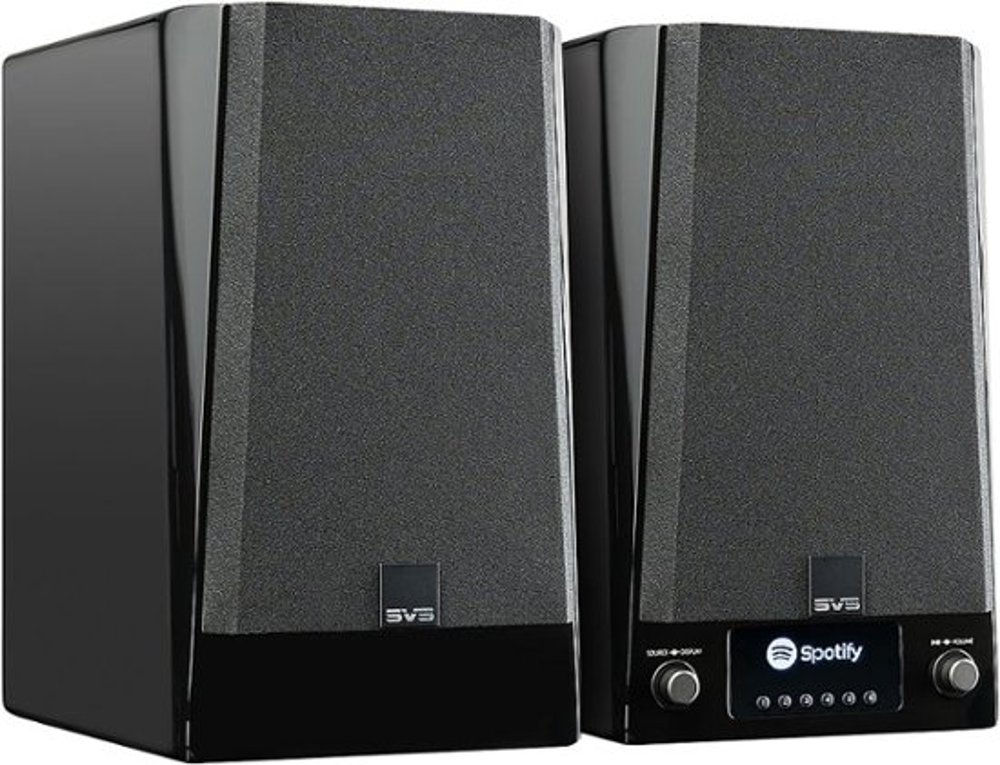
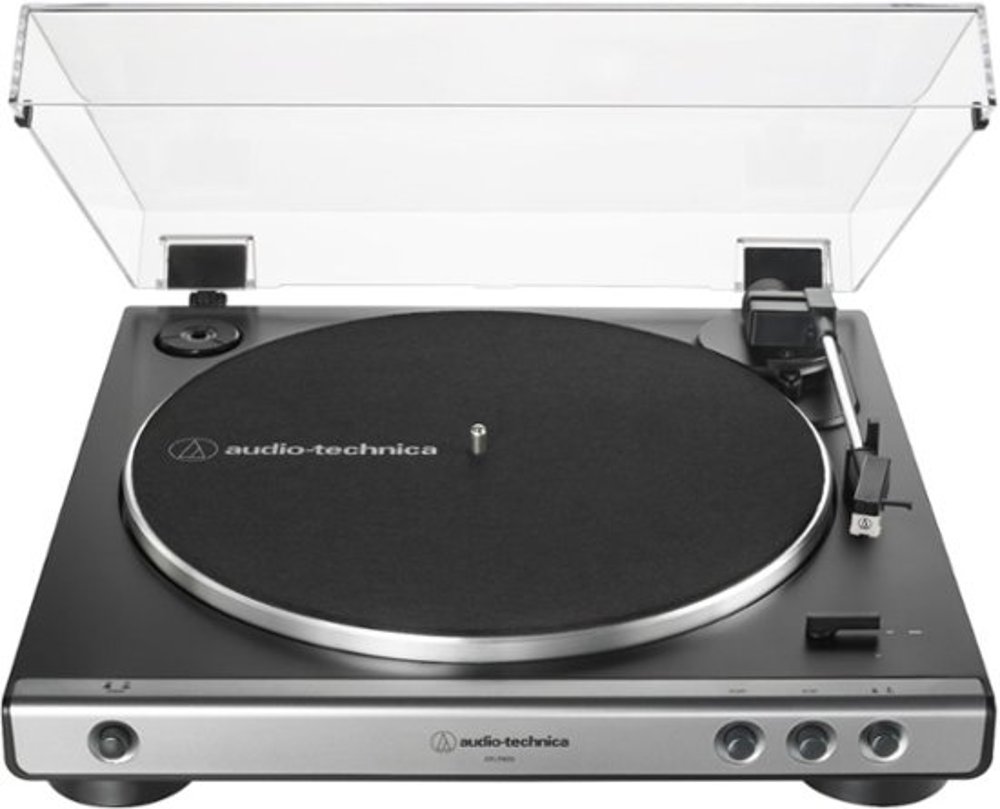
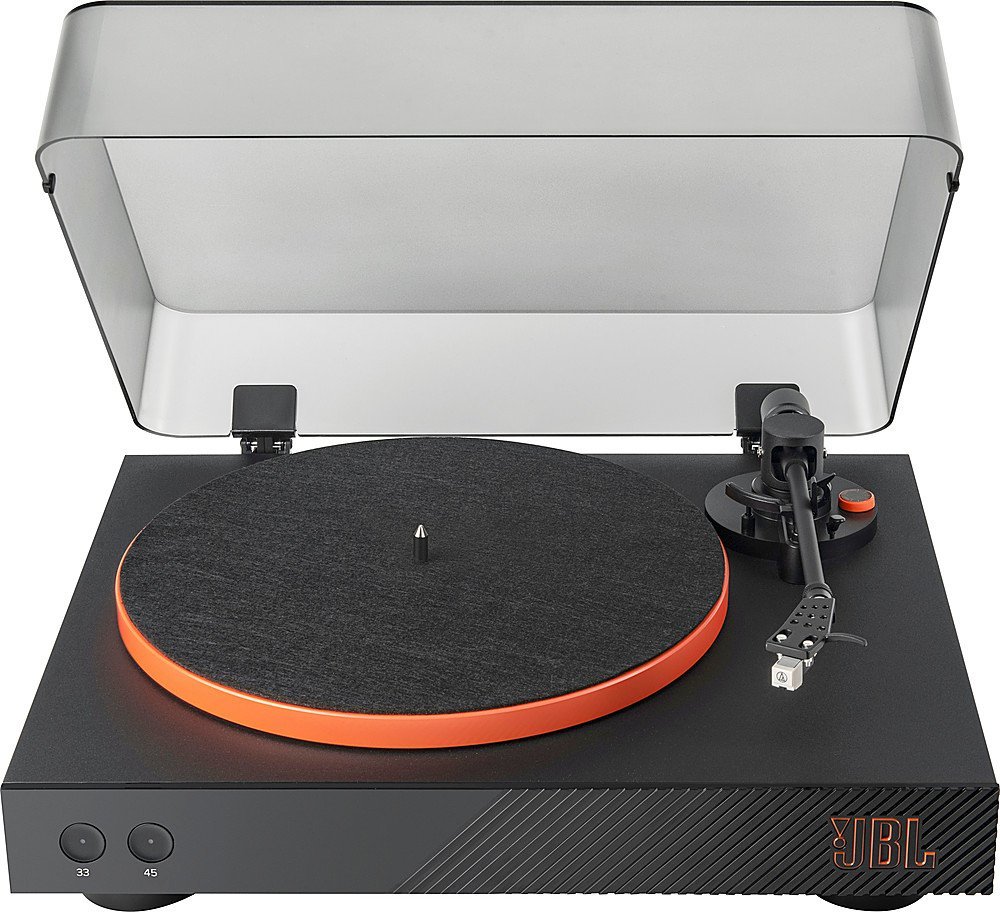
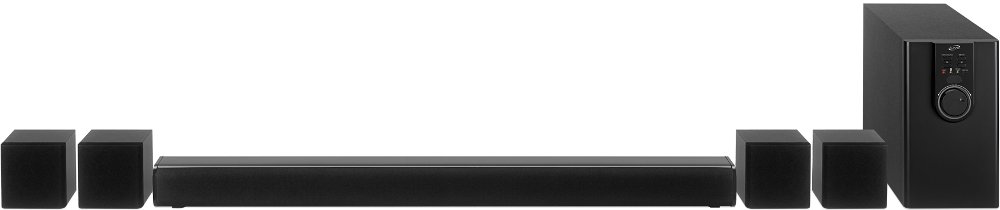
Turntable speakers bring the warmth and character of vinyl into everyday listening, whether you’re building a dedicated record corner or adding music to a room that already does a lot of living. The right speakers can help you hear the texture of a favorite guitar line, the soft crackle before a song begins, and the fuller presence that makes records feel especially inviting. They’re a natural fit for listeners who are starting a vinyl collection, refreshing an older audio setup, or creating a comfortable space for weekend listening. They can also make a thoughtful gift for a music lover, especially when paired with a few carefully chosen records or a turntable with a classic look. For a more nostalgic setup, explore Vintage Style Turntables alongside speakers that complement the room’s style. A compact pair can suit a bedroom, office, dorm, or apartment living area, while larger speakers can help fill an open living room with balanced sound. As the weather warms, they can add an easy soundtrack to relaxed gatherings, and during the cooler months, they make a reading nook or family room feel even more welcoming. Consider how you plan to listen, how much space you have, and whether you want a simple connection or a more flexible audio system before choosing your speakers.
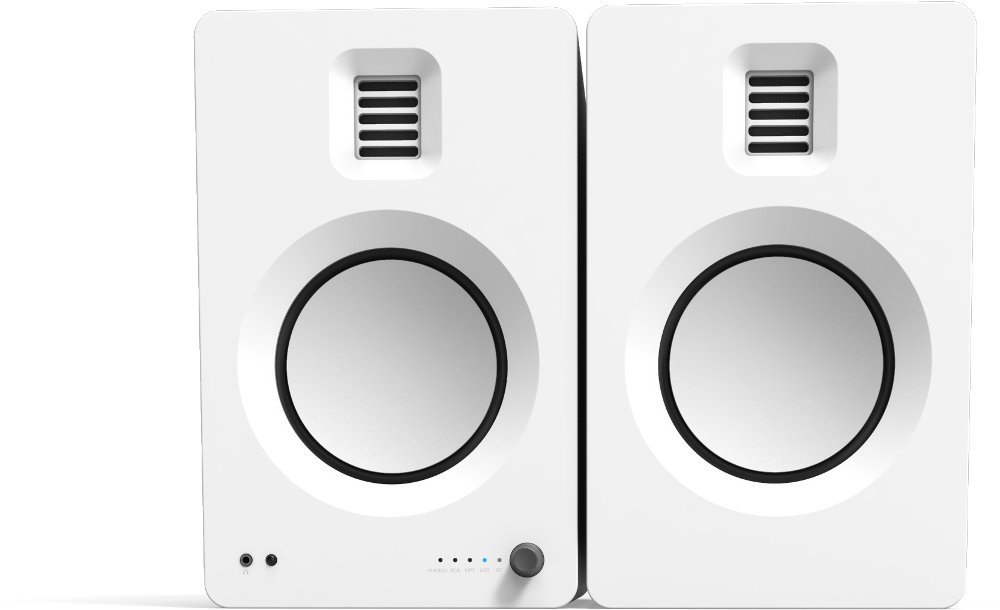
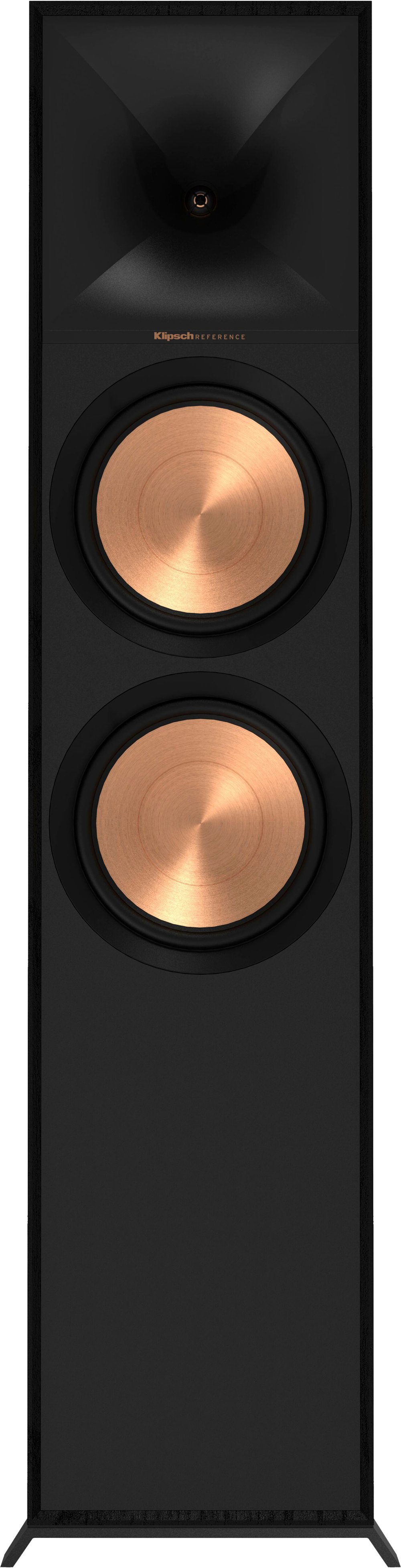
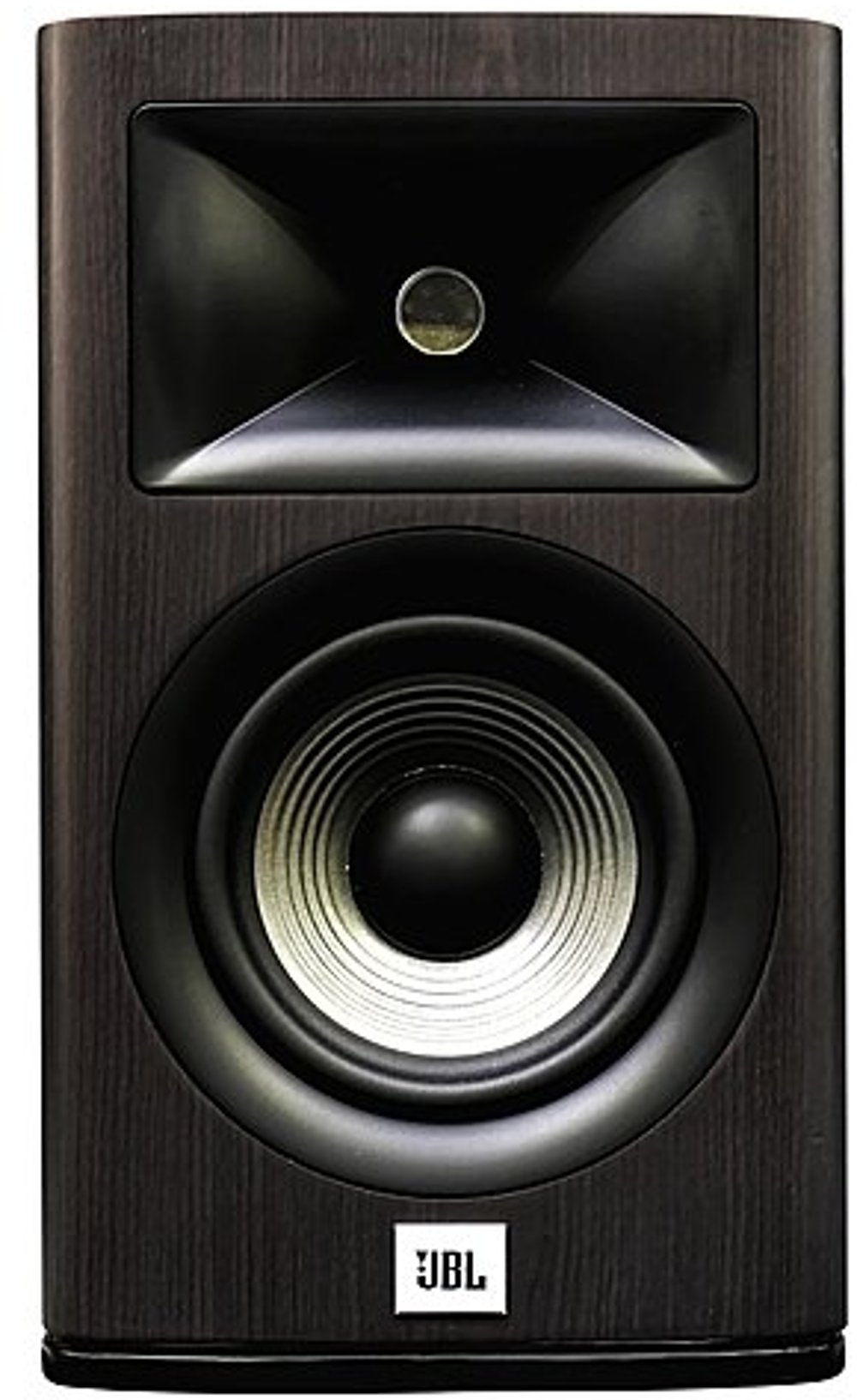
For the easiest turntable setup, powered, also called active, speakers are often the most convenient choice. They have a built-in amplifier, so you can connect them directly to a compatible turntable without purchasing a separate stereo receiver. Powered speakers typically plug into a wall outlet and may offer RCA, optical, USB, or Bluetooth connections, giving you the flexibility to enjoy records as well as music from a phone, tablet, television, or computer. This straightforward design works well for first-time vinyl listeners and anyone who wants great sound without a complicated collection of separate components. Passive speakers offer a different path. They don’t contain their own amplifier, so they need to connect to a stereo amplifier or receiver before they can play music. That additional equipment can take more planning, but it also lets you customize your system over time by selecting the amplifier, speakers, and other components that suit your listening preferences. When comparing options, look for speaker size, power handling, frequency range, connection types, and overall dimensions. A smaller speaker may be just right for a desk or bookshelf, while a larger cabinet can deliver stronger bass and more room-filling sound. Bluetooth can be useful for casual listening, but a wired connection is generally the most direct choice for a turntable. If you’re furnishing a shared space, pay attention to the speaker design, too. Clean lines and neutral finishes can blend naturally with modern furniture, while wood tones and retro-inspired details can complement a more traditional room.
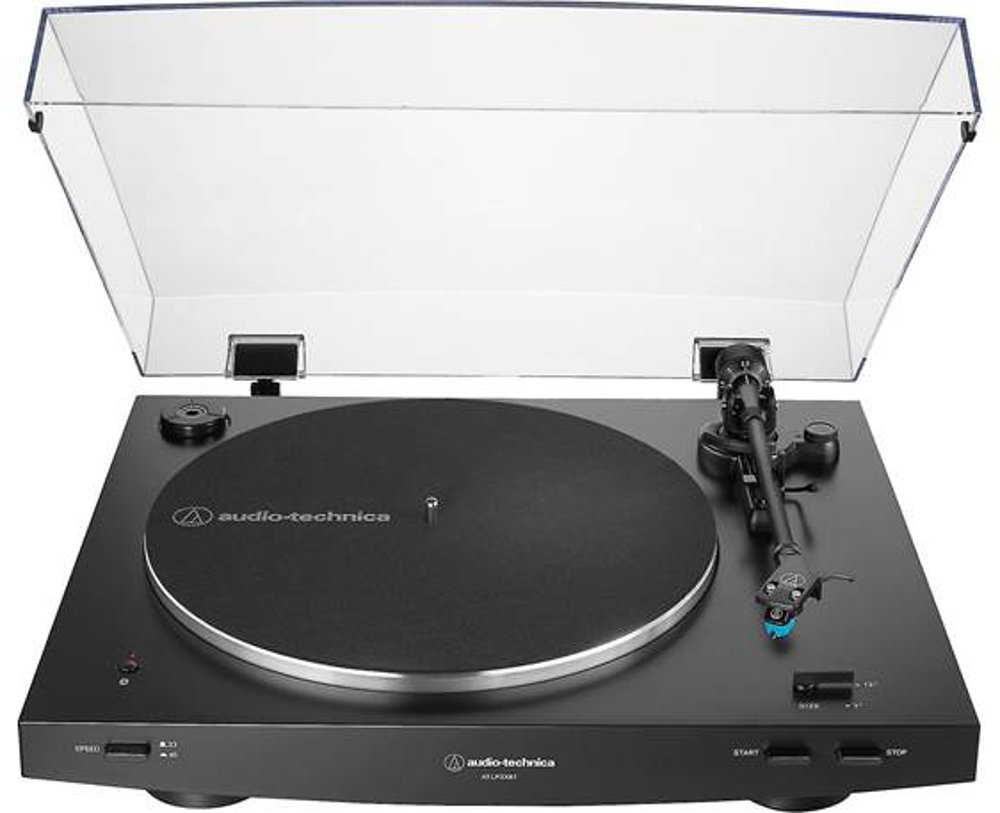
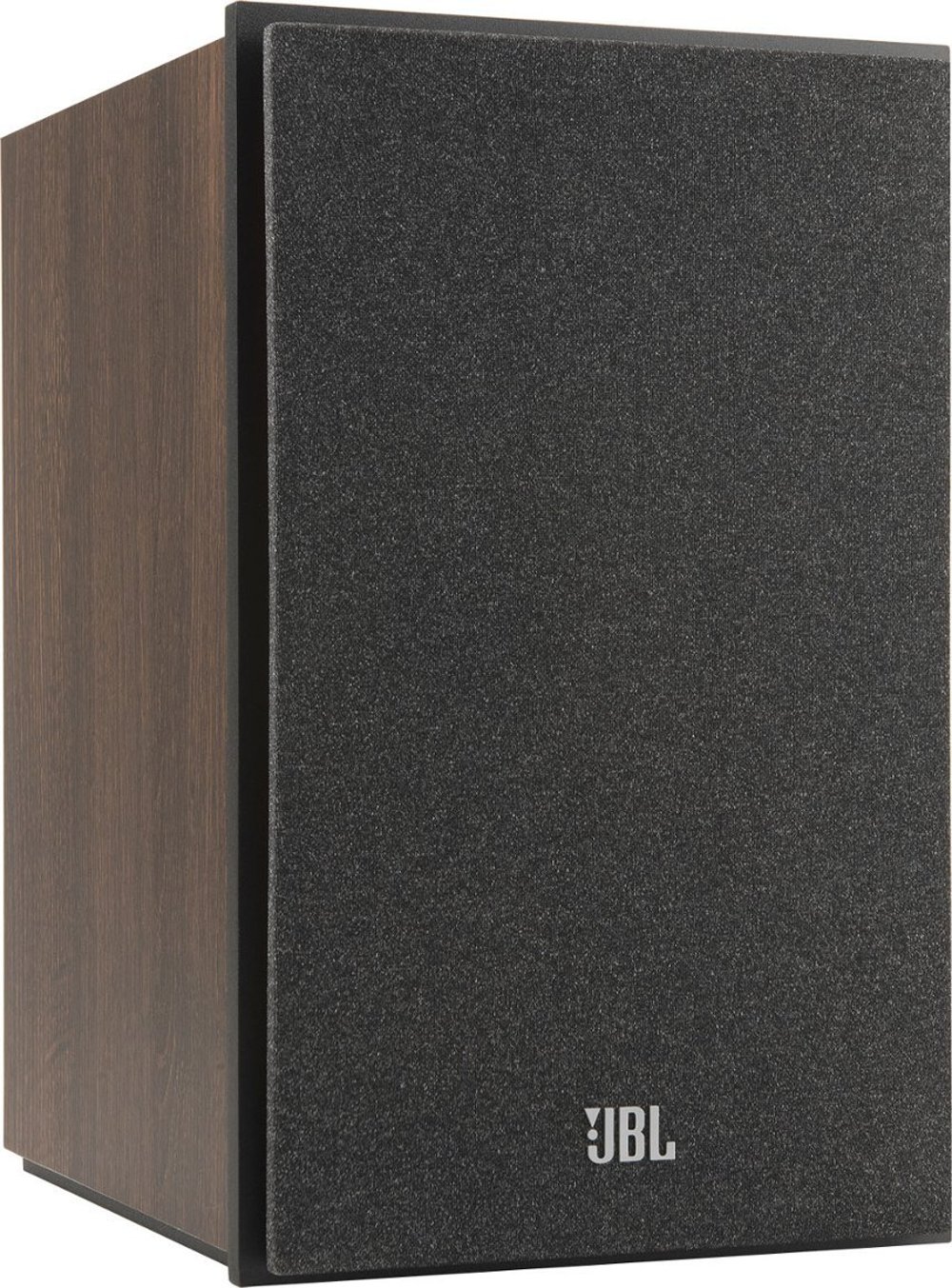
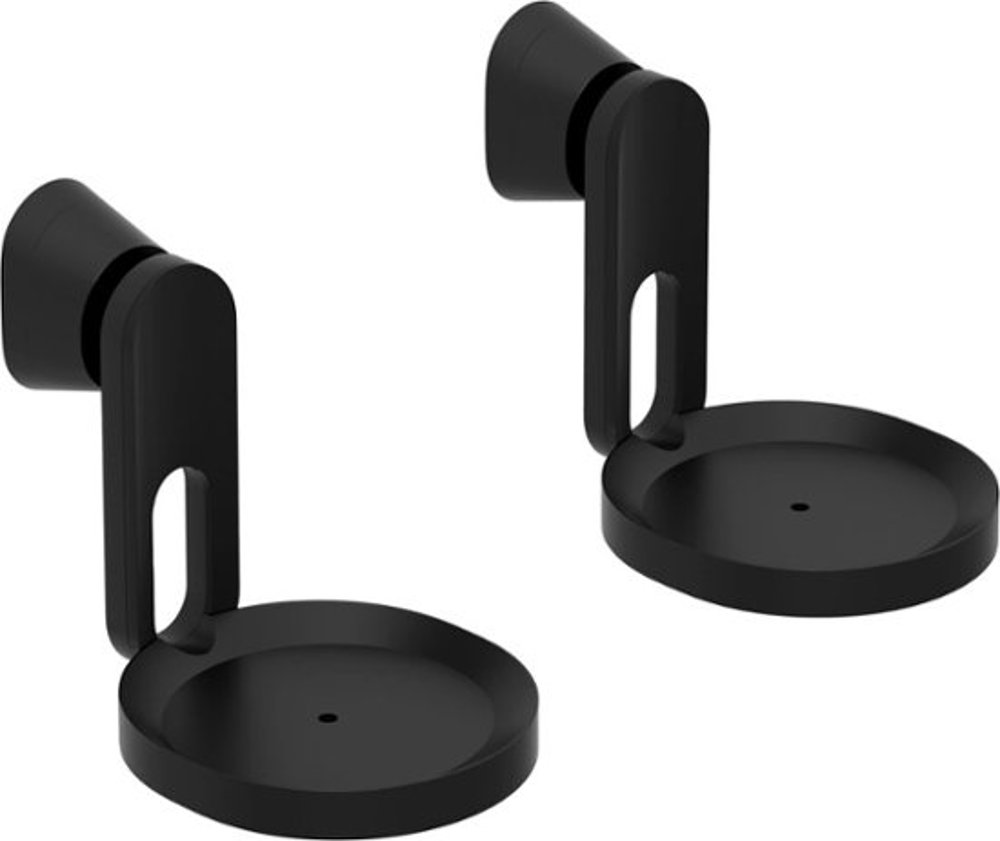
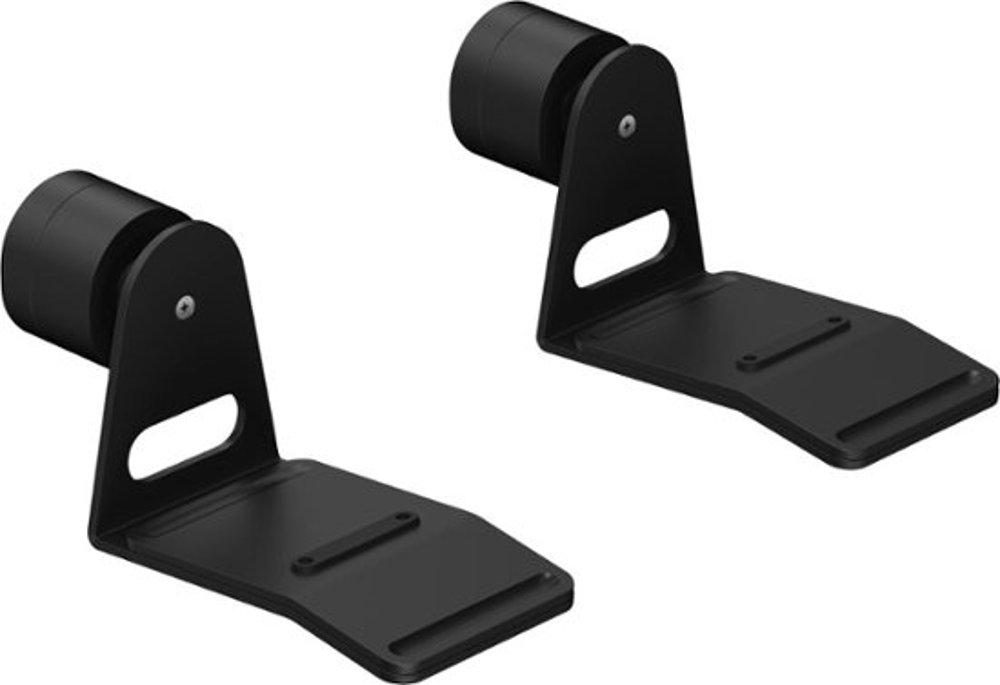
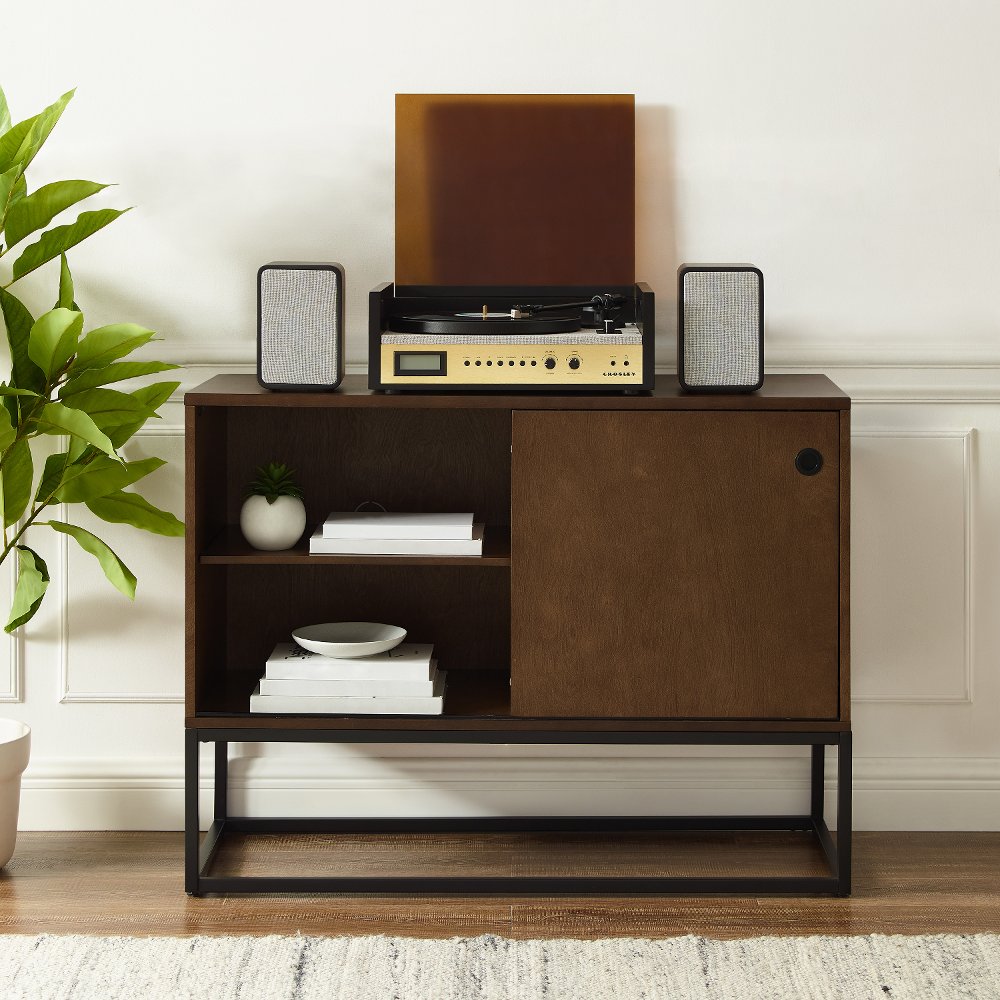
One of the most important details in any turntable and speaker setup is the phono preamp. A turntable produces a very low-level signal, and that signal needs to be boosted and equalized before standard speakers can play it properly. Some turntables include a built-in phono preamp, and many powered speakers do as well. Your system needs at least one phono preamp in the signal path. If neither component includes one, you’ll need a separate phono preamp between the turntable and the speakers. Checking this detail before buying can help you avoid weak, quiet, or distorted sound and keep installation simple. Placement matters just as much. Avoid setting traditional bookshelf speakers directly on the same surface as the turntable, especially when the speakers produce strong bass. Vibrations can travel through the furniture and back into the turntable’s stylus, creating feedback that sounds like a deep hum or a looping rumble. Place the speakers on separate stands, sturdy side tables, or wall shelves when appropriate, leaving enough space around them for sound to move freely. Keep the left and right speakers at a similar height, angle them toward your usual listening position, and maintain a little distance from walls to help preserve clarity. A stable, level surface also helps the turntable perform at its best. With thoughtful placement and the right connections, turntable speakers can turn a modest corner into a personal listening space—one that welcomes quiet mornings, dinner with friends, lively family rooms, and the simple pleasure of putting on a record and letting the music fill the home.
Read More