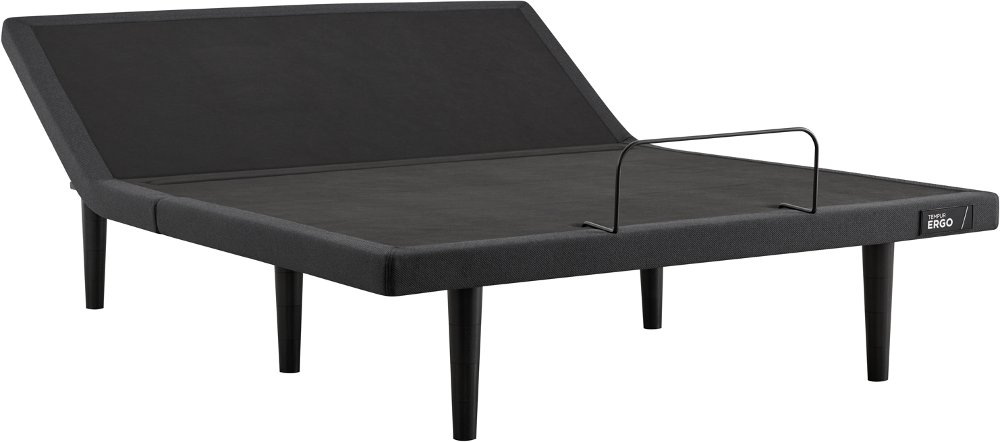
An adjustable bed is a motorized bed base that raises and lowers the head and foot sections of a compatible mattress, letting you change your position for sleeping, reading, or relaxing. Unlike a traditional flat foundation, an adjustable base bends at designated points and supports the mattress as it moves. You can sit more upright with a book, lift your legs while unwinding, or return to a flat position when it’s time to settle in. The adjustment comes from the base rather than the mattress itself, so mattress compatibility matters just as much as the frame’s features. Controls vary by design, with options such as wired or wireless remotes, separate head and foot adjustments, and memory settings that save a preferred position. Some bases also include underbed lighting, charging ports, or a massage function that uses vibration. These extras can be convenient, but smooth movement, easy-to-read controls, and dependable support deserve attention first. A preset labeled “zero gravity” generally raises both the upper body and legs into a reclined position; the exact angle and feel depend on the base and mattress. Adjustable beds suit a range of everyday routines, from someone who likes to read before bed to partners who spend different amounts of time sitting up. They’re also worth considering when reaching for a remote feels easier than rearranging a stack of pillows. For someone furnishing a bedroom with long-term use in mind, straightforward controls and a comfortable sitting position may matter more than a long feature list. Construction typically combines a metal support structure with hinged platform sections, motors, and, on some designs, an upholstered outer edge. That upholstered border can help the base blend into the bedroom, while the internal structure does the work of supporting movement. The best match is a base whose adjustments feel useful in daily life, not simply one with the most buttons.
Fit starts with the mattress, the bed frame, and the room around them. Many memory foam, latex, and flexible hybrid mattresses work with adjustable bases, but construction varies, and the mattress manufacturer should confirm compatibility. A mattress that’s too rigid may resist bending, while an unusually thick mattress may make the base’s movement feel less pronounced. Check any requirements for mattress thickness, support, and warranty coverage before pairing the two. A conventional box spring generally isn’t part of an adjustable setup because the moving base provides the foundation beneath a compatible mattress. Size deserves the same attention. A split king typically uses two twin XL mattresses and two independently operated base sections, allowing each partner to choose a different position. A standard king mattress on a single adjustable surface moves as one sleeping area instead. That distinction matters when one person wants to sit up while the other prefers to lie flat. Measure the base’s overall dimensions rather than relying only on the mattress size, and check clearance inside an existing decorative frame. Headboards, footboards, side rails, and storage drawers can affect whether the base fits and moves freely. Some designs can rest on a suitable platform without legs, often called zero-clearance installation, while others require their own legs and open space underneath. Always follow the base manufacturer’s installation requirements. If changing how high the mattress sits is your main goal, bed frames with adjustable height address a different need: adjusting the bed’s overall height rather than necessarily raising its head or foot sections. With a motorized base, consider both the finished mattress height and how the bed moves near a nightstand or wall. A design that shifts the mattress back as the head rises may help keep bedside essentials within reach. Sheets should match the mattress depth and stay secure through movement; split arrangements usually need separate fitted sheets for each mattress.
Durability and everyday convenience depend on choosing the right support and treating the moving parts with care. Review the manufacturer’s weight limit, including whether that rating accounts for the mattress and bedding as well as the people using the bed. For split setups, check the capacity of each side rather than assuming the entire surface shares one limit. A sturdy base should support normal use without asking the mattress or surrounding furniture to compensate for a poor fit. When comparing designs, consider motor sound, how steadily the sections move, whether the remote buttons are easy to distinguish, and how simple it is to return the bed to flat. Someone who adjusts positions in the dark may appreciate backlit controls, while someone who prefers a simpler routine may value a dedicated flat button. Check whether a backup lowering function is included and how it works if household power is interrupted. Plan for an appropriate electrical outlet, and route cords according to the instructions so moving sections can’t catch or pinch them. Keep hands, bedding, stored belongings, children, and pets clear of the mechanism whenever the base is moving. Sit and get into bed as directed by the manufacturer, and avoid concentrating weight on a raised section that isn’t intended to serve as a seat. For routine care, unplug the base before cleaning or inspecting it, follow the upholstery care label, and keep moisture away from electrical components. Check accessible connections and hardware only as recommended, leaving motor repairs and electrical work to qualified service professionals. Mattress care still matters, too: rotate it only if its manufacturer recommends doing so, and use a compatible protector that allows the surface to flex. Thoughtful setup keeps the experience simple—a supportive mattress, room to move, controls within reach, and positions that fit the way you actually spend time in bed.
Read More