Adjustable Base Mattresses

Shop adjustable base mattresses at RC Willey to find an option that works with your bed and suits the way you sleep. Compare mattresses with your preferred comfort level and size in mind, and check each option’s compatibility with your specific adjustable base before choosing.

Read More
Sort by:

Adjustable Base Mattresses

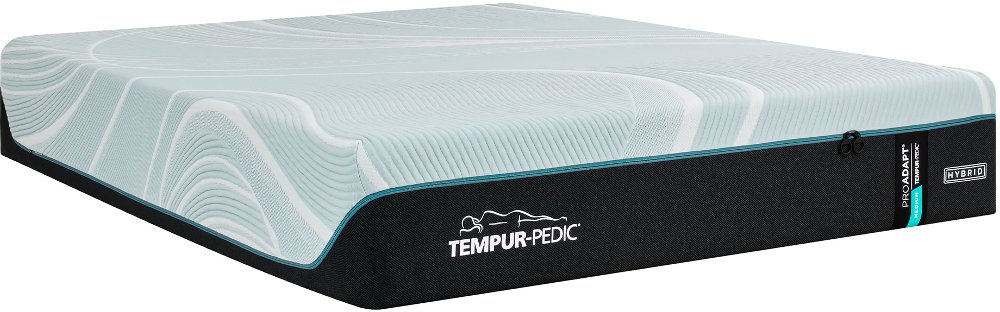
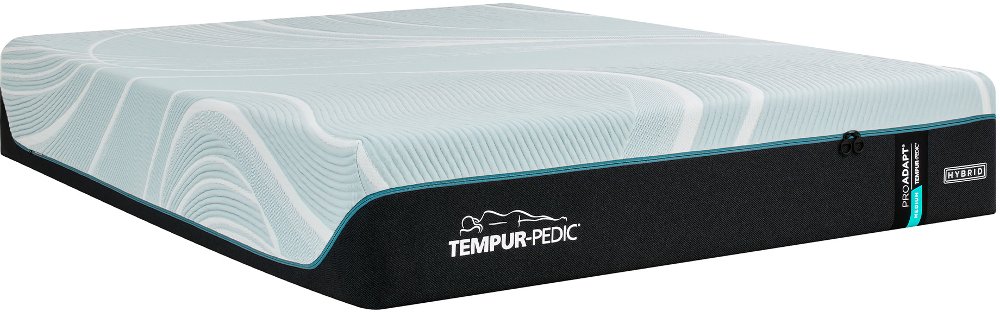
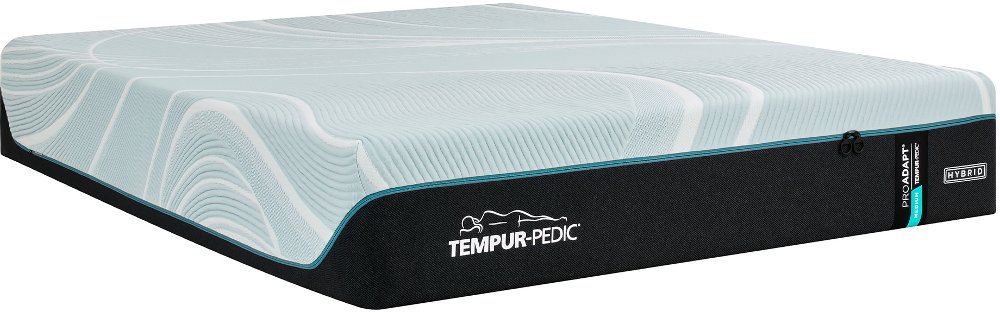
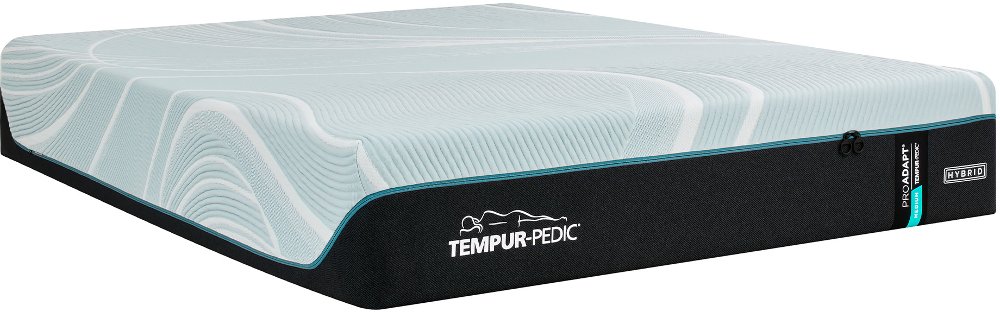
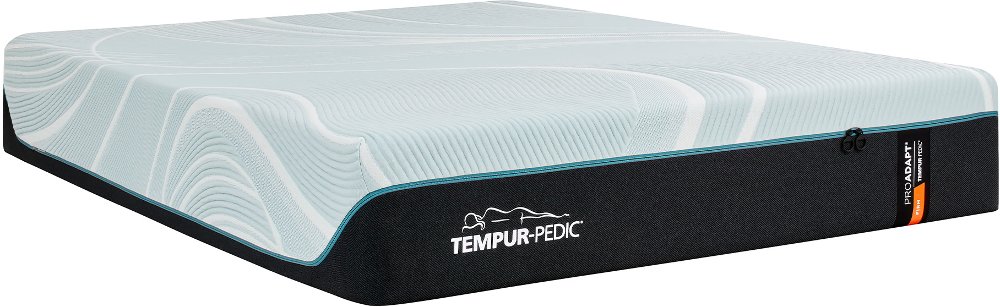
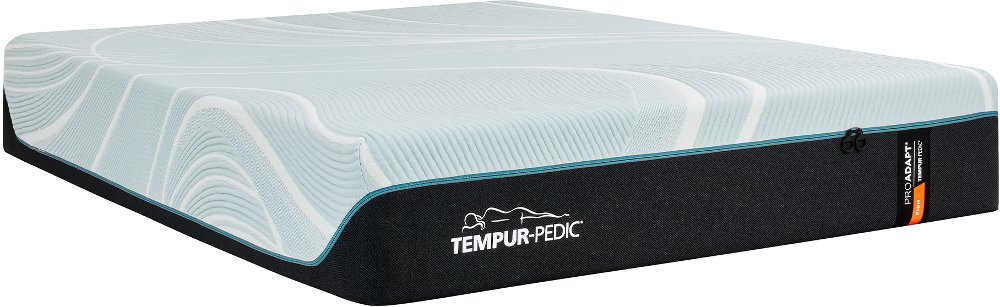
Adjustable base mattresses are flexible mattresses designed to bend with a compatible motorized bed base as it raises or lowers the head and foot sections. Memory foam, latex, and select hybrid mattresses can work with adjustable bases, but compatibility depends on the individual mattress and foundation. The base creates the movement; the mattress needs to follow that movement without losing its shape or support. Together, they create a bed that adapts to more than one resting position, whether you prefer lying flat, settling back with a book, or elevating your legs after a long day. A slight lift at the head can make reading more comfortable without stacking pillows behind your shoulders, while separate head and foot adjustments give you more ways to settle in. The mattress still needs to feel comfortable in its flat position, since an adjustable foundation doesn’t replace the cushioning and support that suit your body. Memory foam generally offers a close, contouring feel, while latex tends to feel more buoyant and responsive when you roll over. Adjustable-compatible hybrids combine foam or latex comfort layers with a flexible coil support system, often appealing to sleepers who like cushioning with a little more bounce. Traditional innerspring mattresses with rigid construction may not bend properly, so the mattress manufacturer’s approval matters more than the broad mattress category alone. Side sleepers may appreciate pressure-relieving cushioning at the shoulders and hips, while back and stomach sleepers often need a steadier surface that limits excessive sinking. Body size, preferred sleep position, and whether you share the bed all influence how a mattress feels. Firmness and flexibility are separate qualities: a mattress can feel firm yet still articulate smoothly on an adjustable base. Thickness matters, too, because an especially tall or rigid mattress may resist bending, while a thinner design may provide less cushioning than you prefer. A compatible construction balances comfortable movement with the support you need for everyday sleep.

The right fit starts with matching the mattress dimensions to the adjustable foundation, not just choosing the same familiar size name. Length, width, mattress weight, and the base’s stated requirements all deserve attention, particularly when combining pieces purchased separately. Weight limits may include the mattress, sleepers, and bedding, so the foundation’s instructions should explain what its capacity covers. A mattress that extends beyond the platform or sits unevenly can interfere with movement and leave edges unsupported. For two people sharing a bed, the difference between a standard king and a split king is especially important. A standard king mattress moves as one surface when paired with a suitable base, while a split king typically uses two twin XL mattresses on independently controlled base sections. That separation lets one person sit up to read while the other stays flat, provided the foundation supports independent adjustment. It also allows each sleeper to choose a different mattress feel, although matching mattress heights helps create a more even shared surface. The center seam is part of a split setup, so couples who like sleeping close together should consider how that division fits their habits. Split-head configurations are different from fully split mattresses and require their own compatible foundations and bedding. Beyond size, a mattress’s response to movement affects everyday comfort. Close-contouring foam may help limit the motion you feel when a partner changes position, while a more responsive surface can make turning over easier. Strong edge support can be useful when sitting down to put on slippers or getting into bed, though edge feel varies by construction. Bedding needs room to move as well. Deep-pocket fitted sheets should match the mattress height, and flexible mattress protectors can help keep the surface covered without pulling tight when the base rises. Split arrangements generally need separate fitted sheets for each mattress section. A smooth, secure fit keeps the bed comfortable through position changes without bunching fabric beneath your back or tugging a sheet loose at the corners.

An adjustable mattress and base should also fit naturally into the bedroom around them. Compatible bed frames for adjustable bases can provide the look of a finished bed while allowing the foundation to do its work, but interior dimensions, support requirements, and clearance still need to match the setup. Some adjustable foundations stand on their own legs inside a decorative frame; others permit placement on an approved platform. Slats, center supports, storage drawers, and footboards can affect compatibility, so a frame’s appearance alone doesn’t tell the whole story. Clearance for moving sections, nearby furniture, and the power cord helps keep the room practical, especially beside a nightstand or a frequently used walkway. Everyday care is just as important as the initial fit. A mattress protector helps shield the sleep surface from spills and daily wear, and regular cleaning should follow the mattress maker’s directions. Removable covers aren’t always machine washable, and excess moisture can be difficult to remove from foam layers. Letting bedding air out and addressing small spills promptly can help keep the surface fresh without soaking the mattress. Rotate the mattress only as directed, and don’t flip a one-sided design unless its instructions specifically allow it. On a split bed, each mattress needs the same attention, even if one side gets less use. Durable comfort comes from the whole construction, including resilient comfort layers, a suitable support core, sound seams, and a cover that accommodates repeated bending. Keeping the mattress properly supported and within the base’s approved specifications helps those components work as intended. Warranty terms can also explain which foundations are acceptable and what care practices apply. For a primary bedroom or a guest room where flexible positioning would be useful, an adjustable-compatible mattress offers a way to make the bed more personal. The best fit brings together a comfortable sleep surface, dependable support, and easy movement that suits the way you actually rest.
Read More

Frequently Asked Questions

Filter By