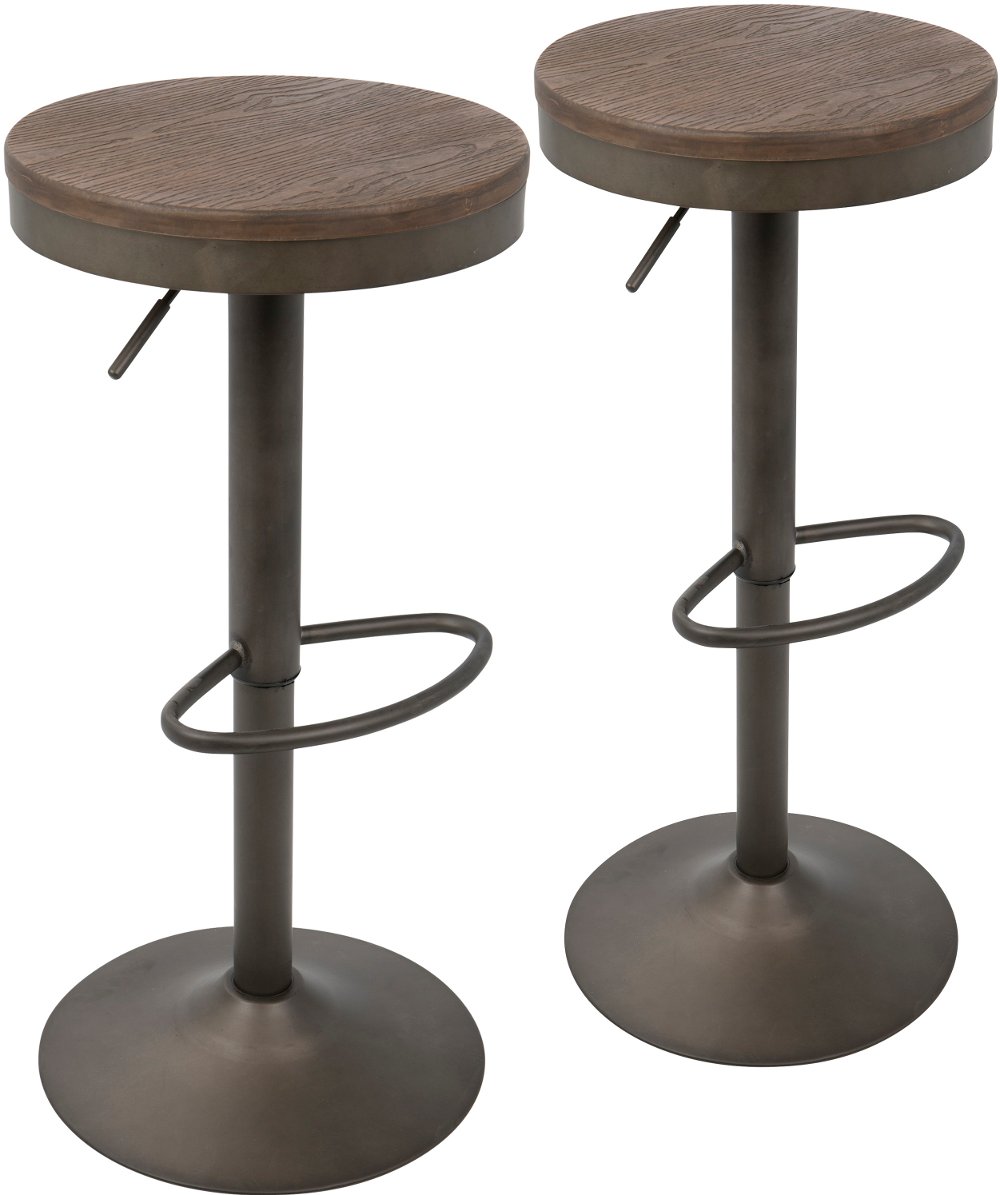
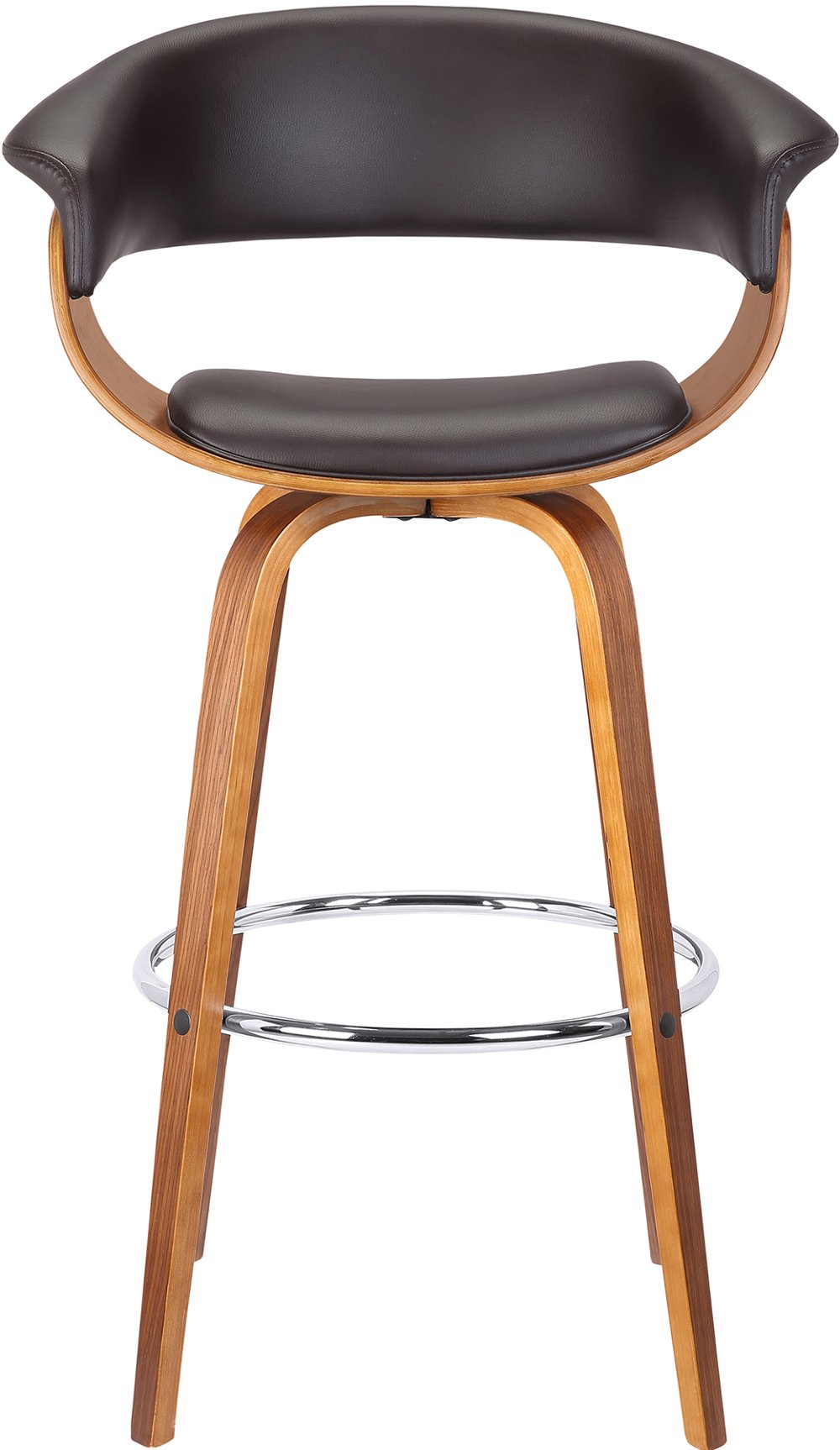
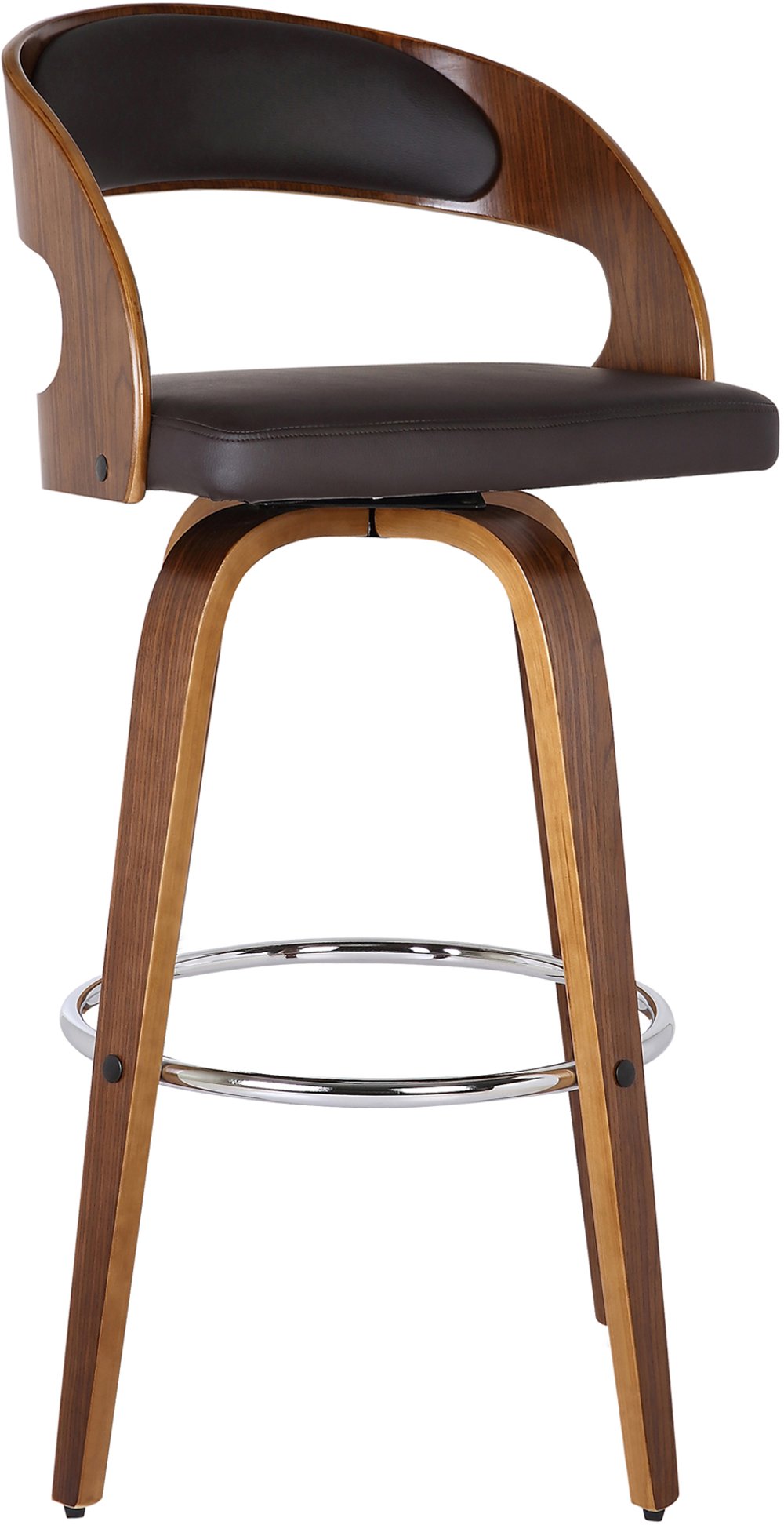
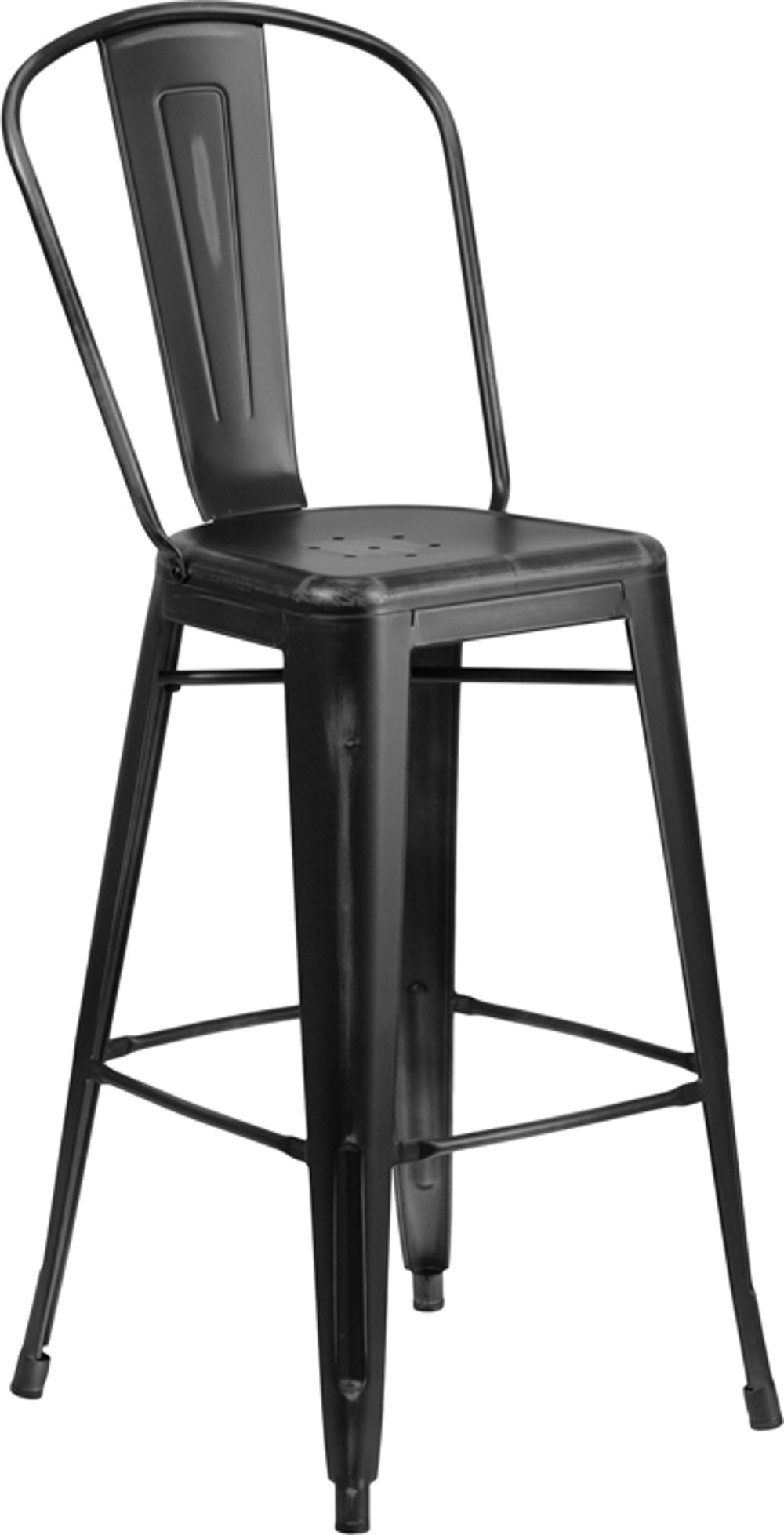
Adjustable counter height bar stools bring flexible seating to kitchen islands, breakfast counters, and home bar areas, letting you raise or lower the seat to suit the surface and the person using it. Many designs use a lever-operated gas lift, while others adjust with a threaded seat or another mechanical system. Depending on the design, seat heights may span approximately 24 to 33 inches, but the stated adjustment range matters more than the word “adjustable.” A standard kitchen counter is usually about 36 inches high and generally pairs with a seat around 24 to 26 inches high. A bar-height surface is often about 42 inches high and typically needs a seat around 28 to 30 inches high. Not every adjustable stool covers both ranges, so compare the minimum and maximum seat heights with the actual height of your countertop. Aim for roughly 10 to 12 inches between the seat and the eating surface, and check whether a thick countertop, apron, or support bracket reduces thigh clearance underneath. That space makes a difference when someone sits down with a breakfast plate or settles in to help with homework. Width matters just as much as height: allow enough room between seats for elbows, turning, and getting on and off without bumping a neighbor. About 26 to 30 inches from the center of one seat to the next can be a useful starting point, with extra space for wider seats or arms. Measure the base, too, since a broad pedestal may extend farther than the seat suggests. At an island beside a busy walkway, a stool that tucks beneath the overhang helps keep the route open. Backless seats often tuck away neatly, while stools with backs or arms need more room. Looking at the full footprint, rather than seat height alone, helps create a counter area that feels comfortable instead of crowded.
The right combination of materials and support depends on how your counter seating fits into everyday life. A lightly padded seat may be comfortable for a quick cup of coffee, while a generously cushioned seat and supportive back can make longer conversations over dinner more relaxed. Seat depth also affects comfort: a deep seat can leave a shorter person sitting forward without back support, even when the height is correct. A well-positioned footrest gives feet a place to land rather than leaving legs dangling. On some adjustable stools, the footrest moves with the seat; on others, its position stays fixed, changing the distance between the seat and foot support as the height changes. Swivel movement adds another layer of convenience, allowing someone to turn toward a conversation or step away from the counter with less scooting. Designs may turn a full 360 degrees or offer a more limited range, so check the movement described for each style. For seating that combines both functions, Adjustable Swivel Bar Stools offer another way to explore height adjustment and easy turning together. Upholstery shapes both the feel and the character of the space. Smooth faux leather often makes everyday crumbs and small spills easier to address, while woven fabric brings texture and a softer look. Genuine leather develops character with use but needs care suited to its finish. Velvet adds a plush surface and visual depth, though its pile can show pressure marks and may need gentle brushing if the care instructions allow it. Wood seats provide a firmer feel and visible grain, and molded plastic shells can create a clean, streamlined silhouette. Metal frames and pedestal bases pair easily with contemporary kitchens, while wood accents can connect counter seating to nearby dining furniture. Repeating one finish or color is often enough to make the spaces feel connected without matching every detail.
Durability starts with construction that suits the way the stools will be used. In a kitchen where seats move through breakfast, afternoon projects, and evening meals, secure joints, a sturdy footrest, and upholstery with clear cleaning instructions deserve close attention. A broad pedestal base can provide a stable foundation, but its shape alone doesn’t establish a stool’s weight capacity or resistance to tipping. Check the manufacturer’s weight limit and intended use, and make sure the stool stands level with its base fully supported by the floor. Adjustable stools are generally intended for a seated person, not for standing on to reach a cabinet. Households with children should consider how easily little hands can reach the height lever and whether a swiveling seat suits their needs; adult-height stools aren’t a substitute for age-appropriate seating. Follow the operating instructions for the lift mechanism, since some seats lower under body weight and rise when that weight is removed. Assembly and routine checks matter, too. Tighten fasteners as directed, watch for looseness or uneven movement, and leave repairs to a gas-lift cylinder to qualified service professionals rather than attempting to open it. For everyday care, remove crumbs before they collect along seams, blot spills promptly, and use cleaners approved for the seat material. A soft cloth is usually the gentlest starting point for finished metal or wood, followed by drying to prevent lingering moisture. Avoid assuming that every faux leather, fabric, or wood finish tolerates the same cleaning product. Floor protection also deserves a look: keep the underside of the base clean, inspect protective rings or glides, and use replacements compatible with both the stool and the flooring. With the right dimensions and a manageable care routine, adjustable counter stools can serve everyone from an apartment dweller using a peninsula as a dining spot to a household that gathers around a large island. The most useful choice is one that supports those familiar moments comfortably, fits the counter properly, and leaves enough room for daily life to move around it.
Read More