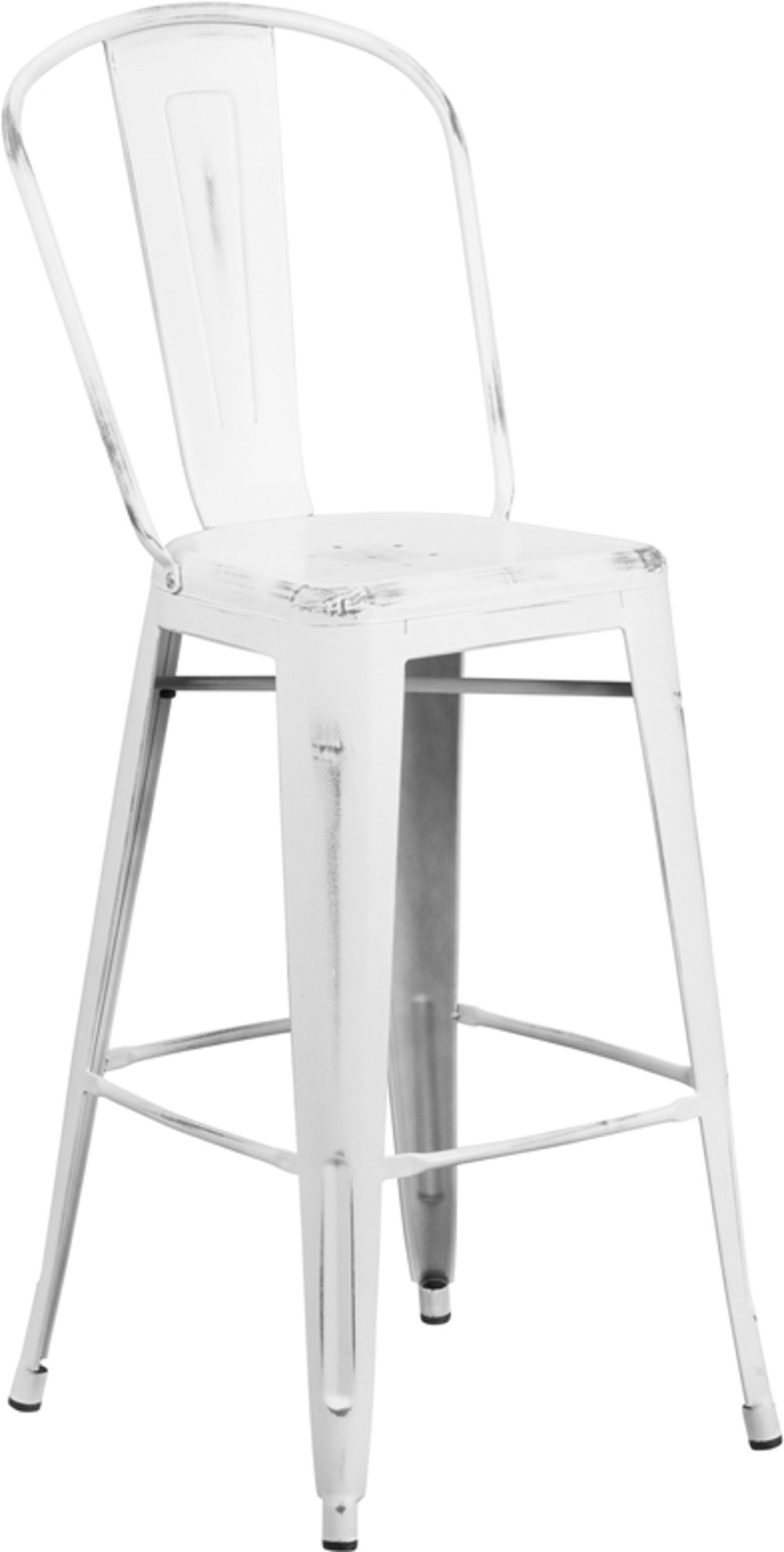
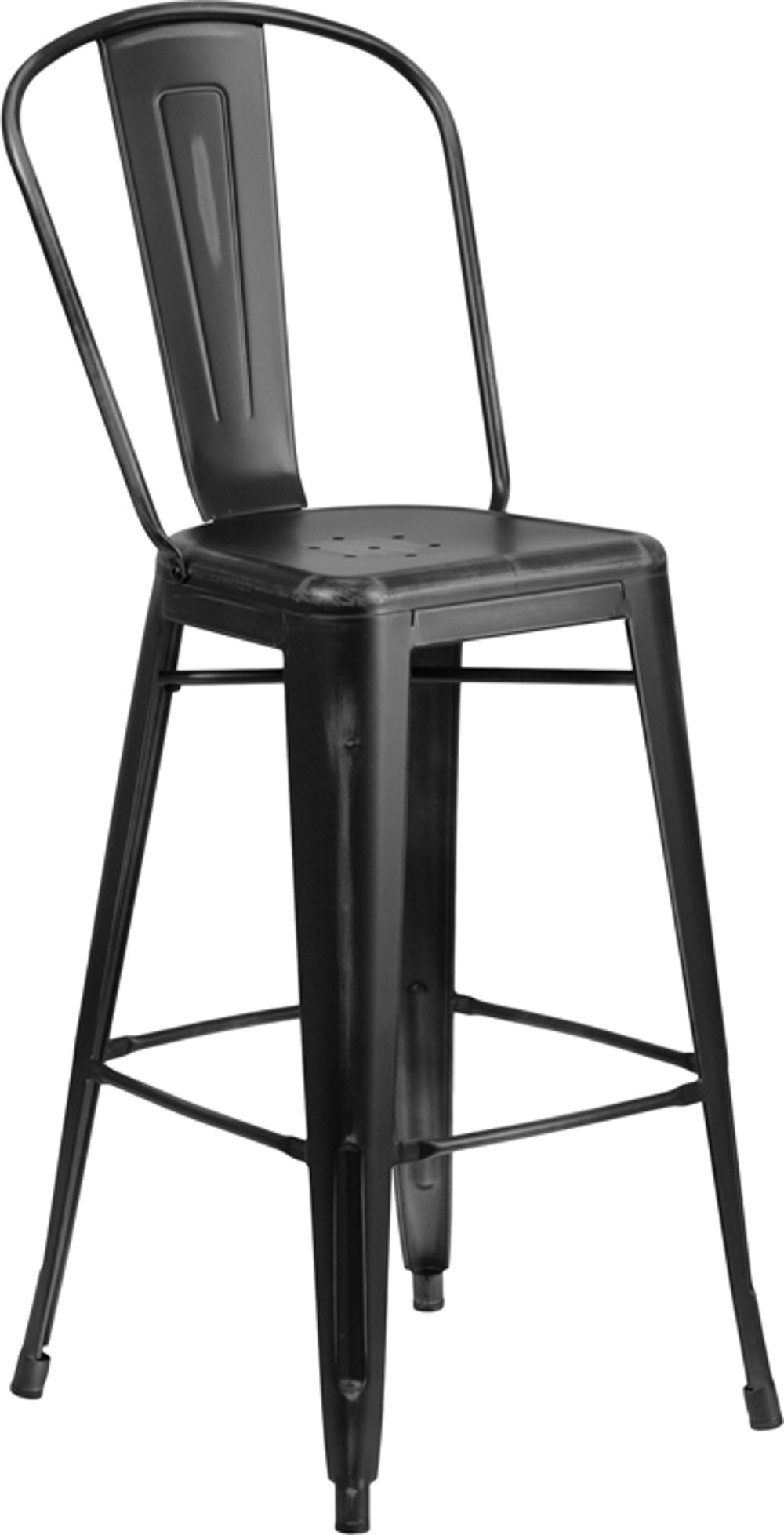
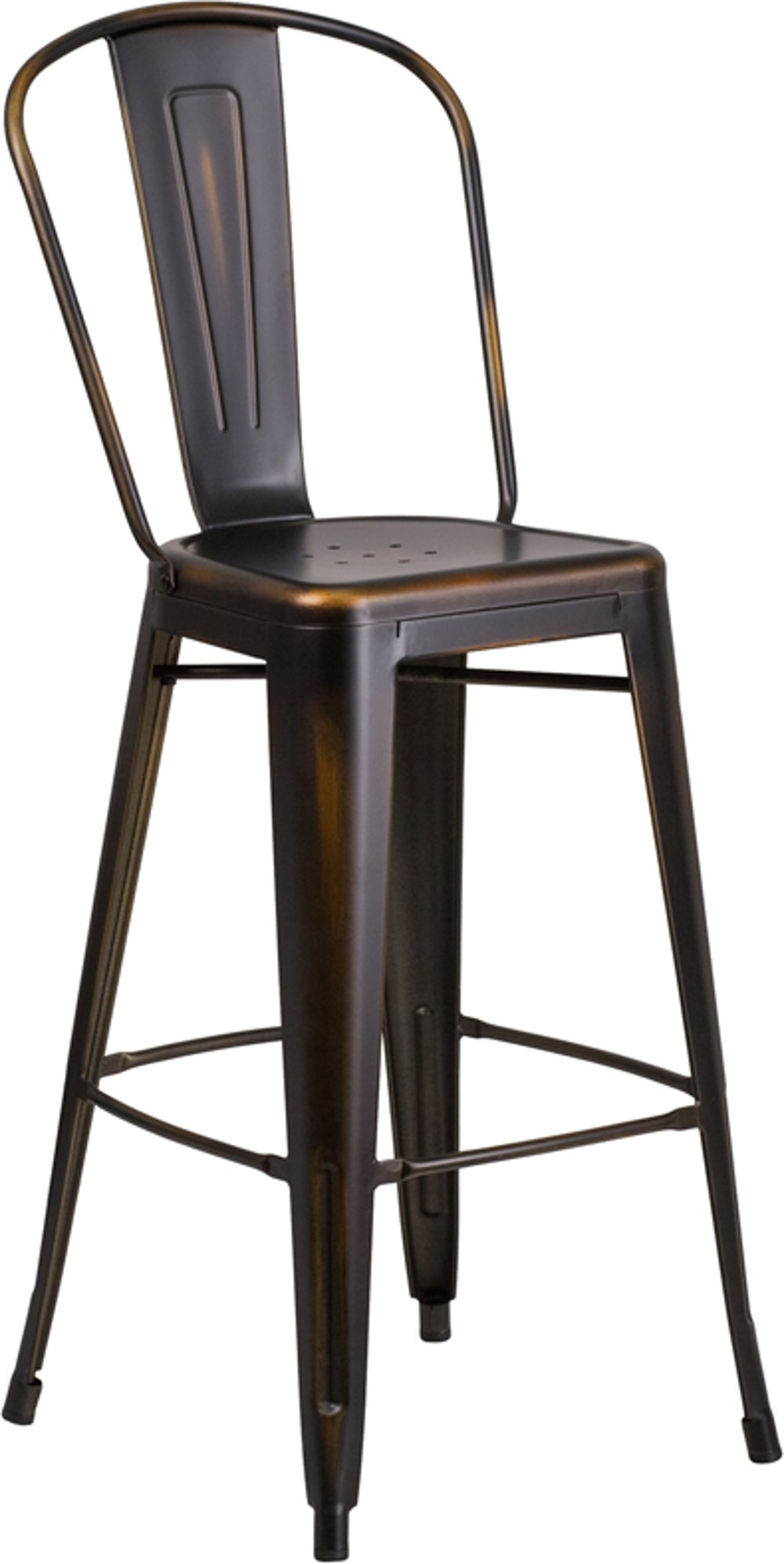
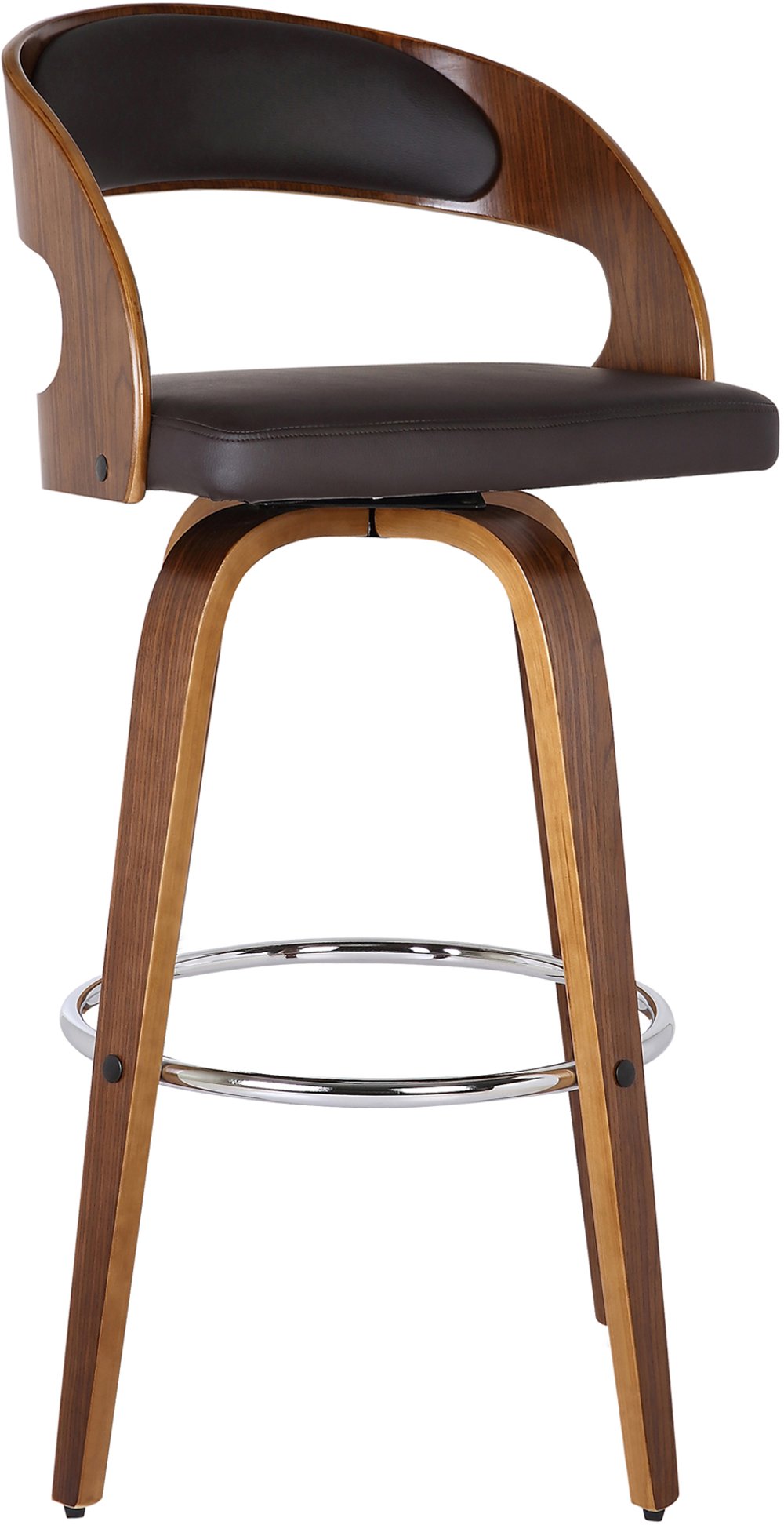
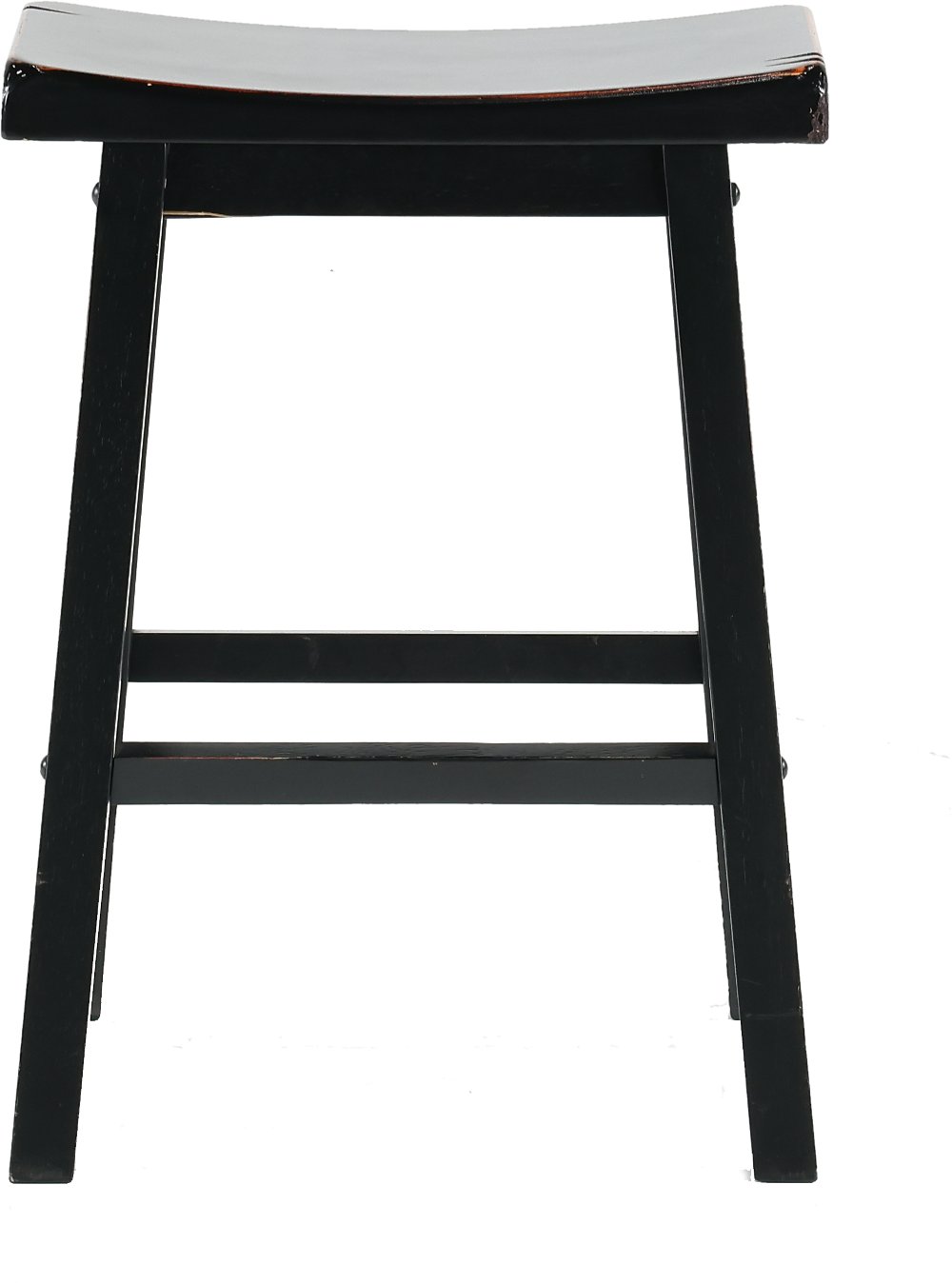
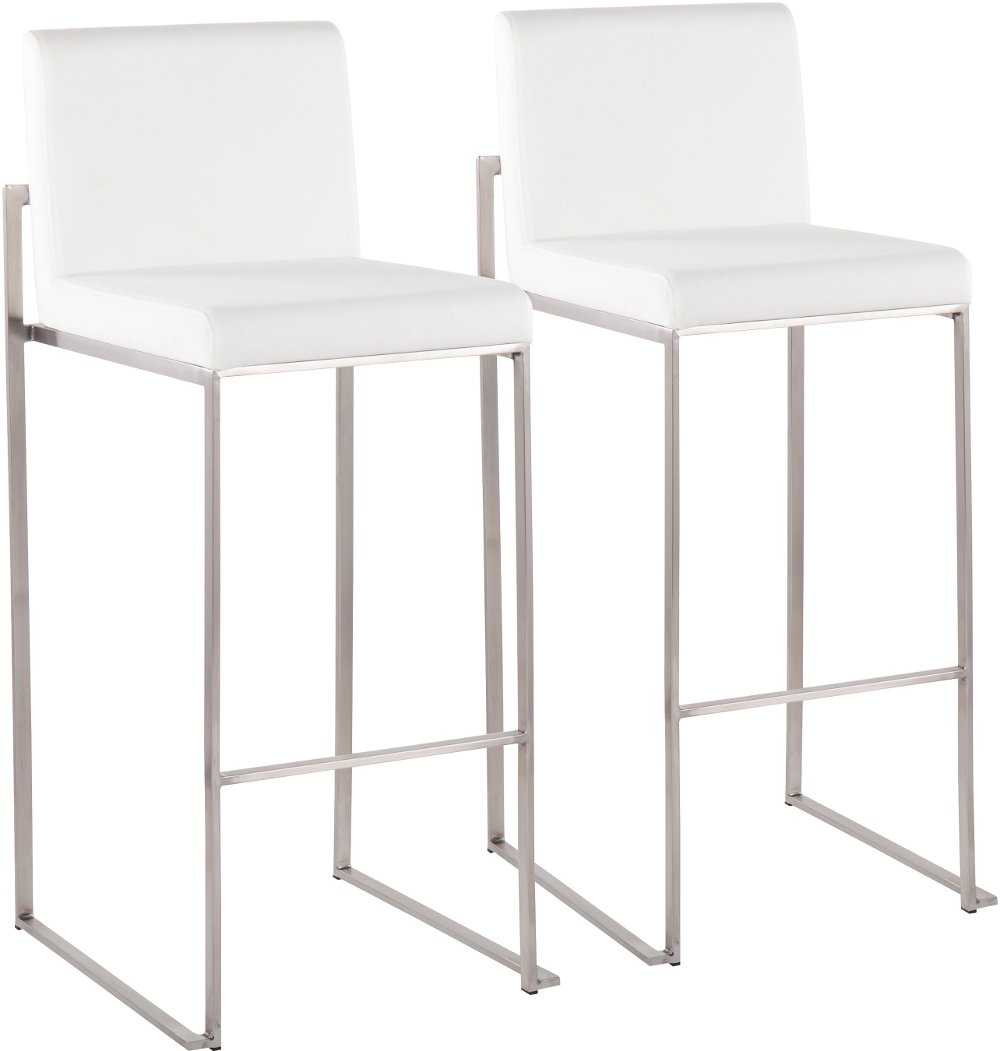
High back adjustable bar stools bring a more supportive seat to the places where everyday life tends to gather: a kitchen island, a breakfast counter, or a home bar with room for conversation. Their defining features are a taller backrest and a seat-height adjustment mechanism, often a pneumatic gas lift operated by a lever beneath the seat. Many designs offer seat heights somewhere around 24 to 33 inches, though the actual range varies by model and should match the surface where the stool will sit. That flexibility makes adjustable-height bar stools useful in homes with different counter heights or for anyone who appreciates small changes in seating position. A high backrest gives you more surface to lean against than a low-back or backless design, while its shape, angle, and cushioning determine how supportive it feels. Contoured backs may offer support around the lower back, but a tall back alone doesn’t guarantee a comfortable fit. Seat depth matters just as much: a seat should support your thighs without pressing into the backs of your knees when you sit against the backrest. For a quick breakfast, a firm, lightly padded seat may feel just right; for a leisurely dinner or a puzzle spread across the island, a cushioned seat and a comfortably angled back can make lingering more pleasant. A swivel feature, when included, lets you turn toward someone in the living room without dragging the base across the floor. Some stools rotate a full 360 degrees, while others have a limited swivel range or return mechanism. Integrated footrests give your feet somewhere to rest when the seat is raised, helping you avoid the discomfort of dangling legs. The footrest’s position deserves attention, especially if people of different heights will share the stools. Together, these details give high back adjustable bar stools their appeal: flexible seating that feels like a natural part of meals, conversation, and the occasional laptop session.
A good fit starts with the relationship between the seat, the countertop, and the space around both. Standard kitchen counters are typically about 36 inches tall, while bar-height surfaces are often around 40 to 42 inches. As a general starting point, allow roughly 10 to 12 inches between the top of the seat and the underside of the counter or bar, then account for thick countertops, support brackets, or aprons that reduce knee room. An adjustable stool may accommodate counter-height and bar-height seating, but not every adjustment range reaches both comfortably. Seat-height measurements refer to the seat rather than the top of the backrest, an important distinction when comparing overall dimensions. The counter overhang also affects comfort; even a well-proportioned stool can feel cramped if your knees meet cabinetry before you can pull close enough to eat. Along the counter, about 26 to 30 inches from the center of one stool to the next is a useful starting point, with wider seats and arms often needing more room. Picture two people seated side by side with plates, glasses, and elbows in motion rather than judging spacing by empty stools alone. Behind the seats, leave enough clearance for someone to get up and for others to pass without squeezing. High backs remain visually present even when stools tuck beneath an island, so their height and outline become part of the room’s view. Slim frames keep that view more open, while broad upholstered backs create a stronger dining-area presence. Arms offer a resting place but may prevent a stool from sliding beneath the counter, especially at a raised setting. Pedestal bases offer a streamlined footprint, while adjustable designs with multiple legs have a different stance and silhouette. Either way, base dimensions, floor contact, and the stated weight capacity matter more than appearance alone. Stools should sit on a level surface, and any adjustment, swivel, or locking feature should be used according to the manufacturer’s directions. For households with young children, a swivel seat and lift lever deserve extra consideration because moving parts can invite play.
Materials shape both the look of high back adjustable bar stools and how easily they fit into your routine. Wood backs and wood accents add grain and warmth, pairing naturally with cabinetry, open shelving, or a nearby dining table. Bentwood forms can create a curved silhouette without the visual bulk of thick upholstery, while painted or stained finishes offer different levels of contrast against an island. Metal frames and bases lend a clean, tailored look, whether the finish is polished, brushed, or matte. The durability of any stool depends on its construction, joints, hardware, finish, and intended use—not simply whether its frame is metal or wood. Upholstery adds another layer of texture and comfort. Woven fabric can soften the look of a room, velvet brings a distinctive sheen, and leather or synthetic leather provides a smoother surface. Each has different care needs: genuine leather may require an approved conditioner, synthetic leather can be damaged by harsh cleaners, and fabric should be cleaned according to its upholstery care code. For more seating centered on cushioned backs and fabric or leather finishes, upholstered high back bar stools offer a related style to consider, with seat height and adjustment features checked separately. In a busy breakfast spot, seams, tufting, and channels can collect crumbs, making a simpler surface easier to maintain. Blot spills promptly, use only recommended cleaning products, and test an approved cleaner in an inconspicuous area before treating a visible spot. Wipe frames and bases as directed, keep grit away from floor-contact points, and check accessible fasteners periodically if the care instructions call for it. Floor protectors should suit both the base design and your flooring without compromising stability. For everyday meals and frequent guests, prioritize comfortable proportions and easy upkeep; for a home bar used mainly for conversation, a wraparound back or distinctive upholstery may carry more weight in the decision. Unless a stool is specifically rated for outdoor use, keep it indoors. The most satisfying choice balances a supportive back, a useful height range, and materials that suit the way your household actually lives.
Read More