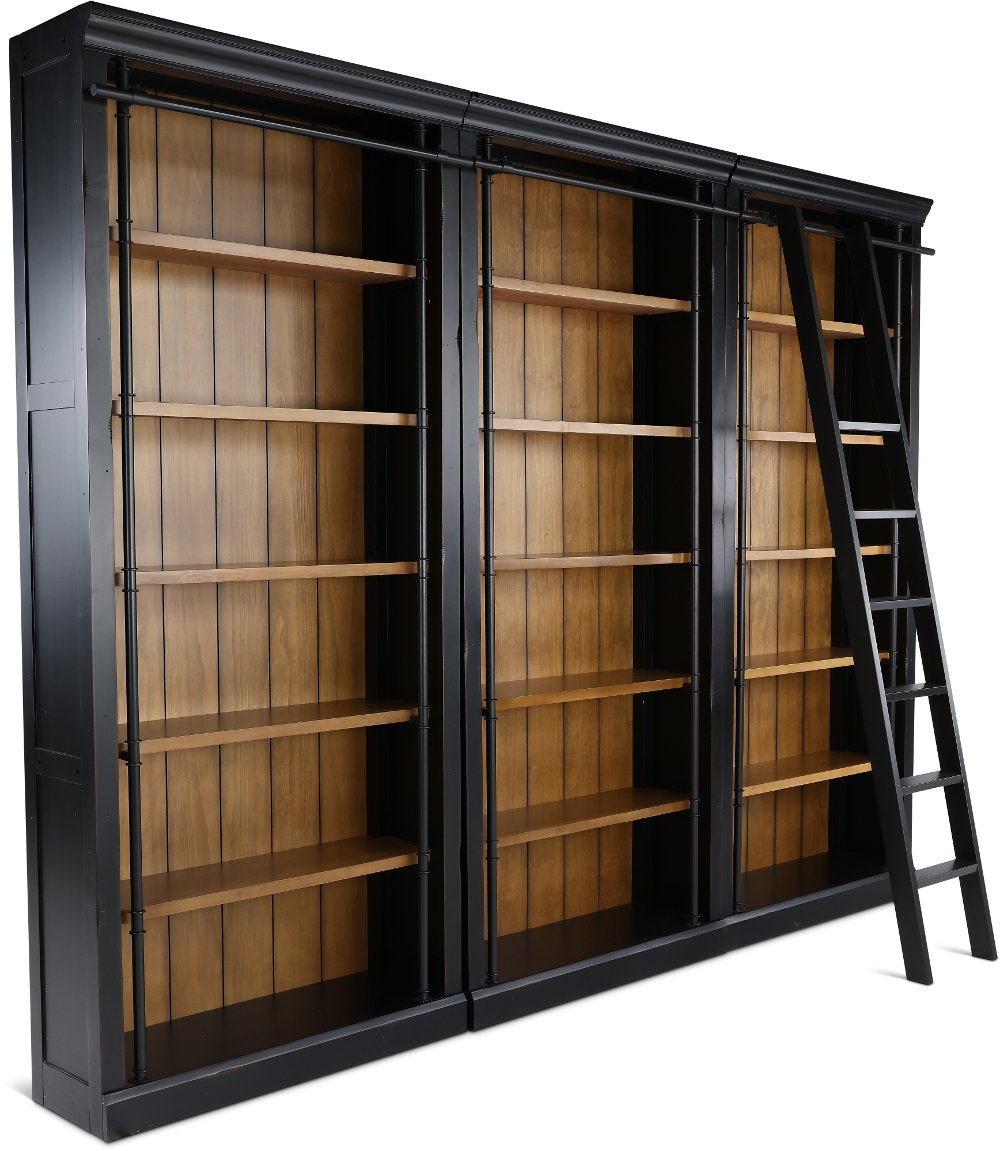
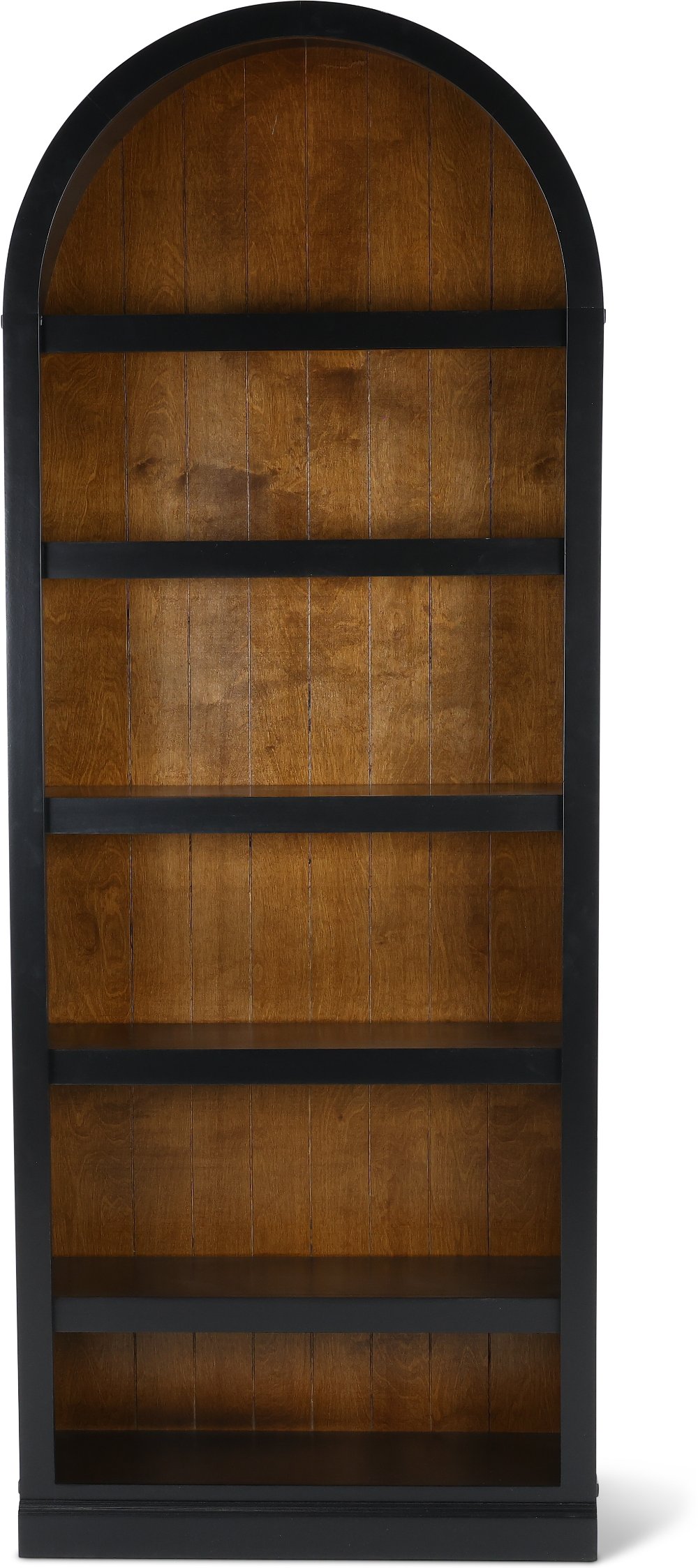
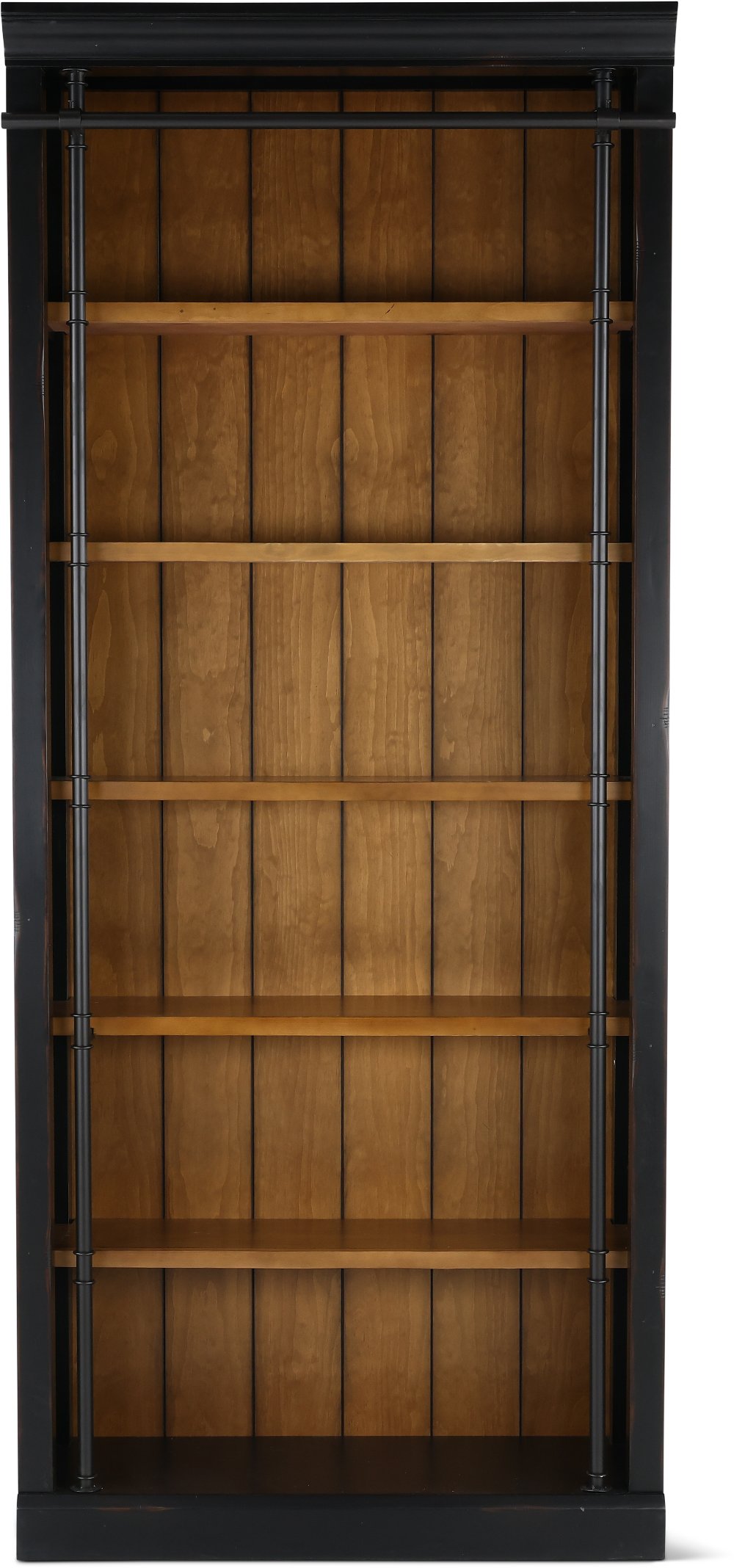
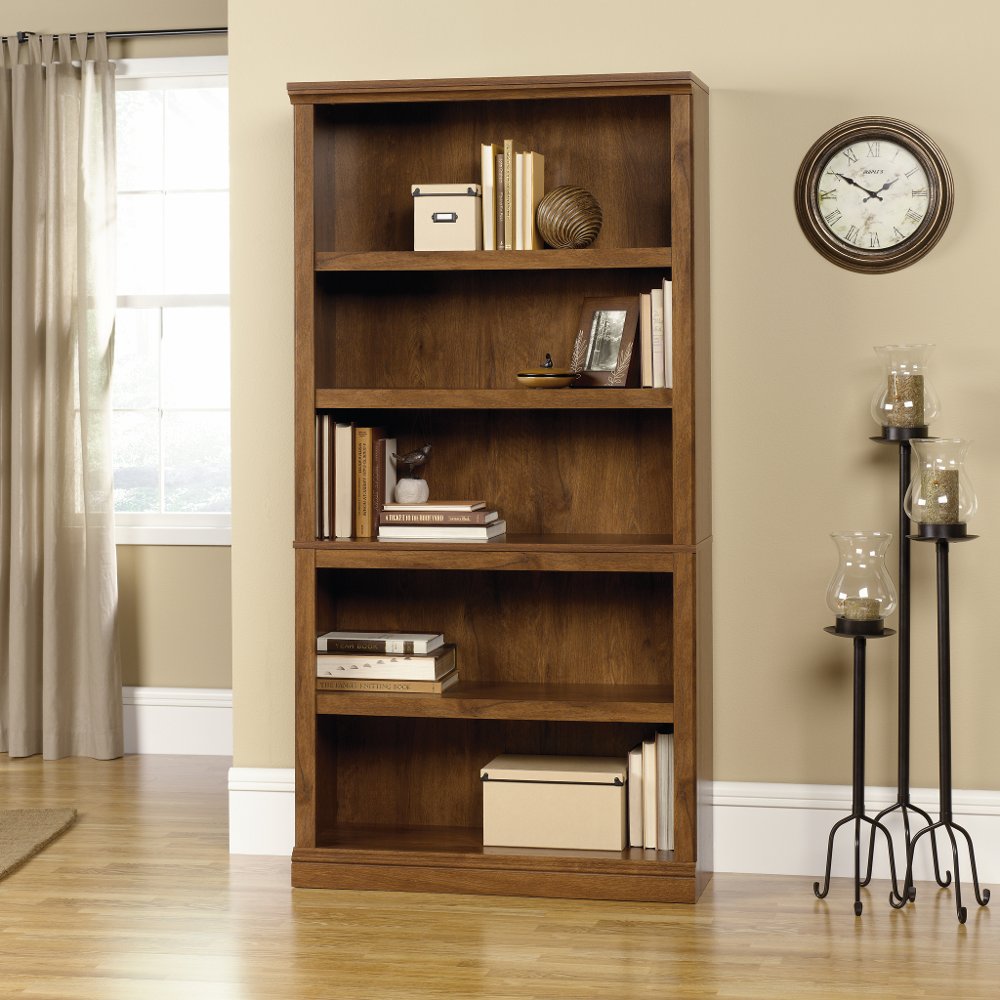
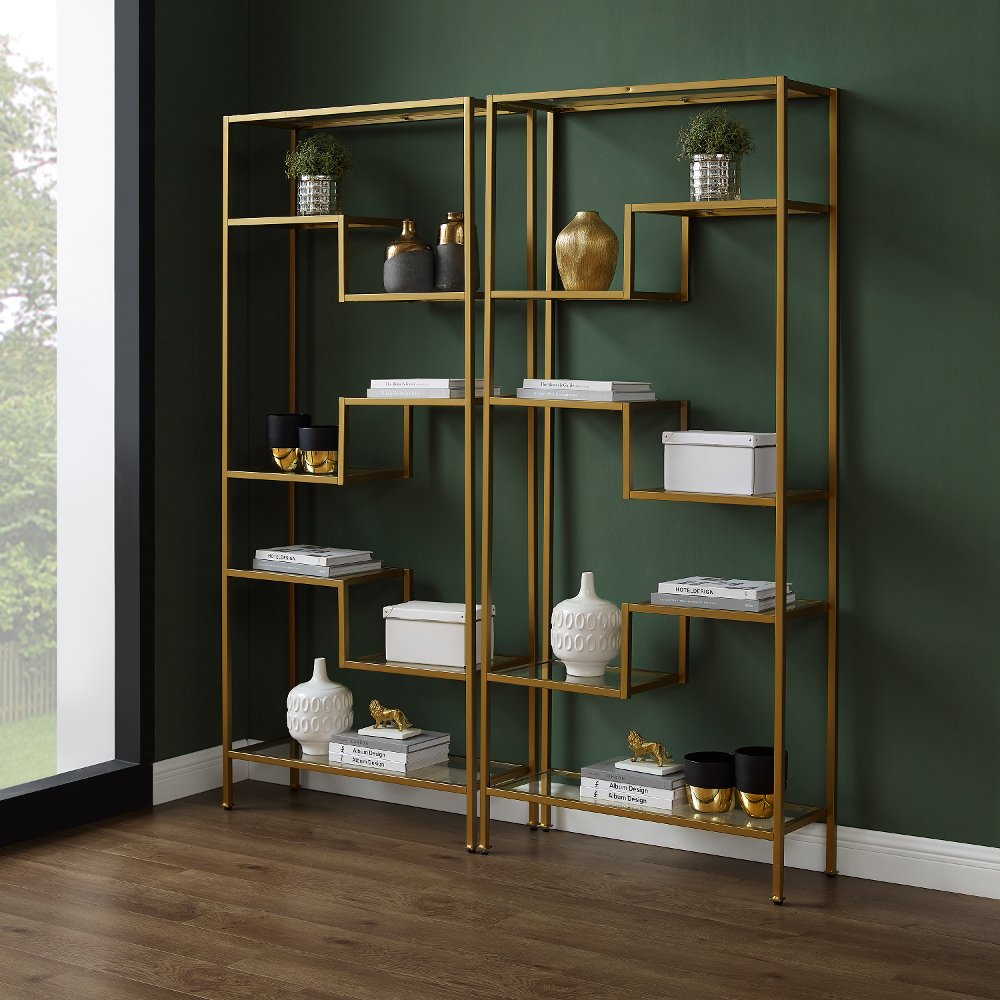
Adjustable shelving is a storage feature that lets you change the space between shelves to accommodate objects of different heights. Unlike fixed shelves, which stay in one position, adjustable shelves typically rest on movable pins, clips, brackets, or tracks. That flexibility makes furniture with adjustable shelving useful throughout the home, from a bookcase holding oversized art books to a dining cabinet with room for both everyday plates and a tall serving pitcher. The benefit is simple: your storage can adapt when the things you keep change. A shelf that holds small baskets today may need to make room for photo albums, board games, or taller cookware later. In a living room, adjustable shelf heights help balance practical storage with display space, giving framed photos and pottery enough breathing room without leaving a large gap above every row of books. In a home office, closer spacing can keep notebooks and reference materials organized, while a taller opening accommodates upright folders. Behind cabinet doors, adjustable shelving keeps useful objects accessible without putting everything on display. Open shelving offers a different advantage: you can see what belongs where at a glance. Households with changing routines often appreciate this versatility, whether someone is setting up a first apartment, making space for a shared workspace, or reorganizing after a move. During the cooler months, a cabinet that usually holds everyday dishes can also accommodate larger serving pieces used for gatherings. The adjustment mechanism matters as much as the look. Closely spaced mounting positions allow smaller changes in shelf height, while wider intervals offer fewer possible arrangements. Some shelves lift off their supports easily; others use retaining clips or hardware that must be released first. A well-suited design combines the appearance you want with an adjustment system you can use comfortably, so rearranging the contents doesn’t turn into a bigger project than expected.
Materials influence how adjustable shelving looks, feels, and performs over time. Solid wood brings natural grain and character, while wood veneer provides a real wood surface over a supporting core. Engineered wood can offer a smooth, consistent appearance, often finished with veneer, laminate, or another protective surface. These categories alone don’t determine strength; shelf thickness, span, construction, and support placement all affect how much a shelf can carry. Metal shelving can suit utility spaces or furniture with an industrial look, though its capacity still depends on the complete design. Glass shelves create a lighter visual effect in display cabinets and allow light to pass between levels. They’re especially useful when the goal is to showcase decorative objects rather than conceal everyday supplies, but their edges and surfaces need careful handling. For any material, the manufacturer’s stated weight limits are more useful than judging strength by appearance. A long shelf filled with hardcover books faces a different demand than one holding a few small picture frames. Evenly distributed weight helps, but it doesn’t increase the shelf’s rated capacity. Supports should match the furniture’s specifications, sit securely in their mounting points, and remain level across each shelf. Shelf liners, baskets, and bins can make storage easier to maintain, provided they fit without crowding the opening or interfering with doors. Care also varies by finish. A soft cloth and a manufacturer-approved cleaning method help protect surfaces; spills should be wiped up promptly, especially around seams and exposed edges. Wood and engineered wood benefit from protection against prolonged moisture and direct heat. Glass may show fingerprints more readily, while some metal finishes can scratch if rough objects slide across them. Emptying a shelf before repositioning it protects both the shelf and its supports. Occasional checks for loose hardware, damaged mounting holes, or visible bowing help keep the furniture ready for everyday use.
The right fit involves more than the width of the furniture against a wall. Exterior dimensions determine whether a shelving unit or cabinet works in the room, while usable interior width, depth, and height determine whether your belongings fit inside it. A deep cabinet may hold generous serving bowls yet make smaller objects harder to reach at the back. A shallow bookcase can work well along a narrow wall, but oversized books may extend beyond its edges. Door hinges, center dividers, shelf supports, and face frames can also reduce the usable opening. For enclosed storage, there needs to be enough clearance to lift objects out, not just slide them into place. A stand mixer, for example, requires more practical handling room than a stack of folded table linens. Furniture intended for electronics needs appropriate ventilation and cord access; adjustable shelves alone don’t make an enclosed cabinet suitable for heat-producing equipment. Similarly, shelving used in a laundry area, bathroom, or garage should have materials and finishes suited to the expected moisture and temperature conditions. Adjustability and removability are related but distinct features. An adjustable shelf changes position, while a removable shelf can be taken out entirely to create a larger opening; some designs offer both functions. Furniture with Removable Shelves may be worth considering when occasional tall-object storage matters, as long as the manufacturer permits removal and the shelf isn’t a structural component. For daily convenience, frequently used belongings are easiest to manage within comfortable reach, with heavier objects generally placed lower. Tall furniture should be anchored according to its instructions, and shelves should never serve as climbing steps. These details matter in homes with children or pets, as well as busy shared spaces. Whether the goal is a tidy dining room, a more useful office, or a display that changes with your interests, adjustable shelving gives familiar belongings a place that fits without requiring every object to be the same size.
Read More