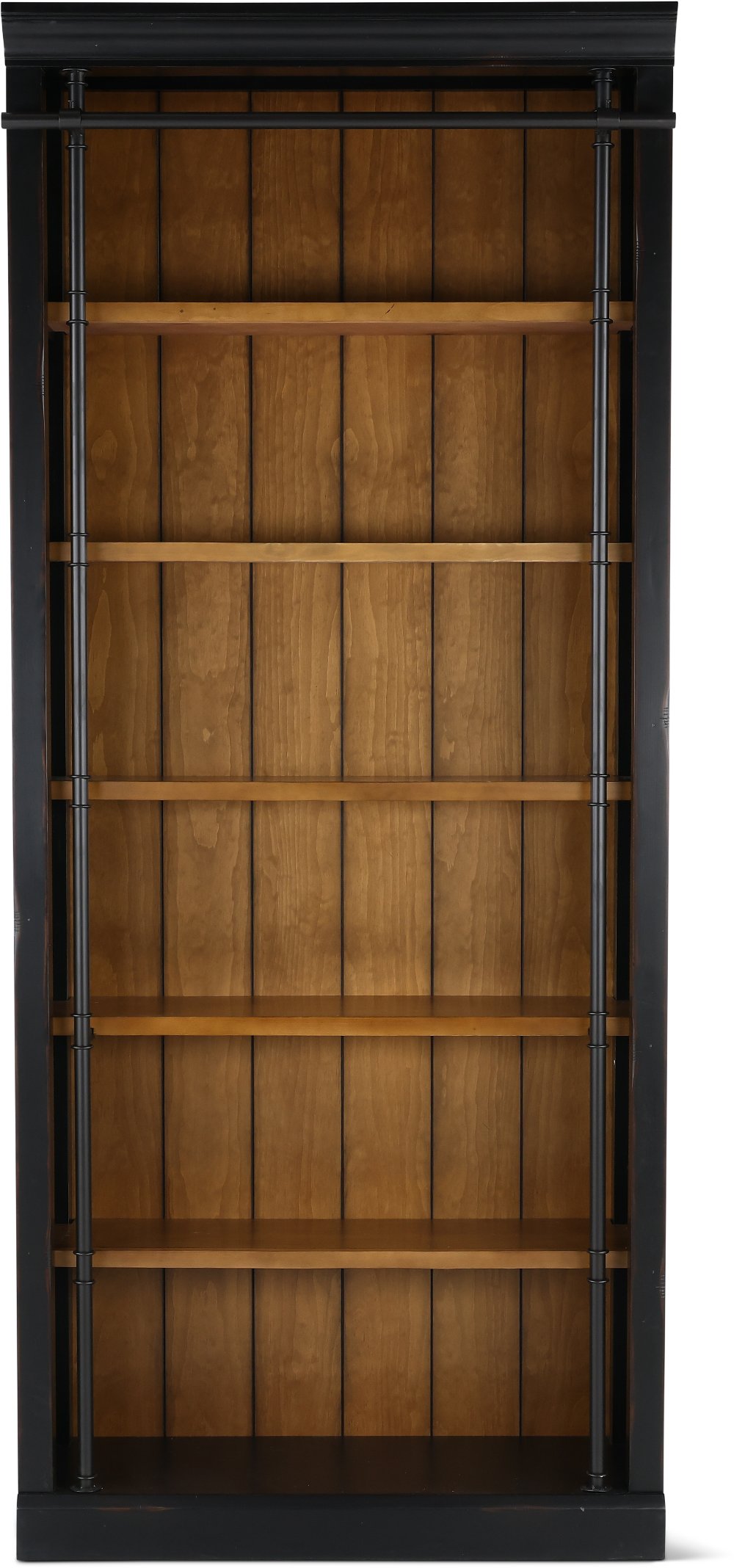
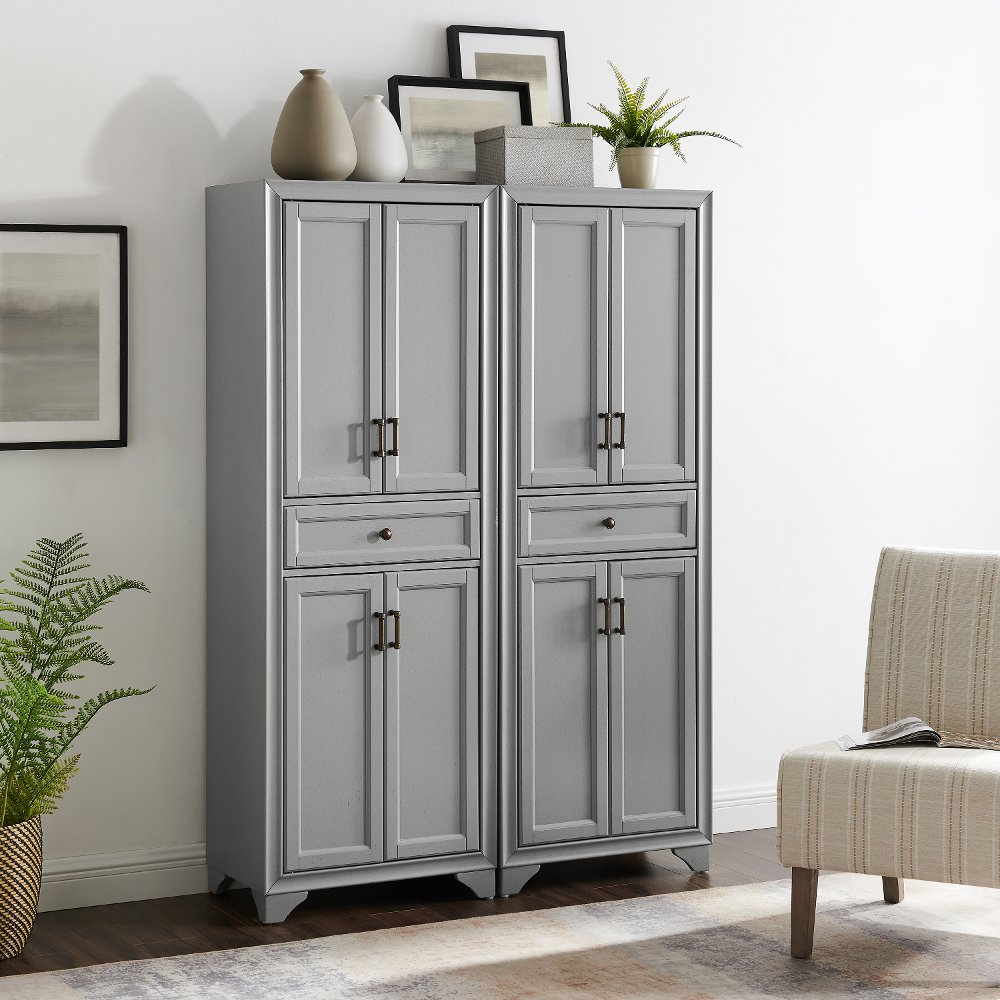
Adjustable shelf cabinets give you enclosed storage with shelf heights that can change to fit what you keep inside. Unlike cabinets with only fixed shelves, these designs let you make room for tall serving pitchers, short stacks of plates, upright binders, or baskets of everyday essentials without leaving the same amount of space above everything. Most adjustable shelves rest on small metal or plastic shelf pins that fit into rows of holes along the cabinet’s interior sides. Other designs use vertical metal tracks, sometimes called pilaster tracks, with clips or brackets that support shelves at different heights. The spacing between those support positions determines how closely you can tailor each opening to your belongings. Some cabinets combine adjustable shelves with fixed shelves that help support the cabinet’s structure, so the number of movable shelves matters as much as the total shelf count. That flexibility makes adjustable shelf storage cabinets useful throughout the home. In a dining room, a cabinet can keep platters, folded table linens, and glassware together, with a taller section reserved for a vase or beverage dispenser. In a home office, shelves can accommodate reference books and document boxes while doors keep paper supplies out of view. A living room cabinet gives board games, photo albums, and charging accessories a place to land without making them part of the room’s display. For households sharing space, separate shelf levels can give each person an easy-to-find spot for hobbies or daily necessities. Adjustable interiors are also helpful when the purpose of a room changes: storage that once held craft supplies may later hold work materials or guest linens. Doors create a calmer appearance, but the interior remains easy to personalize. If displaying books and decorative objects is a bigger priority than concealed storage, Bookcases With Adjustable Shelves offer a related way to vary shelf spacing while keeping favorite pieces visible.
Materials and construction influence how an adjustable shelf cabinet looks, feels, and holds up to daily use. Solid wood brings natural grain and variation, while wood veneer adds a real wood surface over a supporting core. Engineered wood, including MDF and particleboard, is also common in storage furniture and may have a painted, laminated, or veneered finish. These material names alone don’t determine durability; shelf thickness, cabinet construction, edge protection, hardware, and the intended load all play a part. A smooth laminate surface can be practical for frequent handling, although seams and exposed edges still need protection from standing moisture. Painted finishes offer a clean, consistent appearance, while visible wood grain can add warmth beside upholstered seating or a dining table. Metal cabinets are another option for utility-oriented spaces, but metal construction doesn’t automatically mean a cabinet is rated for heavy tools or garage conditions. The manufacturer’s stated use and weight limits provide a better measure of suitability. Shelf capacity deserves particular attention when storing dishes, large books, or small appliances. An adjustable shelf’s load rating applies to the shelf and its support system, and ratings may assume weight is distributed evenly rather than concentrated in one spot. Wider shelf spans can be more susceptible to sagging under sustained weight, especially when loaded beyond their stated capacity. Adjustable shelves also aren’t necessarily removable without limits, and fixed structural shelves should remain in place. For a cabinet that will see frequent use, secure shelf supports, neatly finished edges, and doors that open smoothly are worth noticing. Glass-front doors suit collections you want to see while offering some protection from dust; solid doors keep mismatched containers and practical supplies out of sight. Open sections can provide a convenient landing place for frequently reached-for belongings. The best combination depends on whether the cabinet’s main job is displaying, concealing, organizing, or handling a little of each.
A good fit includes both the space a cabinet occupies and the usable room behind its doors. Exterior width, depth, and height help establish where it can stand, but interior dimensions determine whether a serving tray, storage bin, or office binder will actually fit. Door frames, hinges, center dividers, and shelf supports may narrow the opening, so a cabinet’s overall depth isn’t the same as its usable shelf depth. In a narrow hallway or compact dining area, door swing matters, too: there should be enough clearance to open the cabinet comfortably without blocking a walkway or bumping nearby furniture. Tall cabinets make use of vertical space, while lower cabinets can sit more quietly alongside other furnishings and keep everyday contents within comfortable reach. Placement should also match the cabinet’s intended environment. A cabinet suitable for a living room isn’t necessarily designed for a damp bathroom, an unconditioned garage, or outdoor use. Household needs help shape the interior arrangement. Someone who enjoys entertaining may prefer closely spaced shelves for dishes with one generous opening for taller serving pieces. A crafter may need room for labeled bins, while a person working from home may value upright file storage and a separate shelf for stationery. Heavier belongings are generally best kept on lower shelves within the stated load limits, and tall or tip-prone furniture should be secured according to the manufacturer’s anchoring instructions, using hardware appropriate for the wall. Shelves should be emptied before repositioning, with every support fully seated at matching heights before reloading. Everyday care is usually straightforward: dust with a soft cloth, clean spills promptly, and follow the finish-specific cleaning directions. Avoid soaking surfaces or using abrasive cleaners that can damage protective finishes. Periodic checks of shelf pins, hinges, and fasteners help keep the cabinet ready for regular use. With the right dimensions, dependable construction, and room to rearrange the interior, adjustable shelf cabinets make everyday storage feel less cramped and more intentional.
Read More