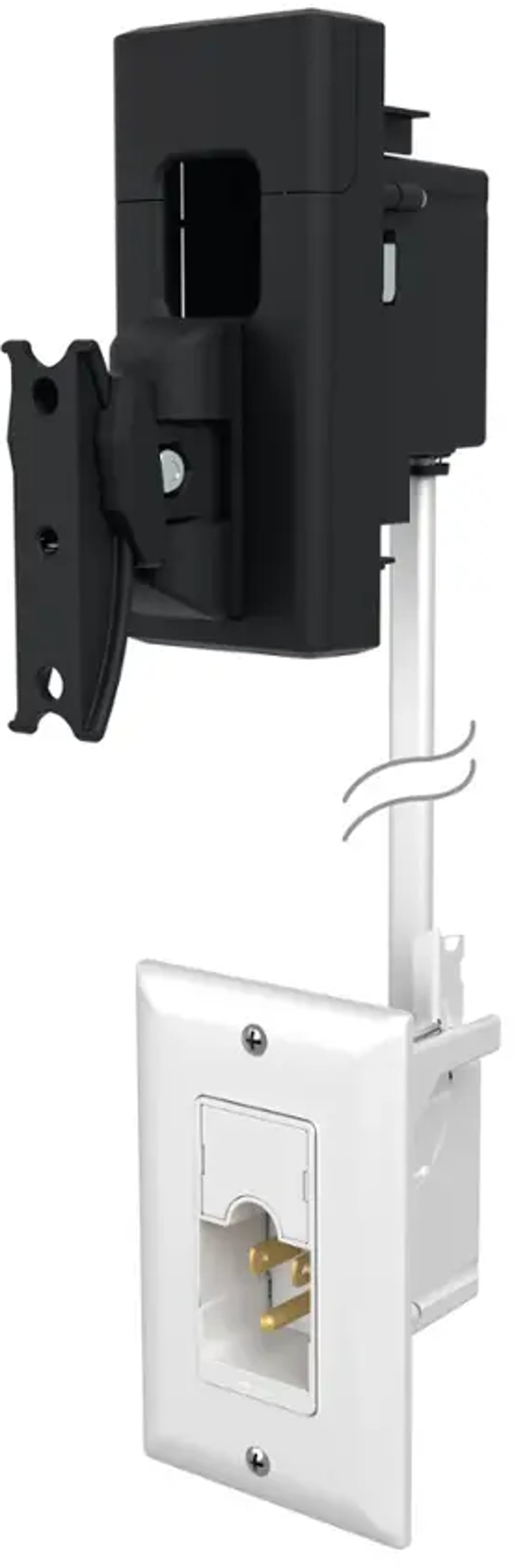
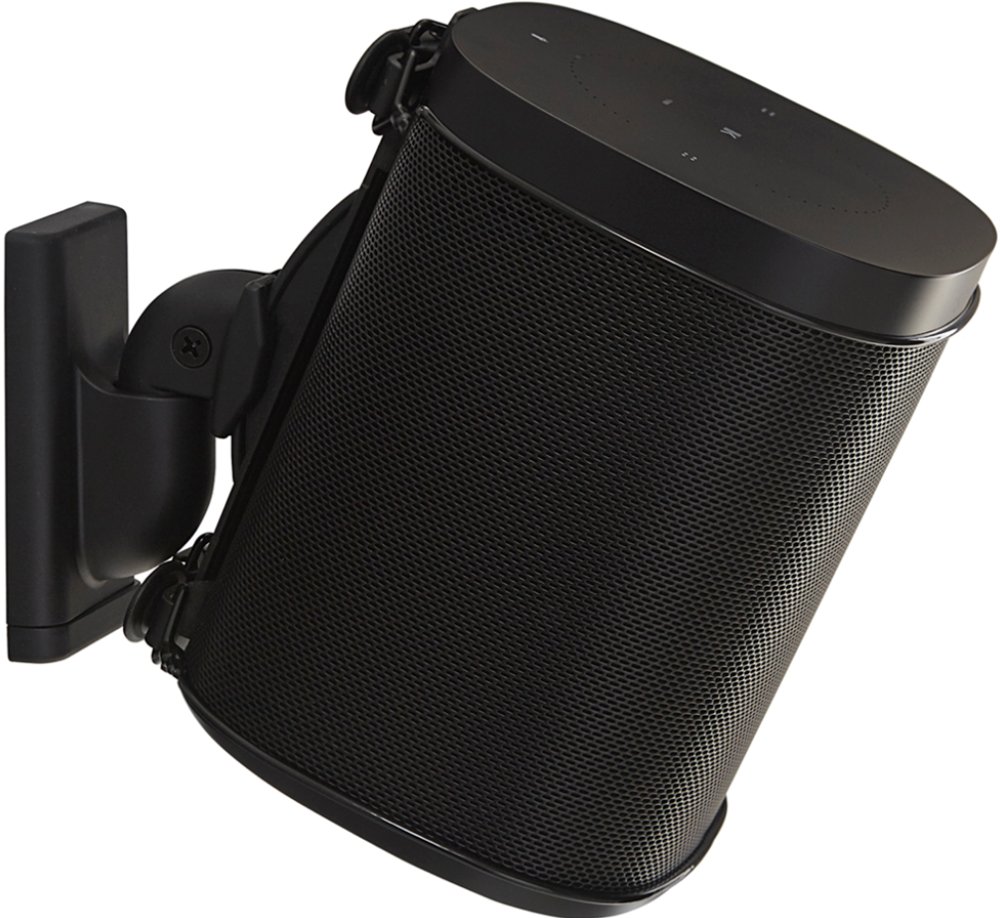
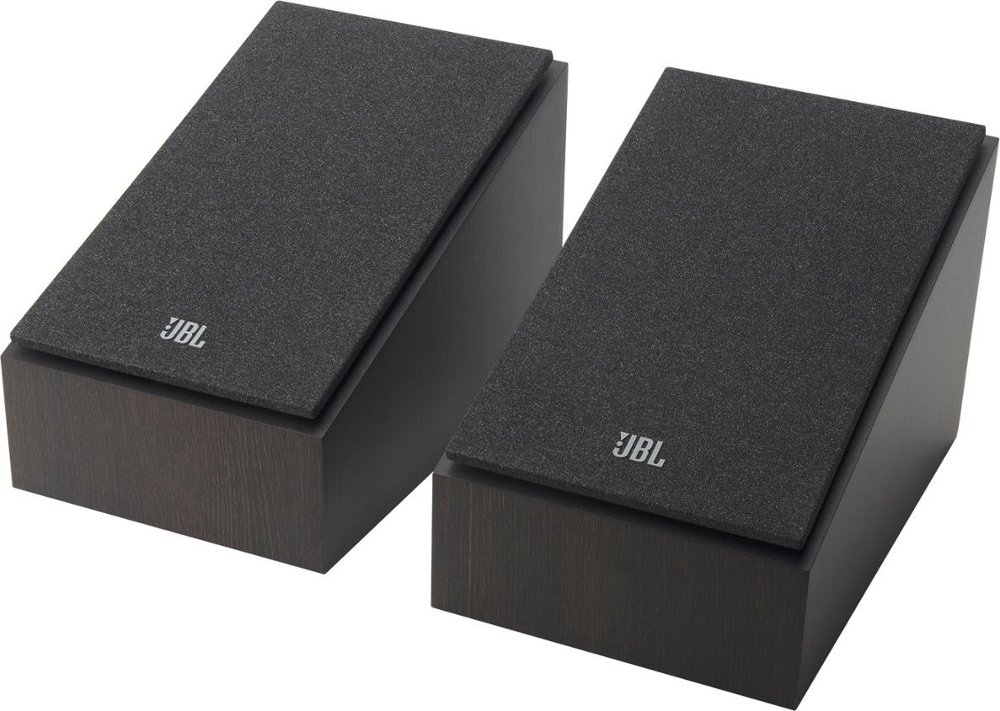
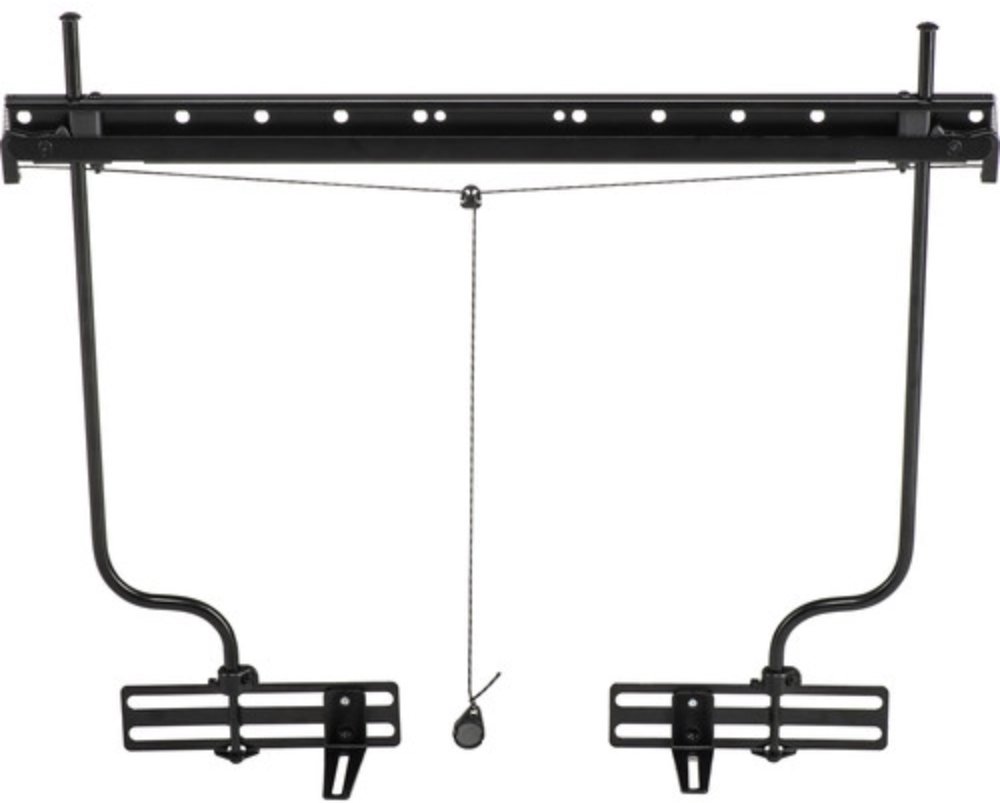
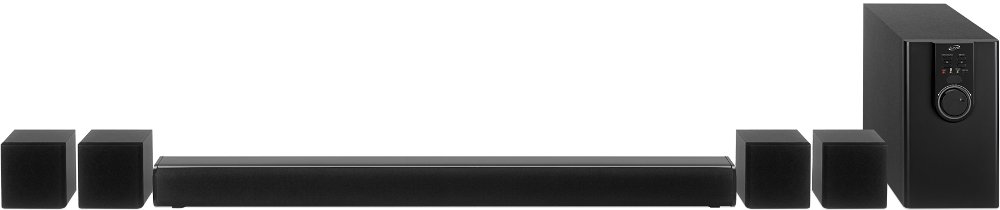
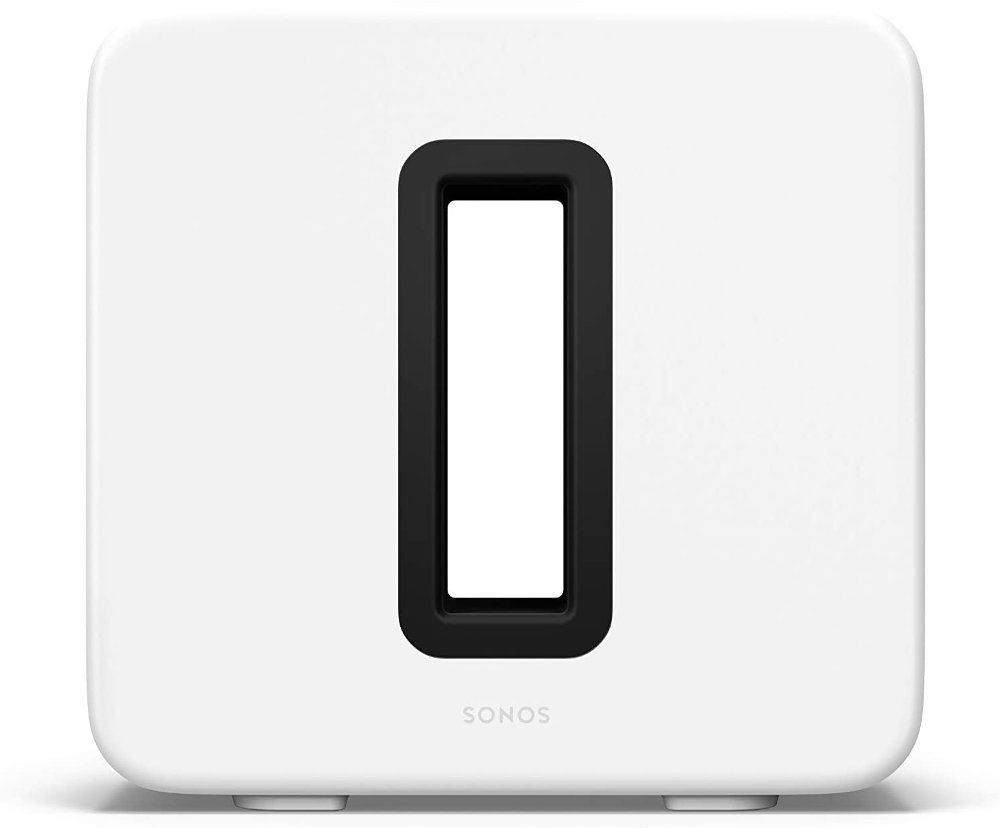
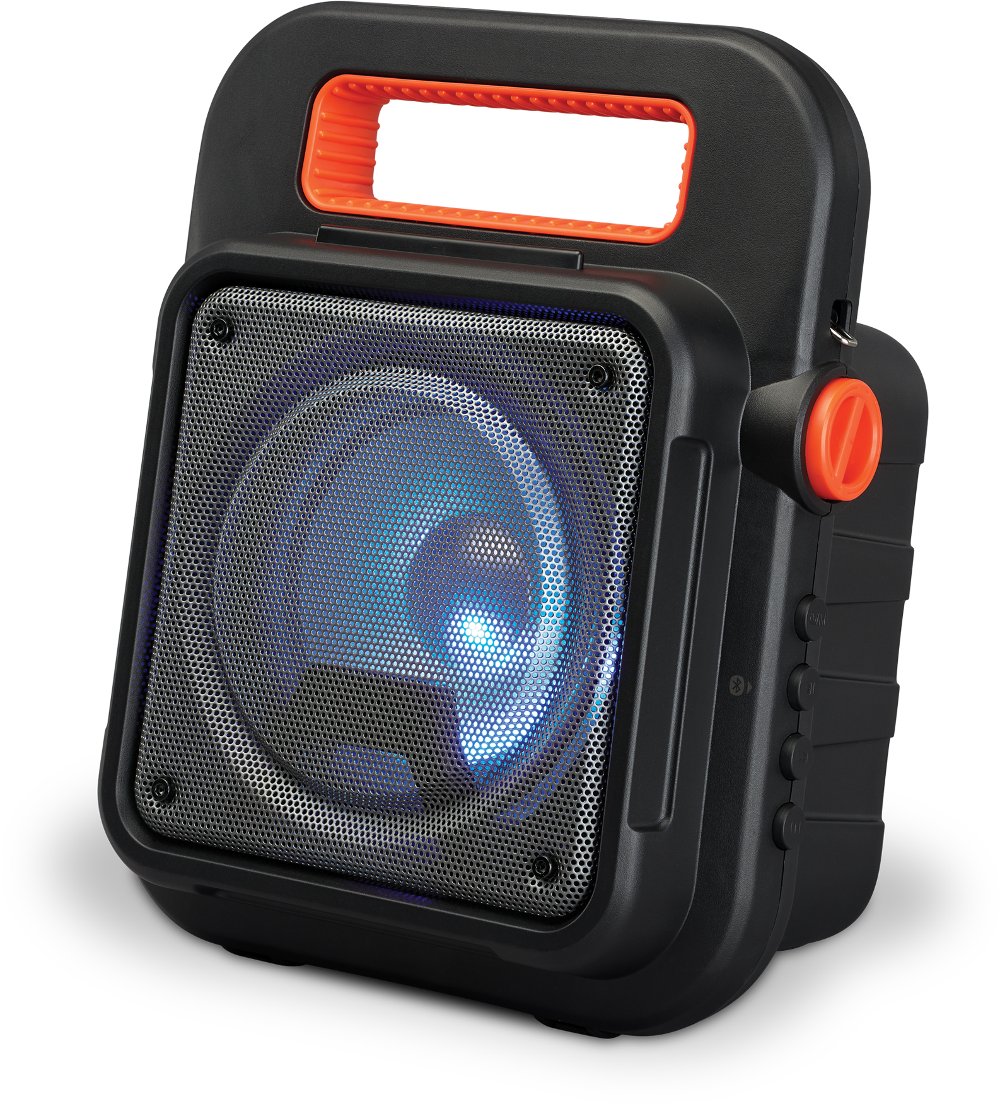
Home audio installation brings speakers, source devices, and controls together so your sound system works with your room and the way you use it. Depending on the service selected, the work may include positioning speakers, mounting compatible equipment, connecting components, managing cables, and adjusting settings for clearer, more balanced sound. For a household that watches movies together, that might mean dialogue that stays connected to the screen and surround effects that feel natural from the sofa. For someone who listens to music while cooking or relaxing, the goal may be consistent coverage without turning one corner of the room into the loudest spot in the house. Professional audio installation is especially useful when several components need to communicate, wiring needs careful routing, or a room’s layout makes speaker placement less straightforward. Exploring Sound Systems alongside installation services can help connect the listening experience you want with the setup work it requires. A simple television audio connection, a dedicated home theater, and a multiroom listening system involve different levels of planning, so the service description matters as much as the equipment itself. Existing components may also play a role, provided their connections, power requirements, and supported formats work together. Installation isn’t only for movie enthusiasts building a separate theater room. It can also suit people settling into a new home, updating a shared living space, or helping a family member make everyday entertainment easier to enjoy. In each case, the value comes from a setup that makes sense for its surroundings. Clear voices, comfortable listening levels, accessible controls, and an uncluttered appearance often matter more than filling the room with additional equipment. The right installation approach starts with those priorities rather than assuming every household needs the same arrangement. It also accounts for everyone who shares the space, including someone watching from a side chair or a family member who prefers a lower volume.
The room itself shapes an audio installation long before the first connection is made. An open living area with tall ceilings behaves differently from an enclosed den, and a sofa against the back wall creates different placement challenges than seating near the center of a room. Bare floors, large windows, and other hard surfaces reflect sound, while rugs, upholstered furniture, and curtains absorb some of those reflections. These details help explain why the same equipment can sound noticeably different in two homes. Installation planning considers the main listening position, the location of the television, nearby doorways, and the places people walk through each day. A speaker placement that looks balanced on paper may be impractical if it blocks a cabinet door or puts a cable across a busy walkway. Wall-mounted and built-in arrangements introduce additional considerations, including wall construction, mounting support, and access for wiring. Concealed wiring depends on the structure of the home and the selected service; it isn’t automatically part of every installation. Renters and residents of buildings with shared walls may need permission for drilling or permanent changes, while homeowners may want a plan that allows access for future maintenance. Connected audio systems bring network coverage into the picture, too. Wireless playback can reduce some signal cables, but powered components still need electricity, and dependable streaming relies on a suitable network connection. A multiroom setup also needs a clear plan for which spaces play together and which should have independent controls. These practical details make installation scope important: component connection, speaker mounting, concealed cable routing, network configuration, and structural work are distinct tasks. Electrical changes or other specialized work may require a separately qualified professional. A clearly defined service helps you understand what the appointment covers and where additional preparation may be necessary. It also leaves room for the details that affect a finished space, such as keeping vents clear, preserving access to outlets, and making connections reachable without moving an entire entertainment cabinet.
Once everything is connected, setup and testing help turn a collection of components into a system that feels comfortable to use. Audio calibration adjusts supported settings, such as speaker levels and timing, to account for placement and listening distance. The aim is a cohesive presentation rather than a single speaker drawing attention to itself. In a movie scene, spoken words should remain easy to follow without a sudden effect overwhelming the room; with music, vocals and instruments should feel balanced at the volume you actually enjoy. Bass deserves particular attention because walls, corners, and seating positions can make low notes sound stronger in some spots than others. Calibration helps address certain differences, although it can’t eliminate every acoustic limitation of a room. Depending on the service, testing may also cover input selection, television audio connections, streaming access, and the controls used for everyday listening. A useful handoff makes ordinary tasks understandable, whether that means starting a movie, changing sources, or playing music in a second room. That matters in a busy household where several people share the system and nobody wants a complicated routine just to hear the television. Long-term usability belongs in the installation conversation as well. Equipment needs appropriate ventilation, cables benefit from sensible routing and identification, and accessible connections make later changes less disruptive. Care should follow each component’s instructions, with cleaning methods suited to its finish and openings. Major furniture moves, a different television, or a new seating arrangement may call for another look at connections and sound settings. Repair, troubleshooting an existing fault, and installing a new system are related but separate services, so descriptions should make those boundaries clear. For your home, a successful audio installation is one that supports the experience you had in mind: an engaging movie night, music that carries naturally through a gathering, or a favorite show with voices you can follow comfortably. The strongest result combines thoughtful placement, dependable connections, and controls that fit everyday life.
Read More