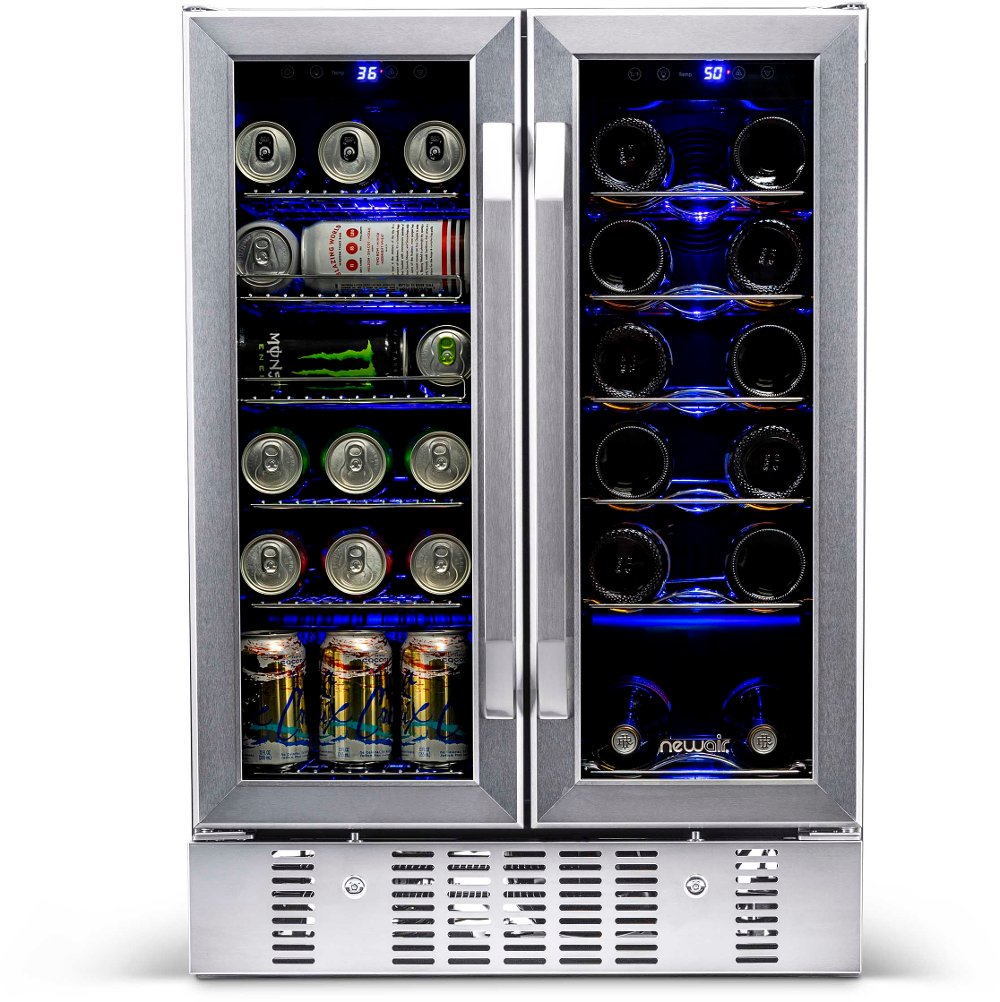
Basement refrigerators keep extra groceries, drinks, and prepared food close to the spaces where your household gathers. A refrigerator beside a downstairs family room can hold snacks for movie night, while one near a kitchenette can support everyday meals without repeated trips upstairs. In a home with a busy main kitchen, a second refrigerator creates room for meal-prep containers, extra milk, and serving trays that would otherwise crowd the shelves. The term describes the refrigerator’s location and intended use rather than a separate appliance rating, so the right choice depends on storage needs, room conditions, and the path into your basement. Full-size refrigerators suit households that regularly store larger grocery loads, while compact refrigerators can fit a snack station or a smaller recreation room. Models with freezer compartments offer space for frozen meals and ice, but that freezer capacity reduces the room available for refrigerated food. An all-refrigerator design devotes its interior to fresh food and drinks, which can be useful when a separate freezer already handles frozen storage. Beverage-focused models emphasize bottles and cans; their temperature range and intended use need to match whatever you plan to store, especially if that includes perishable food. Interior proportions matter just as much as total cubic feet. A wide shelf may accommodate a covered platter more easily than several narrow sections, and adjustable shelves make room for tall pitchers without sacrificing an entire storage level. Door bins help organize smaller containers, while drawers keep produce from getting lost behind larger packages. For a shared household, clearly separated storage areas can make everyday routines easier. For someone who entertains downstairs, accessible shelves and room for serving dishes may be more useful than specialized compartments. A refrigerator that matches those habits becomes a practical extension of the home rather than another place where food gets forgotten.
A good fit begins with the basement itself, including both the installation spot and every doorway, stairwell, and landing along the delivery route. Appliance width alone doesn’t tell the whole story: handles, door hinges, packaging, and tight turns can affect whether a refrigerator reaches its destination. At the final location, the manufacturer’s required clearances allow ventilation around the cabinet, and enough space in front lets doors open fully so shelves and drawers remain usable. A reversible door can help in a narrow kitchenette, although not every refrigerator offers that feature. Counter-depth designs may project less into a walkway, while deeper cabinets can provide more interior space; either way, the door swing deserves attention near seating, cabinets, or a stair entrance. A firm, level surface supports proper door alignment, and adjustable leveling feet can help accommodate minor floor variations within the appliance’s installation requirements. Thick carpet can interfere with support or ventilation, so the floor beneath the refrigerator needs to meet the manufacturer’s instructions. Basement conditions also affect performance. Each refrigerator has a specified operating ambient temperature range, and a location outside that range may prevent reliable cooling or freezer operation. A finished, conditioned basement and an unfinished utility area can present very different environments, even within the same home. Dampness, plumbing leaks, and standing water also make placement important; a dry location away from water exposure helps protect the appliance and its electrical connection. A properly grounded outlet that meets the model’s electrical requirements is essential, and extension cords aren’t a substitute for a suitable connection. Sound is another consideration in a multipurpose basement. Compressor operation, fans, and ice makers may be more noticeable beside a television or guest bed than in a separate storage room. Product specifications and installation instructions help clarify these details before a refrigerator becomes part of the room’s daily routine.
Materials, interior construction, and accessible controls all influence how a basement refrigerator holds up to regular use. Tempered-glass shelves provide a smooth surface for wiping up spills, while raised shelf edges on some designs help contain small leaks before they spread. Wire shelves offer a different storage surface, but small containers may need more careful placement. Sturdy door bins and drawers that move smoothly are worth considering when the refrigerator will handle frequent snack runs or heavy beverage containers. Exterior finishes contribute to the room’s appearance as well as its care routine. Painted surfaces offer a straightforward look, while stainless steel and fingerprint-resistant finishes each have their own cleaning requirements. A finish described as fingerprint-resistant still benefits from regular wiping, and manufacturer-approved cleaning methods help protect coatings from scratches or discoloration. If familiar styling suits your downstairs space, explore Classic Refrigerators alongside the storage features and dimensions that matter most to your household. Inside, bright lighting makes it easier to see food at the back of a shelf, and easy-to-read controls simplify adjustments. An appliance thermometer can confirm that the refrigerator stays at 40°F or below for perishable food; a freezer used for frozen food storage should stay at 0°F. Keeping air vents clear and avoiding tightly packed shelves helps cold air circulate. Regularly wiping door gaskets removes crumbs and sticky residue that can interfere with a good seal, while cleaning accessible condenser areas according to the owner’s manual supports ongoing performance. Manual-defrost compartments need periodic defrosting as directed, whereas automatic-defrost designs handle that task differently. Energy use also deserves attention for an appliance that runs continuously, and the EnergyGuide label provides a consistent way to compare estimated annual electricity consumption. With suitable placement, useful storage, and manageable care requirements, a basement refrigerator can make downstairs living more convenient without adding unnecessary complexity to the day.
Read More