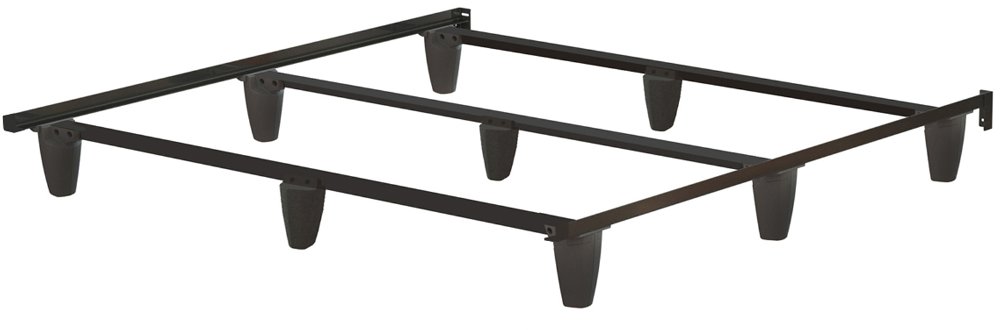
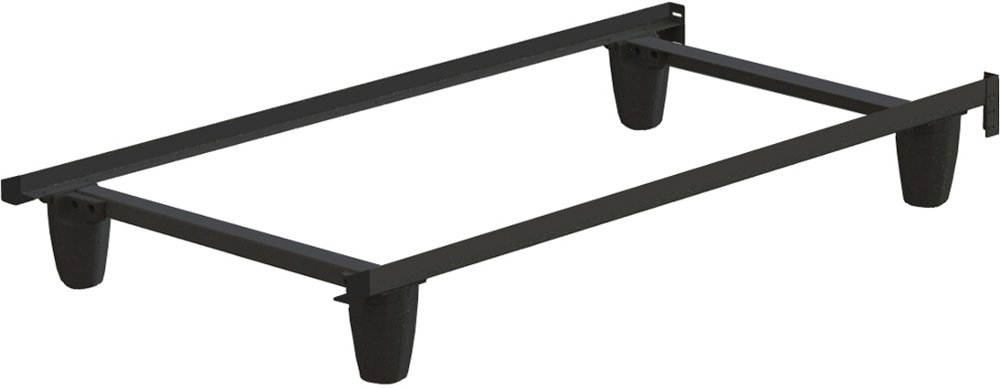
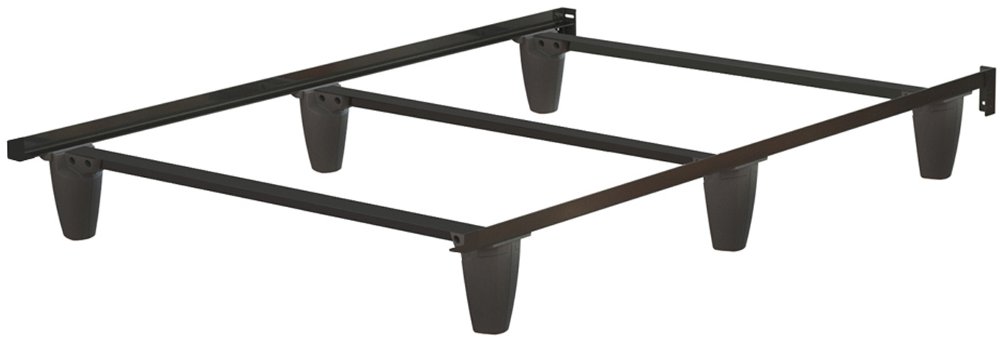
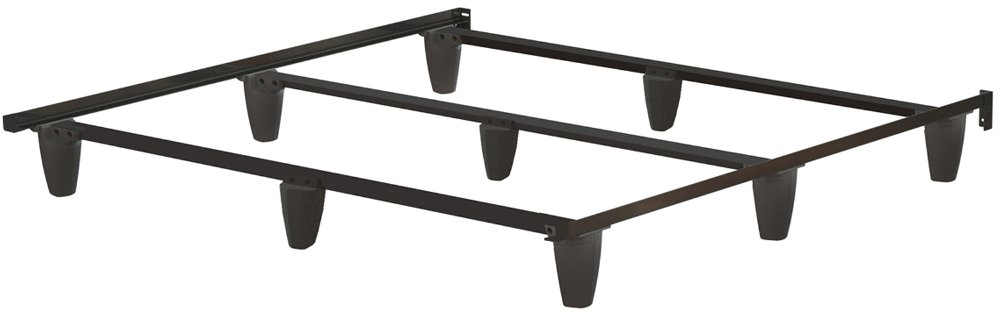
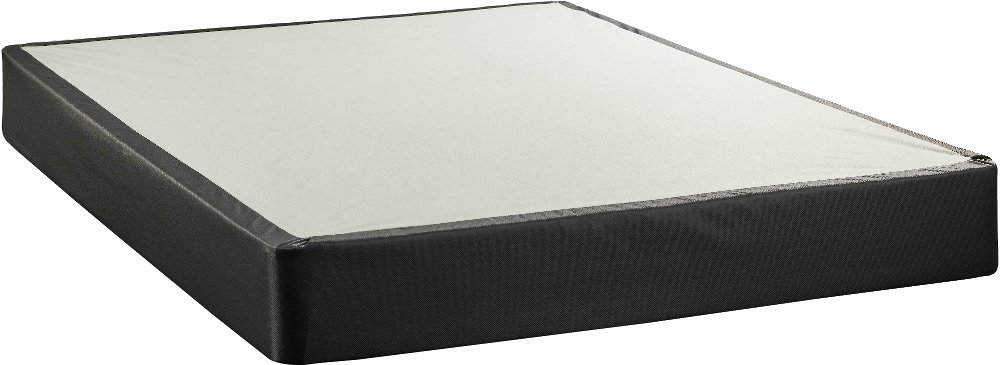
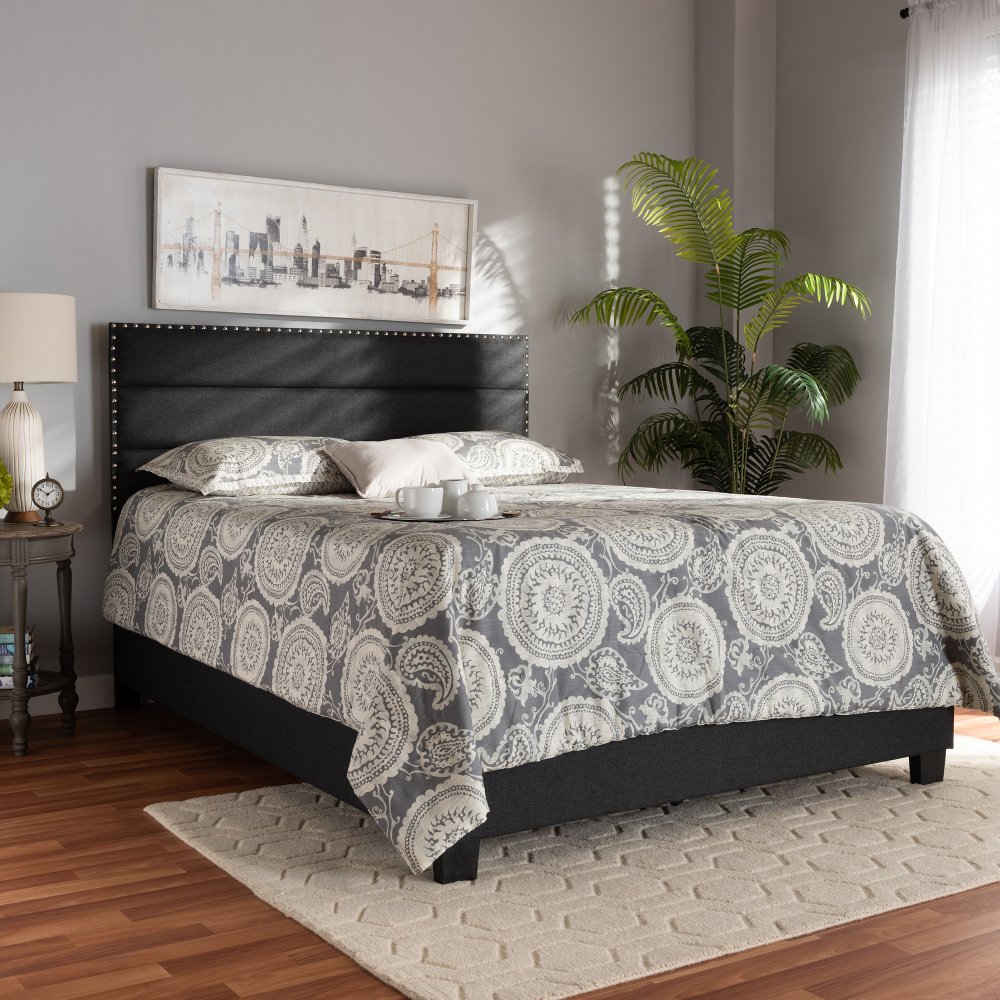
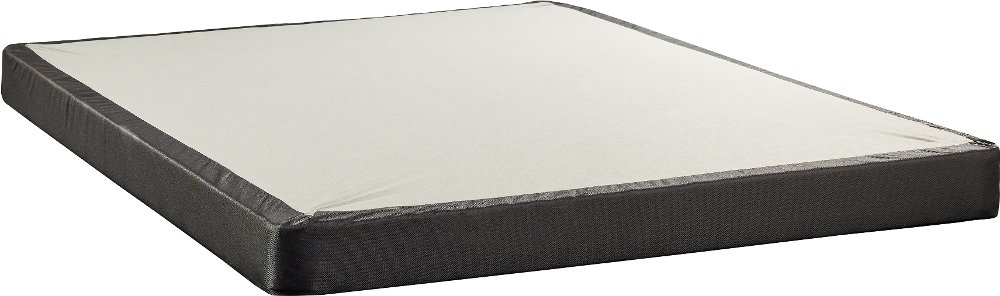
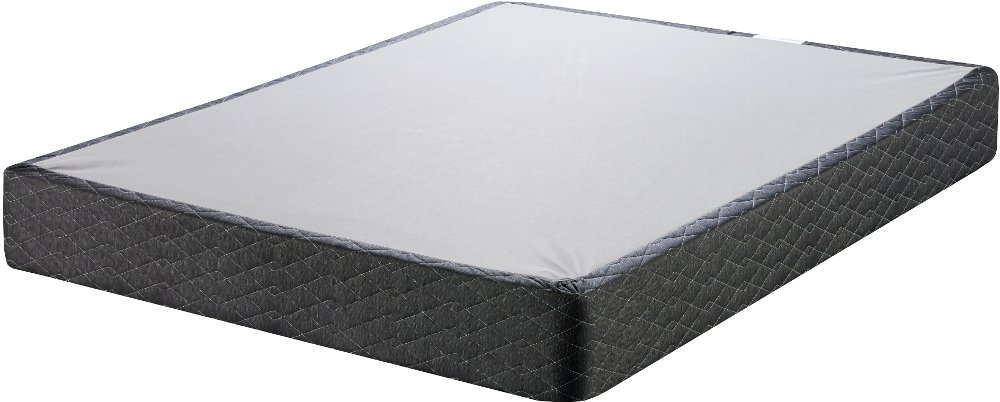
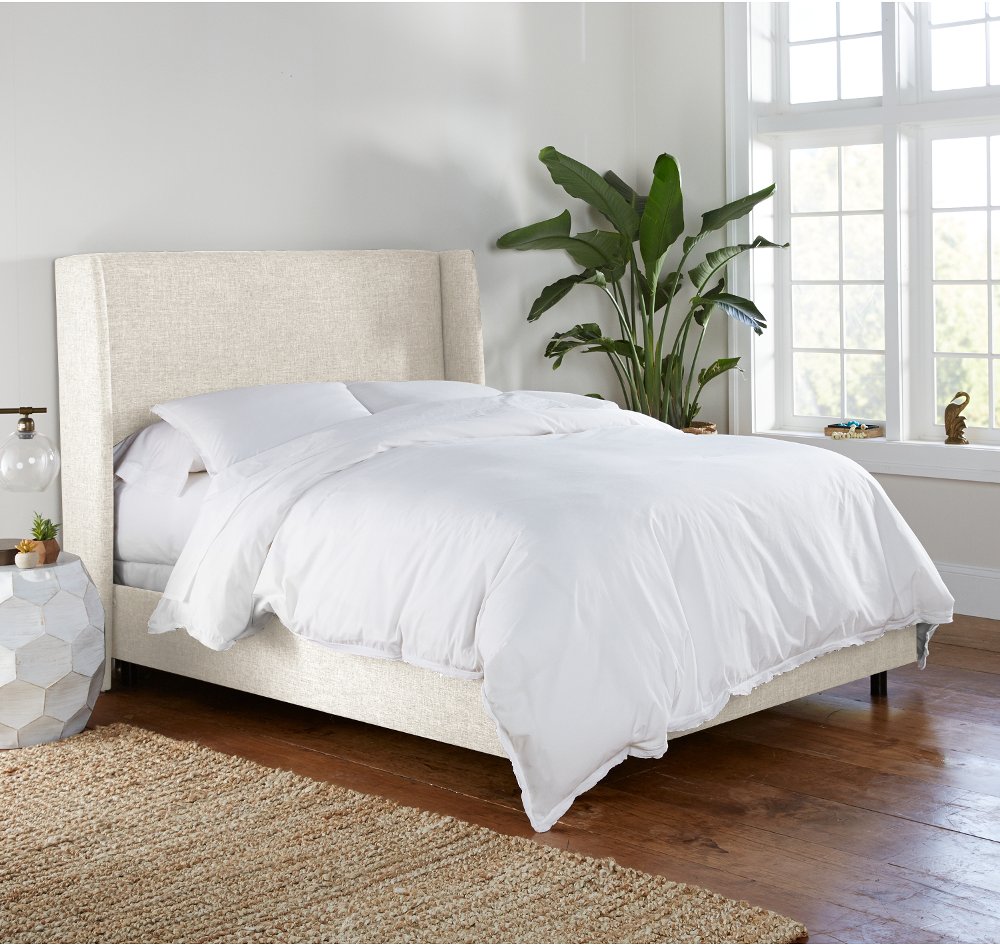
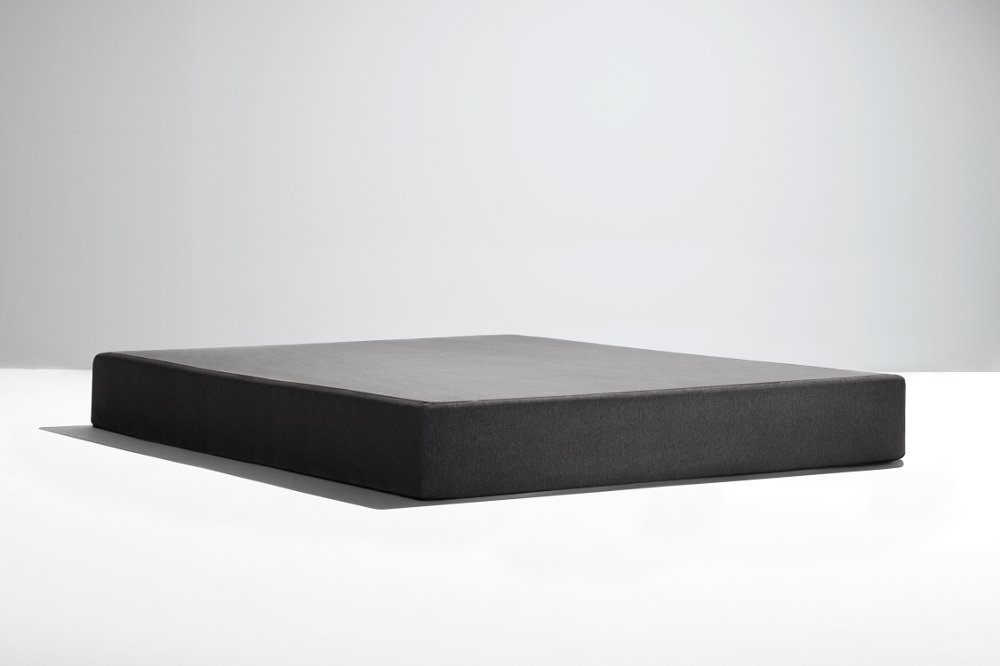
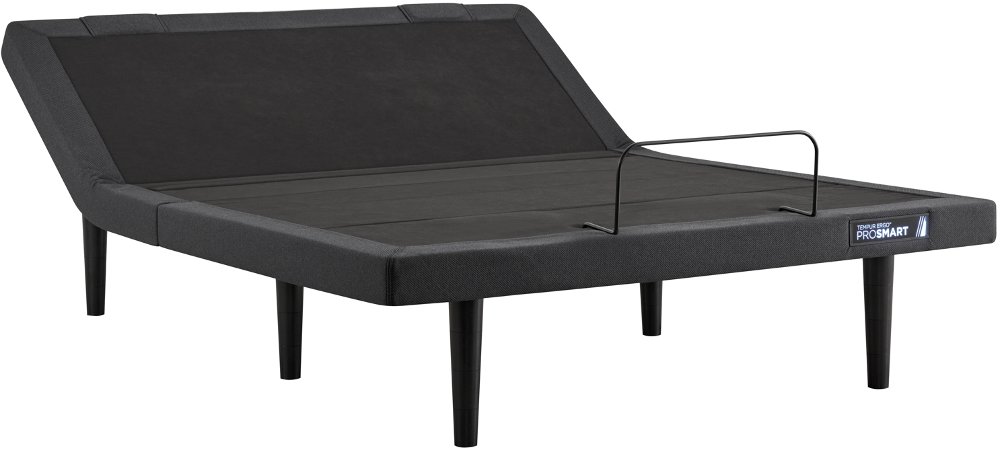
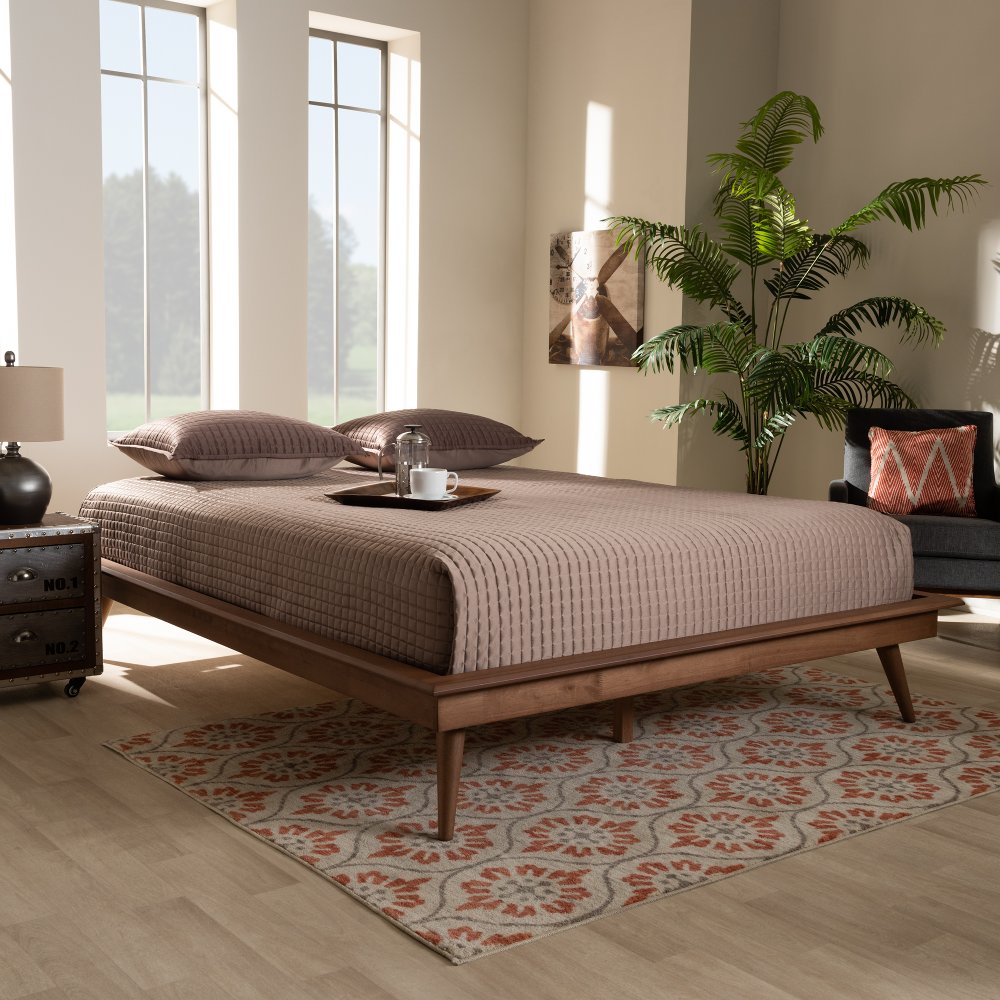
Bed frames for box springs provide the structure that holds a box spring or compatible mattress foundation beneath your mattress. Unlike platform beds with a built-in mattress-supporting surface, these frames typically use perimeter rails, cross supports, and, when required, a center support to carry a separate base. The frame supports the foundation, and the foundation creates the surface your mattress needs. That distinction matters when putting together a bed that feels steady and fits the way you sleep. A traditional box spring contains springs designed to work with compatible mattresses, while a rigid foundation generally uses wood or metal construction without the same spring action. Although the terms are often used interchangeably, the two aren’t suitable for every mattress. Many memory foam, latex, and hybrid mattresses need firm, even support rather than a traditional spring-filled base, so the mattress manufacturer’s requirements should determine what goes between the frame and mattress. A frame described as requiring a box spring may accommodate a rigid foundation, but its specifications should confirm compatibility. For someone keeping a familiar mattress and its approved base, a traditional frame can bring the bedroom together without changing the entire sleep setup. It also works well in a guest room, a teenager’s bedroom, or a primary bedroom where a separate foundation provides the desired bed height. Simple metal frames can sit discreetly beneath bedding, while decorative wood or upholstered frames give the mattress a more finished setting. The important feature isn’t just how the frame looks from the doorway; it’s how securely the frame, foundation, and mattress work together. A frame intended to carry a box spring generally shouldn’t hold a mattress directly unless the manufacturer specifically allows it. Open rails and widely spaced crosspieces don’t provide the continuous or closely spaced support most mattresses need. For a setup designed to support a mattress without a separate box spring, Beds Without Box Spring offers a different approach to bedroom furniture.
Size and support are central to finding a frame that fits comfortably into your room. Start with the exact mattress and foundation size rather than relying on a frame’s appearance or an adjustable-size description. Twin and twin XL differ in length, and king and California king have different proportions, so close measurements aren’t enough. Frames that adjust between sizes still need to be configured and secured according to their instructions. The foundation should rest properly on the supporting rails without being forced into place or sitting loosely enough to shift. Larger beds commonly require a center rail and floor-contacting support legs, with the exact arrangement determined by the frame and mattress manufacturers. These components help carry weight through the middle of the foundation rather than leaving the side rails to do all the work. Any stated weight capacity also deserves a careful look: check whether it includes the mattress and foundation or refers only to sleepers. Beyond the sleep surface, measure the frame’s full footprint, including a headboard, footboard, or upholstered edges. A queen mattress may fit a room comfortably while a substantial footboard crowds the path to a dresser. In a shared bedroom, space to walk along both sides can make everyday routines much easier. Overall height matters just as much. Frame height, box spring or foundation thickness, and mattress thickness all contribute to where the top of the bed lands. A low-profile foundation can reduce that height when approved for the mattress and frame, while a thicker base raises the sleeping surface. A comfortable height lets you sit on the edge and place your feet securely on the floor without an awkward climb or deep bend. Compare that finished height with your nightstand, too, so a glass of water or bedside lamp stays within easy reach. For upstairs bedrooms or narrow hallways, consider how the components will reach the room. A compatible split foundation can simplify moving a larger base, though it still needs the correct support beneath both sections.
Materials and construction shape both the appearance of a box spring bed frame and how it handles daily use. Steel frames often have a straightforward profile, with bolted or locking connections that form a practical base beneath a mattress set. Wood frames bring visible grain, painted finishes, or stained surfaces into the room, and their durability depends on sound joinery and adequate support as well as the material itself. Upholstered frames soften the look of the bed and can provide a comfortable backdrop for reading when the headboard is designed for that use. Woven fabrics, textured upholstery, and smooth covered surfaces each have different cleaning needs, particularly in homes where pets brush against the rails or children lean against the headboard. Removable bedding doesn’t protect every part of the frame, so easy access for dusting and vacuuming is worth considering. Metal and finished wood usually benefit from gentle cleaning with a soft cloth, following the manufacturer’s care directions and drying surfaces promptly when a damp cloth is permitted. Upholstery may need regular vacuuming and fabric-specific spot treatment rather than an all-purpose cleaner. Long-term stability also depends on assembly and placement. Properly tightened hardware, fully seated connections, and support legs resting as instructed help the frame perform as designed. If a bed develops a squeak or movement, inspect the connections and foundation rather than assuming the mattress is responsible. Use floor protectors suited to the frame’s feet and your flooring, and secure any locking casters according to the instructions. Underbed clearance can make room for shallow storage bins, but center legs and crossbars may limit the usable space. Check those details before planning to slide luggage or extra bedding underneath. If you’re pairing a frame with an existing headboard, confirm that the mounting style, bracket spacing, and required hardware match; attachment points aren’t universal. The most useful bed frame is one that supports your approved mattress setup, leaves room for everyday movement, and suits the level of care your household can comfortably maintain.
Read More