Bed frames with high weight capacity are reinforced support systems designed to carry a greater load than many standard bed frames. They can be a practical choice for plus-size sleepers, couples, or anyone pairing a bed with a substantial mattress and foundation. Their strength comes from the whole structure: the side rails, slats or platform, center supports, legs, and connections all work together to distribute weight. Reinforced steel and solid hardwood are common materials, although material alone doesn’t establish a frame’s capacity. The thickness of the components, the quality of the joints, and the placement of the supports matter, too. Some heavy-duty bed frames have published ratings of 1,000 pounds or more, but there’s no single weight rating that applies to every frame in this category. The manufacturer’s specifications for the exact frame and size are the reliable reference. A rating may describe the total supported load or a limit per sleeping side, and the stated conditions may differ. When the rating includes the mattress and foundation, those weights count alongside the people using the bed. For example, two sleepers with a combined weight of 450 pounds and a 125-pound mattress create a load of 575 pounds before adding a foundation or bedding. That distinction is especially useful with dense latex mattresses and substantial hybrid mattresses, which can add considerable weight. A higher-capacity frame offers support for everyday sleeping, getting into bed, and sitting along the edge when used as intended; its rating shouldn’t be interpreted as approval for jumping or other impact loads. For a shared bedroom, a guest room used by different people, or a primary bedroom with a heavier mattress, a clearly stated capacity helps you choose with confidence. Just as important, a sturdy frame can look right at home, whether you prefer clean metal lines, the warmth of wood, or a softly upholstered silhouette.
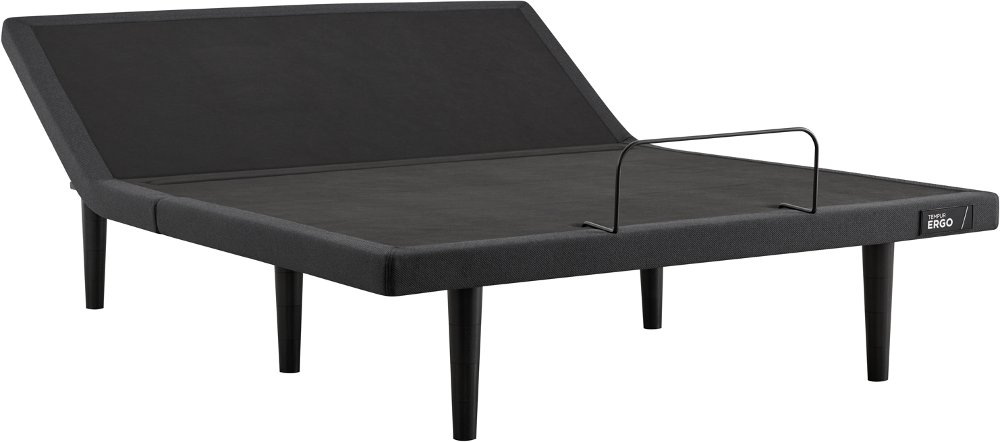
The right fit involves both the bed’s footprint and the support beneath the mattress. Twin, full, queen, king, and California king frames have different dimensions, and weight ratings can vary between sizes within the same design. Match the frame to your exact mattress size rather than relying on a general description such as “large” or “king-size.” A king mattress and a California king mattress, for instance, have different proportions. The outside measurements matter as well: a substantial headboard, thick side rails, or an upholstered footboard can extend beyond the mattress and affect the space beside a dresser or bedroom door. Beneath the surface, wider beds often benefit from a reinforced center rail and multiple legs that transfer weight to the floor. Slat thickness, spacing, and attachment also influence how evenly the mattress rests on the frame. Closely spaced, securely fastened slats can provide consistent support, but the mattress manufacturer’s requirements should determine the acceptable spacing and whether a solid platform or foundation is needed. A platform bed may support a compatible mattress directly, while another frame may require a separate foundation or box spring. Every load-bearing component needs to meet the requirements of the setup; a high-capacity frame doesn’t increase the rating of a lower-capacity foundation placed on top of it. Mattress depth deserves equal attention because it affects the finished bed height, the amount of headboard that remains visible, and the ease of sitting down or standing up. If your mattress has a deep profile, Bed Frames For Thick Mattresses can help you explore that related fit consideration. A lower frame can balance a thick mattress, while a taller frame may create useful storage space beneath the bed. Picture the complete setup rather than the empty frame: where your feet land when you sit on the edge, how easily you reach the nightstand, and whether the bedding clears the floor. Adjustable bases require their own compatibility check, since their dimensions, moving parts, and support requirements can differ from those of a stationary mattress foundation.
Durability is easier to recognize when you look beyond a frame’s appearance to how its parts connect. Well-fitted hardware, securely anchored slats, reinforced corners, and properly positioned support legs contribute to a stable structure. Metal frames can offer a streamlined profile and accessible under-bed space, while wood frames bring grain, texture, and a more substantial furniture presence. Upholstered frames add a softer look, but the fabric is a finish rather than the source of strength; the structure underneath determines load capacity. Storage beds can make good use of a smaller bedroom, provided drawer clearance and the frame’s support design work with your room and mattress. For daily use, details such as a recessed leg or a low-profile footboard may make walking around the bed easier, especially in a narrow space. Proper assembly helps preserve the support built into the design. All required rails, brackets, fasteners, and center legs need to be installed according to the manufacturer’s directions, with support feet contacting the floor as intended. An uneven floor or an unsupported center leg can affect how the frame carries weight, even when the published capacity seems more than sufficient. Use leveling adjustments only as directed, and choose any floor protection so it doesn’t compromise stability. After moving the bed, check its connections and support placement before using it again. Routine care is generally straightforward: wipe suitable metal and finished wood surfaces with a soft cloth, dry them promptly, and use cleaners approved for the finish. Upholstery may need gentle vacuuming and fabric-specific spot care. Periodic hardware checks can help address loosening from normal use, while new movement or noise deserves a closer look at the connections and floor contact. A thoughtfully chosen high-weight-capacity bed frame brings together dependable support, mattress compatibility, practical room dimensions, and a style you enjoy living with. Those details make it a useful foundation for a bedroom that feels comfortable, settled, and easy to use every day.
Read More