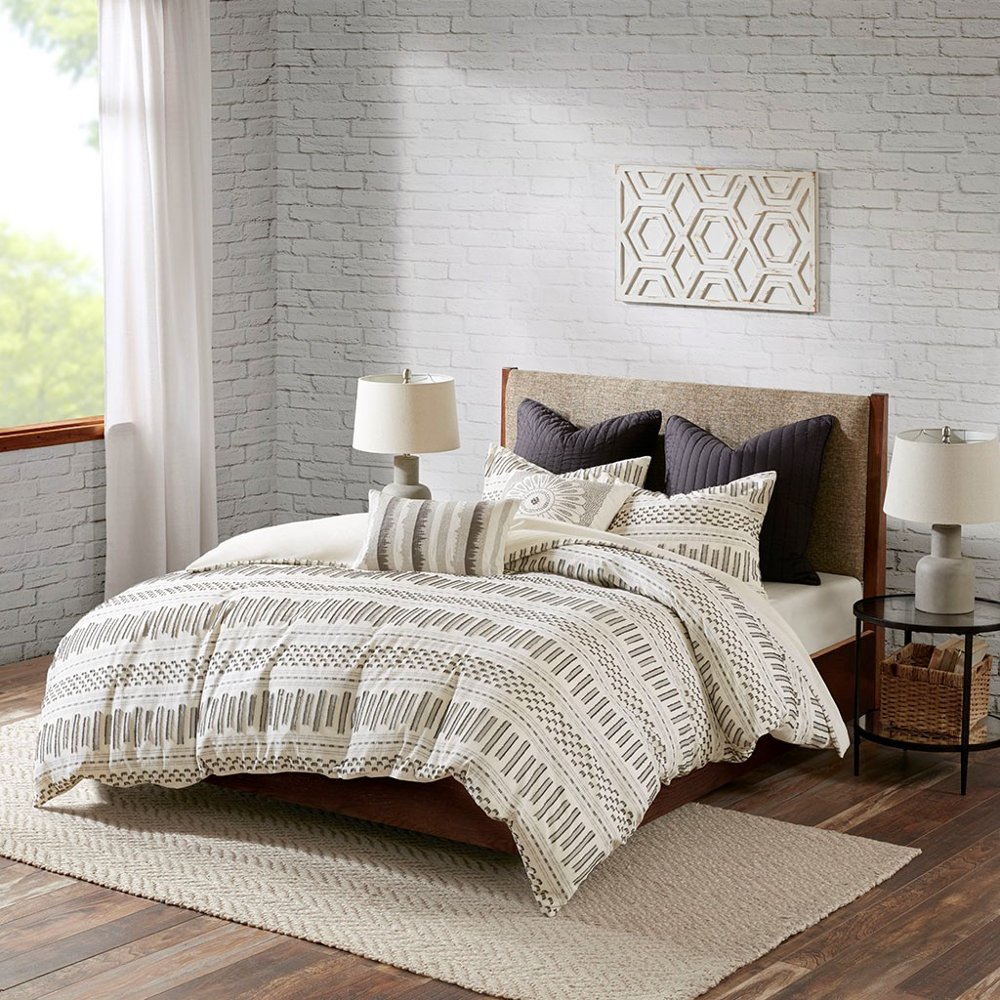
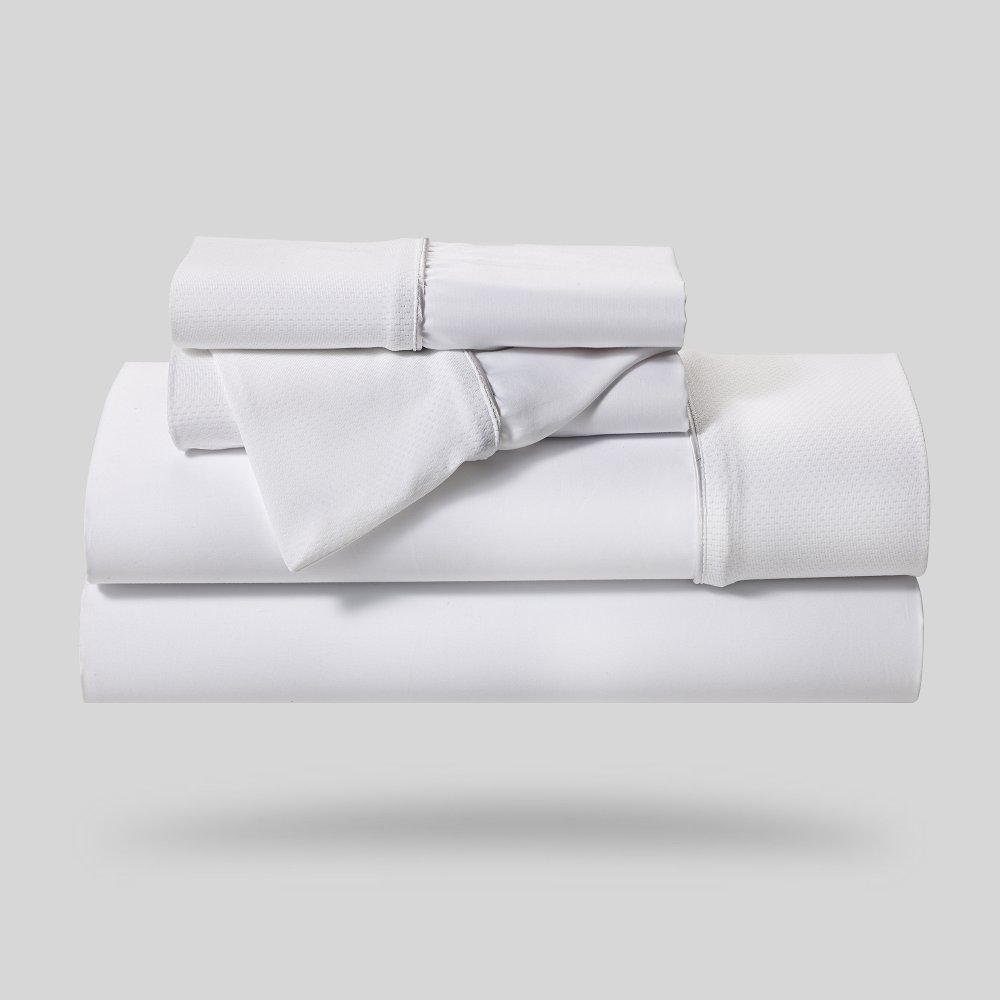
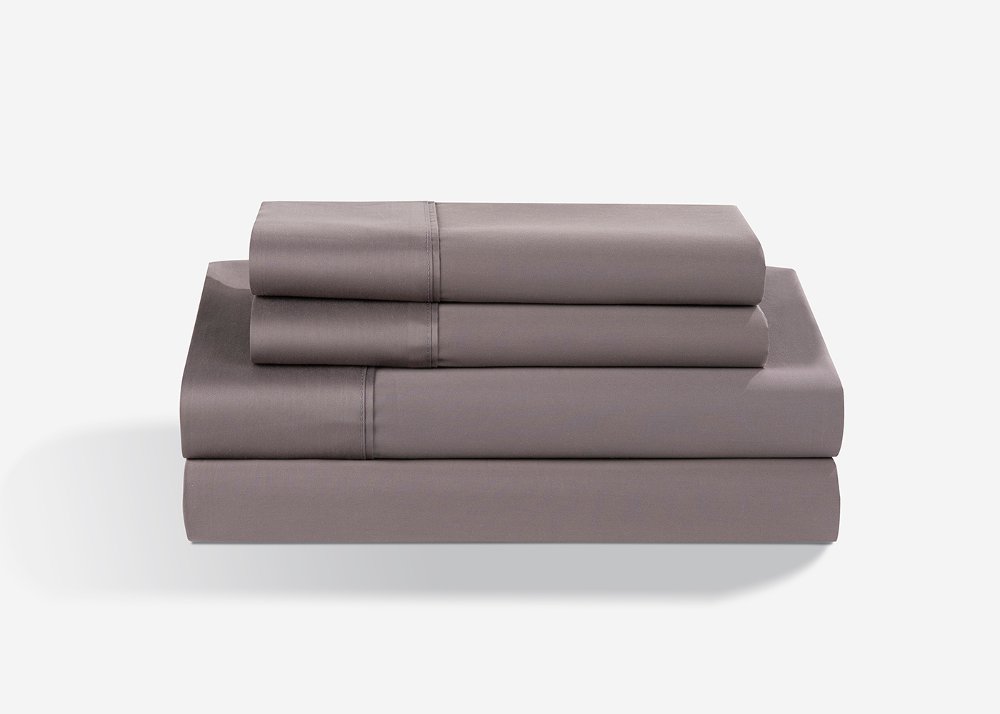
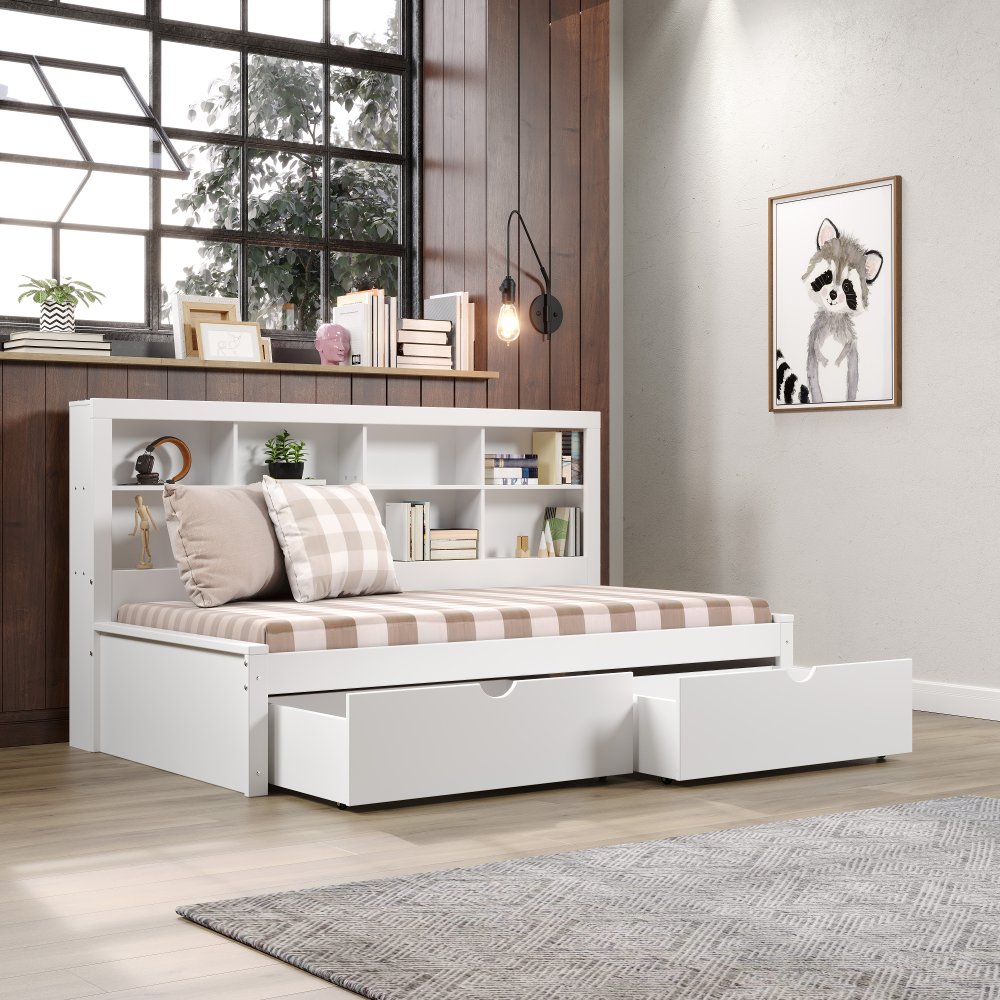
Bedding for teens brings together personal style, everyday comfort, and easy care in a room that often serves as a place to sleep, study, and spend time with friends. Sheets, pillowcases, comforters, quilts, and duvet covers give teenagers plenty of ways to make that space feel like their own without changing every piece of furniture. A striped comforter can add definition to a simple room, while a floral print, geometric pattern, or textured solid can set a different mood. For a teen whose tastes are still evolving, a solid foundation with patterned pillowcases or an accent blanket makes updates straightforward. Colors don’t need to match perfectly to feel connected; a blue stripe repeated in a pillow or a muted green drawn from wall art can tie the bed into the rest of the space. The fabric matters just as much as the look, especially for sheets and pillowcases that touch skin every night. Cotton is a familiar choice for its breathability and range of textures. Cotton percale has a crisp, matte feel, while cotton sateen typically feels smoother and has a subtle sheen. Jersey knit bedding offers a stretchy, T-shirt-like softness that suits a relaxed bedroom. Polyester microfiber is generally lightweight, smooth, and resistant to wrinkling, although its feel differs from cotton. Linen and linen blends bring visible texture and a more relaxed finish, with some natural creasing as part of their character. A higher thread count alone doesn’t guarantee better sheets; fiber quality, weave, construction, and personal preference all influence comfort. For a teen who dislikes anything stiff or heavily textured, softness deserves more attention than decorative details. For someone drawn to a layered, expressive room, a textured coverlet or patterned duvet cover can provide personality while simpler sheets keep the sleeping surface comfortable. Giving teenagers a say in these choices helps the finished bed feel like theirs, rather than a room arranged around someone else’s taste.
The right fit helps teen bedding look neat and stay comfortable through everyday use. Twin, twin XL, full, and queen sizes can all work in a teenager’s room, but the mattress dimensions determine which sheets belong on the bed. A standard twin mattress measures approximately 38 by 75 inches, while a twin XL measures approximately 38 by 80 inches. That extra length matters: standard twin fitted sheets generally won’t fit a twin XL mattress properly. Full mattresses are approximately 54 by 75 inches, and queen mattresses are approximately 60 by 80 inches. Mattress depth also deserves attention, particularly when a bed includes a thick pillow top or an added topper. Fitted-sheet pocket depth needs to accommodate the full height of that sleeping surface, and secure elastic helps keep corners from slipping loose. Comforters and quilts require a slightly different fit check because their dimensions vary by manufacturer, even when the size labels sound similar. Actual measurements help show how far a layer will hang over the sides of the mattress. On a platform bed, a longer drop may create a relaxed look; on a bunk or loft bed, less overhang can keep the bedding clear of ladders and surrounding furniture. A comforter combines its cover and fill in one piece, while a duvet cover is a removable shell designed to hold a separate insert. Interior ties, when included, help secure a compatible insert and reduce shifting. A quilt or coverlet generally offers a flatter, less lofty profile that can work alone or as another layer. Set contents deserve a close look, too, since sheets, pillowcases, shams, and inserts aren’t automatically included together. Decorative shams dress the bed, while pillowcases are intended for the pillows used during sleep. For a bedroom update that also includes furniture, explore Stylish Beds for Teenagers and coordinate bedding with the frame’s finish and proportions. Keeping the layers manageable makes the bed easier to straighten before school and leaves more room for the other things that happen there.
Easy maintenance is especially valuable in teen bedrooms, where bedding may share space with backpacks, art projects, pets, and an occasional snack. Machine-washable fabrics can simplify the routine, but the care label remains the best reference for washing, drying, and stain treatment. A washable duvet cover can make it easier to clean the outer layer without laundering a bulky insert as often, though the insert still needs care according to its own instructions. Comforters need enough room in the washer and dryer to move freely, so their size and care requirements should work with the household’s laundry setup. Prompt attention to spills, complete drying, and avoiding more detergent than directed can help bedding stay fresh and comfortable. Durability comes from more than fabric thickness: secure seams, neatly finished edges, dependable closures, and fabric suited to regular laundering all matter. Tightly woven surfaces may be more practical than loose textures around pets or anything likely to snag, while elaborate trim and delicate embellishments can require extra attention. A spare sheet set makes laundry day less disruptive, especially when a favorite set needs additional drying time. For teens who make their own beds, fewer decorative layers can make the daily routine easier without sacrificing a finished look. Reversible bedding adds another option for changing the room’s appearance without finding storage space for a second bulky layer. Teen bedding can also make a thoughtful gift for a birthday, a bedroom refresh, or a move to a different room. Mattress size, preferred colors, fabric feel, and care needs are useful details to confirm beforehand. A teenager who loves bold artwork may enjoy a simple bed that lets the walls stand out, while someone with neutral furniture may prefer bedding that becomes the room’s focal point. The most useful choices respect those preferences and hold up to the real routine of the person sleeping there.
Read More