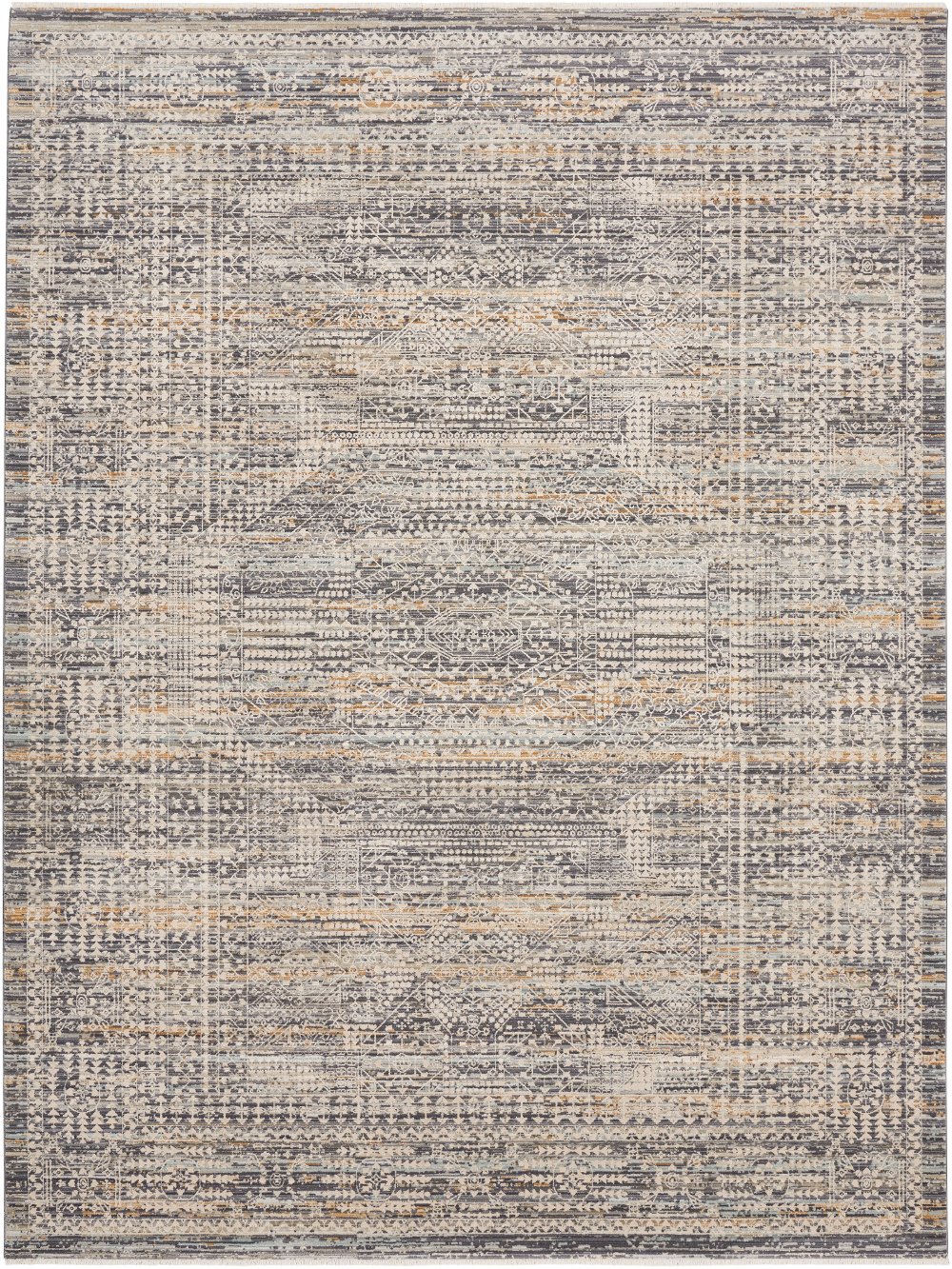
Blue doormats bring a welcoming touch to the doorway while helping keep tracked-in dirt from traveling farther into the home. These compact entry mats combine a practical landing spot for shoes with a color that can feel calm, crisp, or full of personality. Navy offers a grounded look beside white trim, natural wood, or black door hardware, while lighter blue shades add a softer accent to neutral tile and concrete. A brighter royal blue can give a simple entrance a little more energy without requiring a major decorating change. Solid colors keep the look clean; stripes, geometric patterns, and bordered designs add definition around the door. A blue-and-natural combination pairs easily with woven baskets and wood benches, while blue and gray create a more understated entry. Beyond appearance, the right blue doormat depends on where it will sit and how people use that entrance. An outdoor mat at the front door serves a different purpose than a soft indoor mat beside a shoe rack. Scraping textures help loosen grit from shoe soles, while absorbent indoor surfaces can catch residual moisture before it reaches the floor. A utility entrance or garage doorway may benefit from a sturdy, easy-to-clean construction that handles frequent foot traffic. A quieter apartment entry may call for a slim profile and a design that complements a shared hallway without crowding it. In a busy household, a mat at the entrance people actually use most often can be more useful than one placed only at the formal front door. Coordinating blue tones across those spaces creates a connected look without requiring every mat to match. The color can also echo artwork, a nearby upholstered bench, or a favorite ceramic planter, making the entrance feel like part of the home rather than an afterthought. Even a small doorway can feel thoughtfully finished when the mat suits both the space and the daily routine.
Materials make a noticeable difference in how blue doormats feel underfoot, release dirt, and hold up to regular use. Coir, made from coconut husk fibers, has a coarse texture that helps brush debris from shoes and gives an entry a familiar, natural look. Blue printed details can add color while allowing the fiber’s warm brown tone to show through. Some shedding is normal with coir, and many coir mats work best in sheltered locations rather than exposed spaces; the care label should determine placement. Polypropylene is another common doormat material, valued for its durable synthetic fibers and relatively easy upkeep. Depending on the construction and manufacturer’s rating, it can suit indoor spaces, outdoor entrances, or both. Textured polypropylene surfaces can help collect everyday grit, while a patterned face makes small bits of debris less noticeable between cleanings. Polyester and nylon also appear in indoor entry mats, often with a softer feel than coarse scraping surfaces. Absorbency, drying time, and cleaning methods vary by construction, so fiber content alone doesn’t tell the whole story. Rubber mats offer a different kind of utility, with raised patterns or open designs that help dislodge dirt and allow loose particles to fall through. A rubber-backed textile mat combines a fabric surface with a backing designed to help limit movement, though performance depends on the floor underneath and the condition of both surfaces. No backing makes a mat slip-proof, and keeping the floor and underside clean helps the mat sit properly. Some rubber or latex backings can discolor certain floor finishes, so compatibility matters on vinyl, wood, and other finished surfaces. For outdoor placement, a mat needs an explicit outdoor-use rating; blue color alone says nothing about resistance to fading or exposure. At a heavily used entrance, sturdy edges, a stable backing, and a surface that releases trapped dirt during cleaning matter just as much as the initial appearance. Those practical details help a mat remain useful instead of simply looking good at the doorstep.
Size and thickness help determine whether a blue doormat feels comfortable in the entry or becomes something people have to step around. Common dimensions such as 18 by 30 inches and 24 by 36 inches offer useful reference points, but the best fit comes from the doorway and the clear floor space around it. A mat that spans most of a single doorway gives people room to place both feet on the surface, while a wider entrance may look more balanced with a broader shape. Rectangular mats create a straightforward landing area, and half-round designs can soften the appearance of a small stoop. Door clearance deserves particular attention: a thick mat may catch beneath an inward-opening door, bunch at the edge, or interfere with smooth movement. Low-profile edges and a flat surface are especially helpful where people carry groceries, move a stroller, or use a mobility aid. For a more expansive indoor accent, Blue Entryway Rugs can carry a coordinated color farther into a foyer, while a doormat keeps its focus on the immediate threshold. Routine care helps preserve both appearance and function. Many textured mats benefit from regular shaking or vacuuming to remove grit before it builds up, while some synthetic designs allow rinsing or machine washing according to their labels. Coir generally calls for dry cleaning methods rather than soaking. Any washable mat should dry thoroughly before returning to the floor, and cleaning underneath it helps prevent trapped debris from scratching the surface. Occasional checks for curled corners, worn backing, and frayed edges can reveal when a mat no longer lies securely. For someone furnishing a first apartment or settling into a new home, a blue doormat can also make a thoughtful housewarming gift, especially when its dimensions and style suit the recipient’s entrance. Whether the preference is a quiet navy border or a cheerful patterned blue, a well-chosen mat adds personality while supporting the everyday work of coming home.
Read More