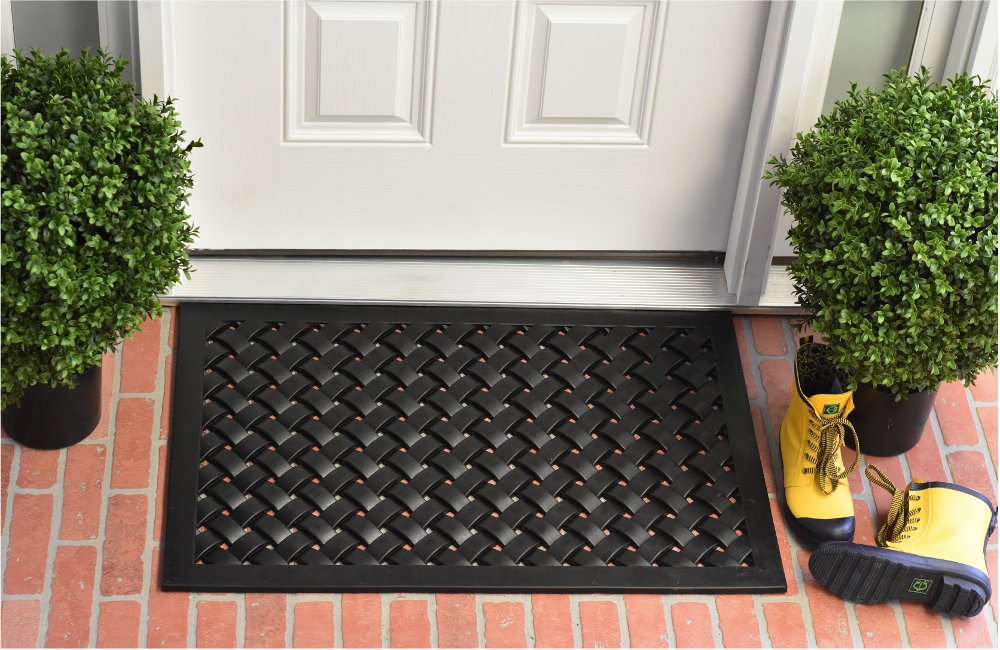
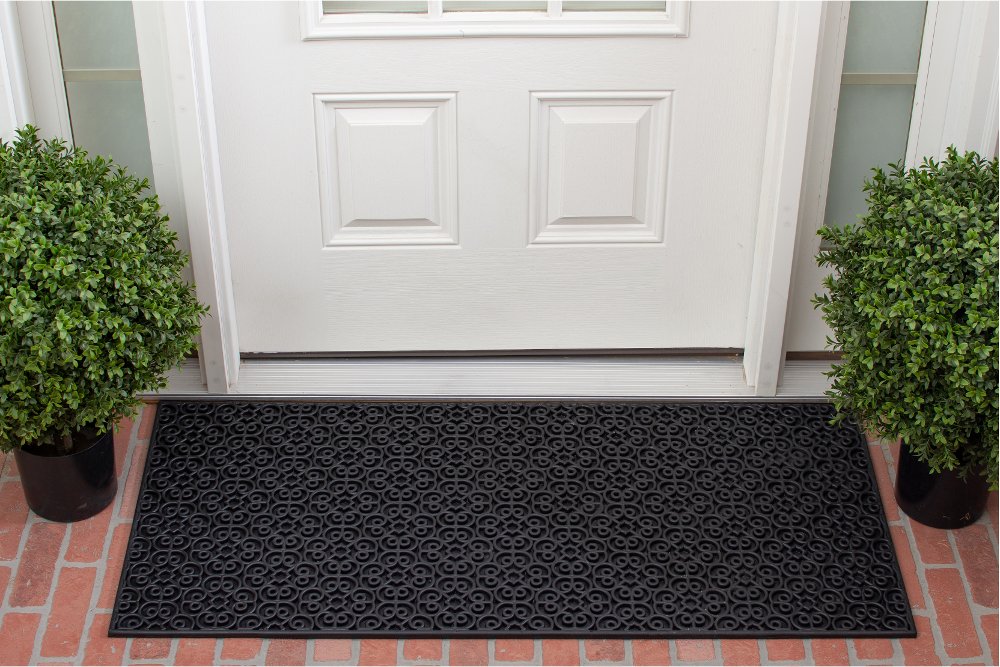
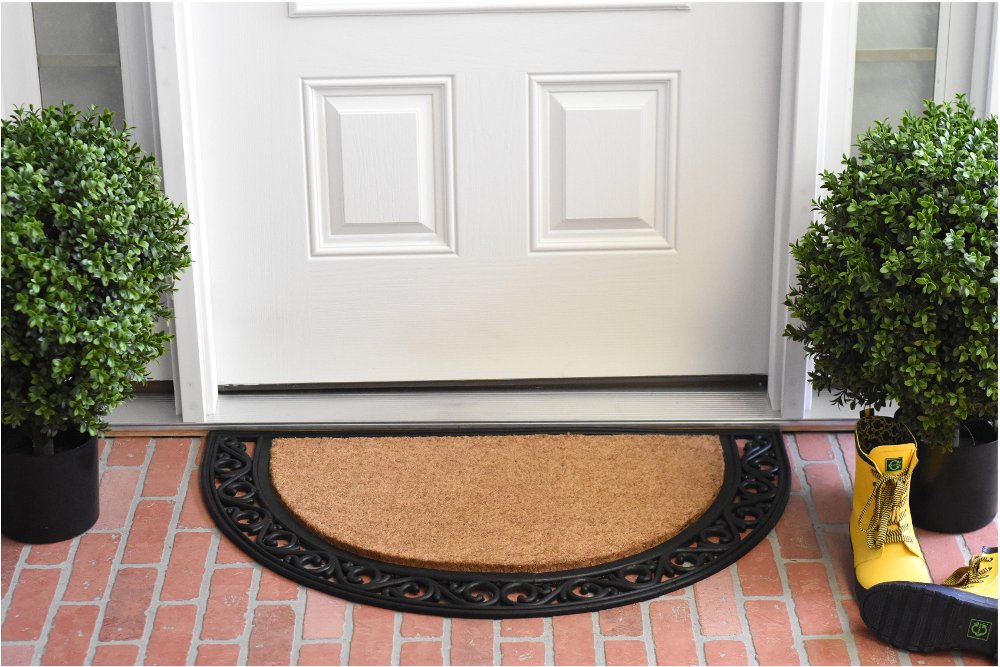
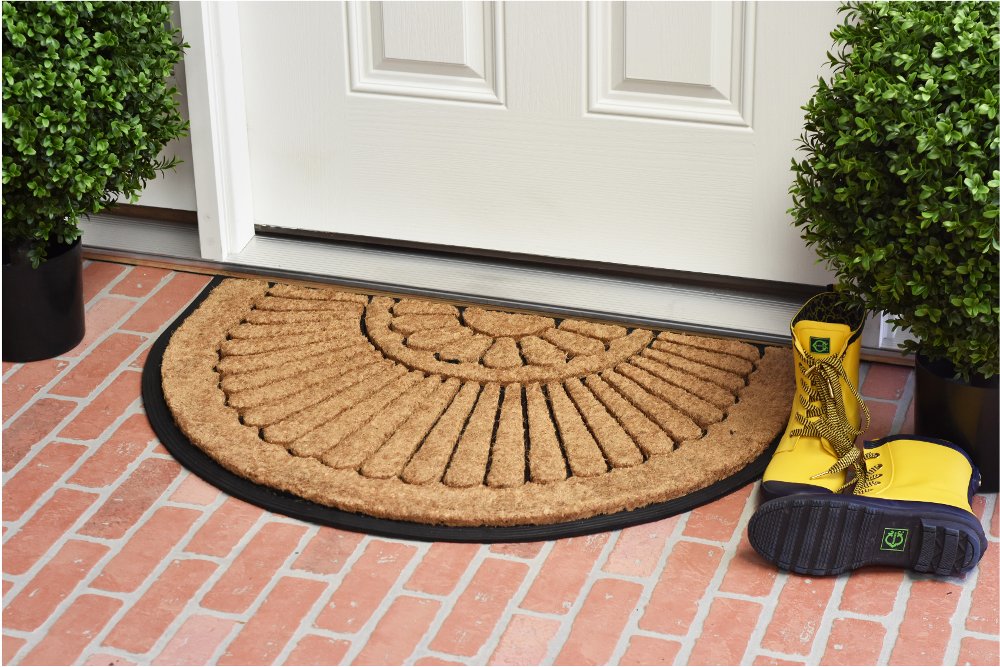
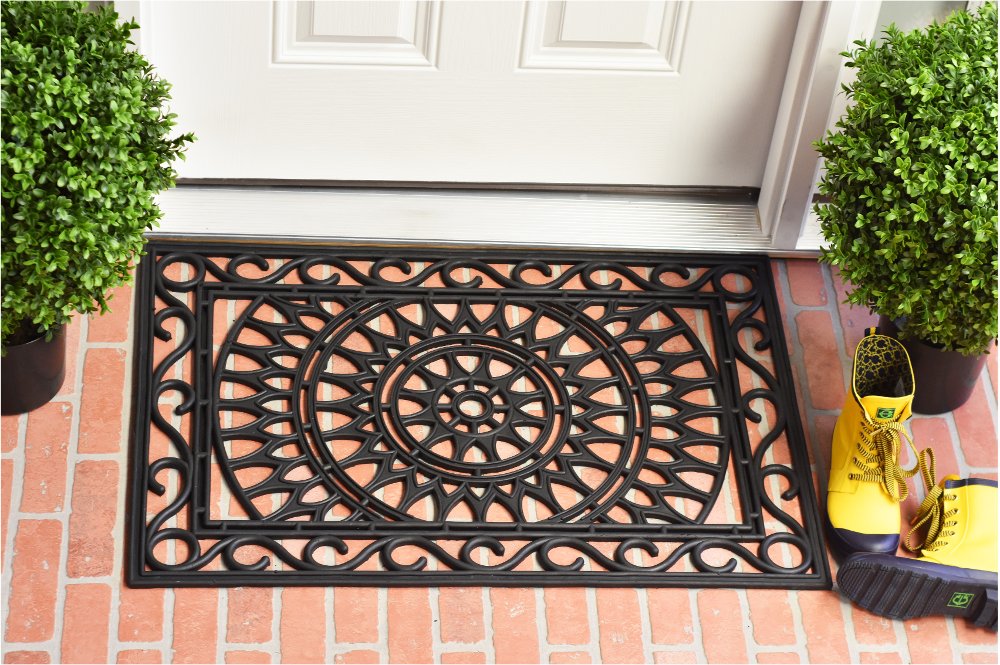
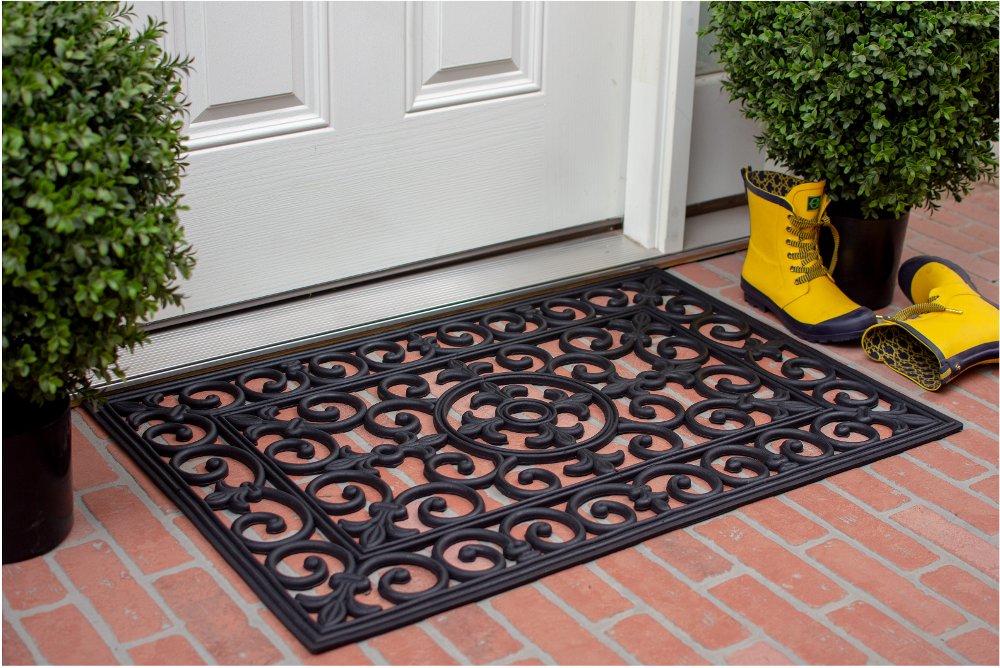
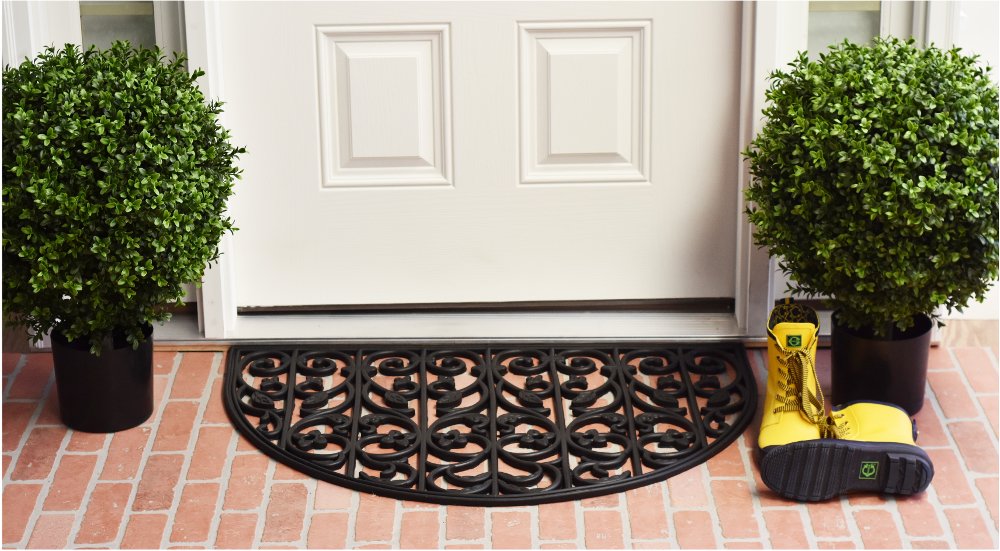
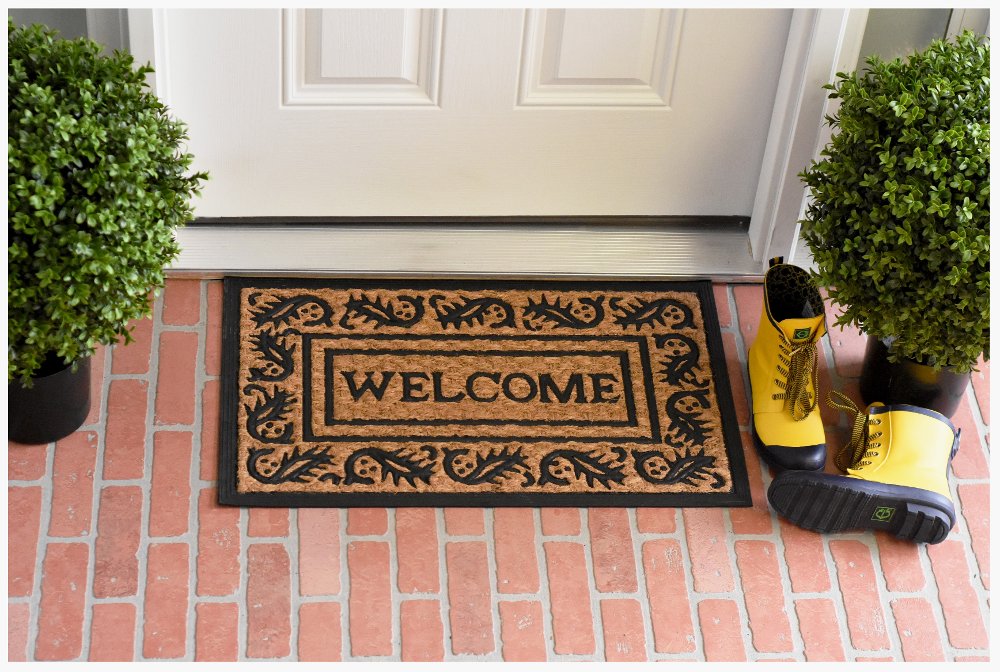
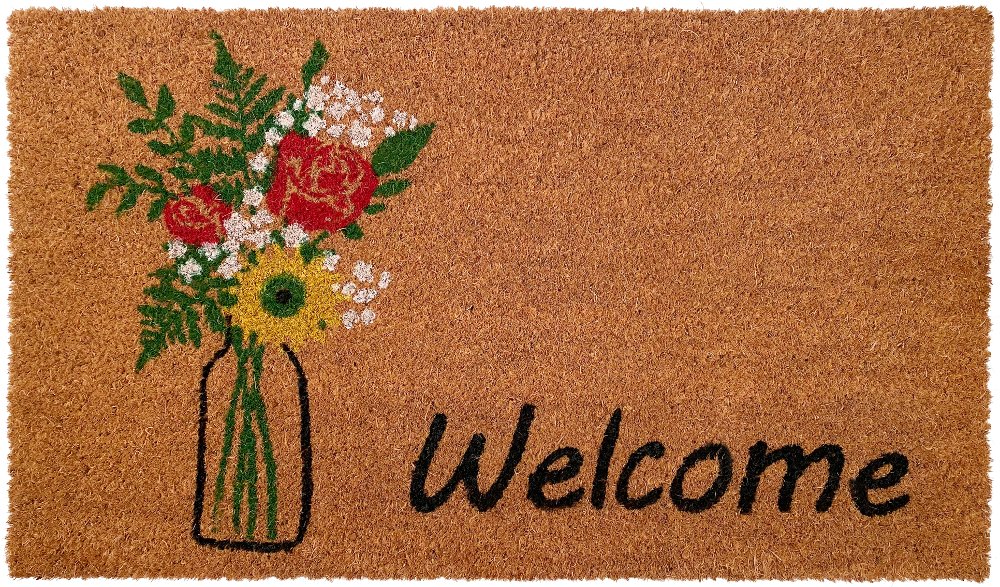
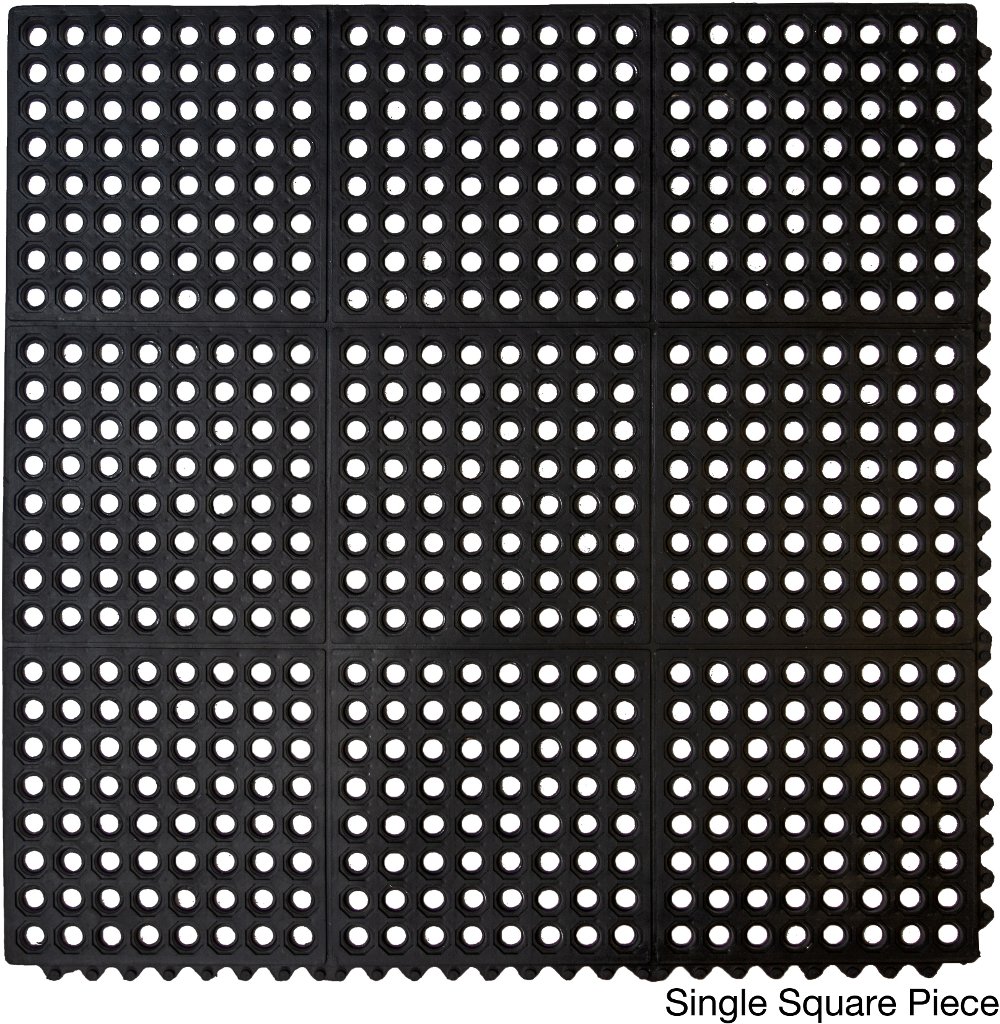
Rubber doormats are durable entryway mats designed to scrape dirt from shoes, collect debris, and help reduce the amount of grit tracked into your home. Their textured surfaces give shoe soles a place to shed dust, small stones, and soil before those particles reach the flooring beyond the door. Raised ridges, molded patterns, and openwork designs serve slightly different purposes: ridges create scraping edges, recessed areas hold loose debris, and open spaces let particles fall through for cleanup underneath. Unlike absorbent fabric mats, solid rubber doormats generally keep moisture on the surface or within molded channels rather than soaking it up. That distinction makes them useful as a first line of defense at an entrance, sometimes paired with an absorbent mat farther inside. Rubber can also provide traction, although a mat’s grip depends on its construction, the floor beneath it, and how clean both surfaces stay. A secure placement matters more than a nonslip label alone. These practical qualities suit busy front doors, garage entrances, covered porches, and other thresholds where shoes collect everyday mess. For households with children, pets, or frequent visitors, a dedicated spot to wipe feet helps establish an easy routine without adding another complicated chore. A mat outside a side door can catch garden soil before it reaches the kitchen, while one at a garage entry gives work shoes a place to leave loose grit. Decorative rubber door mats bring some personality to these hardworking spaces, too. A simple border can frame a painted front door, while a scroll pattern adds detail without introducing another color. The best match feels at home with the entrance and leaves a clear, comfortable path through it. Whether the setting is a compact apartment doorway or a broad entry with sidelights, the mat should support the way people actually move through the space, not become something they have to step around.
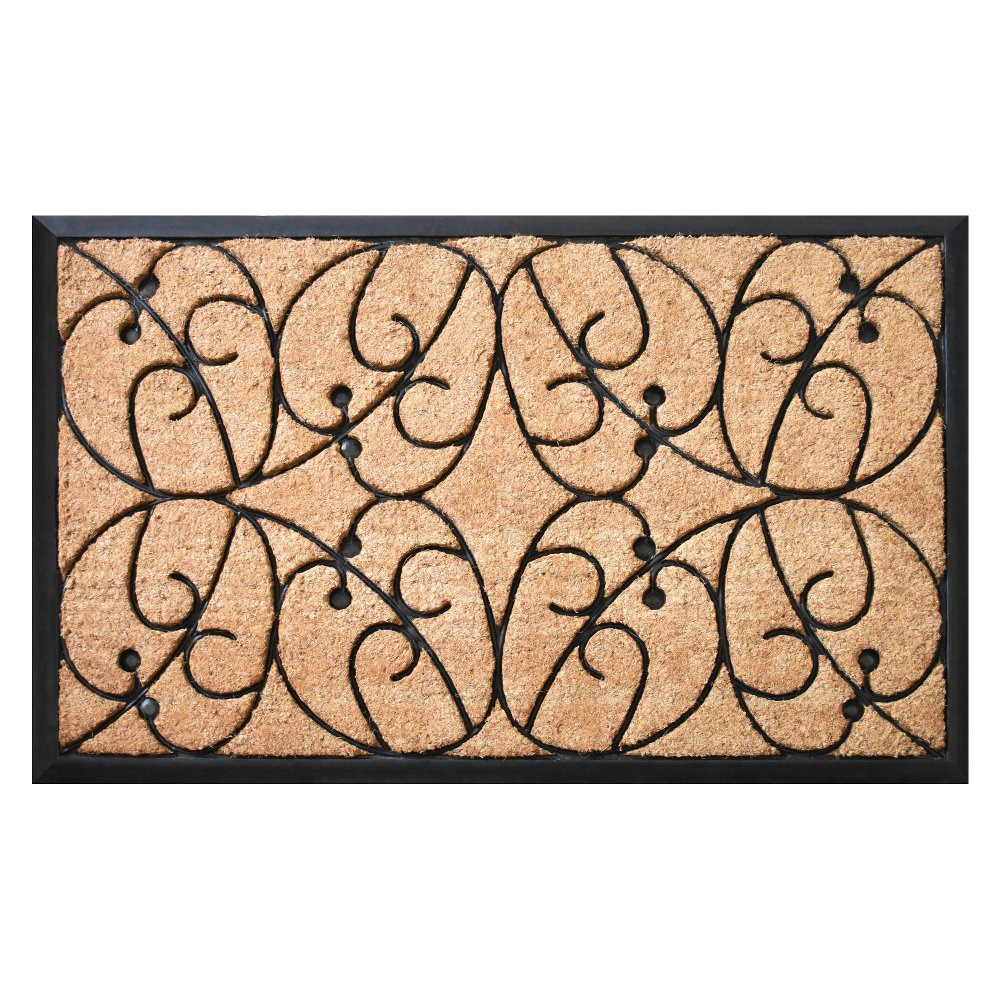
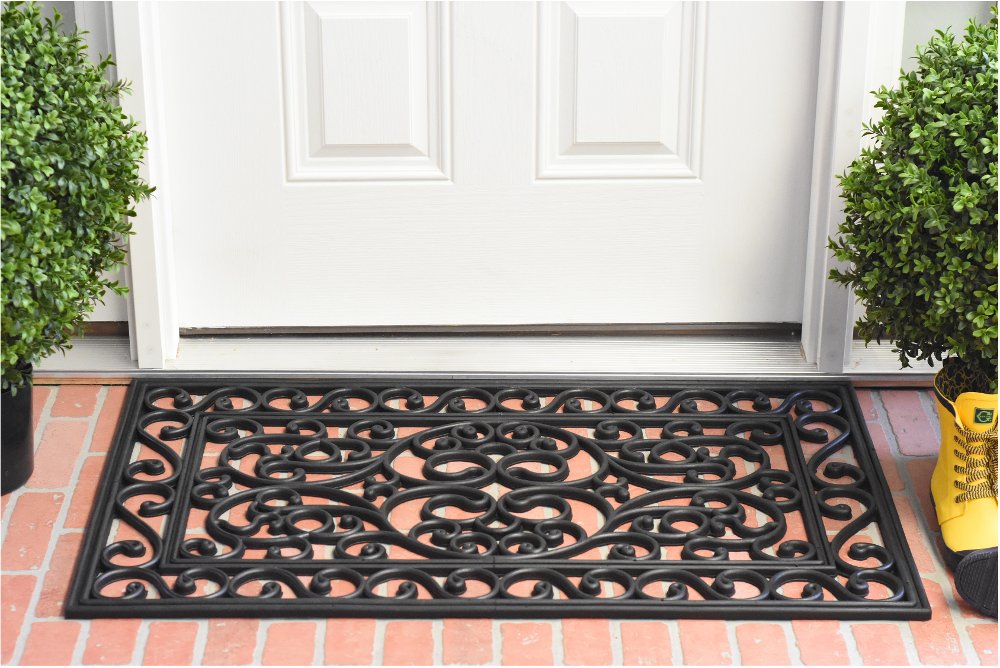
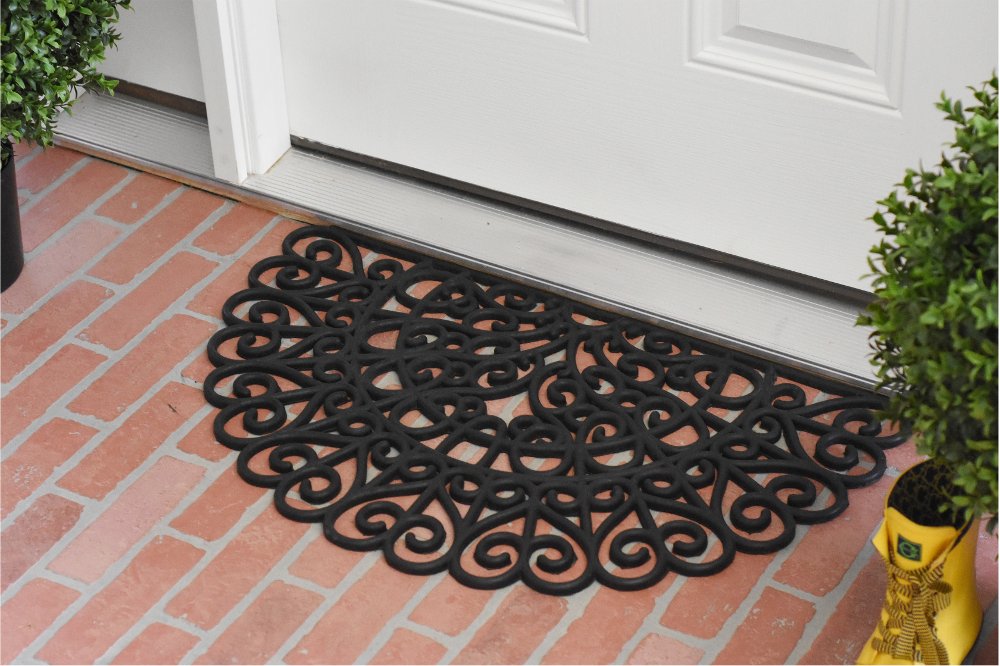
Material and construction shape how a rubber doormat looks, feels, and handles daily use. All-rubber designs have a different character from mats that combine a rubber backing with a fiber surface. Molded rubber typically offers a defined scraping texture and a substantial feel, while fiber-topped options add a brushlike surface for working dirt out of shoe treads. Natural rubber, synthetic rubber, and recycled rubber may appear in different constructions, with performance depending on the finished design rather than the material name alone. Thickness, flexibility, edge shape, and the depth of the surface pattern all play a part. A heavier mat may stay seated well on a suitable surface, but weight alone doesn’t guarantee grip, and a deeply textured face can require more attention when small particles lodge in its grooves. For a combination of natural texture and a rubber foundation, coir and rubber door mats bring together coconut-husk fibers and rubber components. Coir provides a coarse brushing surface and may shed loose fibers, especially early in use, so its care needs differ from those of an all-rubber mat. Intended placement matters just as much as appearance. Some constructions suit outdoor use, while others perform best in sheltered entrances or indoor locations; the manufacturer’s intended-use information should guide that choice. At an interior doorway, floor compatibility deserves particular attention because some rubber backings can discolor or interact with certain flooring finishes. A mat approved for the specific surface helps protect the floor underneath. Style can remain simple even when the construction is substantial. Black and charcoal tones create a quiet outline against brick, concrete, or tile, while cutout patterns let the surface beneath become part of the design. A decorative face can make an entry feel more finished, but the details worth prioritizing are the ones that make everyday arrivals easier: usable scraping space, edges that lie flat, and a shape that fits the landing.
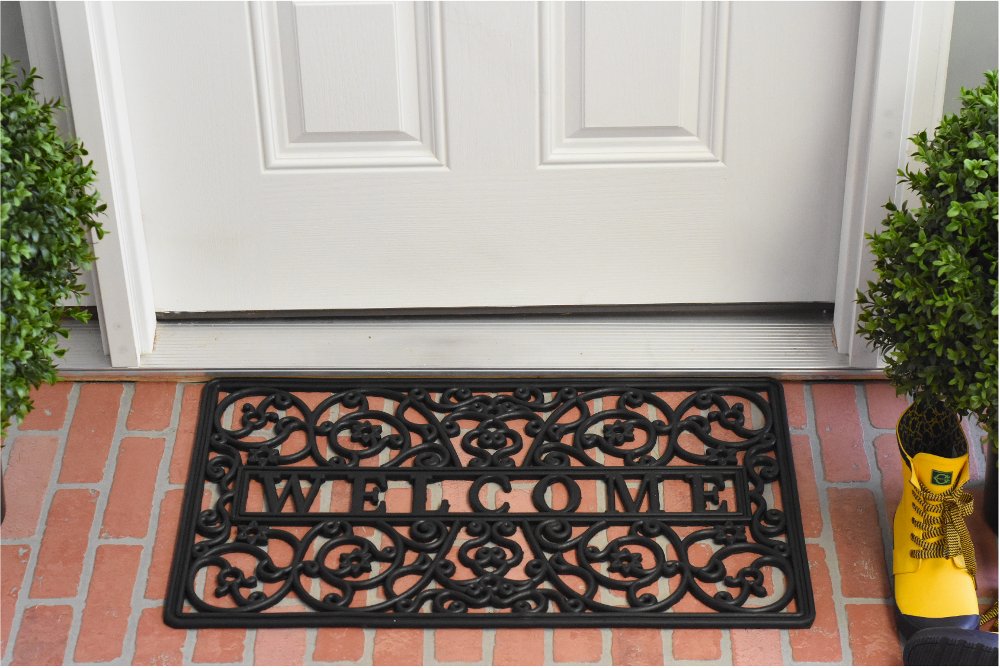
A well-fitting doormat gives people enough room to wipe both feet without crowding the doorway. Width is a useful starting point: a mat that relates to the door’s width usually looks more balanced than a small rectangle floating in the middle of a large landing. Depth matters, too, particularly when someone steps through carrying grocery bags or holding a child’s hand. Measuring the usable floor area, checking the direction of the door swing, and allowing clearance beneath the door help prevent a thick mat from catching or bunching. Low-profile edges can make the transition smoother, although any raised edge deserves attention in a path used by someone with limited mobility or a mobility aid. In a shared hallway, the mat also needs to stay within the permitted space and meet any building requirements. Once the fit is right, routine care helps preserve both appearance and function. Many all-rubber mats can be shaken out, brushed, or rinsed according to their care instructions; fiber-faced and decorative constructions may call for gentler cleaning. A mild cleaning solution may be appropriate when approved by the manufacturer, followed by thorough rinsing and drying. Letting the mat and the surface beneath it dry before replacing it helps avoid trapped moisture. Lifting the mat periodically also makes it easier to remove grit that could rub against the floor. Harsh solvents, stiff scraping tools, and pressure washing can damage some materials or finishes, so care directions are worth keeping. Over time, curled edges, cracks, or a surface that no longer lies securely signal that a mat needs attention or replacement. Rubber doormats can also make practical housewarming gifts, especially when the recipient’s entry dimensions and style are familiar. A restrained pattern is often easy to coordinate with existing furnishings, and a thoughtfully sized mat offers something useful from the first arrival. The lasting appeal is straightforward: a welcoming detail at the door that earns its place through everyday use.
Read More