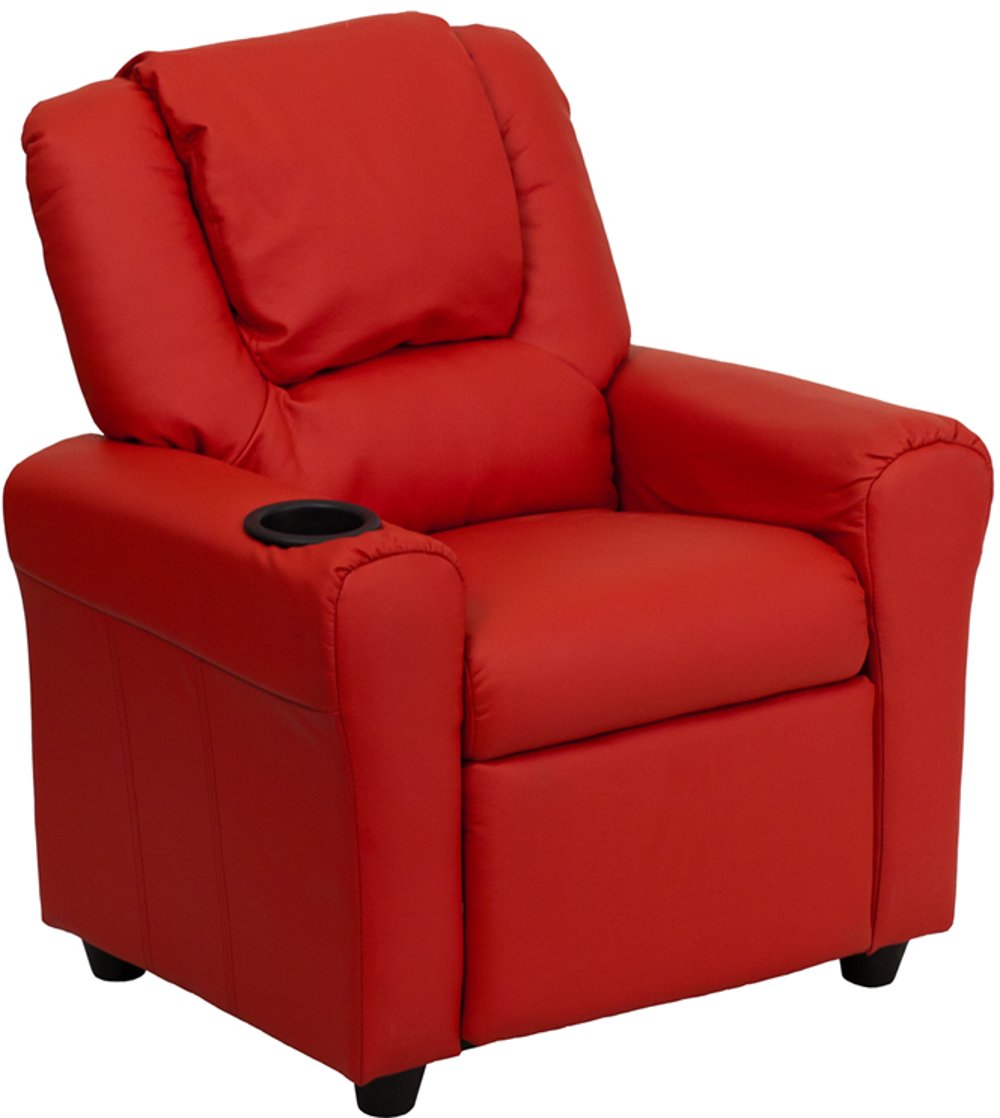
Charcoal recliners pair the comfort of a reclining chair with a deep gray finish that works easily with a wide range of furniture and décor. The color feels softer than solid black but has enough depth to give a seating area a defined, grounded look. Against cream walls and a light rug, a charcoal chair creates contrast without taking over the room. Alongside walnut tables, warm wood floors, or rust-colored pillows, it brings out the richness of those finishes. Charcoal also works with navy, sage, and muted blue, making it a flexible choice when your decorating plans change. Fabric texture makes a noticeable difference: a woven charcoal upholstery can show flecks of lighter gray, while a smoother surface gives the color a more uniform appearance. Lighting can bring out blue, brown, or neutral undertones, so an upholstery sample viewed beside your existing furniture can help you picture the result. Pairing a recliner with charcoal sectionals creates a cohesive seating area, even when the pieces have different silhouettes or textures. For a more collected look, a charcoal recliner can sit comfortably beside a camel sofa or an oatmeal loveseat. The shape of the chair matters just as much as its color. Rounded arms, generous cushions, and a padded back create an inviting, relaxed presence, while slimmer arms and tailored upholstery keep the profile more restrained. Reclining mechanisms add another layer of choice. Manual recliners may use a side lever, handle, or push-back motion to extend the footrest and lower the back. Power recliners use motorized controls to adjust the seating position, and some designs provide separate adjustments for the headrest or lumbar area. The best match depends on how you like to sit, how easily you can operate the controls, and whether an electrical outlet fits into your room plan.
A charcoal recliner earns its place through everyday use, whether that means reading a few chapters, watching a game, or settling into a conversation after dinner. Comfort starts with proportions rather than the chair’s overall size alone. A deep seat can feel generous to a taller person but leave someone shorter reaching for the floor. An upright position that lets your feet rest comfortably on the floor, with support behind your back and a little space behind your knees, is a useful starting point. Arm height matters when you’re holding a book or resting your elbows, and the footrest should support your legs without an uncomfortable pressure point. Cushion feel also varies: firmer cushioning offers a more supported seat, while softer padding allows more sink-in comfort. A broad back and oversized arms can make a chair feel substantial, but they also take up space that might be needed for a side table or walkway. Measure the recliner’s width, depth, and fully reclined length, along with the doorways and turns it must pass through. A chair that fits neatly upright may extend well into a traffic path when the footrest opens. Wall-hugger designs can reduce the clearance needed behind the chair, though the required distance varies by model. Rocking and gliding mechanisms need room for their movement, too. In a smaller living room, a streamlined chair with a modest arm profile can preserve more usable floor space. In a larger family room, a wider recliner can balance a substantial sofa without looking isolated. Keep a reading lamp and side table within easy reach, but outside the chair’s moving parts. Power controls should remain accessible, and cords should stay clear of walkways and the reclining mechanism. For someone who finds standing from a low seat difficult, a power lift design may offer useful assistance; its dimensions, controls, and operating instructions deserve particular attention.
Upholstery helps determine how a charcoal recliner feels, wears, and fits into your household routine. Woven fabrics offer texture and a familiar upholstered feel, while microfiber often has a soft, closely textured surface. Leather brings its own grain and character, with differences in softness, finish, and maintenance depending on how it’s treated. Faux leather provides a leather-like appearance, but its composition and care requirements differ from genuine leather. Material names alone don’t tell the whole story, so look at the upholstery specifications, seams, and recommended cleaning methods. Charcoal can make some everyday marks less noticeable than a pale fabric would, but it isn’t stain-proof, and light pet hair or lint may stand out against the darker surface. In a busy household, tightly woven upholstery, neatly finished seams, and cushions that retain their shape are worth a closer look. Durability also depends on what’s beneath the cover, including the frame, suspension, and reclining mechanism. Check the stated weight capacity and intended use rather than judging strength by appearance. Smooth operation matters whether the chair adjusts manually or by motor, especially when several people will use it throughout the day. Routine care can stay simple when it follows the manufacturer’s directions: vacuum fabric with a suitable upholstery attachment, lift loose debris from creases, and blot spills promptly instead of rubbing them deeper into the cover. Use only cleaners approved for the upholstery, and test them in an inconspicuous spot before treating a visible area. Leather may call for a recommended cleaner or conditioner, while faux leather can require a different approach. Avoid soaking upholstery or letting moisture reach controls and mechanisms. Keeping the chair away from prolonged direct sunlight and strong heat sources can help protect its finish. With comfortable proportions, a mechanism that suits your needs, and care that matches the material, a charcoal recliner can become a well-used part of your living space rather than simply another place to sit.
Read More