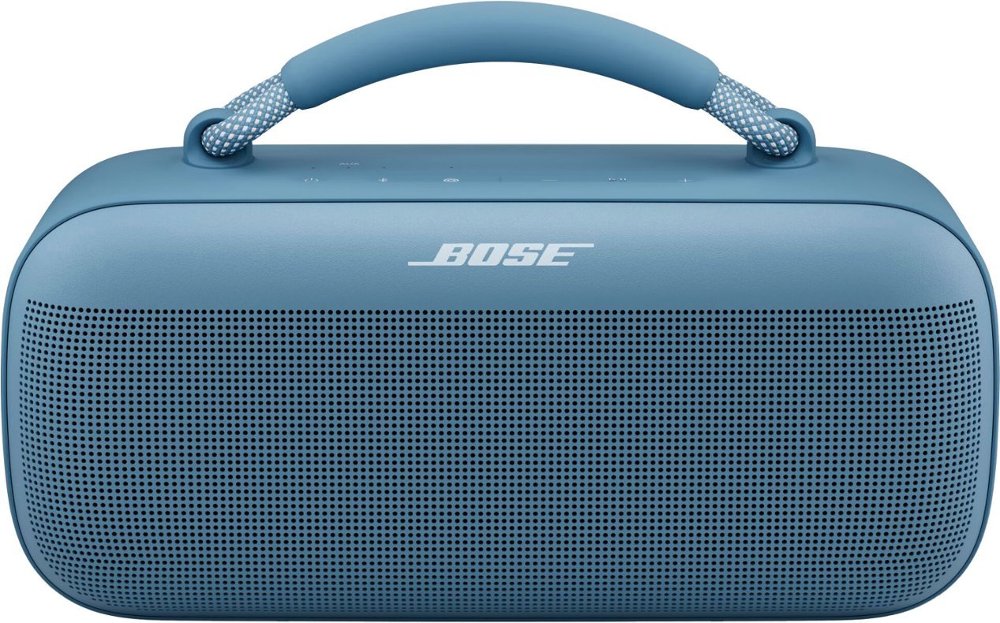
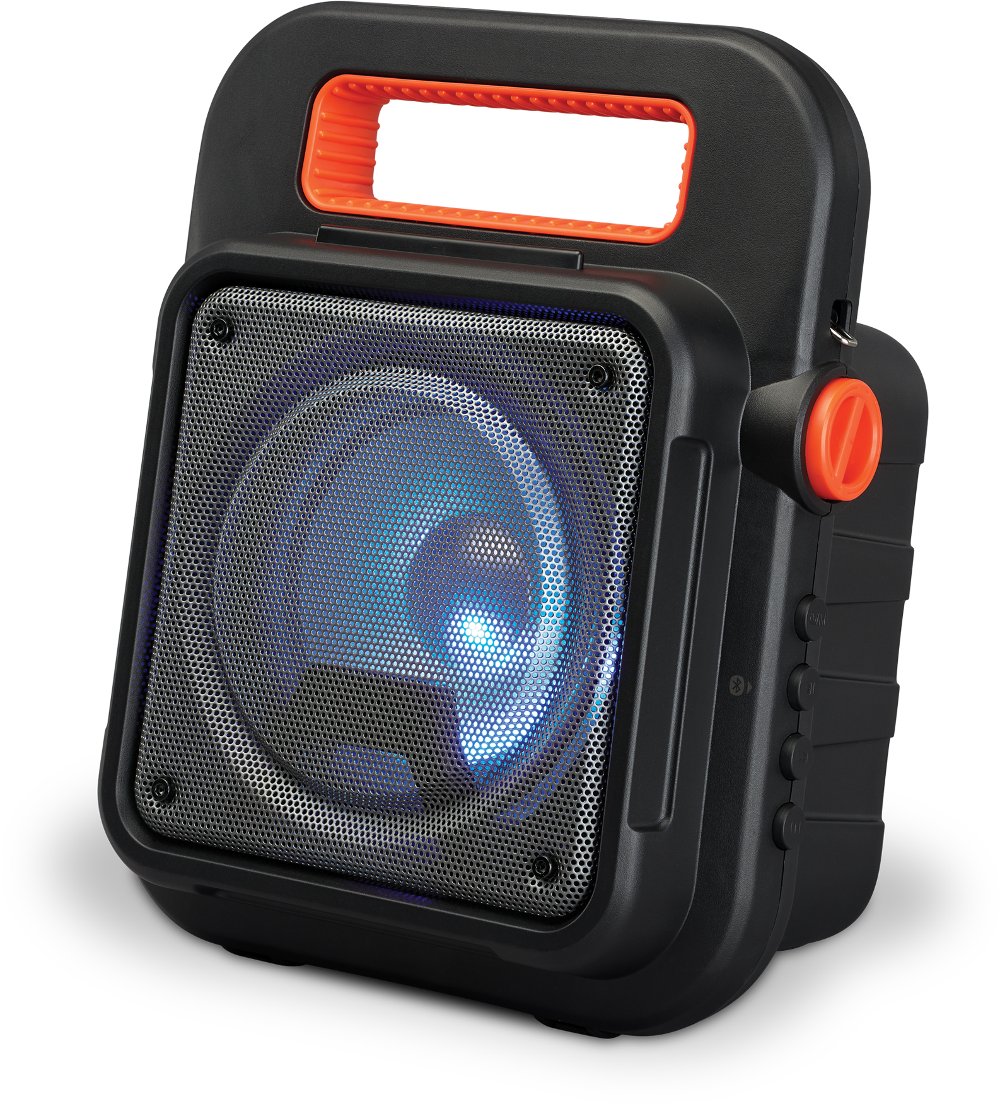
Chargeable speakers, more commonly called rechargeable speakers, use a built-in battery to play audio without staying plugged into an electrical outlet. Most connect wirelessly to a phone, tablet, or laptop through Bluetooth, while some also include an auxiliary input for compatible wired devices. That combination makes them useful for music at the kitchen counter, podcasts beside a favorite chair, or an audiobook that follows along from room to room. Portable Bluetooth speakers range from compact designs that slip into a tote to larger units with carrying handles and enough output for a gathering. The right size depends on both the space and the way the speaker will travel. A lightweight speaker is easy to move between a desk and a bedside table, while a larger cabinet generally leaves more room for drivers and bass-producing components. Size alone doesn’t determine sound quality, though. Clear vocals, balanced instruments, and bass that stays controlled are just as important as volume. Spoken-word listeners may appreciate speech clarity more than a deep low end, while someone building a workout playlist may prefer stronger bass and greater output. Wattage describes power, but it doesn’t provide a complete picture of loudness, clarity, or how sound carries through a room. Some designs spread sound in multiple directions, which can suit a table shared by several people; others sound best when positioned toward the listener. A single compact speaker may play in mono, even when the original recording has separate left and right channels. Certain compatible speakers can pair for stereo playback or share audio across multiple units, but those features depend on the system and aren’t universal. For everyday placement, a stable base and easy-to-reach controls matter, too. A speaker that sits securely on a shelf and responds to a quick volume adjustment can feel more convenient than a larger design that crowds the surface.
Battery life and charging details help distinguish rechargeable speakers that otherwise look similar. Advertised playtime usually reflects testing under particular conditions, often at a moderate volume, so actual listening time can vary. Higher volume, bass-heavy settings, decorative lighting, and charging a phone from the speaker can shorten the time between charges. Battery capacity is useful background, but the stated playback time and testing conditions offer a more practical sense of what to expect. A speaker used for an hour of music while making dinner has different demands than one expected to play throughout a long gathering. Charging time matters as well, especially when the speaker moves between home, work, and a travel bag. USB-C charging is common, though some rechargeable designs use another connector or a dedicated power adapter. A USB port doesn’t automatically support audio playback, and it doesn’t necessarily provide power to another device; those functions need to be listed separately. Fast charging also requires support from the speaker and an appropriate power source. For a tidy everyday setup, consider where the charging cable will reach and whether the speaker can sit comfortably in that spot without blocking its controls. Bluetooth makes a direct wireless connection to a compatible source device, but walls, distance, and interference can affect performance. A phone playing music in one room may lose its connection when carried farther away. Some speakers remember several paired devices, while models with multipoint support may maintain connections with more than one device at a time. These are different capabilities, and switching behavior varies. An auxiliary input can be useful with compatible equipment that doesn’t support Bluetooth. Built-in microphones, speakerphone functions, app-based equalizers, and voice controls are optional features rather than standard parts of every rechargeable speaker. For someone who simply wants to press play, straightforward buttons and clear battery indicators may be more valuable than a long list of extras.
Materials and construction shape how a rechargeable speaker feels in daily use and how well it suits its surroundings. Fabric-covered cabinets can blend comfortably with upholstered furniture, while metal grilles, molded plastic shells, and rubberized edges offer different combinations of structure, weight, and grip. A textured exterior or secure carrying strap can make a speaker easier to handle, but no finish makes every bump harmless. Dust and water resistance also vary. An IP rating describes tested protection against specified types of exposure; it isn’t a blanket promise against every spill, immersion, or impact. An IP67 rating, for example, indicates dust-tight construction and protection during temporary immersion under defined test conditions. It doesn’t establish drop resistance or guarantee protection from pool chemicals or salt water. Any protective port covers need to be secured as directed, and charging connections should be dry before plugging in a cable. For routine care, a soft, dry cloth is a sensible starting point, with the manufacturer’s cleaning directions taking priority. Spraying cleaner directly onto a grille or charging port can damage components, and abrasive scrubbing may wear away finishes. Keeping the speaker away from excessive heat and charging it with compatible equipment helps support dependable use. Within the broader Sound Speakers category, rechargeable designs stand out for flexible placement and listening away from an outlet. They can complement a larger home audio setup rather than replace it, bringing familiar playlists to places where dedicated speakers would be impractical. They also make thoughtful gifts for students furnishing a first apartment, frequent travelers, podcast fans, or anyone who likes music close at hand. A compact shape, comfortable handle, readable controls, and compatibility with the recipient’s phone can matter more than an elaborate feature set. The most satisfying fit is a speaker that feels easy to carry, sounds clear at the volume it will actually be used, and has the battery endurance to keep pace with everyday listening.
Read More