Chef cooktops bring the active cooking surface directly into your kitchen layout, giving you a practical place to simmer sauces, sear vegetables, boil pasta, and prepare family meals from scratch. Unlike a range, a cooktop installs into a countertop with the oven positioned separately or placed elsewhere in the kitchen, which gives you more flexibility during a remodel or new-home project. Chef cooktops are available in gas, electric, and induction styles, with compact two-burner designs for smaller spaces, standard 24- to 30-inch layouts for everyday kitchens, and wider 36-inch configurations for cooks who regularly use several pans at once. When choosing a cooktop, start with the opening already available in your countertop, or confirm the cutout dimensions planned for a new installation. The overall width matters, but the depth, required clearances, electrical needs, gas connection, and ventilation requirements matter just as much. A cooktop should fit comfortably within the counter while leaving enough room for safe pan handling and food preparation on either side. If you’re replacing an existing surface, measure carefully and review the installation requirements before ordering. A remodeling contractor or qualified appliance installer can help confirm that the electrical circuit, gas line, countertop opening, and ventilation setup are ready for the model you select. For a broad selection of cooking surfaces and kitchen appliances, explore New Cooktops and compare the features that best match the way you cook.
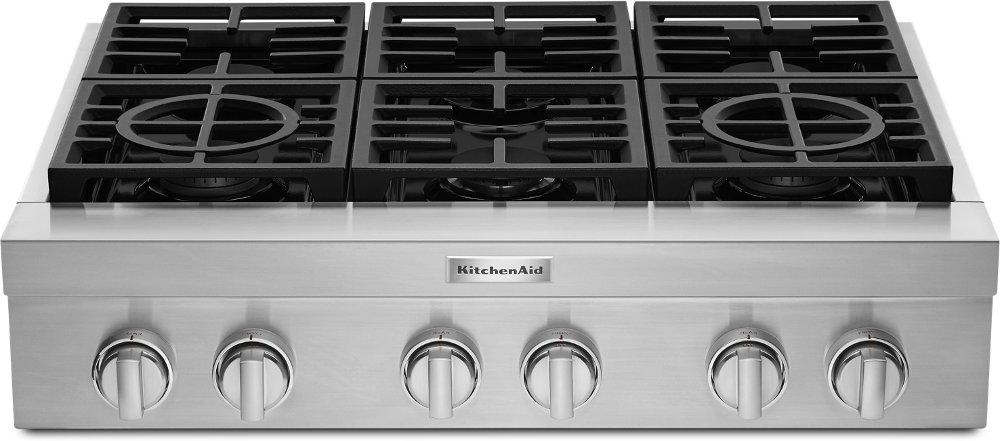
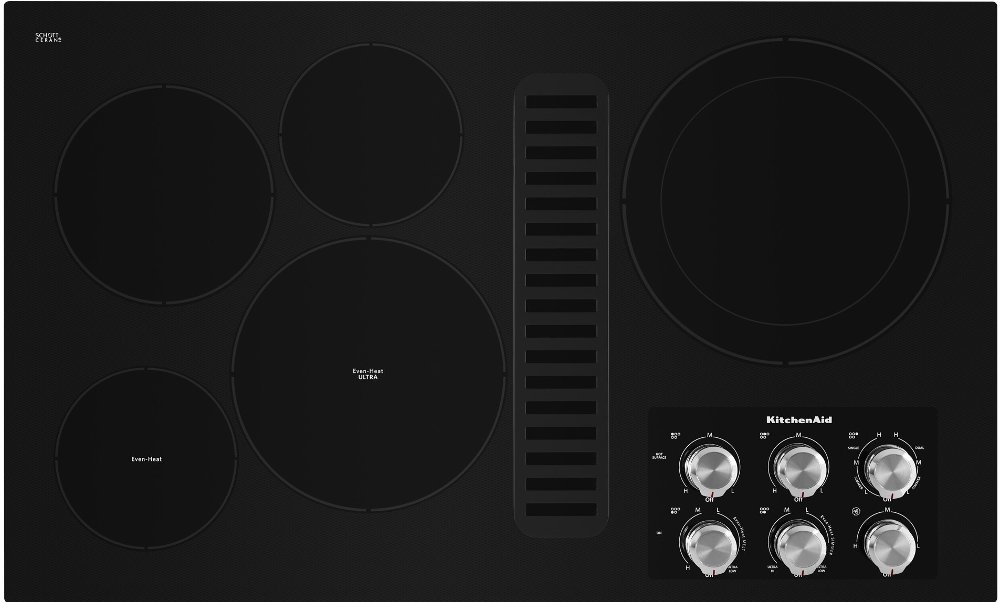
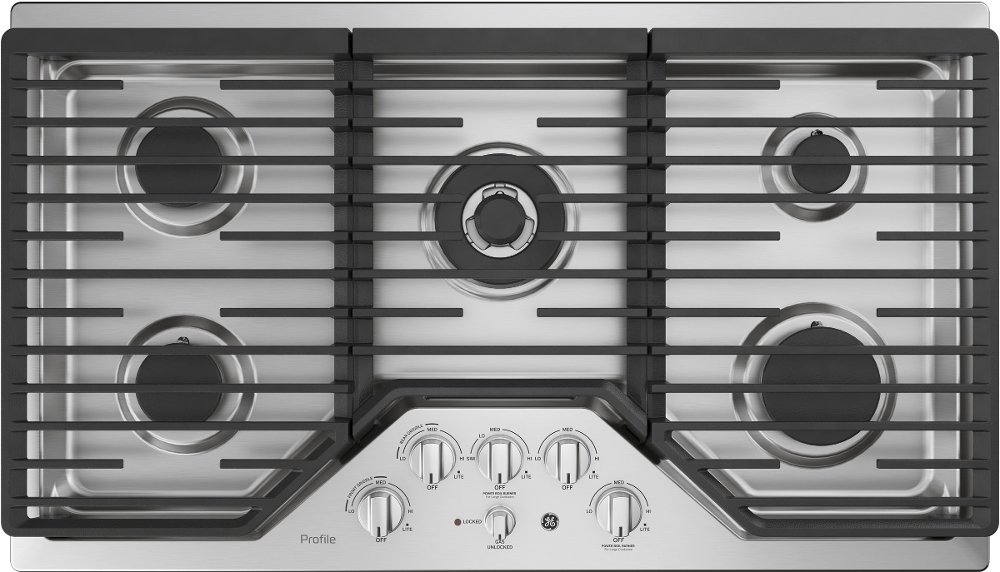
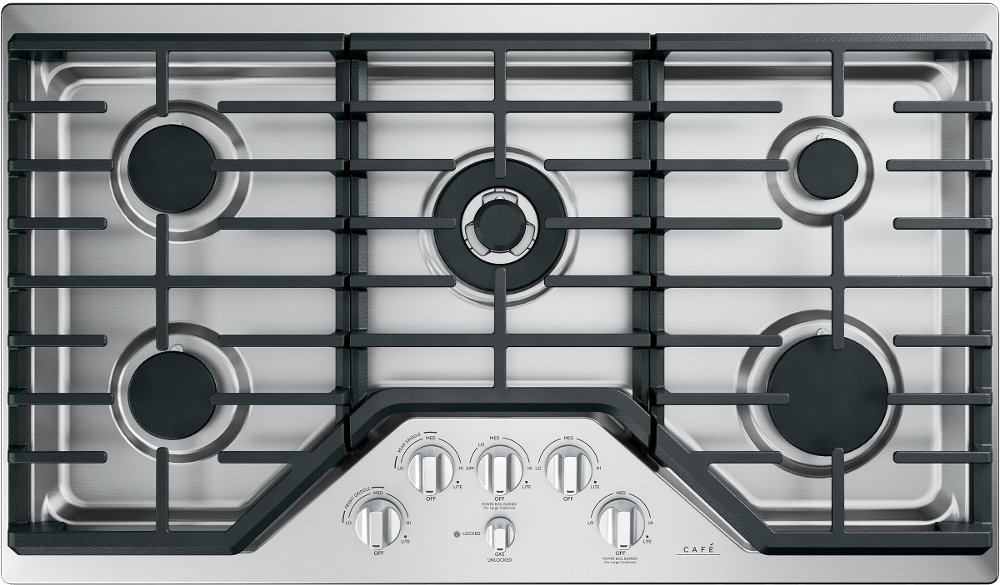
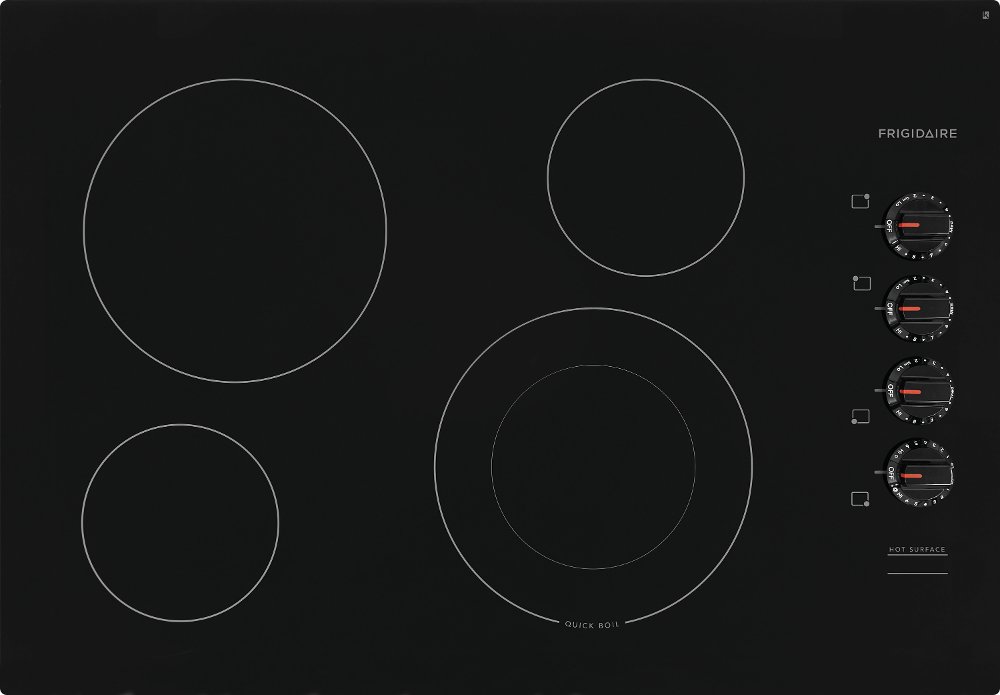
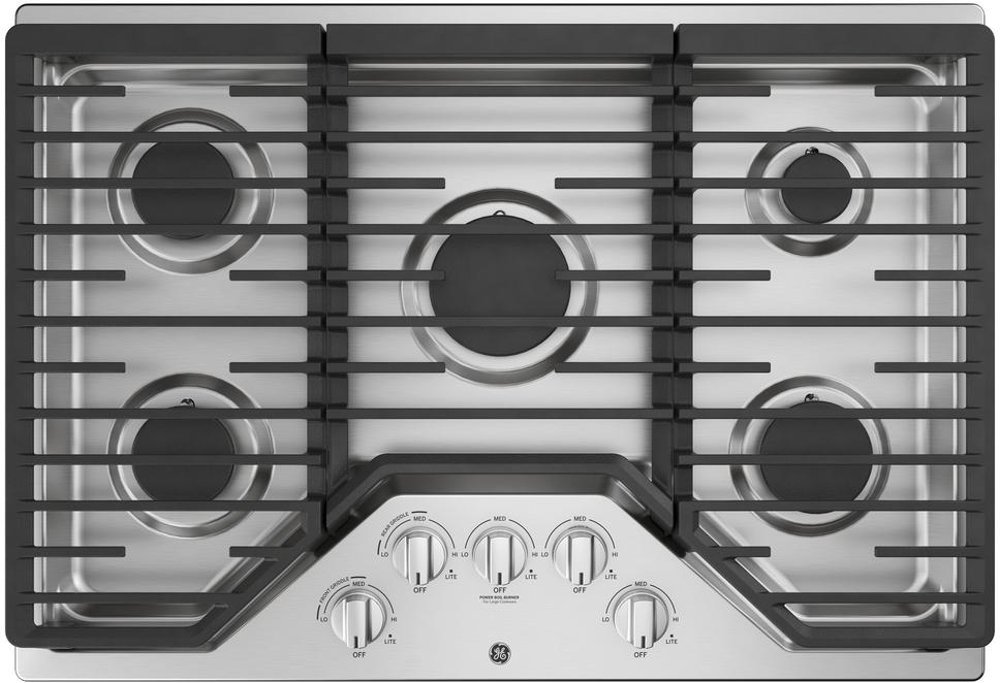
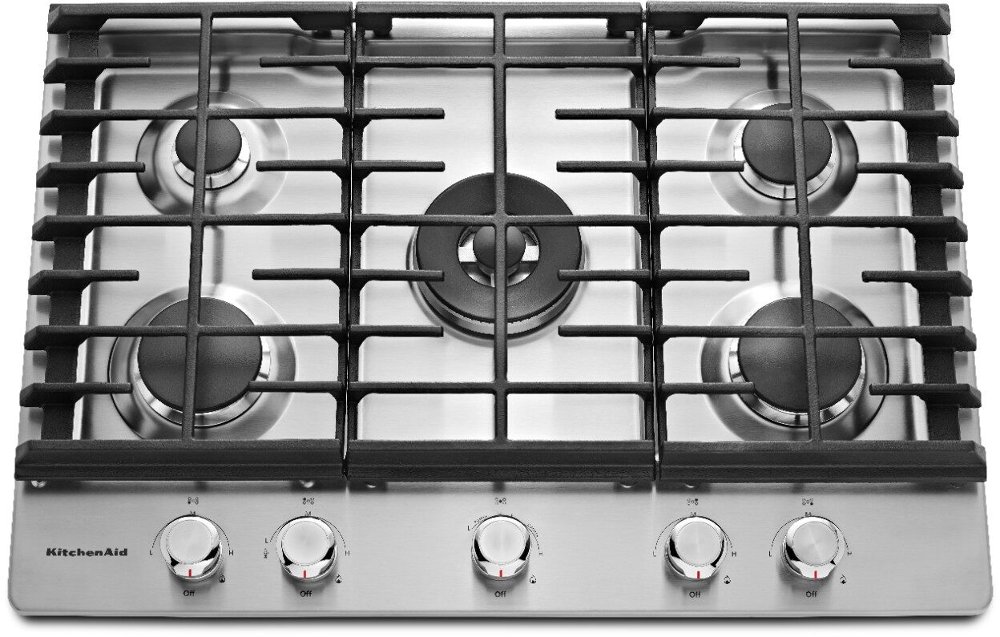
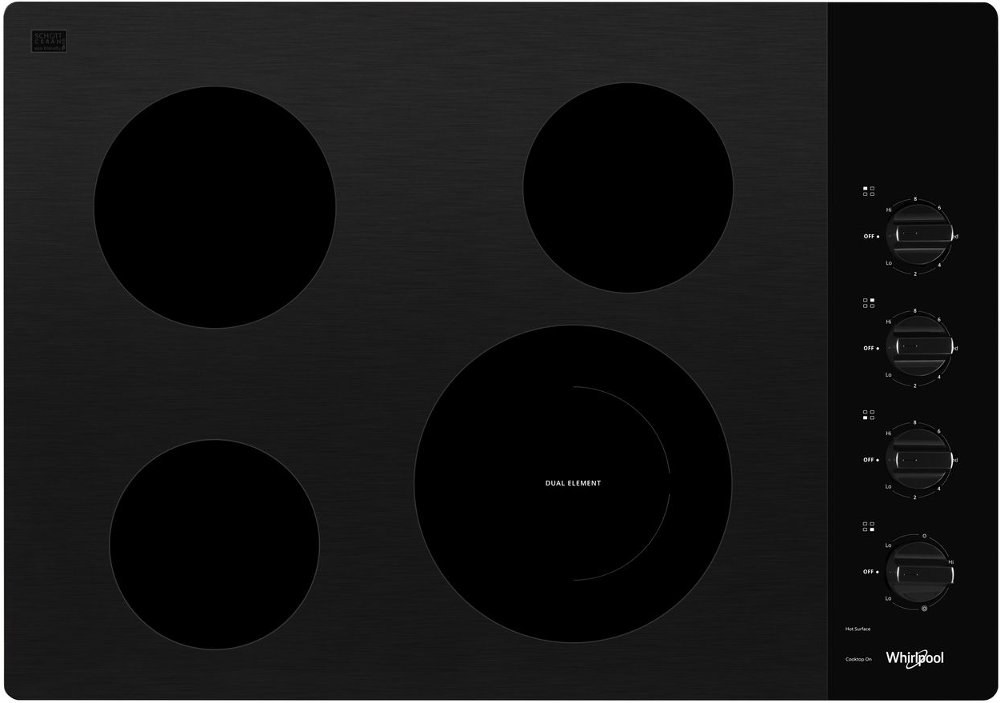
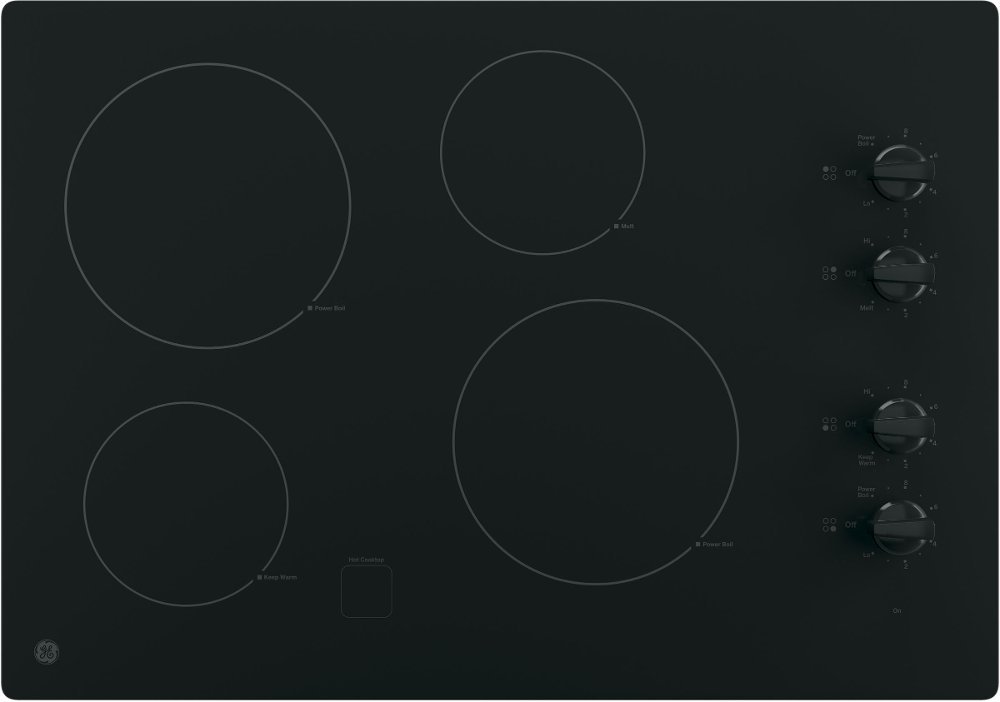
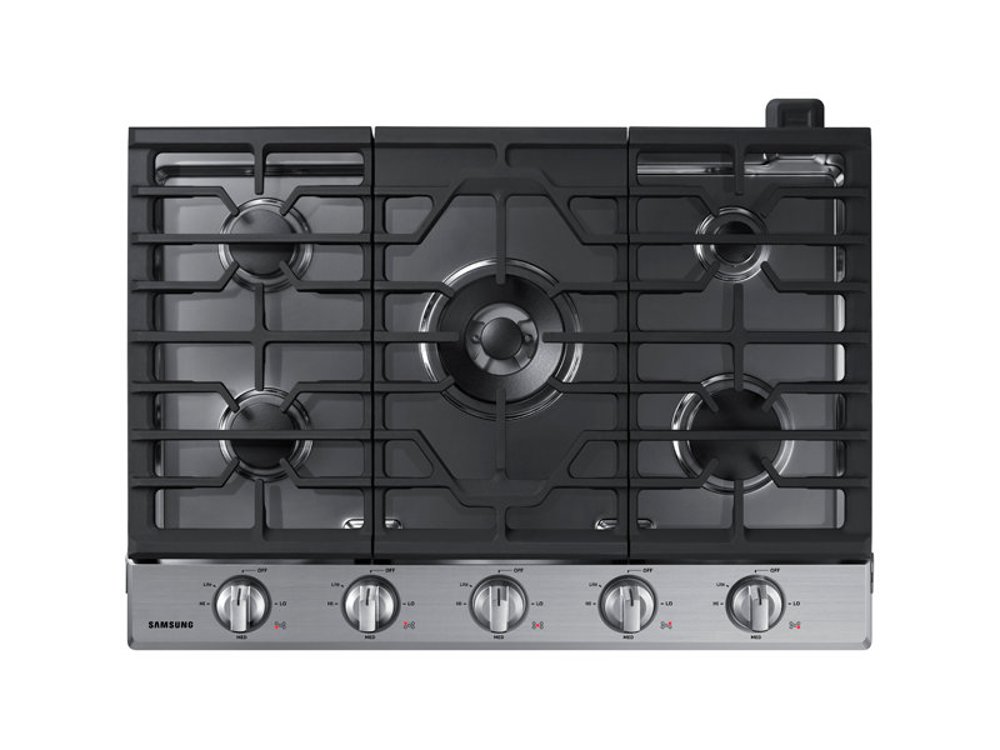
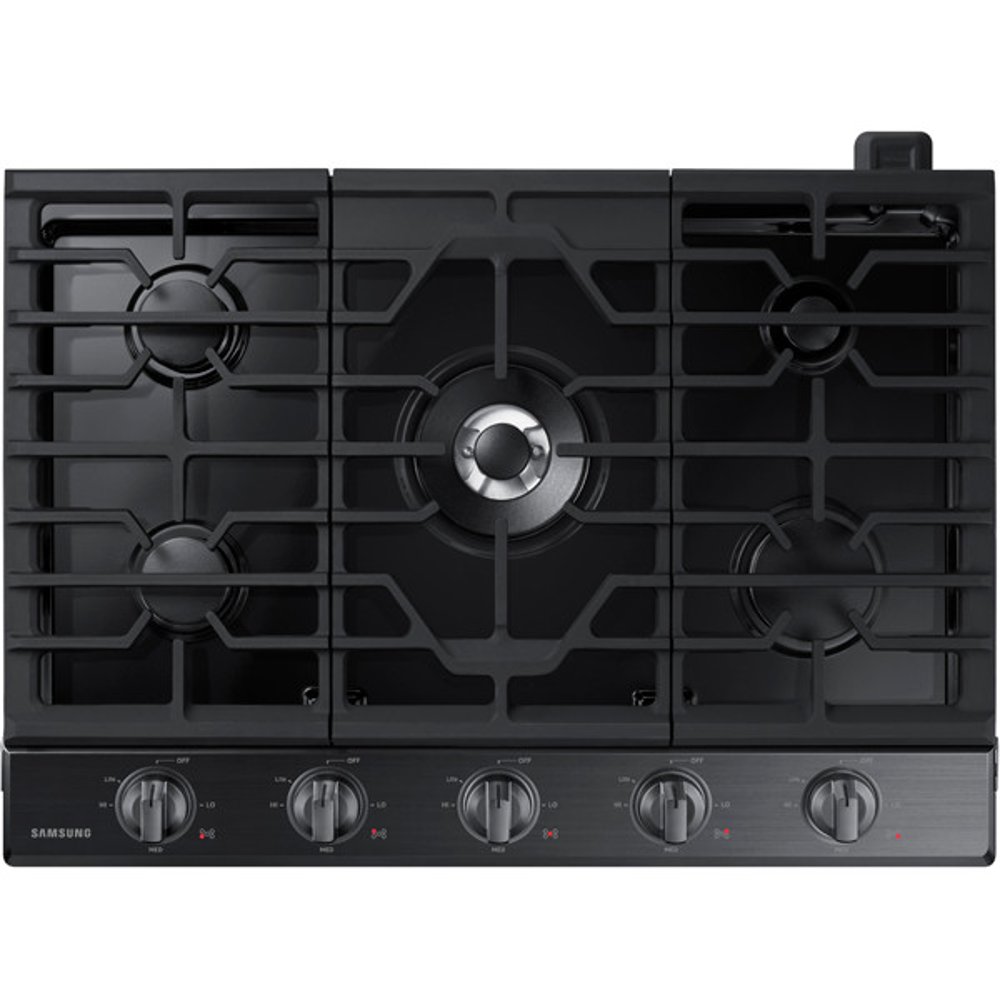
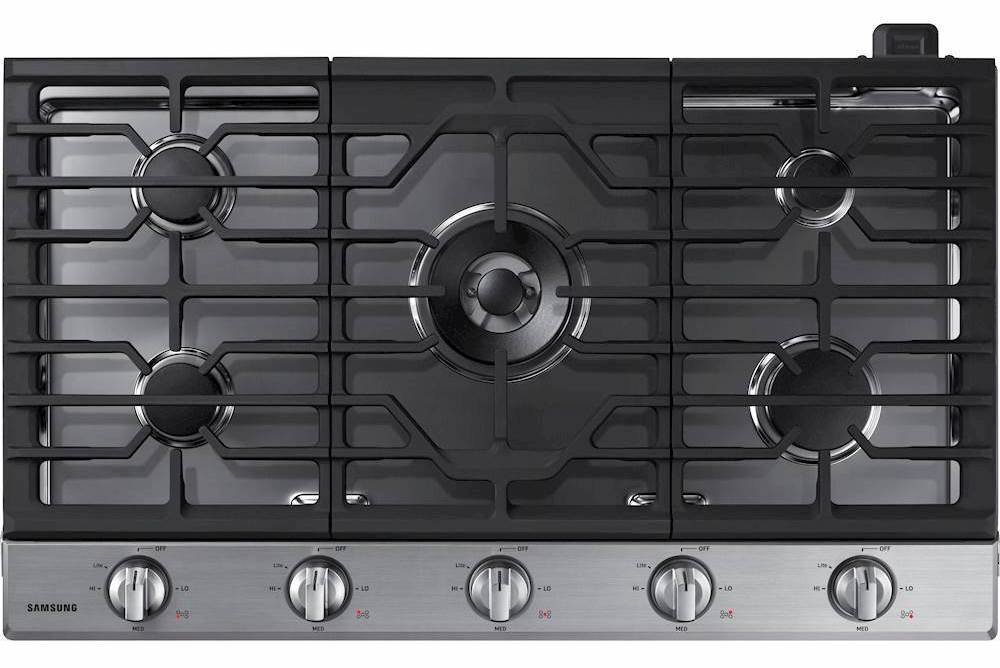
Gas chef cooktops appeal to home cooks who enjoy immediate, visible heat and the ability to adjust a flame with a quick turn of a knob. They’re especially useful for recipes that move between high heat and a gentle simmer, such as stir-fries, pan sauces, soups, and slow-cooked grains. Many gas layouts include burners with different output levels, so you can use a powerful burner for bringing a large pot of water to a boil and a smaller burner for warming butter or keeping a sauce just below a simmer. Open-flame designs may include sturdy cast-iron grates that support heavier cookware and let you move a pan across the surface without lifting it. Sealed burners help contain spills and simplify cleanup, while flame-failure or thermocouple safety features can shut off the gas supply if the flame goes out. Some gas cooktops support natural gas or liquid propane installation, but conversion and connection should always follow the manufacturer’s instructions and local requirements. Electric cooktops provide a steady cooking surface without an open flame and can be a convenient choice for kitchens with an appropriate electrical connection. Smooth ceramic-glass surfaces create a streamlined appearance and wipe clean once they’ve cooled, while solid electric plates offer familiar, straightforward heating with dial or knob controls. Electric models may also include residual-heat indicators, which show that a cooking zone remains warm after use. Induction chef cooktops use magnetic energy to heat compatible cookware directly, allowing water to boil quickly and giving you responsive temperature control. Because the cookware itself becomes the primary source of heat, the surrounding surface generally stays cooler than a traditional electric or gas cooking surface, although it can still become warm from contact with a hot pan. Induction can also be an efficient option for busy households, but it requires magnetic cookware, such as cast iron or many stainless-steel pans. A simple magnet test can help determine whether an existing pot or pan will work.
Think about your cooking habits as you compare chef cooktops. A frequent entertainer may appreciate four or five cooking zones, generous spacing between burners, and a high-output area for a stockpot, griddle, or wok. Someone preparing simple meals in an apartment, guest suite, or smaller kitchen may prefer a two-burner or compact 24-inch layout that preserves valuable counter space. Families often benefit from easy-to-clean surfaces and controls that are simple to read, while enthusiastic cooks may prioritize precise heat adjustments, varied burner sizes, durable grates, or flexible induction zones that accommodate different pan shapes. Control placement is worth considering, too. Front controls can be convenient when the cooktop is installed against a wall, while a clear, uncluttered surface may suit an island installation. Look for features that support safe, comfortable use, including automatic shutoff functions, child-lock controls, hot-surface or residual-heat indicators, and stable grates or cooking zones. Cleanup is easier when spills are addressed after the surface has cooled; gas grates and burner caps may need occasional removal and washing, while glass surfaces call for cookware with smooth bottoms and cleaners made for ceramic or induction tops. Keep ventilation in mind, especially with gas cooking, since capturing heat, steam, smoke, and cooking odors helps keep the kitchen more comfortable. Chef cooktops can make a thoughtful housewarming gift for someone moving into a new home, a couple planning a kitchen renovation, or a dedicated home cook upgrading an older cooking surface, although the recipient’s counter dimensions, fuel connection, cookware, and installation plans should be confirmed first. With the right fit, a cooktop becomes part of the daily rhythm of the kitchen: a quiet simmer while coffee brews, a pan of vegetables browning before dinner, or several family recipes coming together during the cooler months.
Read More