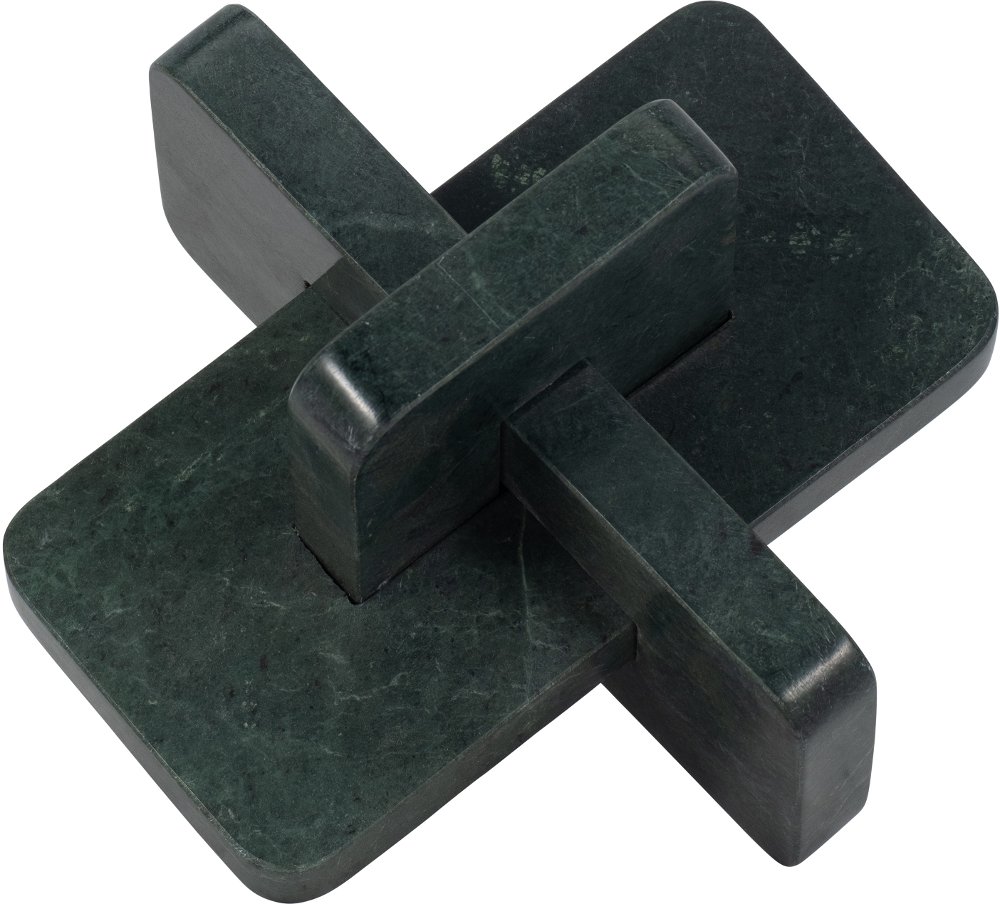
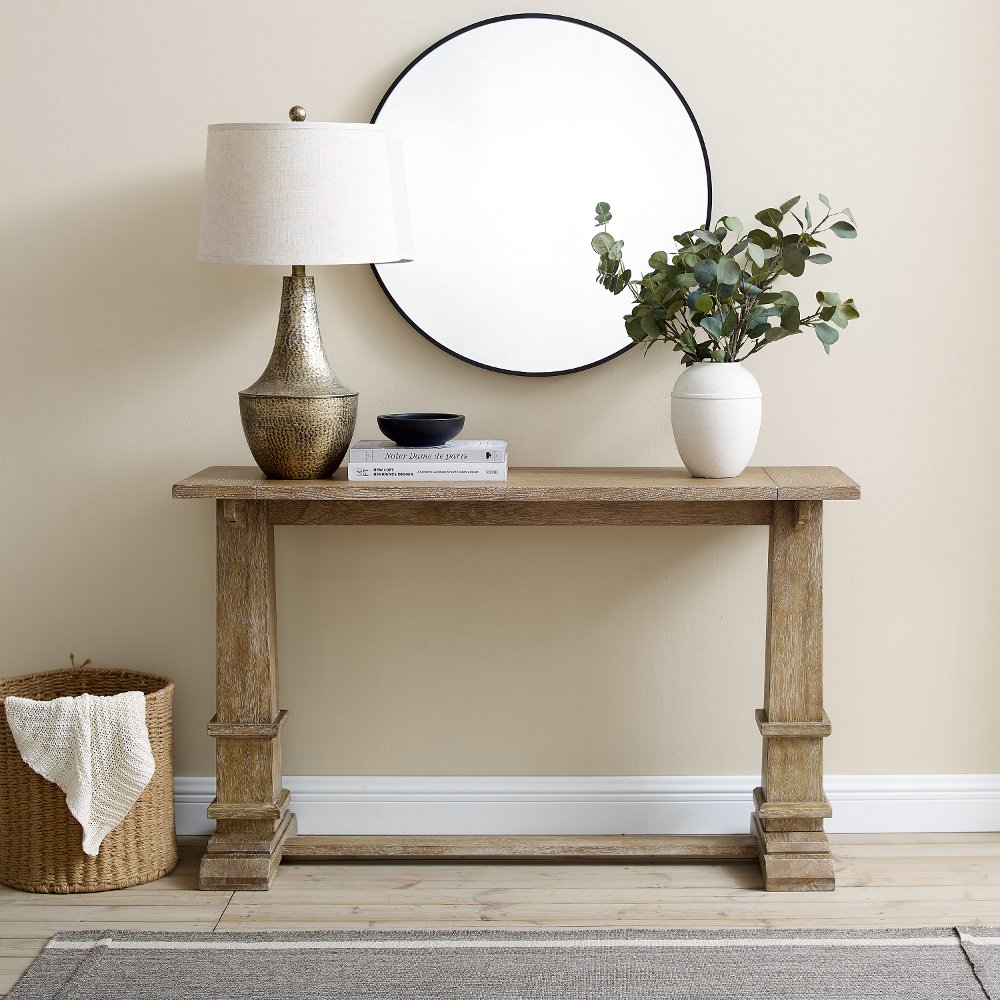
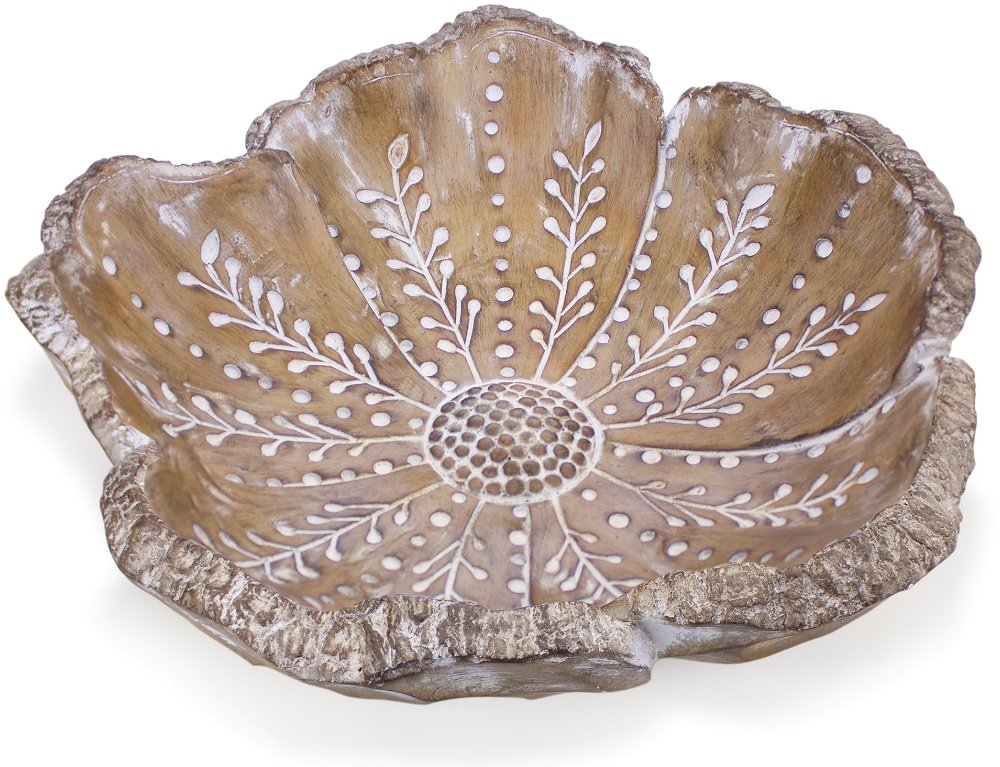
Coffee table decor includes trays, bowls, vases, and sculptural accents that give a living room personality without taking over its most useful surface. A foundation tray, varied heights, and an odd-numbered grouping of tactile or organic elements can create a balanced arrangement that feels relaxed rather than overly matched. A shallow tray beside a rounded vase and a small textured accent, for example, gives the eye three distinct shapes to follow. The tray also brings practical order to a surface that might otherwise collect remotes, reading glasses, and everyday odds and ends. Decorative pieces work best when they connect with the room around them: a warm wood finish can echo nearby shelving, a ceramic vessel can repeat a color from a rug, and a clear glass accent can add interest without visually crowding a small seating area. There’s no need for every finish to match. The contrast between smooth glass, woven fibers, and subtly grained wood often feels more personal than a perfectly coordinated set. For a room with clean-lined seating, a curved bowl or softly rounded vase introduces an easy contrast. In a space with plush upholstery and layered fabrics, a simple metal or stone accent can give the arrangement definition. Coffee table accessories also offer a manageable way to express your taste when larger furniture pieces need to stay neutral. A favorite color, an interesting silhouette, or a finish that catches the light can make the table feel connected to the people who live there. For spaces with a more refined feel, Elegant Tabletop Decor offers another way to explore that look without making every surface formal. The most inviting arrangements leave room for real life, whether that means setting down a mug, sharing a snack, or opening a book at the end of the day. The result feels collected and comfortable, with enough detail to draw attention and enough open space to remain useful.
Size and proportion matter as much as color when choosing coffee table decorations. A broad, low bowl can give a large rectangular table a clear focal point, while a compact grouping keeps a smaller round table from feeling crowded. On an oval surface, curved accessories can echo the outline; on a square table, a round tray can soften the geometry. The useful footprint includes more than the base of an object. Wide vase openings, projecting handles, and sculptural branches can extend beyond the space they appear to occupy, so their full dimensions deserve attention. Height matters, too, particularly when the table sits between people talking or directly in front of a television. Low-profile accents preserve those sightlines, while a modestly taller piece adds variation without becoming a barrier. For a household where the coffee table regularly doubles as a game surface or casual workspace, a tray with secure, comfortable handles can make the decorative grouping easier to move. Its loaded weight matters, especially when it holds stone, thick glass, or several ceramic pieces. A tray used to serve food or drinks also needs a finish and construction intended for that purpose; a decorative tray isn’t automatically food-safe or resistant to spills. Families with young children or curious pets may prefer broad-based, lightweight accents over narrow, top-heavy shapes, sharp edges, or small loose fillers. A fabric-covered ottoman used as a coffee table brings another consideration: a firm tray can provide a more level resting place, but the upholstered surface underneath still needs to feel stable. Smaller living rooms often benefit from fewer pieces with distinct shapes rather than many tiny accessories. Larger tables can support a more generous arrangement, provided there’s still a clear landing spot within easy reach of the seating. These everyday details help decorative objects feel like part of the room instead of something everyone has to work around. A display that can stay in place during a conversation, yet move easily for a board game, suits the way many living rooms actually function.
Materials influence both the look of coffee table decor and how comfortably it fits your routine. Wood brings visible grain and warmth, though its finish may need protection from standing moisture and hot cups. Ceramic offers everything from smooth glazed surfaces to earthy, textured finishes; unglazed or porous pieces may absorb moisture, and a decorative vase should only hold water if it’s made for that use. Glass can make an arrangement feel lighter, but fingerprints and dust tend to show on transparent or glossy surfaces. Metal adds contrast in brushed, polished, or softly aged finishes, with care needs that vary by coating. Stone has natural character and a substantial feel, although some varieties can stain or react to acidic spills. Felt or another surface-safe backing can help reduce contact between a rough base and the tabletop, but it’s worth checking underneath accessories periodically for grit that could scratch the finish. Routine care is usually easier with a small, intentional collection: fewer pieces mean fewer objects to lift when wiping the table. Manufacturer care directions should guide cleaning, especially for mixed-material accents, delicate coatings, and woven details that can trap dust. Durability also depends on use. An object that works well on a quiet display table may be less suitable beside a busy sectional where bags, feet, and toys frequently pass through. For a housewarming or wedding gift, a versatile decorative bowl or tray can be a thoughtful choice when its dimensions, finish, and upkeep suit the recipient’s home. Neutral colors can offer flexibility, while a familiar texture or favorite hue makes the gift feel more personal. Coffee table decor doesn’t have to fill every inch to make an impression. Well-proportioned accessories with pleasing textures and practical placement can bring the seating area together while keeping its central surface ready for everyday use.
Read More