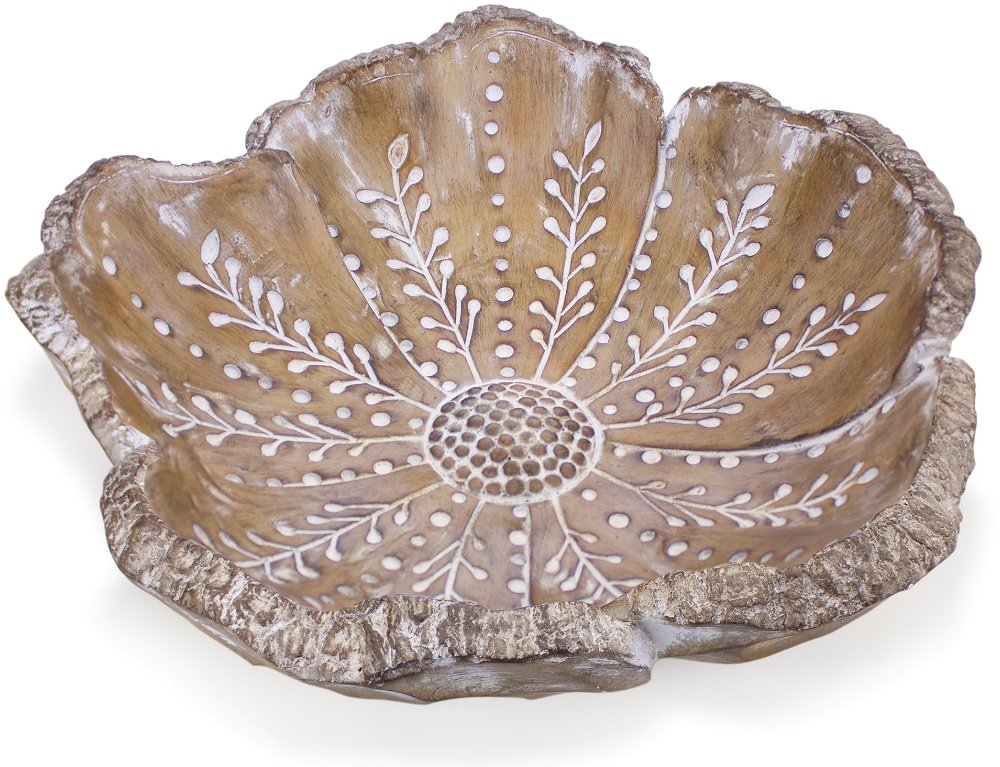
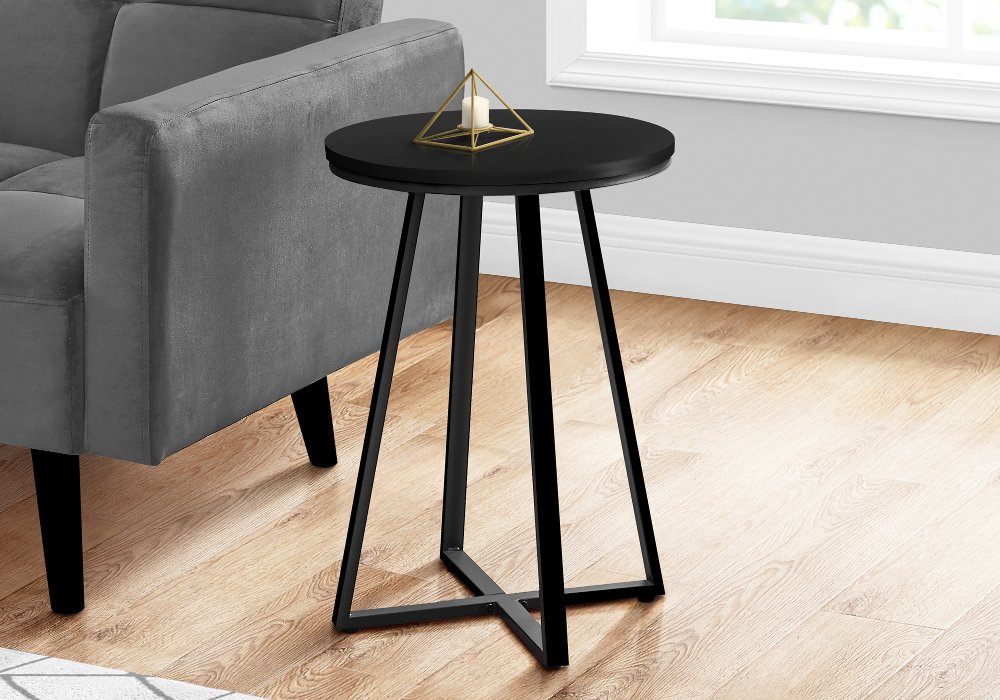
Entryway table decor brings height, texture, and everyday usefulness to the space that welcomes you home. Decorative bowls, trays, vases, lamps, framed photos, and sculptural accents can give a console table personality while keeping essentials close at hand. A shallow tray offers a landing spot for keys; a vase adds shape; a lamp provides a comfortable pool of light beside the door. The most inviting combinations leave enough open surface to set down a bag or sort the mail without disturbing the display. Because an entryway often connects several rooms, its accessories can pick up colors and finishes from nearby furniture without matching every detail. A warm wood accent might echo a living room coffee table, while a ceramic vessel repeats the soft blue in a rug. Taller pieces give the arrangement a focal point, and lower bowls or boxes make the surface useful without blocking the view into the home. Decor that suits the proportions of Entryway Accent Tables feels comfortable rather than crowded. On a narrow tabletop, compact accessories with smaller bases preserve valuable depth. A wider console can accommodate a substantial lamp or a broad decorative bowl while still leaving a practical landing area. The wall above the furniture matters, too: a mirror or piece of art can visually connect the table to the surrounding space, giving smaller accents a backdrop. An open-frame console often benefits from a few substantial accessories, while furniture with detailed carving or a bold finish may need less decoration. For an apartment entry, that might mean a slim tray, one framed photograph, and a compact lamp. In a larger foyer, a taller vase and a generously sized catchall can hold their own beside substantial furniture. Different heights create interest, but a few clear shapes usually feel more relaxed than a tabletop filled edge to edge with small objects.
Materials influence both the appearance of entryway accessories and how comfortably they fit into daily life. Ceramic brings anything from a smooth glazed sheen to an earthy, textured finish, making it useful for adding depth to otherwise simple furniture. Glass keeps a display visually light, particularly on a slim console or in a small foyer where heavy-looking accents could overwhelm the space. Wood adds warmth, while metal can introduce a crisp outline, a soft brushed finish, or a darker contrast against pale walls. Natural stone has a substantial presence, although its weight and care requirements deserve attention before it sits on a delicate surface. Woven baskets and fabric-lined containers soften the overall arrangement and can keep small belongings together. Each material has practical considerations: unglazed pottery and some stone can absorb moisture, glass can show fingerprints, and rough accessory bases may mark furniture if they slide across it. Felt pads or an appropriate protective layer can help protect the tabletop, provided they’re compatible with its finish. Vases holding fresh stems need a watertight interior or a suitable liner, and spills deserve prompt attention, especially on wood furniture. Gentle dusting and cleaning according to the manufacturer’s directions help preserve decorative finishes; an abrasive cleaner that works elsewhere in the home may damage a painted, plated, or glazed accent. In a busy household, sturdy accessories with broad bases are often easier to live with than narrow, top-heavy pieces. Families with young children or curious pets may prefer less breakable accents away from the table’s edges. Heavy objects still need a stable surface, and wall decor needs hardware appropriate for its weight and the wall material. If a table lamp is part of the arrangement, its base, shade, and cord should fit the space without crowding the walkway, interfering with the door, or creating a tempting pull point.
The right entryway accessories support the way your household actually comes and goes. For someone who carries keys, sunglasses, and earbuds every day, a divided tray or decorative box can make departure a little smoother. A couple sharing a small entry may appreciate separate catchalls, while a family might find a basket on a lower shelf useful for keeping frequently used belongings together. Those practical pieces can still contribute to the look of the room. A lidded box creates a tidy silhouette, a textured bowl adds character, and a framed photo makes the space feel personal rather than staged. Style preferences help narrow the choices without requiring a rigid decorating formula. Modern entryway table decor often emphasizes clean profiles, sculptural forms, and a limited palette. Traditional spaces can feel at home with rounded lamp bases, detailed frames, and warmer metal finishes. Relaxed interiors may lean toward woven textures, matte pottery, and wood, while a more polished setting can carry reflective glass and carefully chosen metallic accents. Mixing finishes works best when a color, shape, or texture gives the pieces something in common. A black frame can relate to a dark lamp base, for example, even when the materials differ. Existing artwork, meaningful photographs, and favorite keepsakes also belong in the mix; decorative accessories should make those personal details feel at home. For a housewarming or wedding gift, a versatile frame, understated vase, or useful catchall can be a thoughtful choice when it suits the recipient’s taste and available space. Smaller footprints are especially considerate for someone furnishing a first apartment. Whether the entry is a dedicated foyer, a hallway beside the stairs, or a small area just inside the front door, well-proportioned decor helps it feel welcoming and easy to use. There’s room for character without sacrificing the clear surface that makes an entryway table so useful.
Read More