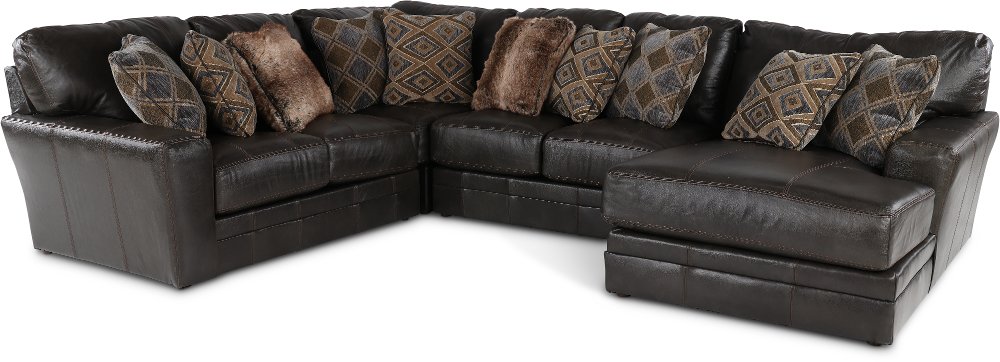
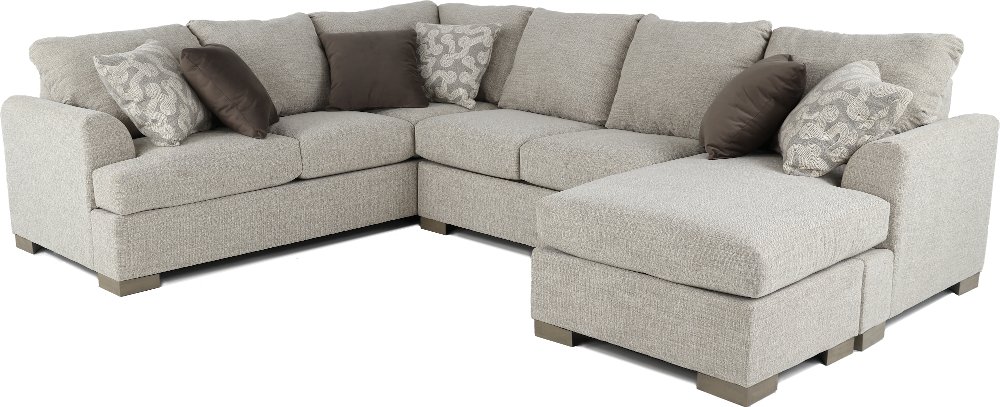
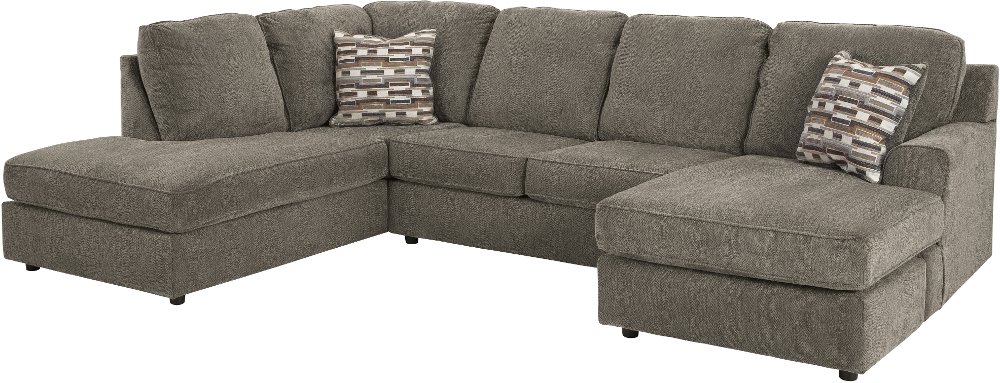
Comfortable reclining sectionals bring together the generous seating of a sectional sofa and the relaxed support of a recliner, giving everyone a comfortable place to settle in. They’re a natural fit for family rooms, media rooms, open living spaces, and any home where relaxing together matters. Instead of arranging separate sofas and chairs, a reclining sectional can create one connected conversation area with room to stretch out, watch a movie, read, play games, or enjoy a quiet afternoon nap. Many designs include two or more reclining seats, while the center sections remain stationary for additional seating. Depending on the layout, you may also find chaise-style lounging areas, corner seats, storage consoles, cup holders, reading lights, USB ports, wireless charging surfaces, and adjustable headrests. These details can make everyday routines easier, especially when the sectional becomes the place where your household gathers after a long day. A comfortable reclining sectional can also be a thoughtful gift for a new homeowner, a growing family, or someone creating a welcoming entertainment space. For homes with plenty of seating needs, explore options such as Large Reclining Sectional Sofas to find a configuration that gives guests room to sit without crowding the room.
Before choosing a reclining sectional, measure the room carefully and consider how the furniture will work with the rest of your space. Record the width, depth, and height of the area, then measure doorways, hallways, stairways, and turns leading to the room. A sectional can look appropriately sized on a showroom floor yet feel overwhelming if there isn’t enough walking space around it at home. Leave comfortable clearance in front of each recliner so the footrest can open fully, and check the space behind the sectional if the back reclines or the headrest rises. Wall-hugger designs can be helpful in tighter rooms because they’re engineered to recline with less distance between the back of the sofa and the wall, although the exact clearance varies by design. Pay attention to the sectional’s orientation, too. A left-arm-facing chaise or corner may work beautifully in one layout and interrupt a doorway or walkway in another. Modular and reversible configurations offer more flexibility when your room arrangement changes, while a fixed configuration may provide a more tailored look. Think about the people who’ll use the sectional most often. A household that watches television together may appreciate multiple reclining seats and console storage, while someone who enjoys reading may value an adjustable headrest, supportive cushioning, and a nearby charging port. If children, pets, or frequent guests are part of daily life, choose upholstery that matches your routine. Performance fabrics and microfiber are popular for their soft feel and practical cleaning characteristics, while leather offers a smooth, classic surface that can develop more character over time. Review the care instructions for any material and consider color in relation to sunlight, flooring, rugs, and existing furniture. Neutral shades can blend easily as your style evolves, while deeper colors can help define a cozy gathering space.
The reclining mechanism is another important choice. Manual recliners typically use a handle, lever, or body weight to open the footrest and can provide straightforward operation at a budget-friendly price. Power reclining models use a button or touch control for smooth, gradual positioning, allowing each person to adjust the footrest, back, headrest, or lumbar support independently when those features are included. Power seating can be especially useful for people who prefer precise support or find manual levers difficult to operate, but it does require access to electrical outlets and thoughtful cord placement. Compare the control layout, range of motion, and included features so the sectional supports the way you actually relax rather than adding technology you won’t use. Comfort also depends on more than the ability to recline. Sit with your back supported and check whether the seat depth, arm height, lumbar area, and headrest feel natural. Cushion firmness is personal: plush cushioning can feel inviting for lounging, while firmer support may make it easier to sit upright and stand. Look for sturdy frames, smooth-moving mechanisms, even seams, and cushions that feel supportive from edge to edge. During the cooler months, a reclining sectional can become the heart of a warm living room, paired with soft throws, layered lighting, and a side table for books or drinks. As the weather shifts, it can continue serving as an easygoing gathering place for weekend visits, family celebrations, and everyday downtime. With the right size, material, layout, and features, comfortable reclining sectionals offer a practical way to make your living space feel more inviting while giving each person room to relax in their own way.
Read More