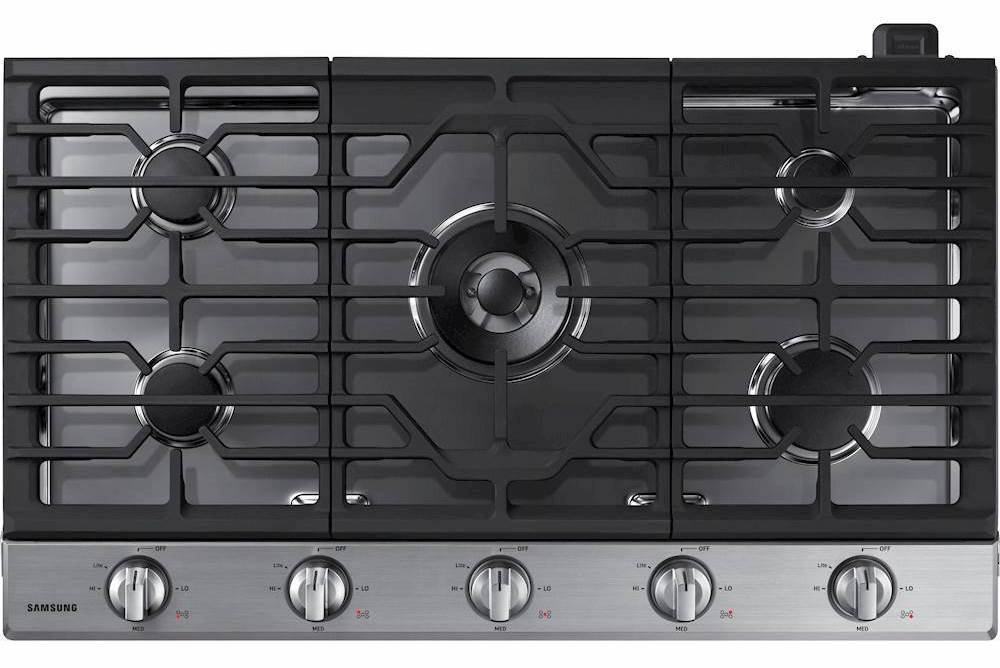
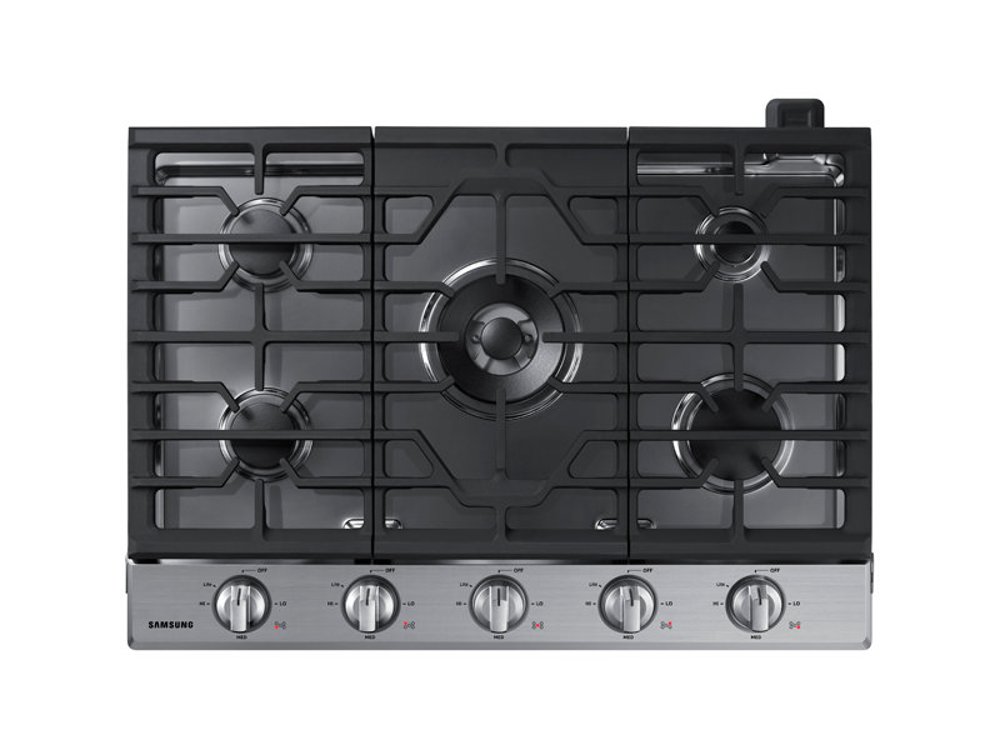
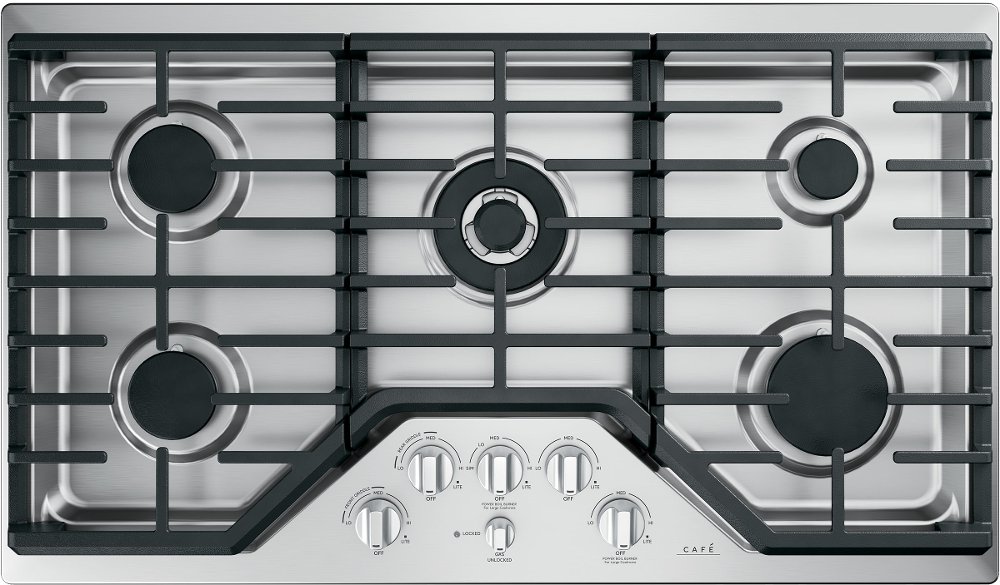
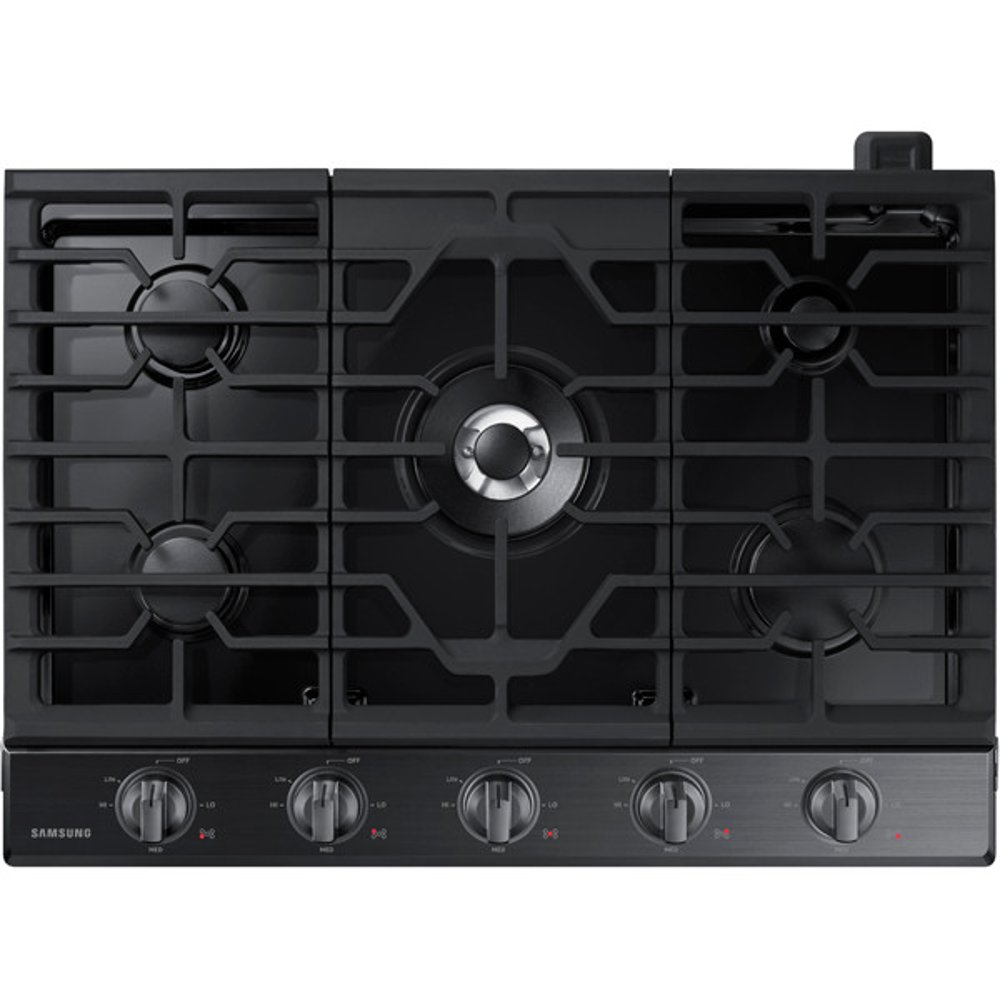
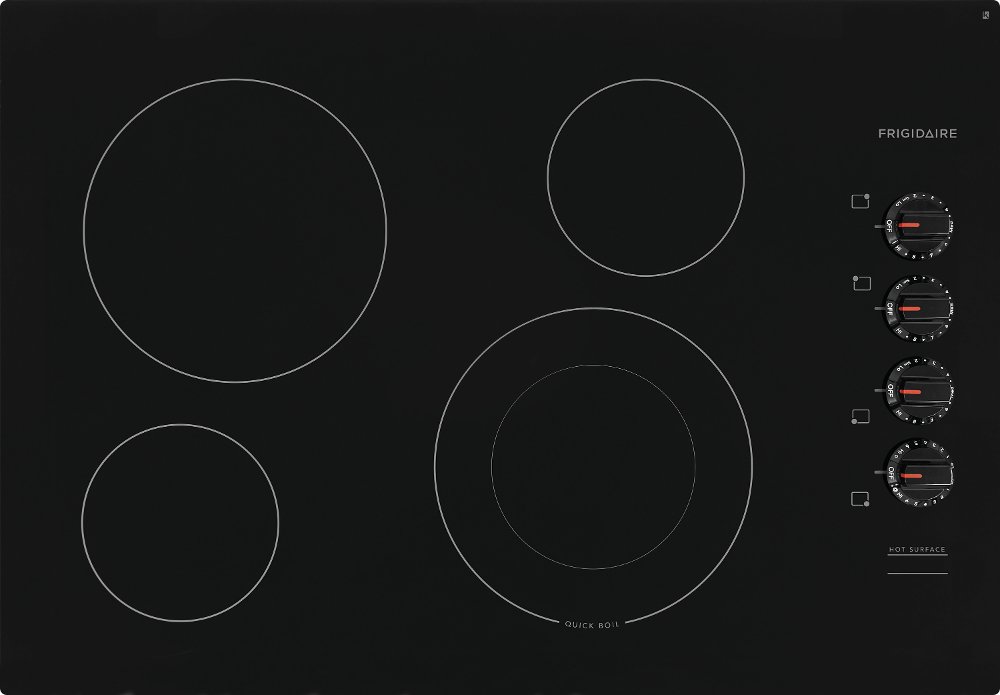
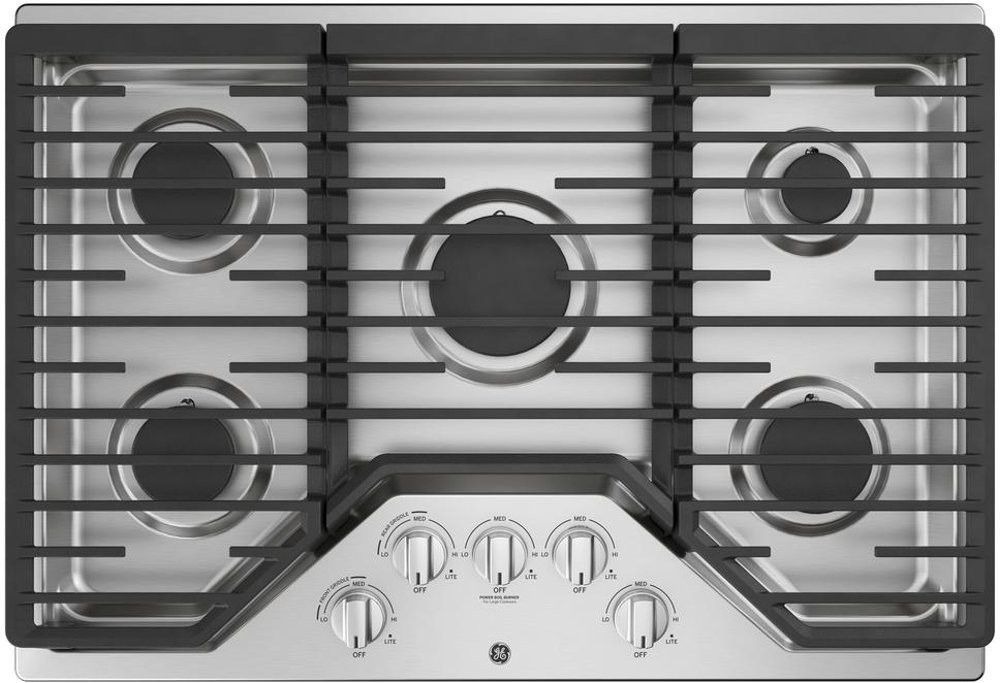
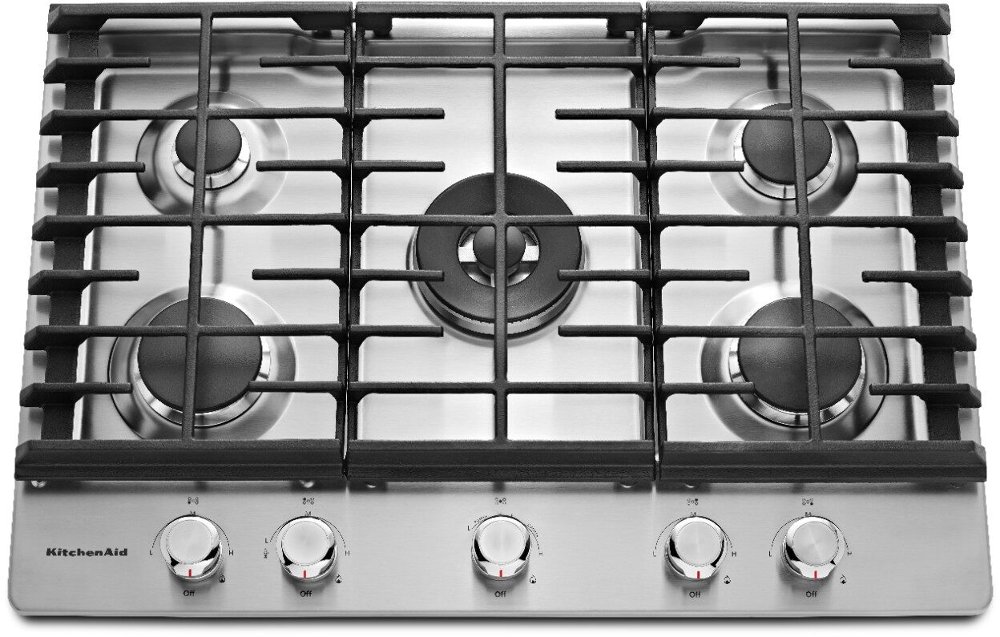
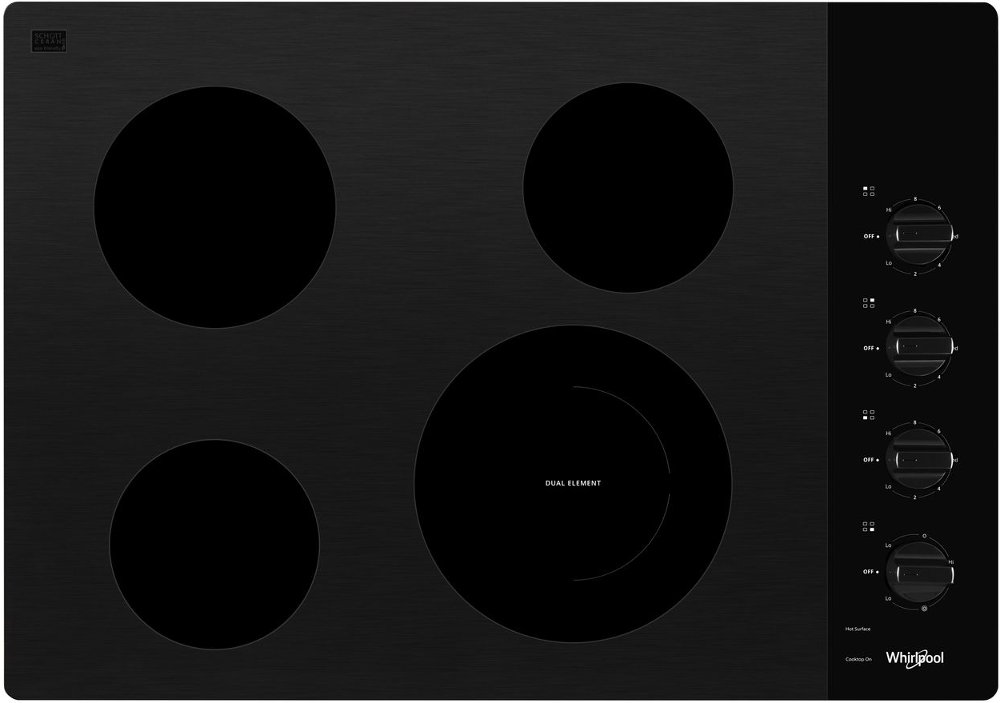
Cooktop griddles are broad, flat cooking surfaces that sit over a stove’s burners or fit into a designated cooking area on a compatible range. Their smooth surface gives pancakes room to spread, keeps chopped vegetables together, and makes it easier to slide a spatula beneath eggs or a golden grilled cheese sandwich. Unlike a skillet, a griddle typically has low sides, giving you more access for flipping and turning food. A single-burner stovetop griddle works well for smaller portions, while a double-burner griddle stretches across two heating zones to create space for several servings. Reversible griddles offer a smooth side for breakfast foods and sandwiches and a ridged side that leaves grill marks while allowing some fat to collect below the food. Model-specific griddle attachments are different from general-purpose stovetop pans: They’re designed to fit a particular burner layout, grate system, or opening, so compatibility matters more than an approximate measurement. Standalone electric griddles serve a similar cooking purpose but plug into an outlet and use their own heating element rather than the cooktop beneath them. For everyday meals, the appeal is simple: A larger, open surface can hold several tortillas, a row of French toast slices, or burgers and sliced onions without the tall walls of a roasting pan getting in the way. Couples may appreciate a compact surface for two breakfast sandwiches, while households that cook larger batches may prefer a rectangular griddle with room to turn several pieces at once. Frequent hosts can use that extra space for quesadilla wedges or warm flatbreads, and home cooks who enjoy diner-style breakfasts get a practical way to bring that experience into their kitchen. For a housewarming or wedding gift, a cooktop griddle can be a thoughtful choice when the recipient’s stove type, storage space, and cooking preferences are known. The most useful size is the one that fits both the appliance and the meals it will regularly help prepare.
Material affects how a cooktop griddle heats, handles, and holds up over time. Cast iron retains heat well once it’s fully preheated, making it a strong choice for browning burgers, crisping potatoes, and cooking repeated batches of food. Its weight can make moving and washing a large griddle more demanding, especially when handles are small or the kitchen sink is narrow. Carbon steel also develops a seasoned cooking surface and is often lighter than comparably sized cast iron, though weight and performance depend on thickness. Both generally need thorough drying and seasoning care to help protect against rust. Aluminum griddles are typically easier to lift and respond readily to changes in burner output; many have a nonstick coating that helps delicate foods release with less sticking. Ceramic-coated surfaces also offer easy-release cooking, but they still benefit from gentle utensils and heat levels that stay within the manufacturer’s recommendations. Enamel-coated cast iron has different care needs from bare cast iron and generally doesn’t require seasoning. Beyond material, stove compatibility should shape the decision. Gas cooktops need a stable fit on the grates, with the griddle positioned as the appliance manufacturer allows. Electric coil and smooth-top ranges have their own cookware requirements, and a large plate that bridges heating elements isn’t automatically suitable for either. On a glass cooking surface, a smooth, clean underside and careful lifting rather than sliding help reduce the chance of scratching. Induction griddles need a magnetic base, but magnetism alone doesn’t guarantee a good match: Base dimensions, contact with the surface, and the cooktop’s heating-zone configuration also matter. A bridge function may support a compatible rectangular griddle, while other induction layouts may heat it unevenly or fail to detect it correctly. Check both the appliance instructions and the griddle specifications before choosing. Measure usable cooking space, overall dimensions including handles, and nearby clearances. A griddle should sit securely without obstructing controls, vents, or adjacent cookware, and a model-specific attachment should match the exact appliance models listed by its manufacturer.
Thoughtful details make a difference once cooking starts. A shallow perimeter channel can collect small amounts of grease or batter, while a defined pouring corner can make draining easier after the griddle has cooled enough to handle safely. Neither replaces careful attention when cooking fatty foods, especially if the surface has very low edges. Wide handles provide a more secure grip with dry oven mitts, but they also increase the space needed on the stove and in a cabinet. A substantial cooking plate can help moderate heat changes, although even a heavy double-burner griddle may have hotter areas directly above the burners and a cooler strip between them. Gradual preheating according to the care instructions helps, and matching the food to those heat zones can make cooking more predictable. For example, pancakes may brown fastest over the burners, while finished tortillas can rest briefly on a less intense area. Give food enough room for a spatula to reach underneath, and use the range hood when cooking produces steam, smoke, or grease. Care is just as important as cooking performance. Let the surface cool as directed before washing, and avoid plunging a hot griddle into cold water, which can cause thermal shock or warping. Bare cast iron and carbon steel generally benefit from hand-washing, prompt drying, and a light application of oil when recommended. Coated griddles usually need a soft sponge and nonabrasive cleaning tools; silicone or wooden utensils help preserve the cooking surface. Dishwasher safety, oven use, and maximum heat limits vary, so the manufacturer’s instructions should take priority over general cookware advice. Store the griddle dry and protect coated surfaces from contact with other pans. With appropriate care, a well-matched griddle can become a dependable part of everyday cooking. If your plans also include a dedicated cooking station outside, Outdoor Flat Top Griddles offer a separate category designed for outdoor use. For the kitchen, focus on a secure fit, manageable weight, and a surface suited to the foods you enjoy making most.
Read More