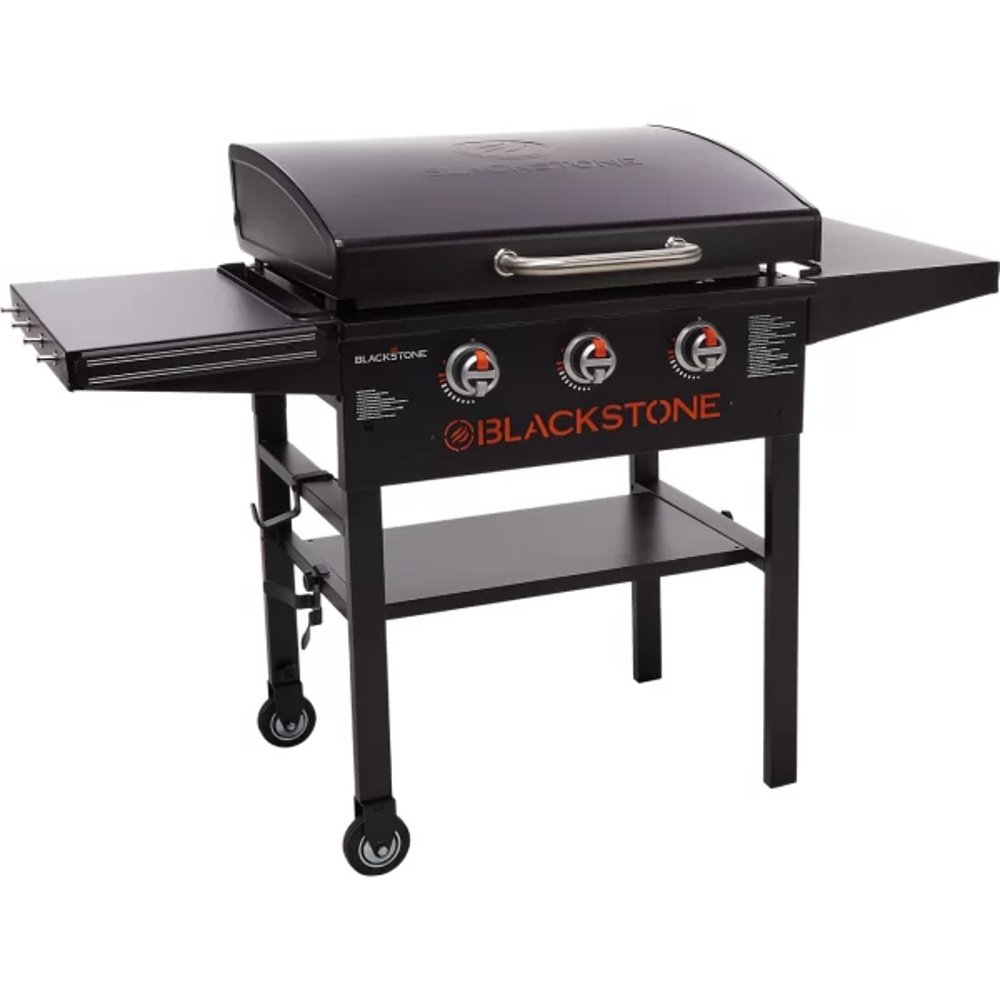
A portable griddle is a compact, flat-top cooking appliance designed to move between cooking locations rather than stay in one permanent setup. Its broad, solid surface holds foods that can slip through grill grates, from diced peppers and sliced onions to eggs, pancakes, and shrimp. That makes portable griddles useful for campsite breakfasts, tailgate meals, RV trips, and everyday cooking where space matters. Propane tabletop griddles use gas burners beneath the cooking plate and are for outdoor use only. Depending on the design, they may connect to a small propane cylinder or a larger tank with the manufacturer-approved hose and regulator. Electric griddles plug into a compatible outlet and offer a convenient option for kitchens and other approved locations; outdoor use requires a model specifically rated for it. The best fit depends on where meals happen, how many people gather around the table, and how much cooking surface those meals need. Compact cooking areas may measure around 160 square inches, while larger portable designs can provide 300 square inches or more. Square inches are helpful for comparison, but the surface’s shape matters, too. A wide plate might accommodate several breakfast sandwiches side by side, while a deeper plate gives a spatula room to turn pancakes without crowding nearby bacon. Family meals benefit from space between ingredients, especially when browning meat or vegetables. Overcrowding can trap moisture and slow cooking, even when every ingredient technically fits. Independently controlled burners on some propane designs allow different heat zones, so one side can sear burgers while another cooks onions more gently. A single-zone surface keeps operation straightforward for smaller batches. On electric designs, an adjustable thermostat makes it easier to change the cooking temperature between delicate foods and dishes that need more browning. Even heat distribution, responsive controls, and recovery after adding food all matter alongside the appliance’s stated heat output.
Cooking-surface materials influence a portable griddle’s weight, maintenance, and everyday feel. Rolled steel and cast iron retain heat well and typically need seasoning, a thin layer of oil bonded to the surface through heating. A well-maintained seasoned surface develops a darker finish with use and helps food release, but it still needs protection from standing moisture and rust. Cast iron adds substantial weight, something worth considering when carrying cooking equipment from a vehicle to a picnic table. Stainless steel components can offer corrosion resistance and a durable finish, though their care requirements depend on whether the stainless steel forms the body, cooking plate, or both. Nonstick-coated electric griddles offer easy food release for eggs, pancakes, and other foods, with care centered on protecting the coating. Silicone, wood, or other manufacturer-approved utensils help prevent scratches; metal spatulas belong only on surfaces designed to handle them. The appliance’s overall construction matters just as much as the plate. Secure handles, stable feet, sturdy burner controls, and a grease tray that stays in place make repeated setup and transport more manageable. Portability means more than a small footprint: the total carrying weight, handle placement, removable parts, and packed dimensions all affect how comfortably a griddle travels. A unit that fits neatly in an RV storage compartment may still need a separate tote for its regulator, utensils, and grease cup. Folding legs or a detachable stand can simplify setup on some designs, while tabletop versions need a stable, level, heat-resistant surface that meets the manufacturer’s clearance requirements. The cooking area also needs room around it for a plate of uncooked food, a clean serving tray, and safe access to the controls. Propane griddles must stay outdoors, never inside a home, garage, tent, or RV. Electric griddles need an appropriate outlet and a cord positioned away from hot surfaces and walkways. A lid may protect the cooking plate during storage, but it should only cover food during cooking if the manufacturer approves that use.
Grease management makes a noticeable difference during both cooking and cleanup. A channel that directs drippings into an accessible cup or tray helps keep rendered fat from collecting across the cooking surface. Tray capacity matters for batches of bacon or burgers, and an easy-to-remove design makes emptying less awkward once the grease has cooled. Raised edges help contain small ingredients as they move across the plate, while a well-positioned drain leaves more usable room for the meal. Care routines vary by material, so the appliance’s instructions should guide cleaning and storage. Many seasoned steel surfaces clean most easily with an approved scraper while the plate is still warm, followed by thorough drying and a light protective coat of oil. Coated surfaces generally call for gentle cleaning rather than abrasive pads, and electrical components should never be submerged unless the instructions expressly permit it. Before packing, allow the appliance to cool fully, empty the grease container, and secure any removable pieces. Dry storage helps protect cooking surfaces and keeps the next setup simpler. These practical details make portable griddles appealing to campers who want more than a pot over a burner, tailgaters preparing several sandwiches at once, and home cooks who appreciate extra breakfast space. An indoor-rated electric model can also suit someone who wants a separate cooking surface without making permanent changes to the kitchen. As a gift, a portable griddle works best when it matches the recipient’s routines, available storage, and preferred power source; an outdoor cook and an apartment cook may need very different designs. Portable models share the versatile cooking surface of outdoor flat top griddles, with added emphasis on easy transport and compact storage. The right balance of cooking room, manageable weight, durable materials, and straightforward care helps a griddle earn its place in regular meals, whether that means crisp-edged quesadillas for two or a full spread of eggs and hash browns for a hungry group.
Read More