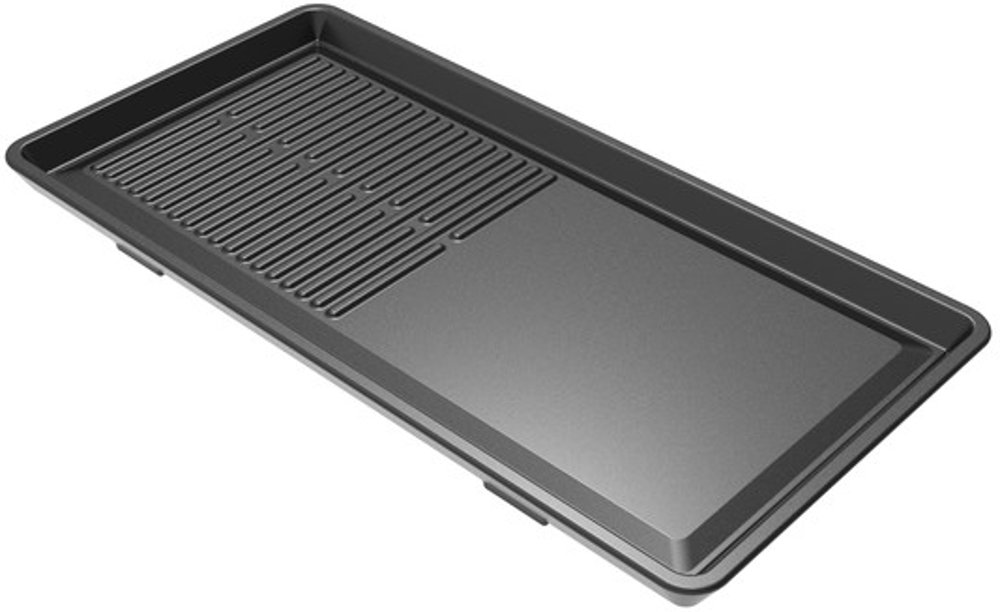
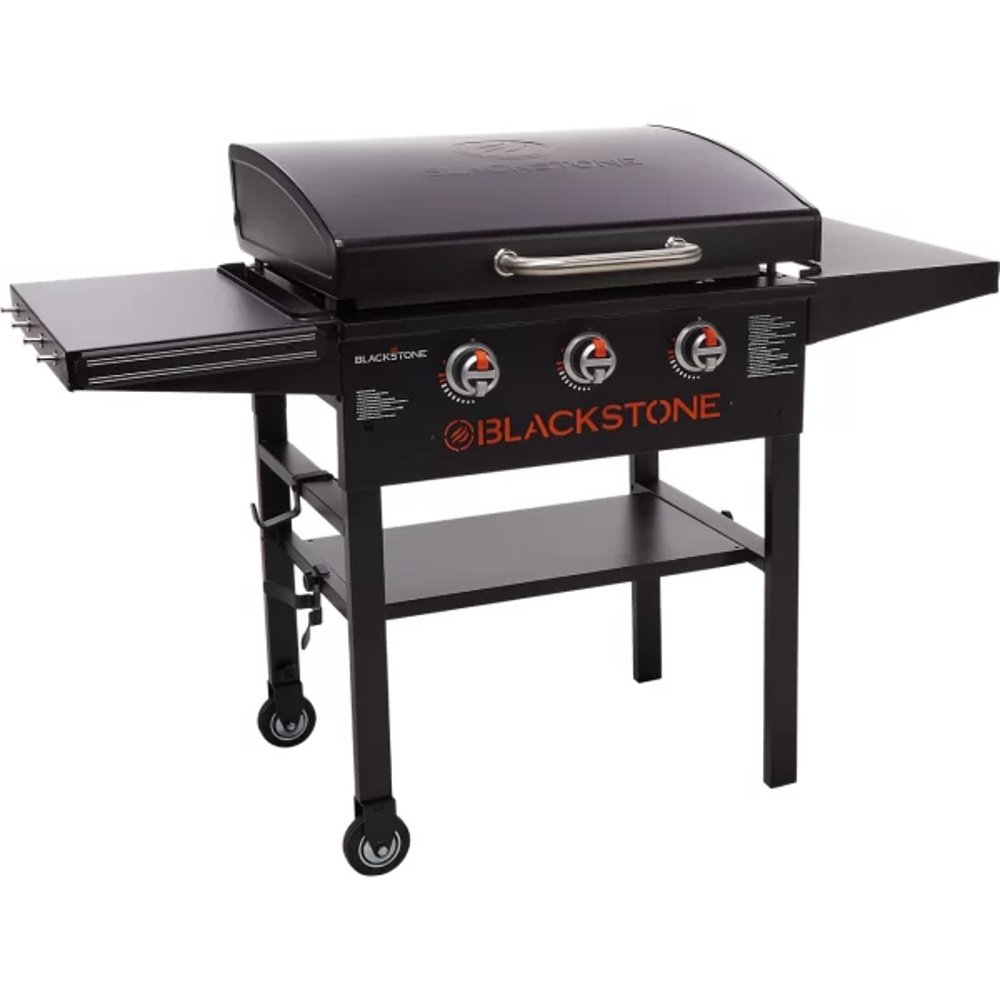
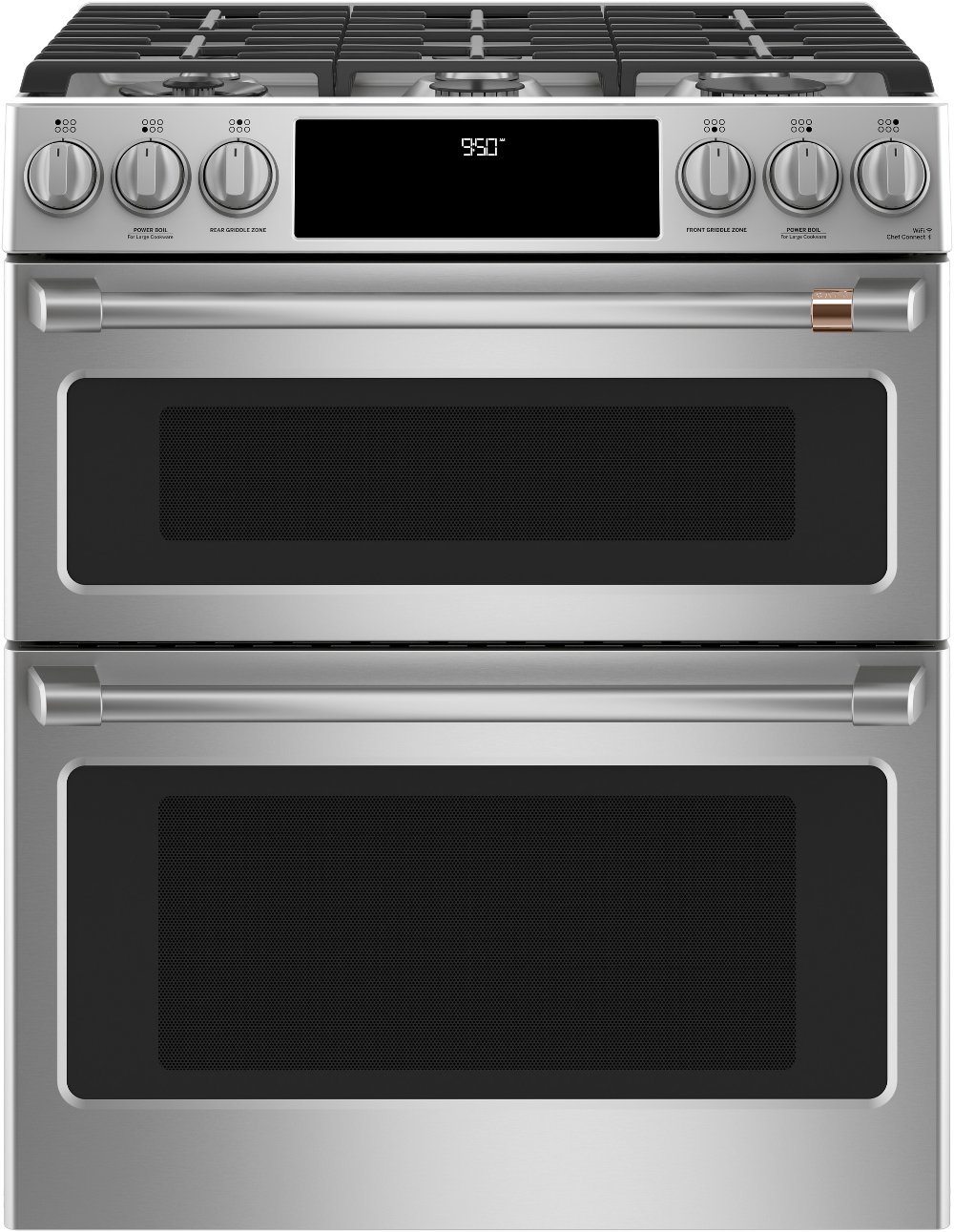
A flat griddle is a smooth, continuous cooking surface used to fry, sear, toast, and warm foods without the gaps found between grill grates. That broad surface gives pancake batter room to spread, keeps chopped vegetables from falling through, and lets a spatula slide beneath eggs or a crisp-edged burger. Flat griddles suit more than breakfast: Think quesadillas with golden tortillas, peppers and onions for fajitas, grilled cheese sandwiches, or fried rice with vegetables folded in as they cook. For households that prepare several servings at once, the appeal is simple: More food can cook side by side, with less shuffling between pans. The main types include indoor electric griddles, stovetop griddle pans and plates, and outdoor gas-powered flat-top griddles. Electric griddles plug into a suitable outlet and typically pair a countertop cooking surface with adjustable temperature controls. They’re useful for weekend breakfasts, quick lunches, and meals that benefit from a dedicated surface while the stove handles other dishes. Stovetop versions draw heat from your range rather than a built-in heating element, and some span two burners for added cooking room. If your kitchen range is your preferred heat source, Cooktop Griddles are worth considering alongside standalone options. Compatibility matters, especially with induction or glass-top ranges, where the griddle’s material, base, weight, and dimensions need to meet the range manufacturer’s requirements. Outdoor flat-top griddles generally use gas burners beneath a metal cooking plate and provide space for larger batches or several foods at once. These outdoor appliances belong outside, away from enclosed spaces and combustible materials, with the clearances specified by the manufacturer. The best match starts with how you cook: A compact surface may handle breakfast for two comfortably, while a larger setup can accommodate a row of burgers, sliced onions, and buns to toast before serving.
The cooking-surface material influences a flat griddle’s weight, heat response, utensil compatibility, and maintenance. Aluminum is relatively lightweight and conducts heat readily, making it a common choice for indoor griddles; many aluminum surfaces have a nonstick coating that helps delicate foods release with less sticking. Coated surfaces generally call for silicone, wood, or other approved utensils rather than sharp metal edges, and their recommended heat limits deserve attention. Cast iron is heavier and holds heat well, which can help maintain steady cooking conditions as food is added. Bare cast iron needs seasoning and careful drying, while enameled versions have different care requirements. Carbon steel and other uncoated steel cooking plates also need protection against moisture and often develop a seasoned surface through repeated use. Seasoning is a thin layer of oil bonded to the metal through heating, not a buildup of leftover food or grease. It improves food release over time, though it doesn’t make every cooking task completely stick-free. Thickness and construction matter as much as the material name: A substantial plate can hold heat well, while its weight may make lifting, washing, or storing it less convenient. For fit, compare the usable cooking area with the total footprint, including handles, legs, side shelves, and any required clearance. A countertop griddle needs a stable, heat-safe location with room to reach the controls and remove the drip tray. A stovetop plate should sit securely over the intended burners without interfering with range controls. On larger gas griddles, independently controlled burners can create cooking zones, allowing vegetables to soften on one side while burgers sear on another. Grease management also makes a practical difference. A channel, drain opening, or removable collection tray helps direct cooking grease away from the food, but its position and accessibility affect how easily you can scrape the surface and handle cleanup. Raised edges can help contain food and drips without making the cooking area difficult to reach.
A flat griddle should fit your everyday routine as comfortably as it fits your cooking space. Someone who makes pancakes every Saturday may value easy storage and a removable drip tray more than an expansive outdoor station. A cook who enjoys serving a crowd may appreciate enough room to finish several portions together instead of keeping the first batch waiting. For smashed burgers, a sturdy, uncoated cooking surface and a compatible metal spatula can support pressing and scraping; a delicate nonstick coating needs a different approach and gentler tools. For eggs, fish, or thin crepes, controlled heat and a clean, well-prepared surface can be more useful than maximum heat output. Preheating according to the manufacturer’s directions helps the surface settle into its cooking range, and leaving room between portions supports browning rather than crowding food into accumulated moisture. Separate utensils and plates for raw and cooked foods, along with a food thermometer when appropriate, help keep shared cooking sessions safe. Cleanup depends on the construction, so removable doesn’t automatically mean dishwasher-safe. Electric controls, cords, and heating components should stay out of water unless the manufacturer explicitly states otherwise. Once the surface is safe to handle, coated griddles generally benefit from gentle cleaning with approved tools, while bare steel and cast iron need food residue removed, thorough drying, and the recommended protective oil treatment. Heavy layers of oil can become sticky; thin, consistent care is usually more effective. Keep grease collection areas clean, inspect handles and connections as directed, and store the griddle where it’s protected from moisture. An outdoor cover can help protect the appliance, but the unit should be cool and dry before covering. These habits support dependable performance and help protect surfaces, coatings, and hardware over time. Flat griddles can also make thoughtful gifts for people who enjoy hosting brunch, preparing family meals, or cooking outdoors. Matching the gift to the recipient’s space, heat source, lifting comfort, and willingness to maintain the surface makes it more likely to become part of everyday cooking.
Read More