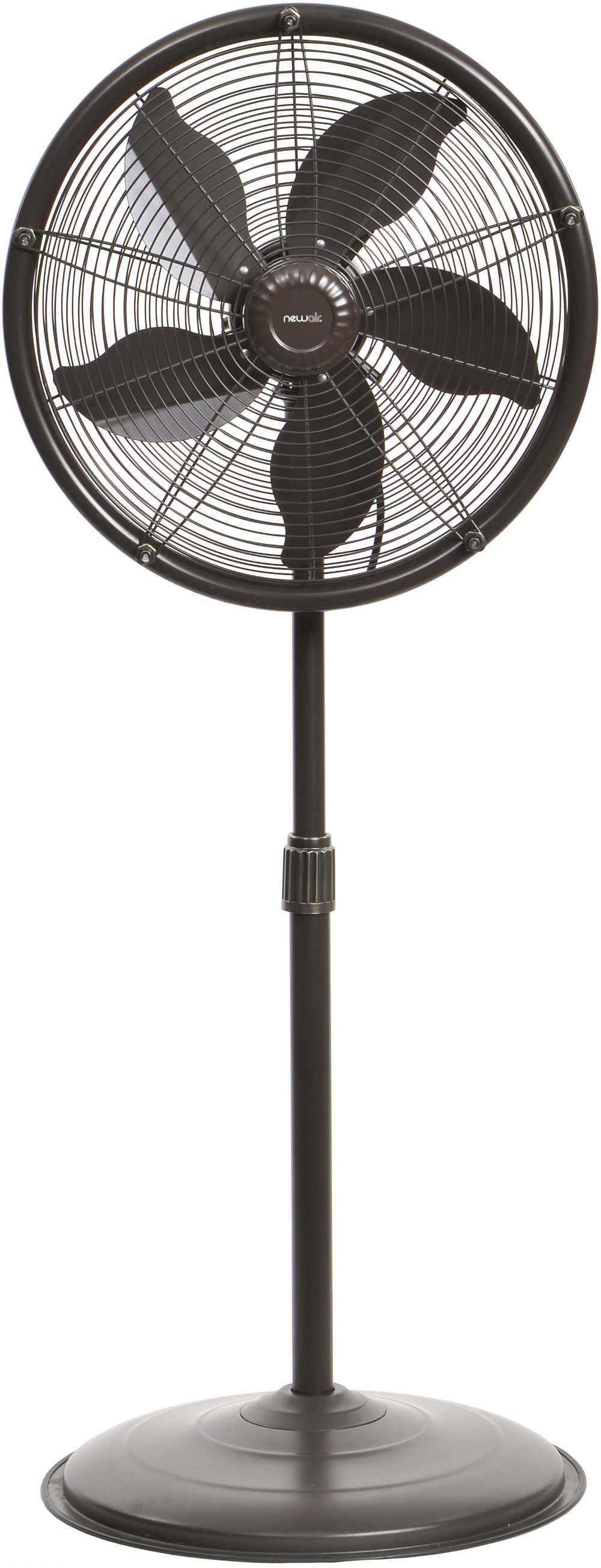
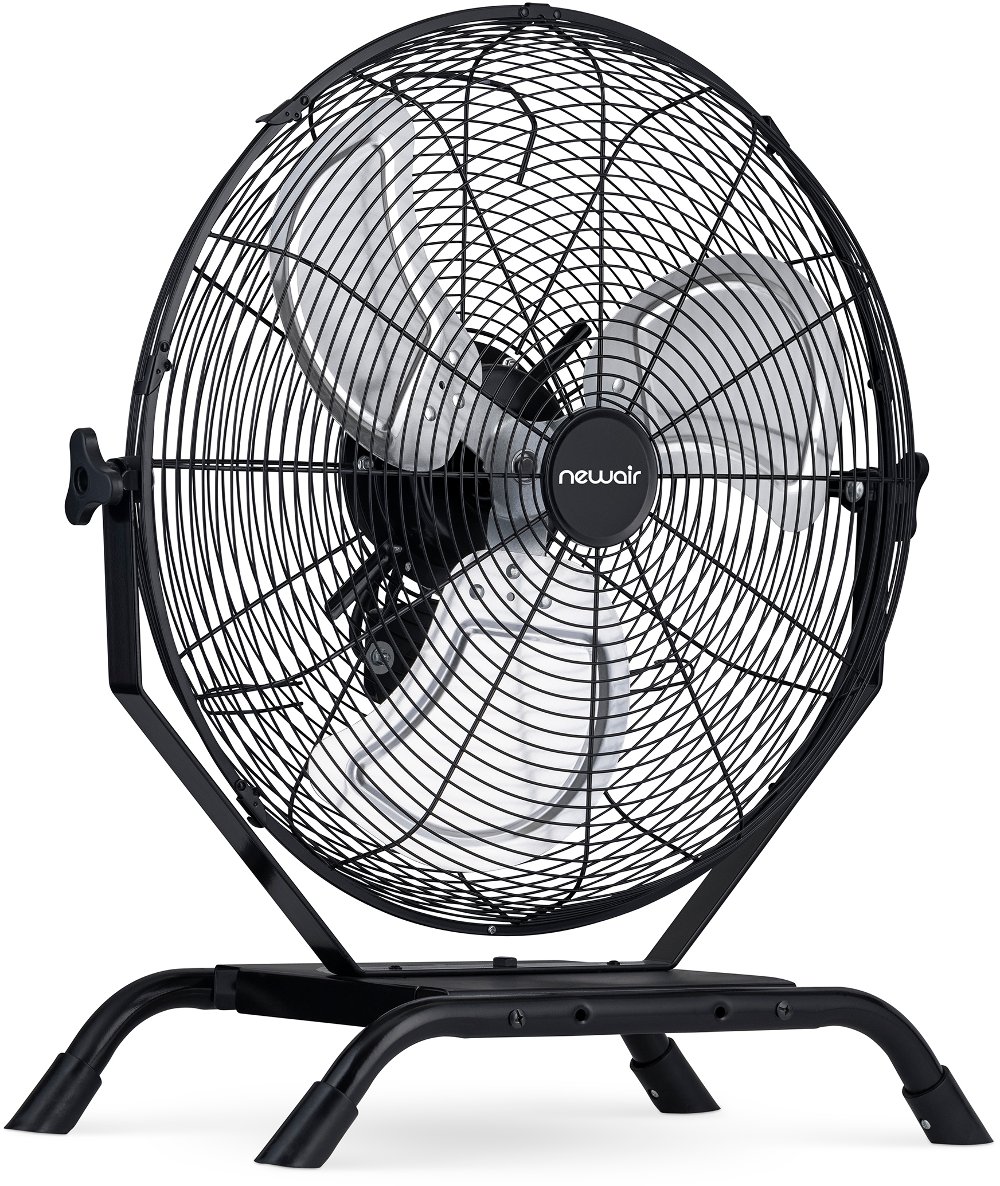
Cooling gadgets are personal comfort products that use airflow, evaporation, or contact cooling to help you feel cooler in a specific area, rather than cooling an entire room. The category includes portable fans, wearable cooling devices, misting accessories, and water-activated cooling textiles, each with a different way of making everyday activities more comfortable. A small desk fan can keep air moving beside a computer, while a hands-free design can leave your hands available for folding laundry, working at a hobby table, or walking the dog. Fans move air across your skin and support the evaporation of perspiration; they generally don’t lower the temperature of the surrounding air. Misting designs add a fine spray of water, which can provide additional relief as that moisture evaporates. Evaporative cooling usually works better in drier air than in high humidity, so the setting matters as much as the feature list. Water-activated towels and similar accessories use the same basic principle, offering a lightweight option that doesn’t require a motor or charging cable. Some electronic personal coolers use thermoelectric plates to draw heat away from a small area of skin. That localized sensation differs from a fan’s breeze, and the device still needs to release heat through its ventilation system. These distinctions make cooling gadgets useful for different routines rather than interchangeable solutions. Someone who wants steady airflow while answering emails may value a stable tabletop design, while someone moving between errands may prefer something compact enough to tuck into a bag. For shared spaces, adjustable direction can keep the breeze focused on one person instead of scattering papers or bothering a neighbor. The best fit is a device whose cooling method, size, and operating style match the place you’ll actually use it. Personal cooling can make a seat, workspace, or activity feel more comfortable, but it isn’t the same as air conditioning and shouldn’t be treated as protection from dangerous heat.
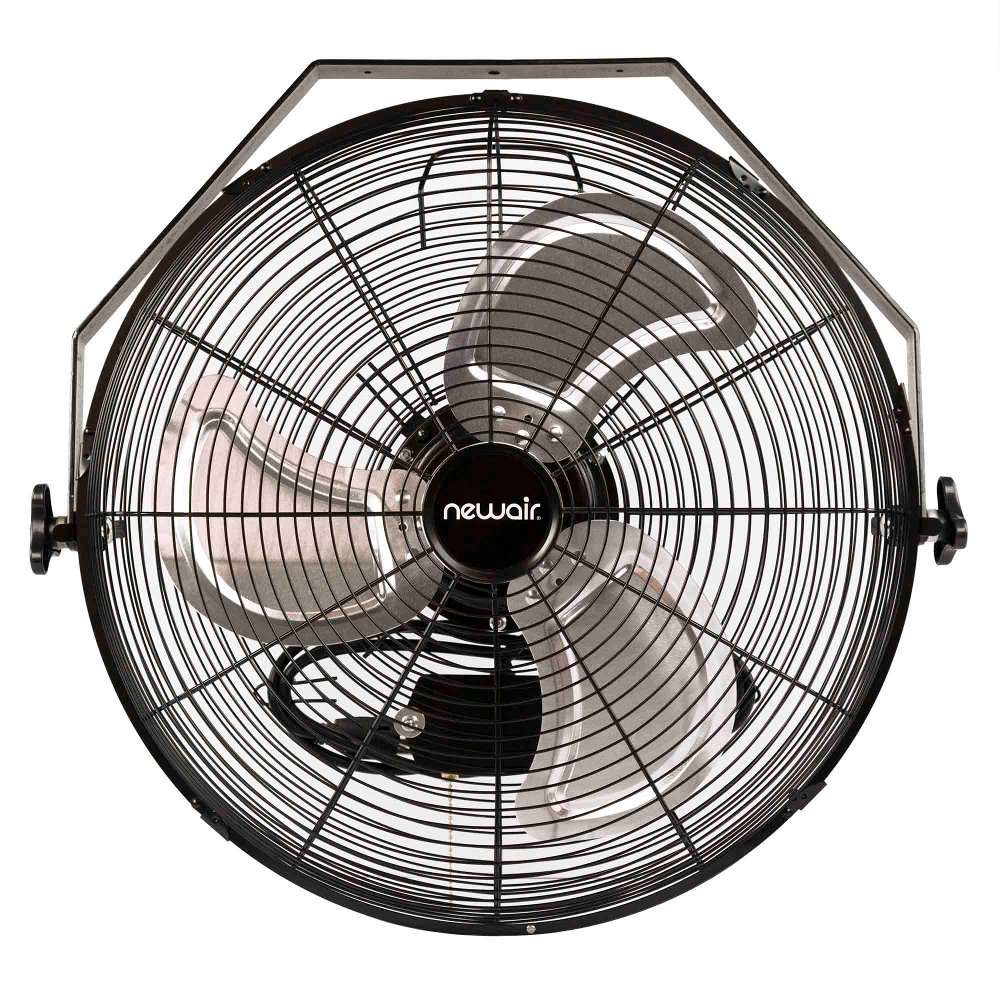
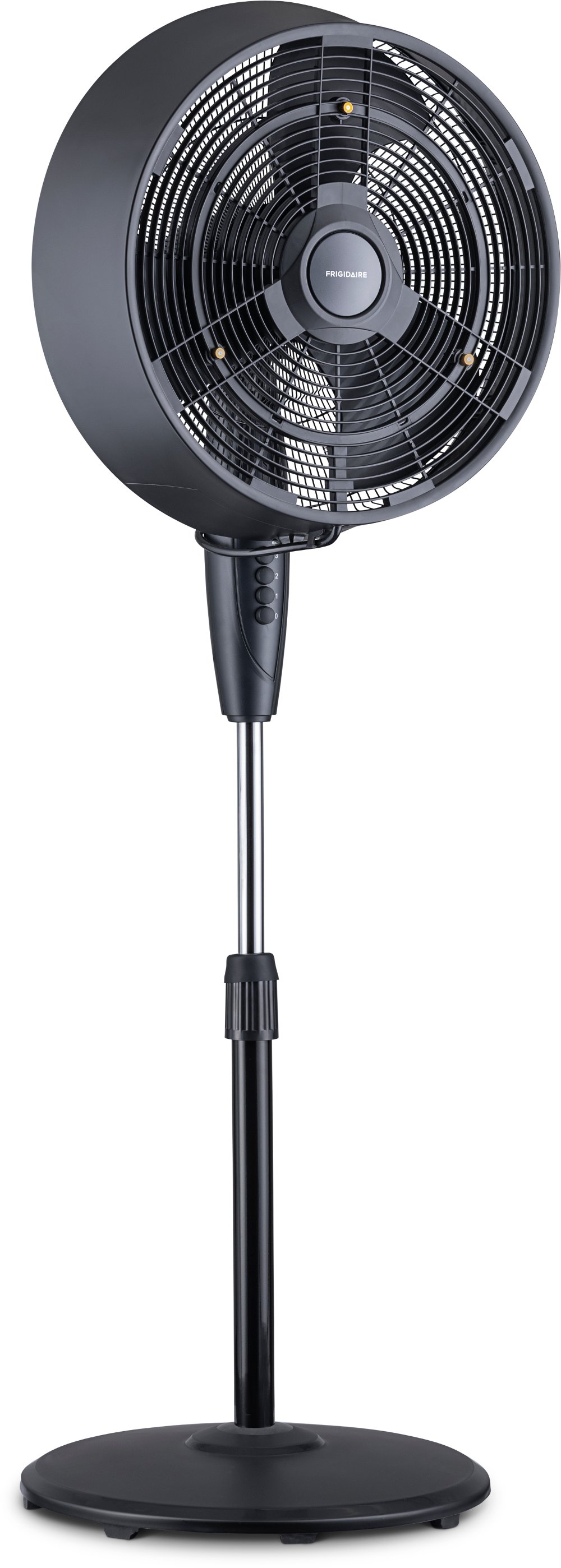
Comfort depends on the details you notice after the first few minutes: where a wearable rests, how a handle feels, whether a base stays put, and how easily you can reach the controls. For neck-worn designs, weight distribution and smooth contact surfaces matter, especially if you’ll be moving around. Openings should stay clear of long hair, loose fabric, jewelry, and bag straps, with guards that help limit accidental contact with moving parts. A handheld fan should feel balanced without forcing a tight grip, and a tabletop model benefits from a broad base or secure attachment suited to its intended surface. Adjustable angles help direct airflow toward your face or upper body without requiring an awkward position. Materials also shape the experience. Rigid plastic housings can keep weight manageable, while metal components may add sturdiness and affect how the device feels against your hand or skin. Soft-touch surfaces can improve grip, although their cleaning requirements deserve attention. For cooling towels and other fabric accessories, fiber content, texture, edge stitching, and drying time influence comfort and repeated use. A fabric that feels pleasant across the back of your neck should also be easy to rinse and dry according to its care label. Electronic designs have their own practical trade-offs. Higher fan speeds, active cooling plates, and misting functions can use more battery power, so advertised runtime is most useful when the stated operating setting is clear. Charging connection, recharge time, and any restrictions on operation while charging can affect whether a device fits a workday or a brief outing. Sound matters, too: a breeze that feels welcome at a busy craft table may be distracting during a video call or beside a bed. Several speed settings give you more control, but an easy-to-find button and a dependable low setting can be more useful than a long list of modes. Secure hinges, firmly seated covers, and accessible cleaning points are practical signs to consider when evaluating construction for regular use.
Cooling gadgets fit most naturally into a home when they’re easy to use, store, and maintain. A compact fan can occupy the corner of a desk without taking over the workspace, while a portable design can move from a reading chair to a hobby area as your day changes. Bedside use calls for particular attention to a stable placement, unobstructed vents, manageable cord routing, and controls that are easy to operate without a bright display. Bedding offers another approach to personal comfort: Cooling Pillows may use breathable covers, airflow-friendly construction, or materials designed to absorb and release heat, depending on the design. Their feel and performance differ from powered gadgets, and pillow height, support, sleep position, and washable components still matter. Across the category, simple care habits help preserve performance. Dust buildup can restrict airflow, and water left in a misting reservoir can create cleaning concerns. Follow the manufacturer’s directions for emptying tanks, cleaning surfaces, and maintaining any filters or removable parts. Unless a device is specifically rated for washing or water exposure, keep electrical components dry and avoid immersing them. Fabric accessories need time to dry fully before they go into a drawer or gym bag, and rechargeable devices should be stored and charged as directed, away from conditions that could damage the battery. Personal cooling accessories can also make thoughtful gifts for someone who enjoys walking, spends time at a desk, or appreciates practical additions to a daily routine. A recipient’s preference for quiet operation, hands-free use, easy cleaning, or a lightweight design offers a better starting point than extra features alone. For children or anyone who may need assistance using electronics, age recommendations and supervision requirements deserve close attention. With an appropriate fit and realistic expectations, cooling gadgets can provide a convenient measure of comfort without making a familiar routine more complicated.
Read More