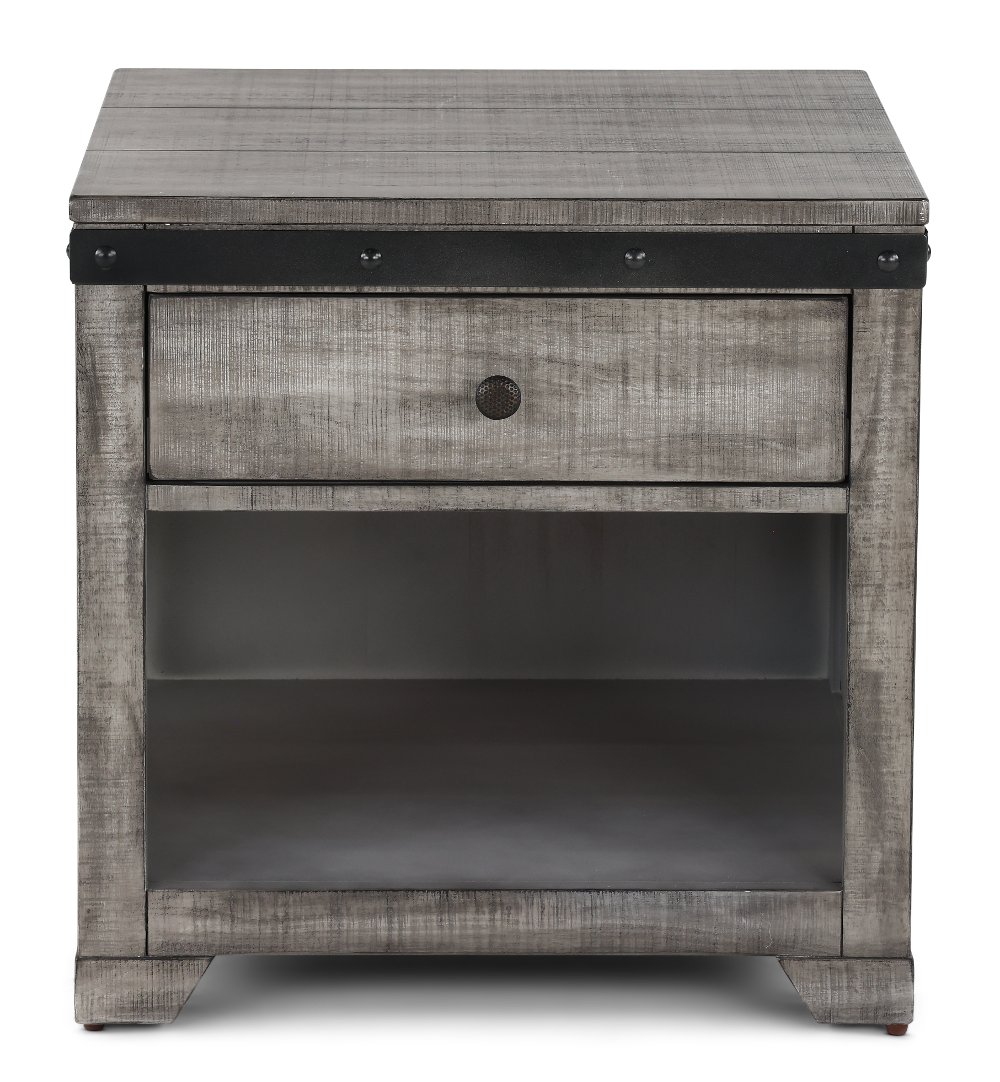
Corner tables are compact accent tables designed to make useful space where two walls meet or where seating leaves an open angle. A triangular or quarter-round top can tuck neatly into a corner, while a small square or round table may work beside a sofa, between chairs, or next to a bed. The best shape depends on what needs to fit around it, not just the size of the empty spot. In a living room, a corner table can hold a reading lamp and a drink without adding the bulk of another large piece of furniture. In a bedroom, it can give a narrow bedside area a place for glasses, a book, and a phone. An entryway corner might become a convenient landing spot for keys, provided the table leaves a clear route through the door. Before choosing a size, measure both walls, check the distance to nearby furniture, and account for baseboards that may keep the table from sitting flush. Painter’s tape on the floor makes it easier to picture the footprint and see whether someone can comfortably walk past. A tabletop generally feels easiest to reach when it sits close to the height of the adjoining chair or sofa arm. Beside a bed, compare it with the top of the mattress instead. Also check what happens above the table: a lampshade needs clearance from shelves, and artwork should have room to breathe rather than appearing squeezed against a tall arrangement. If a lamp or charger is part of the plan, locate the outlet before settling on placement. A cord stretched across a walkway can undo the convenience of a well-fitted table. For awkward spaces, pay attention to the table’s full dimensions, including projecting legs, handles, and trim. Those details matter as much as the tabletop when the goal is a comfortable, easy-to-use corner.
Materials influence how a corner table looks, feels, and handles daily use. Solid wood brings natural grain and variation, with a substantial feel that works well in both relaxed and more formal rooms. Its long-term performance depends on construction, finish, and care; some solid wood surfaces can be refinished, but that possibility varies by design. Wood veneer offers a real wood surface over a supporting core and can create a consistent appearance across broad or patterned surfaces. Engineered wood with a laminate finish can suit busy spaces where straightforward care is a priority, although edges and seams still need protection from standing moisture. Metal frames often create a lighter visual outline, especially when slim legs leave the floor visible beneath the table. They can complement industrial, contemporary, or mixed-material rooms, with durability depending on the frame, joints, and finish. Glass tops allow nearby colors and textures to remain visible, helping a small corner feel less crowded. They also show fingerprints readily and benefit from regular cleaning with a product approved for the surface. Stone tops add distinctive pattern and texture, but weight, porosity, sealing needs, and sensitivity to acidic spills vary by material. Whatever the surface, coasters and prompt spill cleanup help preserve its appearance. A soft cloth is a sensible starting point for routine dusting, and the manufacturer’s care instructions should guide cleaners and treatments. Avoid assuming that a rugged-looking finish can tolerate heat, soaking, or abrasive scrubbers. For durability, look beyond the top to secure connections, stable legs, and drawers that move smoothly. A table that will hold a heavy planter or lamp also needs a suitable weight capacity. Style comes through in these practical details: warm wood and simple lines can soften a seating area, while a dark metal frame and a wood top can add definition without requiring the rest of the room to match exactly.
Storage makes a corner table especially helpful when the surface has more than one job. A drawer can keep charging cables, reading glasses, or remotes close by without leaving them in view. An open lower shelf gives books or a small basket a home, while an enclosed compartment can reduce visual clutter in a shared room. Check how that storage opens before deciding where the table belongs. A drawer needs room to extend, and a cabinet door should clear the sofa, wall, or neighboring chair. Open shelves are easy to reach, but they also make whatever sits on them part of the room’s appearance. In a reading corner, a lamp on top and a few books below may be all the setup needs. Between two chairs, leaving enough clear surface for a drink on either side makes the table useful to both seats. Near a dining area, a small corner table can display a bowl or a piece of pottery without taking over the main serving surface. Keep scale in mind when arranging accessories: a broad lampshade can overwhelm a narrow top, and several small objects can quickly crowd the space intended for everyday essentials. One taller element paired with a lower object often creates a balanced arrangement while preserving usable room. In homes with children or pets, consider rounded edges, a stable base, and cords kept out of reach; follow any supplied anchoring instructions, and remember that an accent table isn’t designed as a seat or step. A corner table can also make a thoughtful housewarming gift when the recipient’s measurements and style are known, particularly for someone furnishing a first apartment or creating a reading nook. When several areas need attention, coordinating a table with other Corner Pieces can help the room feel connected without making every finish identical. The most successful choice leaves space to move, keeps useful things within reach, and gives an overlooked corner a clear purpose.
Read More