Small tables give everyday essentials a place to land without asking you to rearrange the whole room. Beside a sofa, a compact end table keeps a drink, reading glasses, and the remote within easy reach. Next to an accent chair, a little round table can turn an unused corner into a comfortable spot for a book and a cup of coffee. These modest pieces work especially well in apartments, dorm rooms, guest bedrooms, and shared living spaces, but they’re just as useful in a larger home where a full-size table would interrupt the flow. A narrow table between two chairs creates a shared surface without crowding either seat, while a slim accent table near an entry can catch keys and mail. The right proportions make those small conveniences feel natural. A tabletop close to the height of your sofa or chair arm is generally comfortable to reach; a table that sits much higher or lower can make setting down a glass awkward. In a bedroom, a surface near the top of the mattress keeps a lamp and phone accessible without a stretch. Width and depth matter just as much as height, particularly beside reclining furniture, near doorways, or along a frequently used walkway. Leave space for a recliner’s footrest to extend and for cabinet doors or drawers nearby to open fully. Round and oval tops soften the look of tight seating arrangements, while square and rectangular shapes often tuck neatly against a wall or beside a bed. An open base can keep a cozy room from feeling crowded, and a pedestal base may offer more flexibility around chair legs, depending on its footprint. Small coffee tables serve a slightly different purpose, creating a central surface for conversation areas with a loveseat or compact sofa. Their lower profile helps preserve sightlines, making the room feel connected rather than divided. Whether the goal is a convenient bedside perch or a finishing touch beside a favorite chair, a small table earns its place through comfortable placement and a clear purpose.
Materials and construction shape both the appearance of a small table and how it fits into daily life. Wood brings grain, texture, and warmth to a room, from lighter finishes that feel relaxed to deeper tones that add visual weight. Solid wood may develop small marks over time, and its response to moisture and humidity makes sensible placement and routine care important. Wood veneer offers the character of real wood over a supporting core, while engineered wood with a laminate surface can provide a consistent finish that’s often straightforward to maintain. Performance depends on the construction and finish, so a material name alone doesn’t tell the whole story. Metal frames can create a clean, slender outline or a more substantial industrial look, with joints, feet, and protective finishes contributing to stability and wear resistance. Glass tops let surrounding furniture remain visible, which can help a compact seating area feel less crowded, though fingerprints and smudges may need frequent attention. Stone surfaces add distinctive pattern and texture, but some are porous, heavy, or sensitive to acidic spills and require care suited to the particular material. A table intended for a busy family room benefits from a stable base, secure connections, and a finish suited to frequent use. For a quieter corner that mainly holds a small lamp, decorative details may play a bigger role in the decision. Think about what will actually sit on the surface: a lamp base and a mug need more room than the mug alone, and a large ceramic planter can be heavier than it looks. Follow stated weight limits, including separate limits for shelves, and use a waterproof tray under plants. Coasters help protect against drink rings, while felt pads beneath decorative objects can reduce scratches. A soft cloth and prompt attention to spills are useful habits, but cleaning products should match the manufacturer’s care instructions. Avoid assuming that a cleaner suitable for one tabletop will be safe for another. Thoughtful care keeps the finish looking its best and helps a hardworking little table remain part of the room for years.
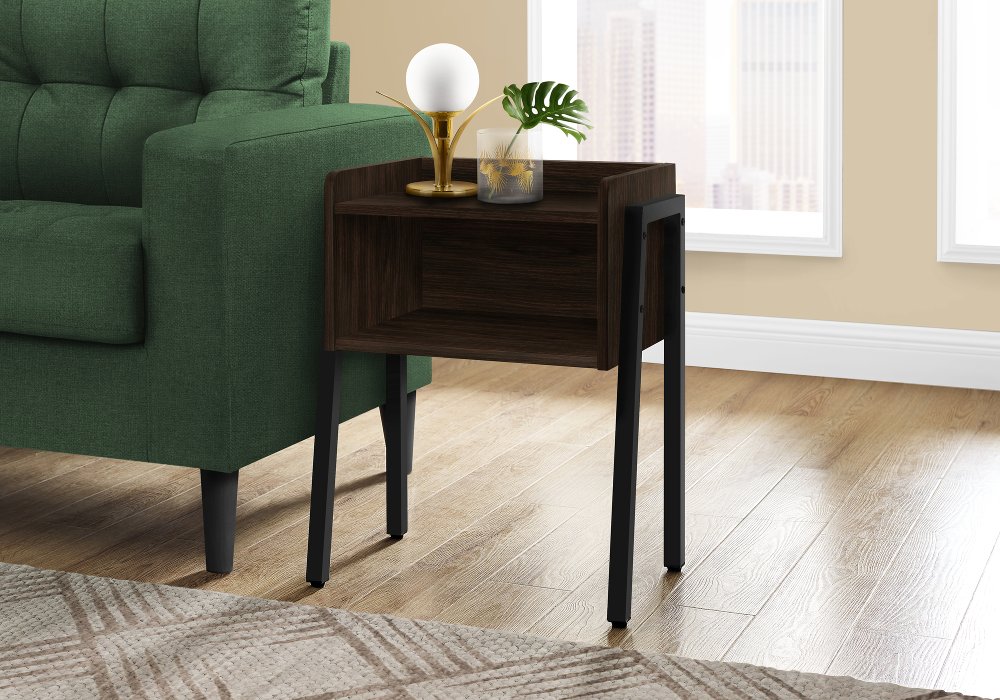
Beyond size and material, the details determine how much a small table can do for your space. An open shelf keeps a book or basket easy to reach, while a drawer gives charging cords, remotes, and reading glasses a place out of sight. For rooms where a spare surface also needs to help with clutter, small storage tables bring those two jobs together in a compact footprint. Check the usable storage space rather than relying only on exterior dimensions; a shallow drawer may suit small accessories but won’t necessarily hold a tablet or a stack of magazines. Drawer clearance matters beside a bed or sofa, too, especially if bedding or an upholstered arm extends into its path. Nesting tables offer another kind of flexibility, providing separate surfaces when company settles in and fitting together again afterward. A C-shaped table can bring a surface closer over the edge of a seat when its base fits underneath the furniture, making under-sofa clearance an important measurement. Lightweight tables are easier to reposition, while heavier designs may feel more settled in a permanent spot. Neither replaces a stable structure, and small tables aren’t substitutes for seating or step stools. In homes with children or pets, rounded edges, steady footing, and careful placement of lamps and cords deserve extra attention. Style can be personal without requiring every finish to match. A small wood table can soften a room with metal furniture, a painted finish can pick up a color from a rug, and a sculptural base can add interest beside a simple upholstered chair. Repeating one detail, such as a curved shape or similar wood tone, helps the combination feel intentional. A compact table can also make a thoughtful housewarming gift when the recipient’s room dimensions and taste are familiar. The most useful choice feels at home in the recipient’s routine, whether that means a landing spot beside the front door or a bedside surface in a first apartment. With the right balance of fit, function, and character, small tables make a room easier to enjoy without taking it over.
Read More