Center Tables

Center tables give your seating area a convenient spot for drinks, books, and everyday essentials. Browse RC Willey’s selection with your living room layout in mind, comparing size and shape to find a coffee table that complements your sofa and chairs while leaving comfortable room to walk around.

Read More
Sort by:

Center Tables

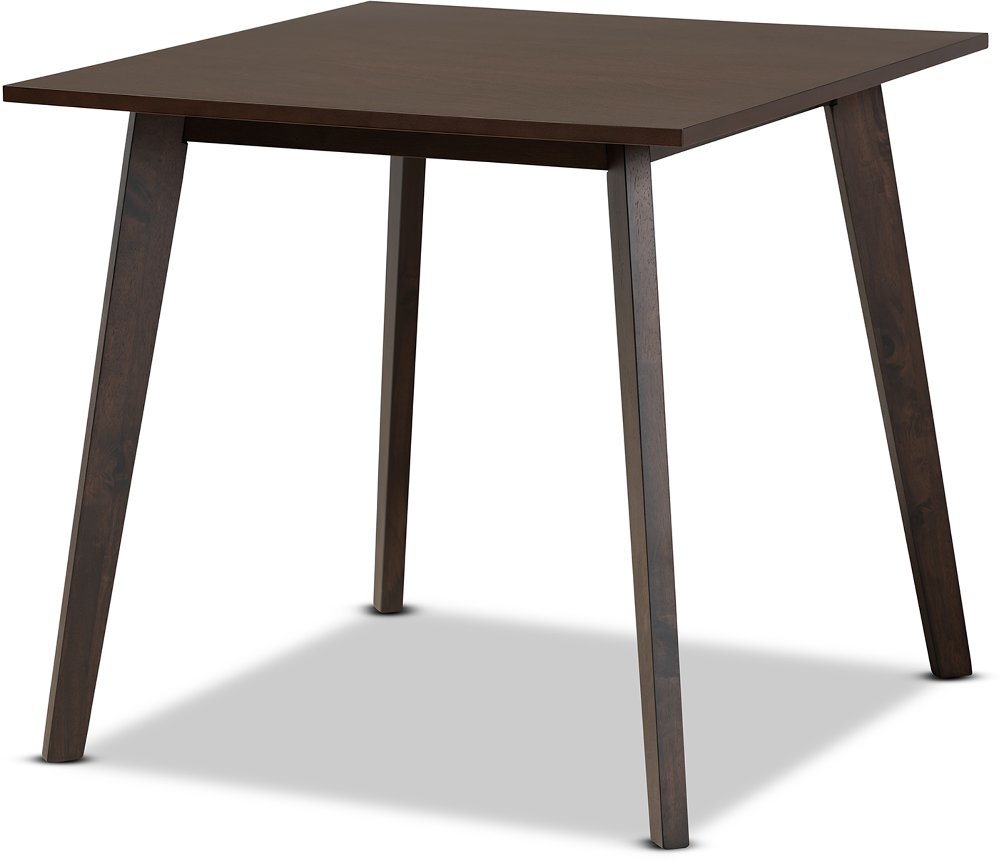
A center table, often called a coffee table, is a low table placed in front of a sofa or between seating pieces to hold everyday essentials and bring a living room together. It gives drinks, books, remotes, and serving trays a convenient landing spot while helping a seating arrangement feel connected. The right center table fits the way you spend time at home, whether that means a quiet place to set your morning coffee or a generous surface for game night. Shape plays a practical role in that fit. Rectangular tables work naturally along longer sofas, while square designs can complement a spacious sectional or a group of chairs. Round and oval center tables soften a room full of straight lines and eliminate sharp corners along their edges, though their overall size still matters in a busy walkway. A circular top can make conversation seating feel more connected, with a shared surface within reach of several chairs. Proportion matters just as much as shape: a table roughly one-half to two-thirds the length of a sofa often looks balanced without overwhelming the seating area. A top close to seat-cushion height, or slightly lower, usually feels comfortable for setting down a glass. Leaving about 16 to 18 inches between the table and the sofa provides useful legroom while keeping essentials accessible; main walkways generally need more clearance. In a compact apartment, an open base and a modest footprint can keep the center of the room from feeling crowded. In a larger living room, a broader top can give a deep sofa or sectional a more substantial companion. The goal is a surface that serves the people seated around it without making every trip across the room an obstacle course. A favorite chair, a reclining seat, or a sofa with a chaise can all affect placement, so the table’s relationship to the entire seating arrangement deserves as much attention as its dimensions.

Materials give center tables their character and influence how they handle daily use. Wood brings visible grain and a warm, familiar texture, with finishes ranging from light and understated to deep and richly colored. Solid wood can often be repaired or refinished, depending on its construction and finish, while wood veneer offers a real wood surface over a supporting core. Engineered wood can provide a smooth, consistent foundation, but its edges and finish deserve attention in homes where spills or bumps are common. Metal frames introduce crisp lines and can support anything from a simple wood top to a more sculptural design. Glass creates a lighter visual presence, making a substantial tabletop feel less dominant beside upholstered furniture. Tempered glass is stronger than ordinary glass and breaks differently, but it can still scratch or suffer damage along its edges. Stone brings distinctive pattern and texture, and natural variations mean surfaces may differ in veining and color. Marble and some other natural stones need extra protection from acidic drinks, staining, and moisture; sealing requirements depend on the material and finish. For everyday durability, the table’s construction is as important as its surface. Secure joints, a stable base, and well-supported tops help a piece feel dependable when someone sets down a full tray or moves a stack of books. Care should match the material rather than rely on a single cleaning routine. Coasters and trivets help protect finishes from condensation and heat, while prompt spill cleanup limits the time moisture has to settle into seams or pores. A soft cloth handles routine dusting, and any cleaner should follow the manufacturer’s recommendations. Felt pads beneath decorative bowls can help prevent scratches, especially when those pieces shift during cleaning. Style can stay personal without requiring every finish in the room to match. A wood top can echo the tone of nearby shelving, a metal base can relate to lighting, and a rounded silhouette can balance the squared arms of a sofa.

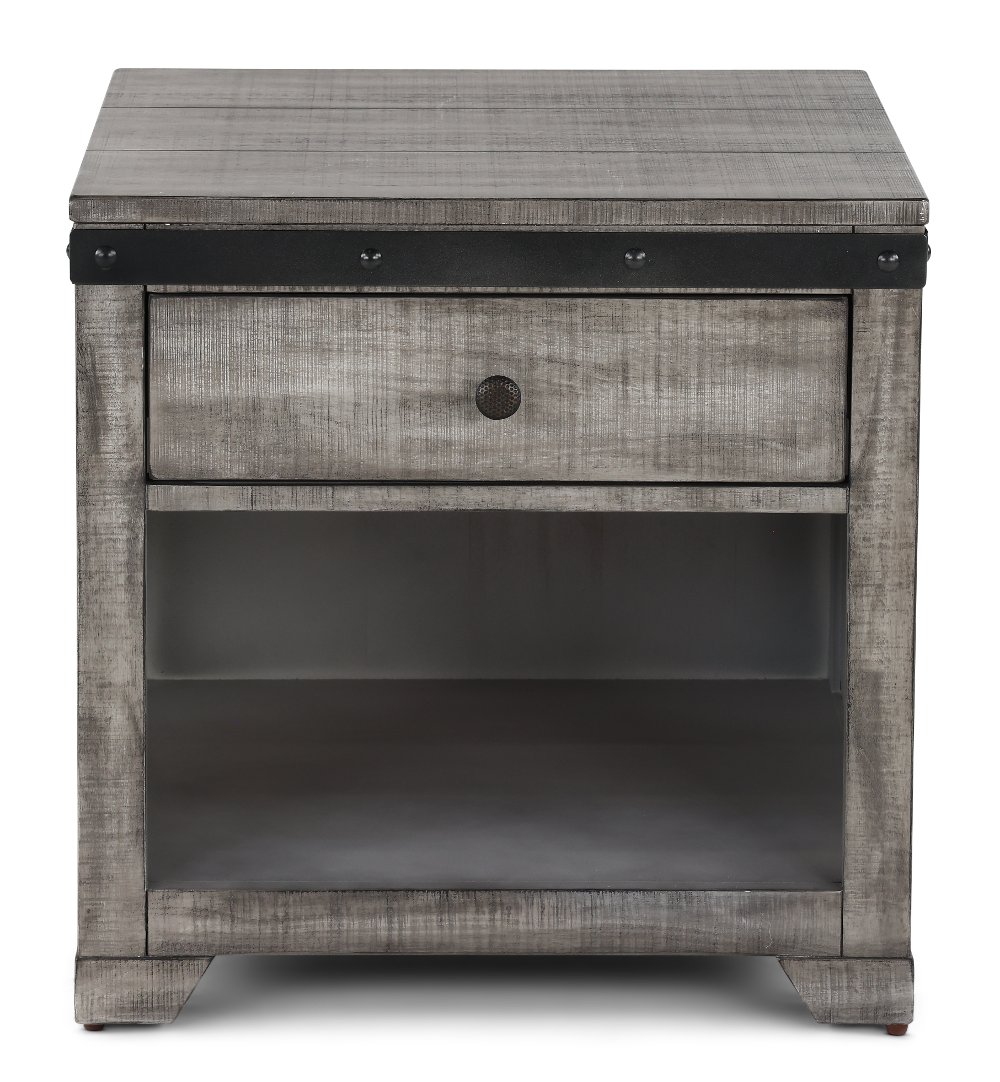
Storage and surface design make a center table especially useful in rooms that handle more than one activity. An open shelf keeps books, baskets, or a folded throw close at hand, while drawers provide a place for remotes, charging cords, and other small essentials that tend to gather beside the sofa. Closed storage can help a shared living room look settled after an afternoon of homework or an evening with friends. Lift-top designs bring part of the surface closer for casual dining, writing, or occasional laptop use, though the mechanism, weight limits, and space needed to operate it deserve attention. A raised tabletop isn’t a substitute for a properly fitted workstation during long work sessions, but it can add flexibility to everyday seating. Nesting designs offer another approach, with separate surfaces that can sit together or move beside a guest’s chair when needed. In a narrower room, a smaller center table paired with pieces from Small Tables can spread out useful surface space without placing one oversized piece in the middle. Households with children may appreciate rounded edges, stable construction, and finishes suited to frequent cleanup, while homes with pets benefit from sturdy bases and decorative arrangements that leave fewer fragile objects near the edge. Frequent hosts may prefer enough clear tabletop space for a serving board and several glasses rather than a surface filled with permanent accessories. A simple tray can gather everyday objects and move aside when more room is needed. For someone furnishing a first apartment, a versatile center table can support meals, hobbies, and relaxed evenings in a single space. In an established living room, a different shape, material, or storage arrangement can make familiar seating more useful. The most satisfying choice feels comfortable to live around: easy to reach, suited to the room, and ready for the ordinary moments that happen between the sofa and the rest of the day.
Read More

Frequently Asked Questions

Filter By