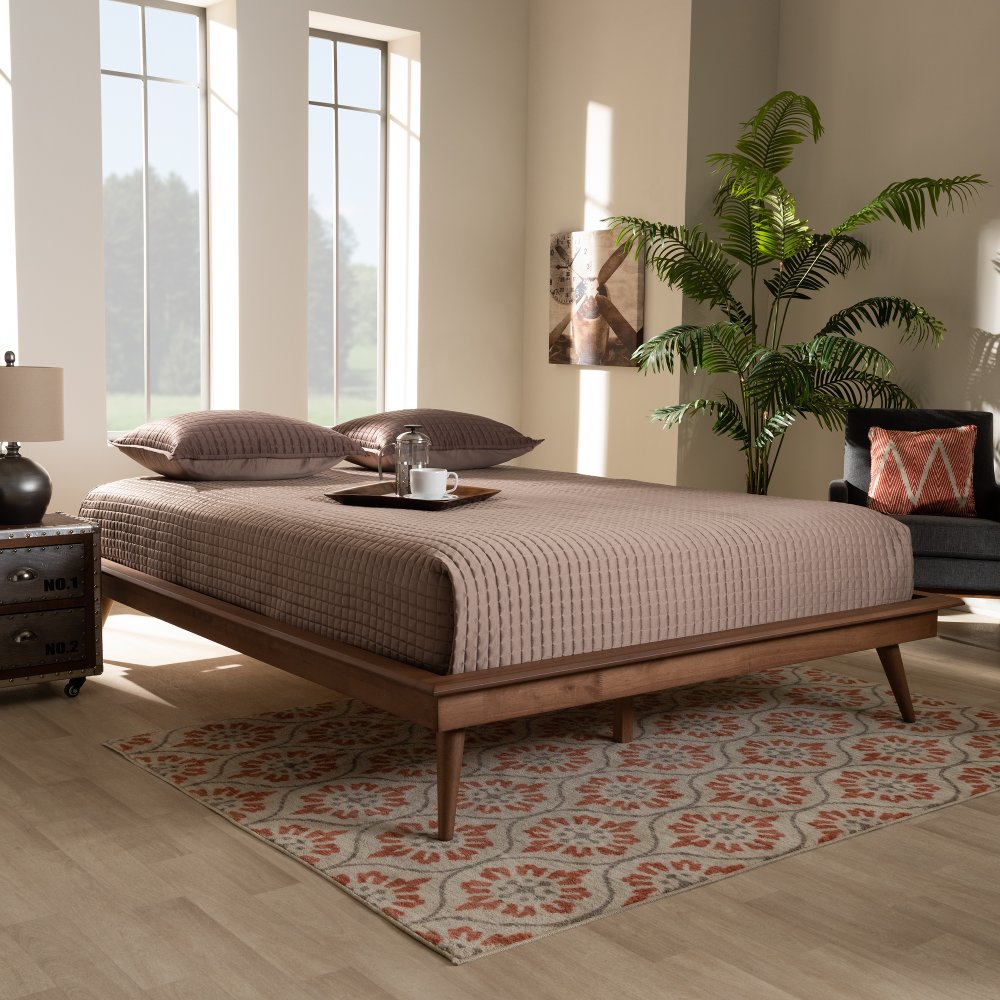
Cottage bed frames bring an easy, welcoming character to the bedroom, with details that feel familiar without making the space look old-fashioned. A gently curved headboard, a row of turned spindles, or the quiet texture of paneled wood can give the room a focal point while leaving plenty of room for personal touches. The look draws on country homes and relaxed retreats, but it works just as comfortably in a suburban primary bedroom or a small city apartment. Painted finishes in soft white, cream, or muted gray create a light backdrop for quilts and patterned sheets, while natural wood tones add warmth alongside woven rugs and simple cotton bedding. Some cottage-inspired frames lean toward farmhouse styling with substantial posts and broad panels; others feel more delicate, with slim profiles and graceful curves. That range makes it possible to choose a bed that suits the room rather than building the whole room around a single decorating formula. A restrained frame can balance floral curtains or a colorful heirloom quilt, while a more detailed headboard gives plain bedding a little extra presence. Matching every finish isn’t necessary, either. A painted bed can sit comfortably beside a wood dresser when the pieces share a similar sense of scale and warmth. For someone furnishing a first home, refreshing a longtime bedroom, or making a guest room more inviting, cottage styling offers a foundation that can adapt as tastes change. Lightweight layers and pale linens keep the setting airy, while a textured coverlet and a folded blanket make it feel cozy during the cooler months. The frame provides the lasting structure; the textiles carry much of the seasonal change. Even in a room with modern lamps or clean-lined storage, cottage details can soften the overall effect and make the bed feel like a natural place to settle in at the end of the day.
The materials and construction of a cottage bed frame influence both its appearance and how it holds up to everyday use. Solid wood brings individual grain patterns and natural variation, and it can develop small signs of wear that suit a relaxed setting. It also responds to changes in humidity, so a stable indoor environment helps protect joints and finishes over time. Wood veneers can provide the appearance of natural grain over a supporting core, while engineered wood components offer different construction options beneath painted or wood-look surfaces. Material names alone don’t tell the whole story: sturdy connections, appropriate mattress support, and assembly according to the manufacturer’s directions all matter to long-term performance. Metal frames with slender rails or rounded posts can also fit a cottage bedroom, especially when paired with soft bedding that balances their more open outline. Whatever the material, the bed needs to work with the mattress as well as the room. A frame’s size designation describes the mattress it’s intended to accommodate, not its full outside dimensions. A curved footboard, wide side rails, or projecting posts can take up valuable inches near a closet or dresser. In a compact bedroom, that difference may determine whether a drawer opens fully or someone can walk comfortably around the foot of the bed. Headboard height deserves the same attention, particularly beneath a sloped ceiling or near a window. The combined height of the frame, foundation, and mattress affects how easily someone can sit down and stand up, while a thick mattress may hide much of a lower headboard. For a cottage look with a platform configuration, Cottage Style Platform Beds offer a related direction to consider. Platform designs commonly support a mattress without a separate box spring, but the frame’s support requirements and the mattress manufacturer’s guidance should agree. Slat spacing, center supports, weight limits, and compatibility with an adjustable base are practical details worth confirming before bringing the pieces together.
A well-chosen cottage bed frame should feel comfortable to live with, not just appealing in a photograph. In a primary bedroom, a substantial paneled headboard can provide a visual anchor for the space, though pillows are still useful for cushioning the back during evening reading. An open spindle design gives a smaller room a less enclosed feel, while a low footboard can be more comfortable for a taller sleeper who likes to stretch out. For a guest bedroom, easy access from both sides and a manageable bed height help create a welcoming setup for visitors with different needs. Cottage styling can also suit an older child’s or teenager’s room when the frame has an appropriate size and weight rating; its simple shapes can carry the room from playful bedding to a more grown-up palette without requiring a complete redesign. Underbed clearance adds another everyday consideration. Enough space for a vacuum head makes routine cleaning easier, and room for shallow storage bins can be useful where closet space is limited. Frames with built-in storage need additional clearance for drawers, so nearby nightstands and rugs should fit into that plan. Care is generally straightforward, but it should follow the finish and material rather than a one-size-fits-all routine. A soft cloth removes dust from wood surfaces, and any spills should be wiped up promptly with minimal moisture left behind. Harsh cleaners, abrasive pads, and unapproved polishes can damage painted or protective finishes. Grooves, spindles, and decorative trim may need a little extra attention where dust collects. Keeping the frame away from persistent dampness and direct heat helps protect its materials, while periodically checking accessible hardware according to the assembly instructions can help maintain a secure feel. When rearranging the bedroom, lifting rather than dragging the frame protects both its joints and the floor. With thoughtful proportions, suitable support, and regular care, a cottage bed frame can remain a useful, familiar part of the room through new bedding, changing routines, and years of everyday rest.
Read More