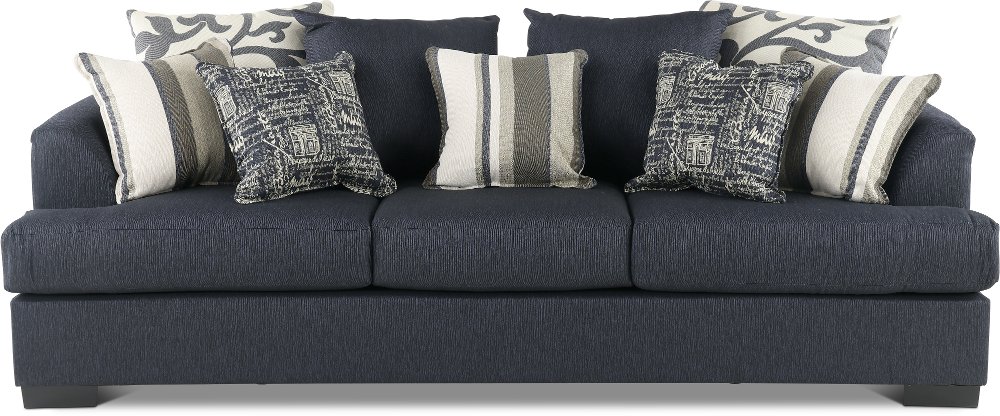
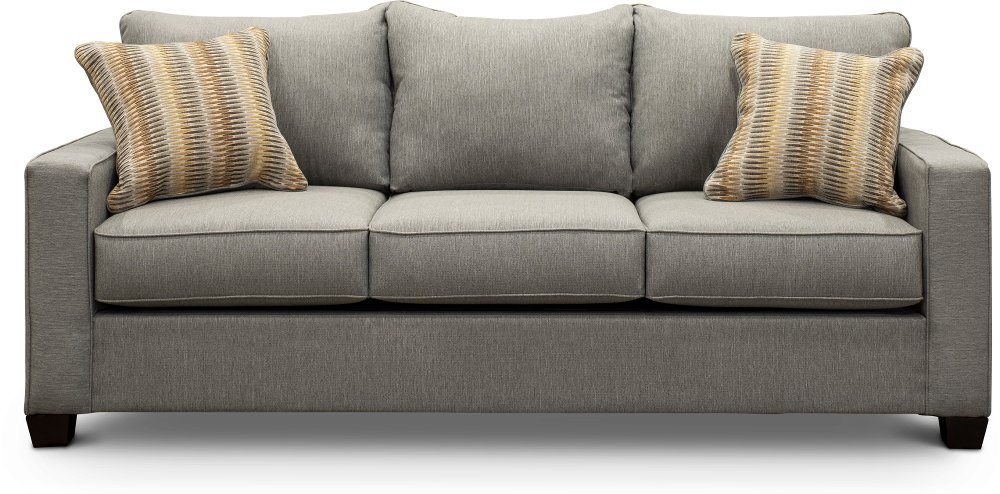
Decorative pillows for sofas bring color, texture, and everyday comfort to the spot where you read, catch up with family, or settle in for a movie. Sometimes a pair of softly woven squares is enough to make a tailored couch feel more inviting; other rooms call for a mix of rich velvet, crisp stripes, and an oversized floral print. These accents can connect your sofa to a patterned rug, echo the blue in a favorite piece of art, or soften the look of dark leather without covering its character. The most useful choices balance appearance with the way you actually sit. A pillow that looks beautiful against the arm should also feel comfortable behind your back or tucked beneath your elbow. Size makes a noticeable difference here. Common square throw pillow sizes include 18 by 18, 20 by 20, 22 by 22, and 24 by 24 inches. An 18- or 20-inch square often suits a compact sofa or loveseat, while a 22- or 24-inch square can give a deep sofa or roomy sectional a more proportional accent. Rectangular lumbar pillows, often around 12 by 20 or 14 by 22 inches, introduce a different shape and can provide light cushioning behind the lower back. These measurements are starting points rather than fixed rules: seat depth, back height, and your preferred sitting position all affect the fit. On a shallow seat, a large, firm pillow may leave too little room to sit comfortably. On a deep seat, that same pillow can make the space feel easier to settle into. Larger squares behind smaller squares or a lumbar pillow create visible layers, but a simple pair at opposite ends can feel just as finished. If you're furnishing a seating area from the start, Sofas With Throw Pillows offers a related place to explore a coordinated look, with room to add accents that reflect your own taste.
Fabric and fill determine how sofa pillows feel, how they hold their shape, and how comfortably they fit into daily life. Cotton covers often have a soft, familiar hand, while linen brings a relaxed surface with natural variation and a tendency to wrinkle. Velvet adds a plush touch and catches light differently across its pile, giving even a solid color depth. Bouclé, chenille, and other textured fabrics add dimension without requiring a bold print, although looped surfaces and loose weaves may catch on pet claws or jewelry. Tightly woven fabrics with secure seams are practical considerations for a family room where pillows get leaned on, moved around, and occasionally dropped on the floor. Polyester and blended fabrics can offer useful resilience, but fiber content alone doesn't establish stain resistance, washability, or durability; the weave, finish, and construction matter, too. Embroidery, tassels, fringe, and beading bring decorative detail, though smooth covers may feel better against your cheek during an afternoon rest. Inside, polyester fiberfill generally gives a pillow a lightweight, springy feel, while feather or feather-and-down fills tend to compress more readily and need regular fluffing. Some people prefer that softer, sink-in feel; others want a fuller accent that keeps a more defined outline. Anyone sensitive to feathers should check the fill description rather than assume every insert uses the same materials. A removable cover makes it possible to separate the fabric from the insert for care, but a zipper doesn't automatically mean the cover is machine washable. For many square covers, an insert 1 to 2 inches larger than the cover can create a plump appearance, provided the cover maker recommends that fit. Dense foam, firmly stuffed inserts, delicate seams, and lumbar shapes may need different sizing. Checking whether a pillow includes its insert also helps clarify what you're choosing, especially when comparing complete decorative pillows with covers intended for inserts you already have.
Color and pattern give decorative sofa pillows their personality, and a few shared details can make different designs feel at home together. Against a beige sofa, ivory, camel, and rust create gentle contrast without depending on a busy print. A gray couch can carry blue and cream accents, while a brown leather sofa pairs naturally with woven neutrals, muted greens, or small-scale stripes. The undertones matter more than an exact match: a creamy white pillow often sits more comfortably beside warm upholstery than a stark, blue-toned white. When mixing patterns, differences in scale help each one remain visible. A broad floral, a narrow stripe, and a solid textured cover can share one color without looking like a matched set. Repeating a shade from your curtains or rug creates a connection across the room, while changing the fabric keeps that repetition from feeling flat. Two matching pillows give a sofa an orderly outline; three or five can create a more varied arrangement when the seating area has enough room. An odd number isn't a requirement, and usable seating matters more than a styling formula. For a sofa shared by several people, fewer pillows may be the most welcoming choice. A nearby basket offers a convenient place to put extras when guests sit down. Care deserves the same attention as appearance, particularly in homes with children or pets. Follow the label for the cover and insert separately, spot-clean only as directed, and check any cleaning solution on an inconspicuous area when recommended. Wash removable covers only if permitted, and let cleaned components dry fully before reassembling. Gentle fluffing and rotating frequently used pillows help distribute everyday wear. For a housewarming gift, a neutral pillow with a pleasing texture can be a thoughtful choice when you know the recipient's sofa size and care preferences. Whether the goal is a polished living room or a comfortable family gathering spot, the best decorative pillows leave space to relax and feel like they belong in your home.
Read More