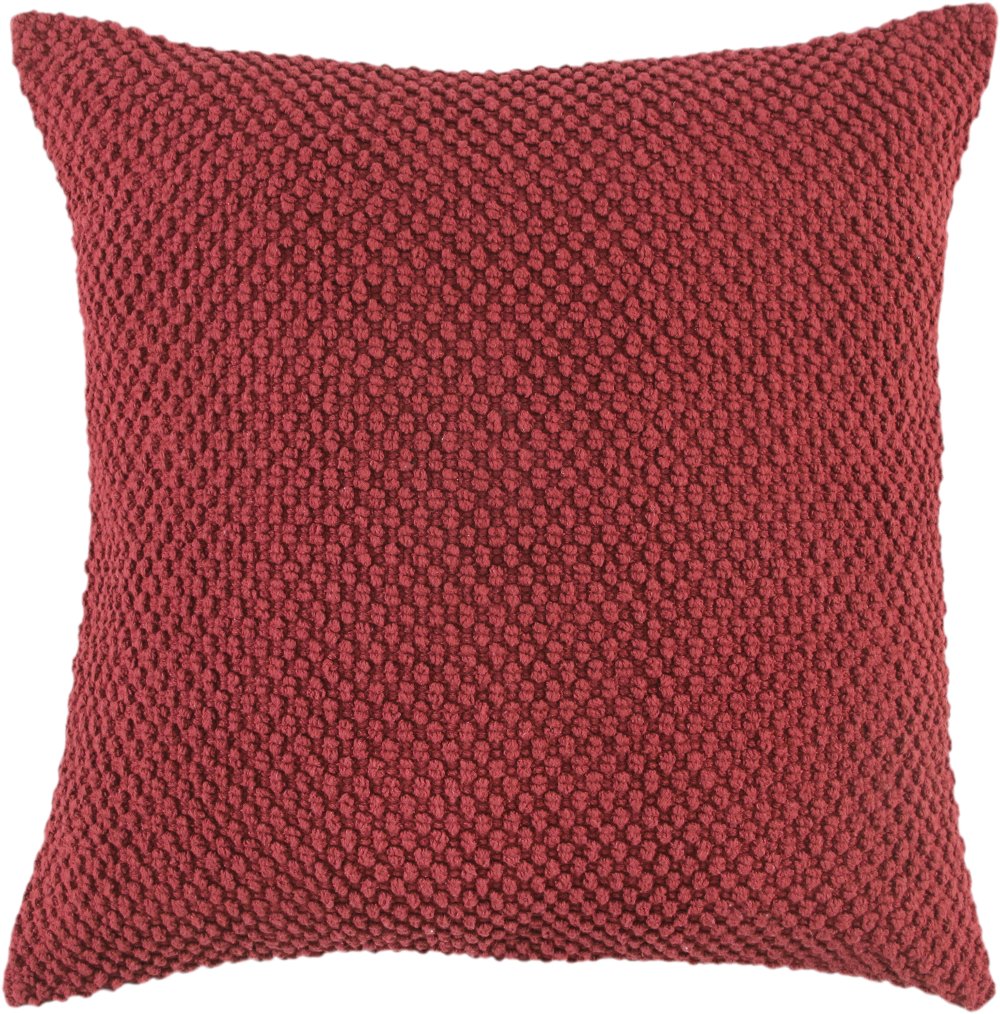
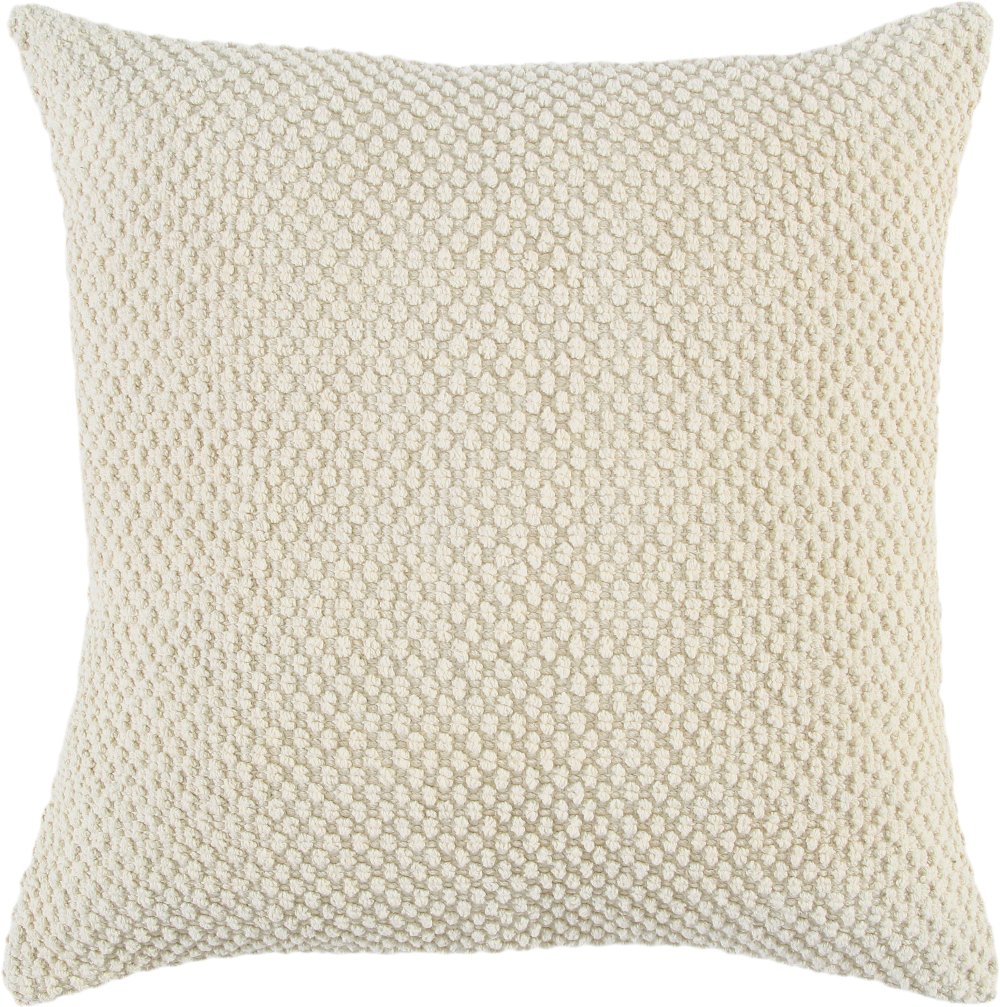
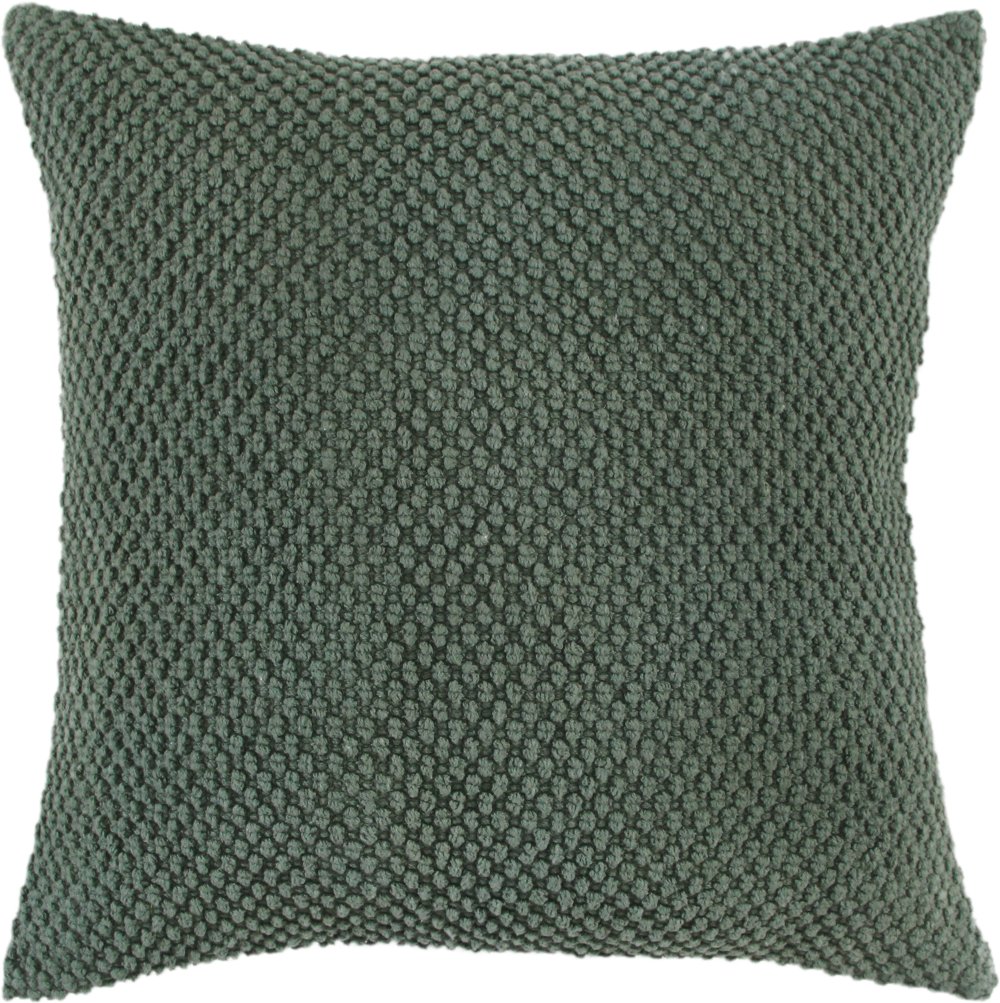
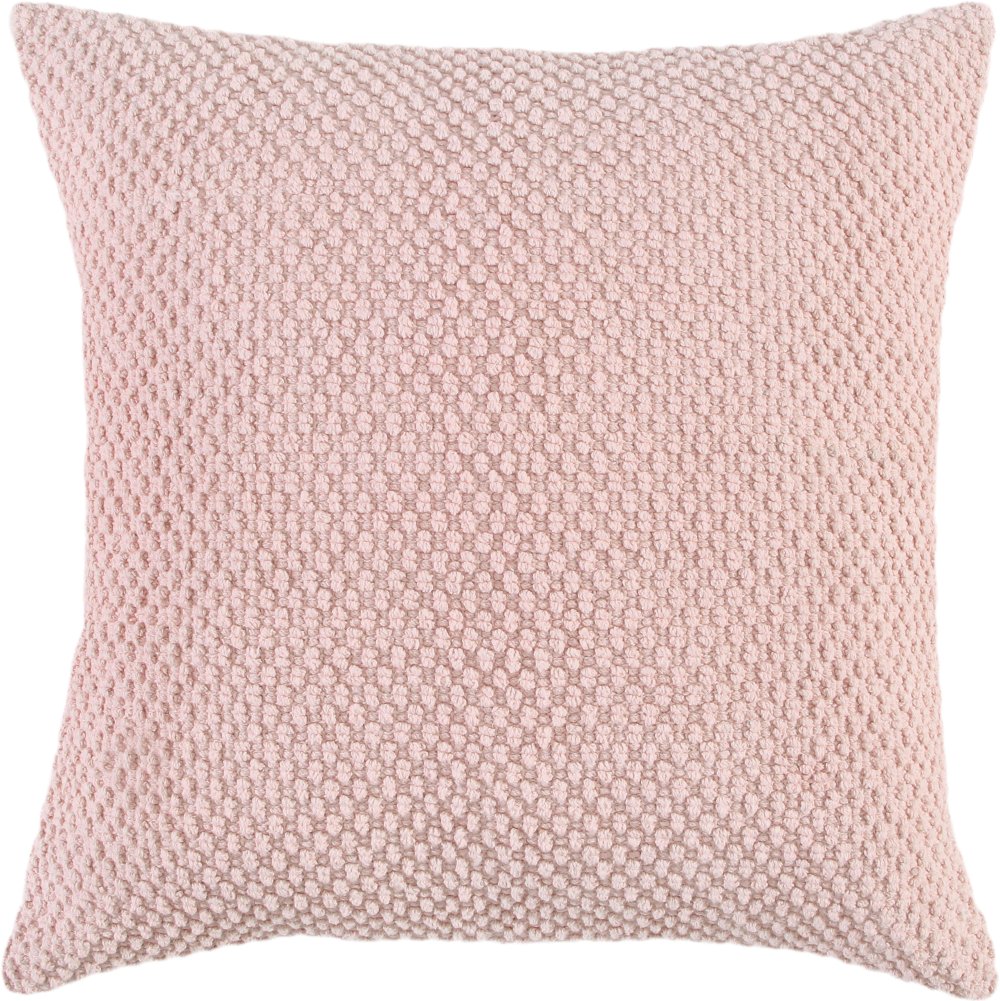
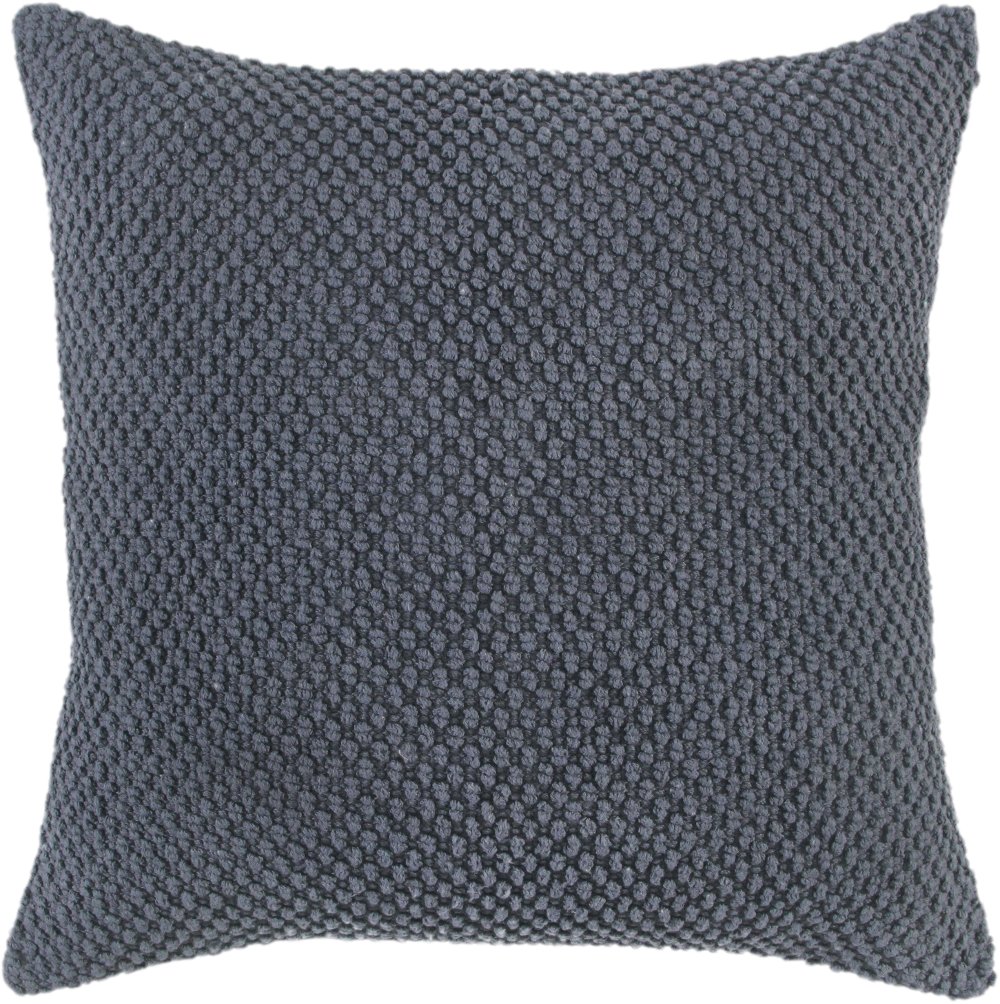
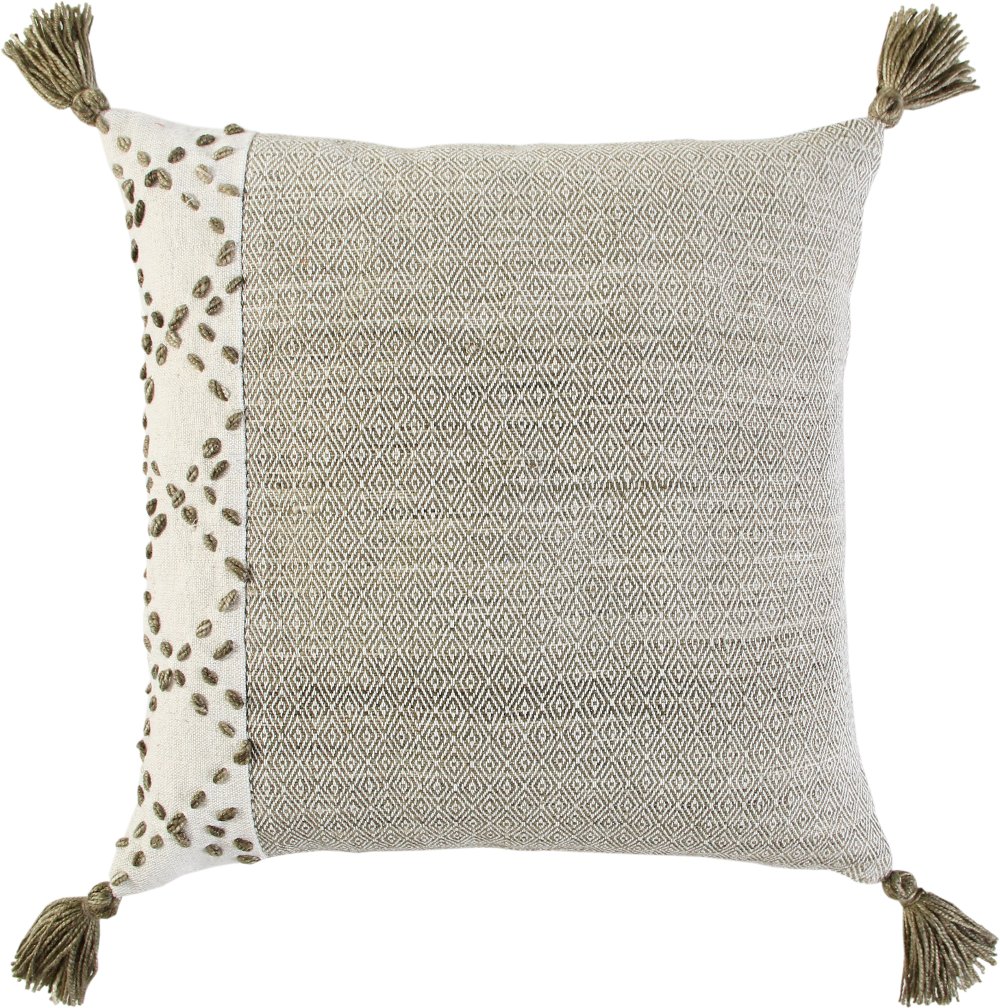
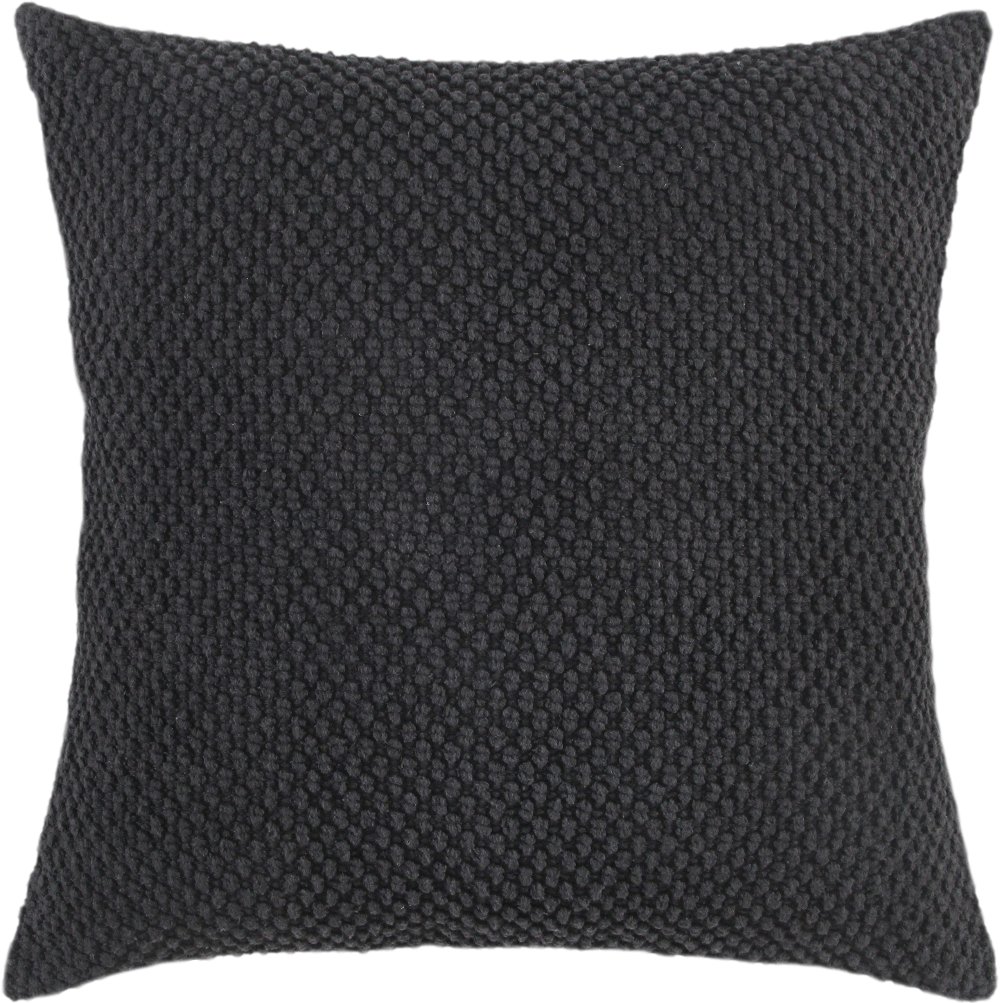
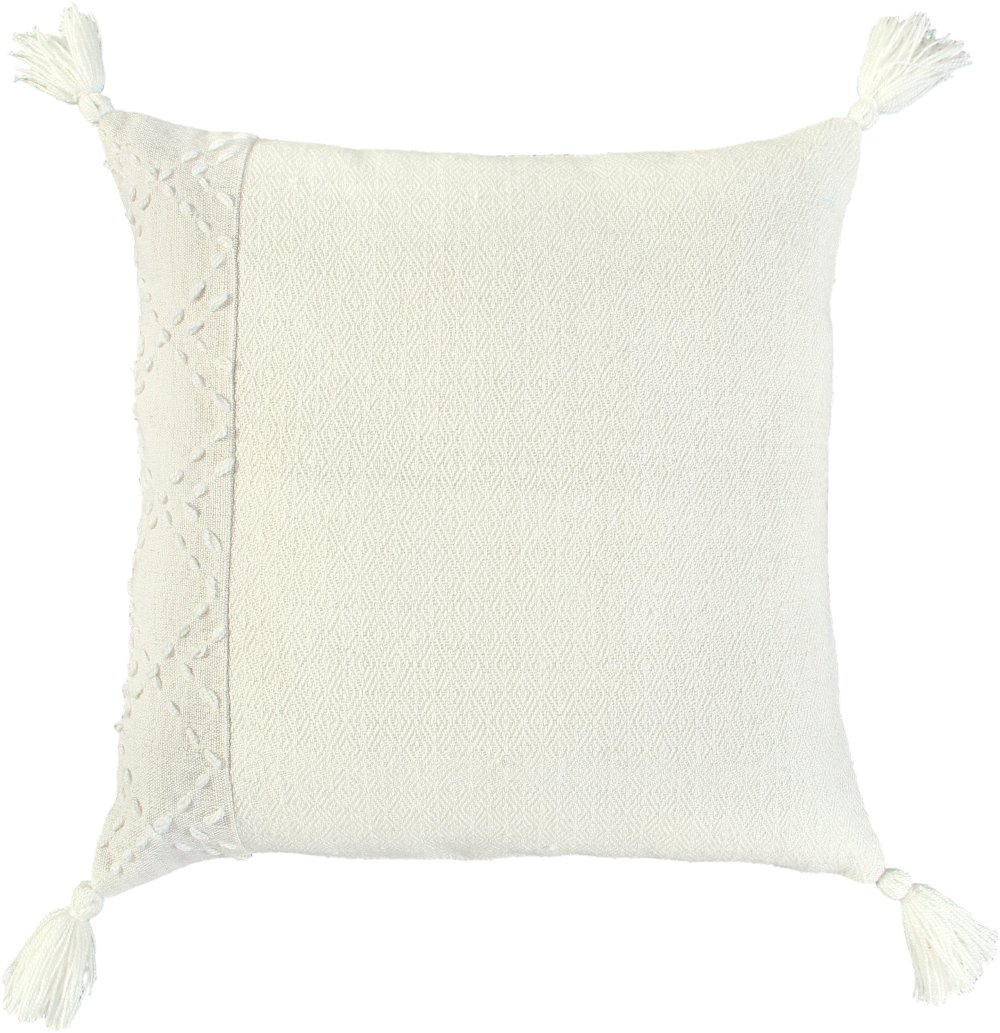
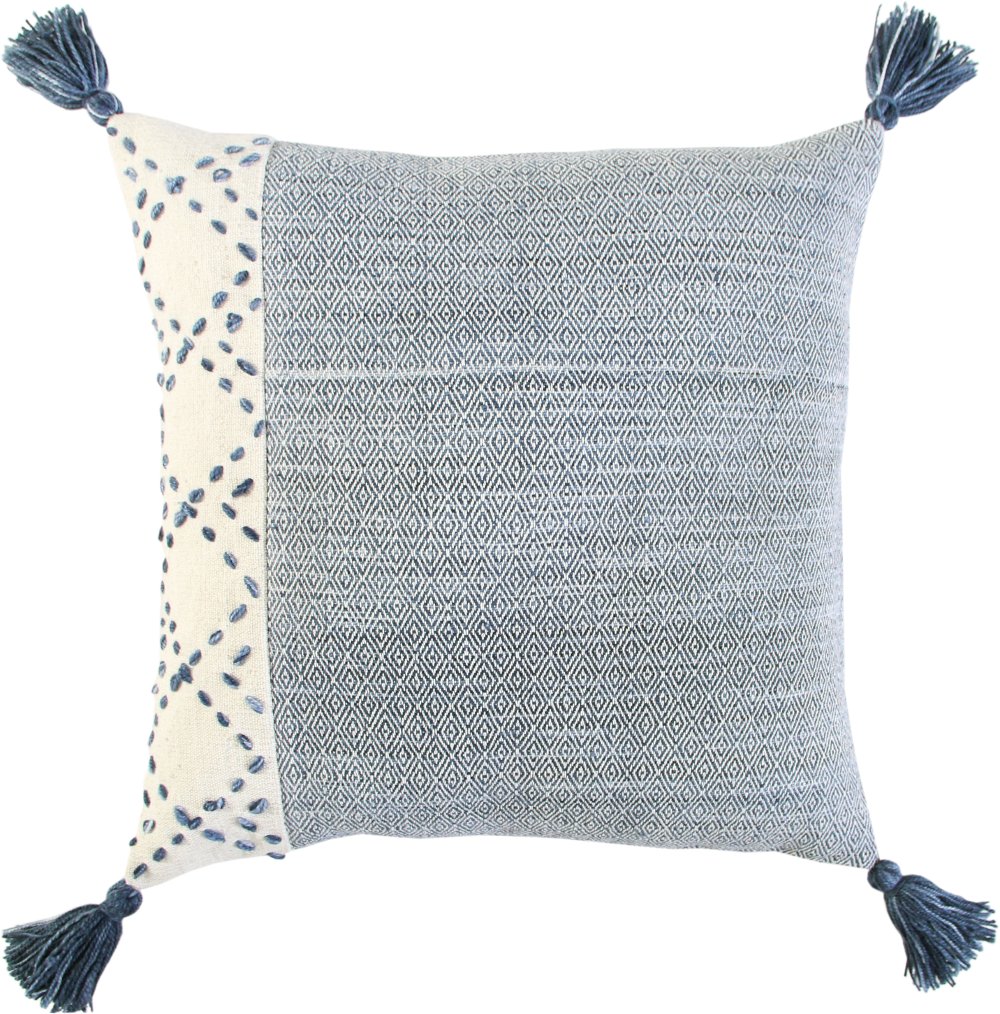
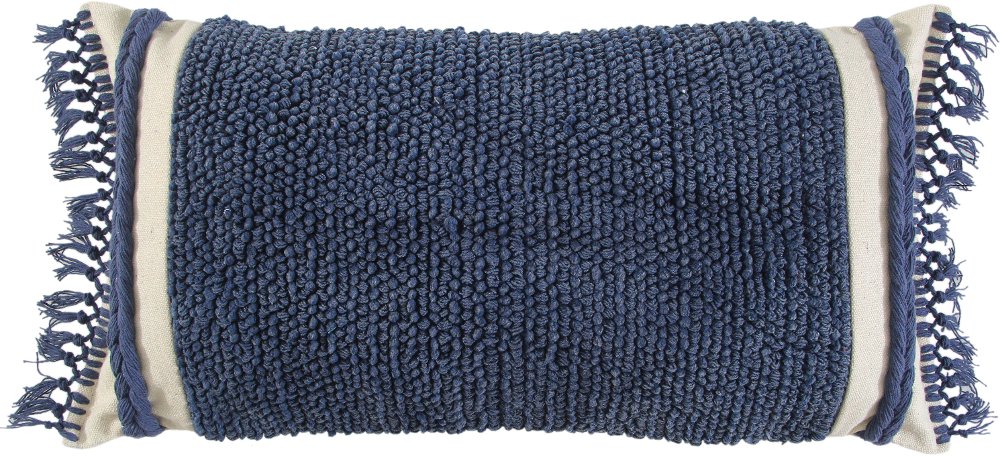
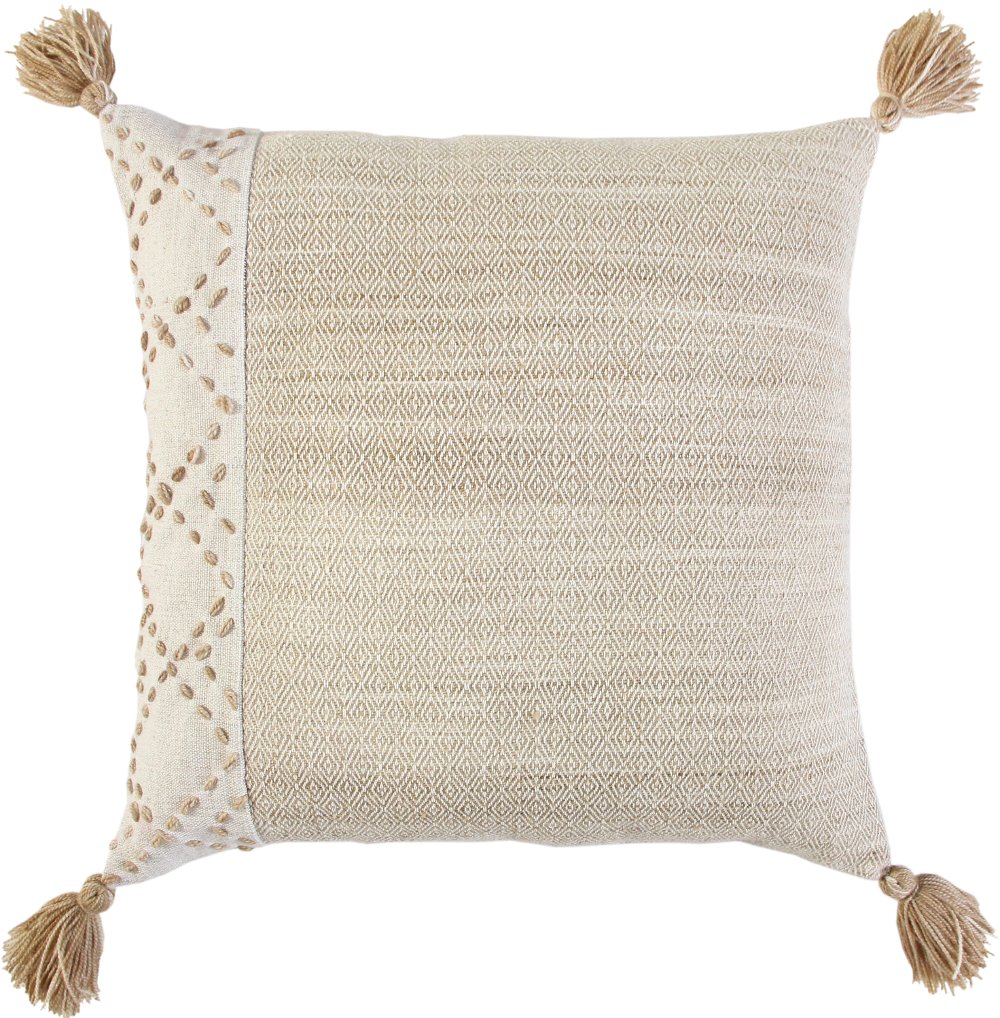
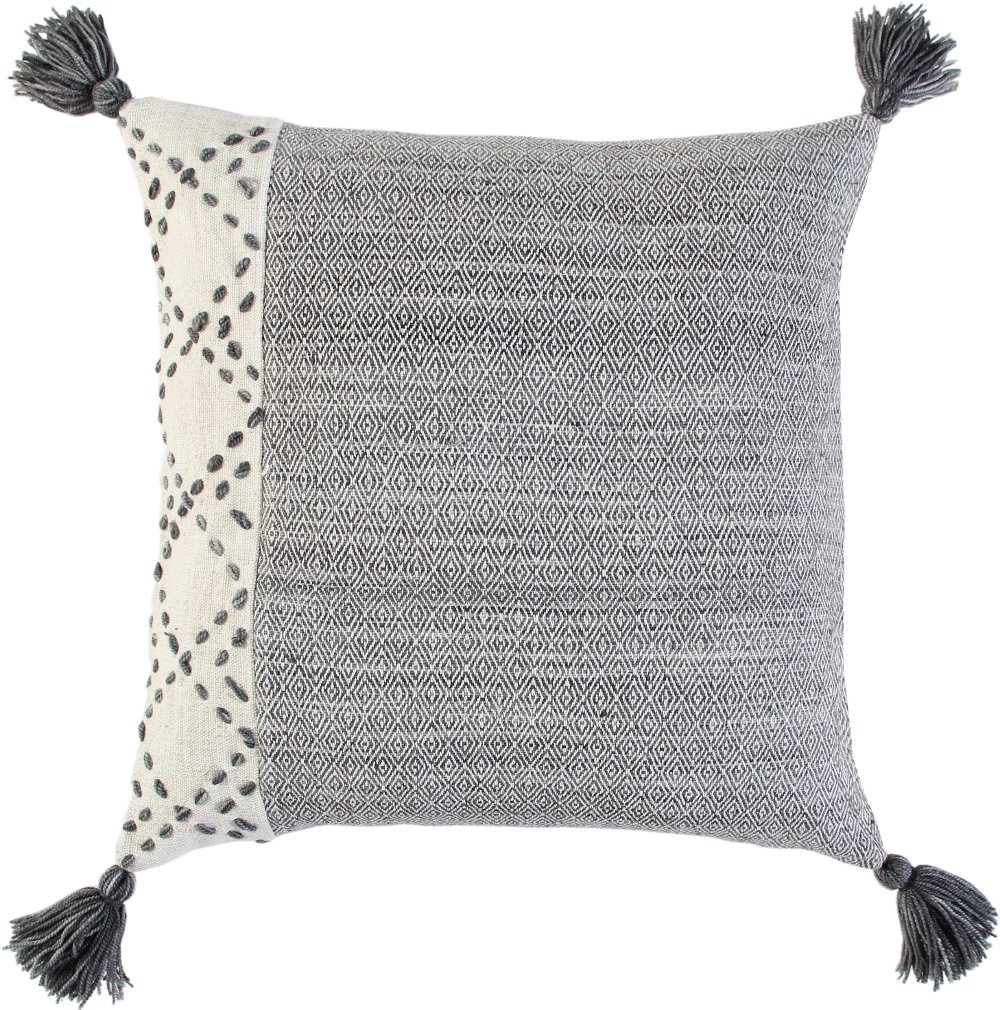
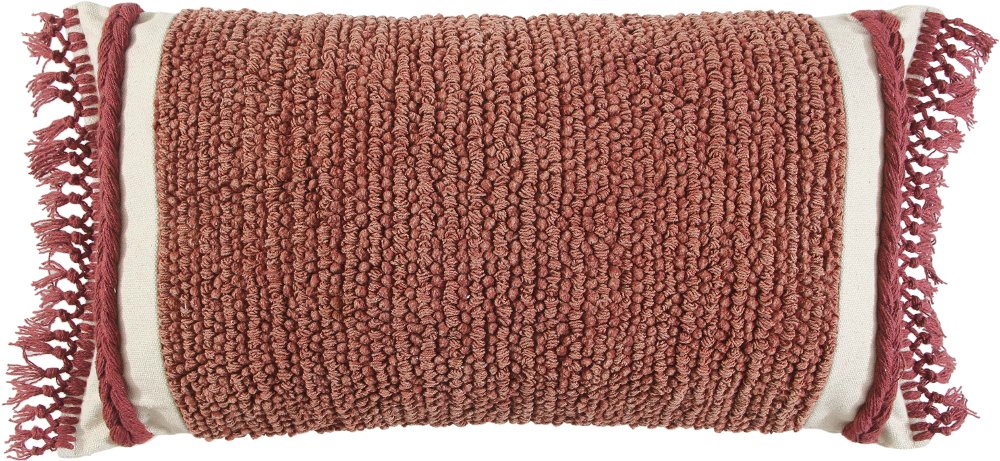
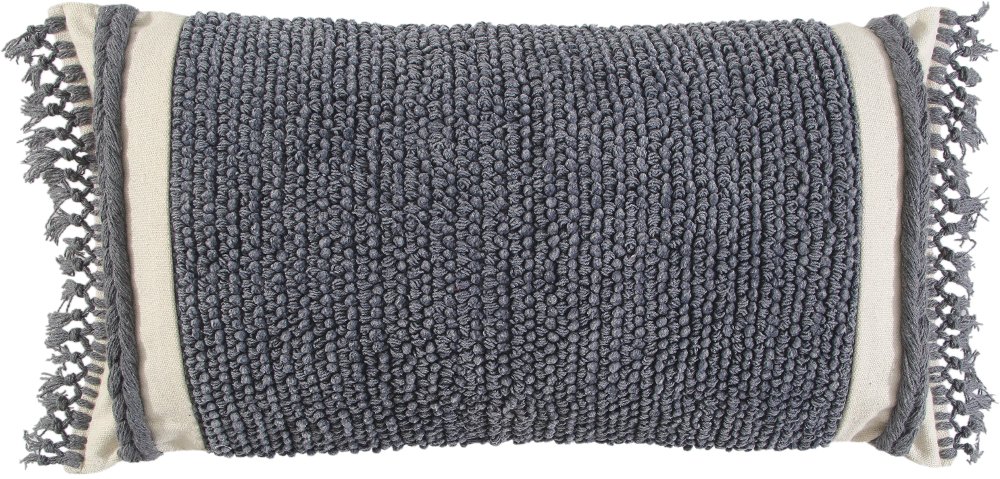
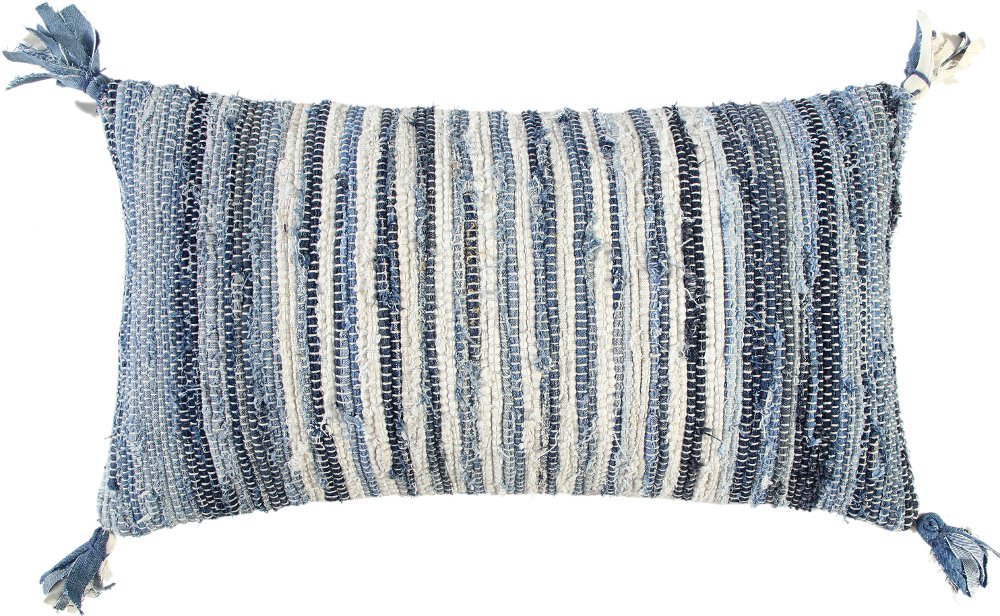
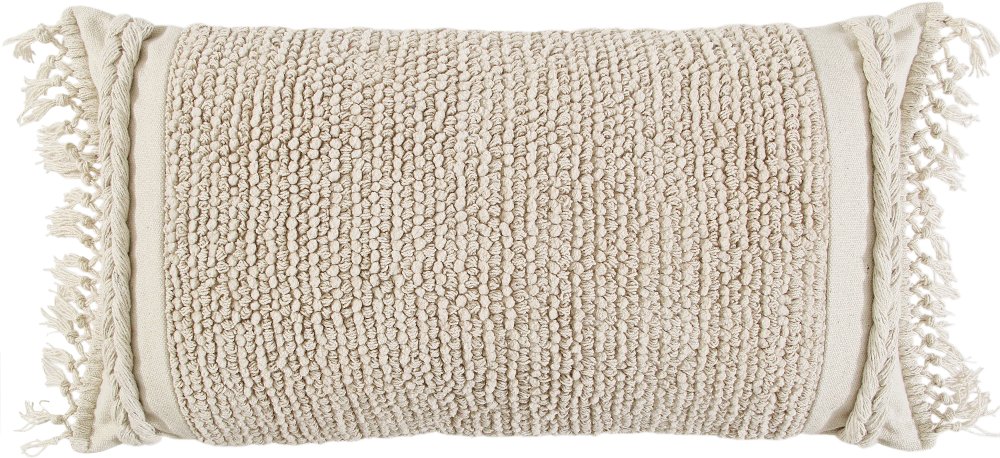
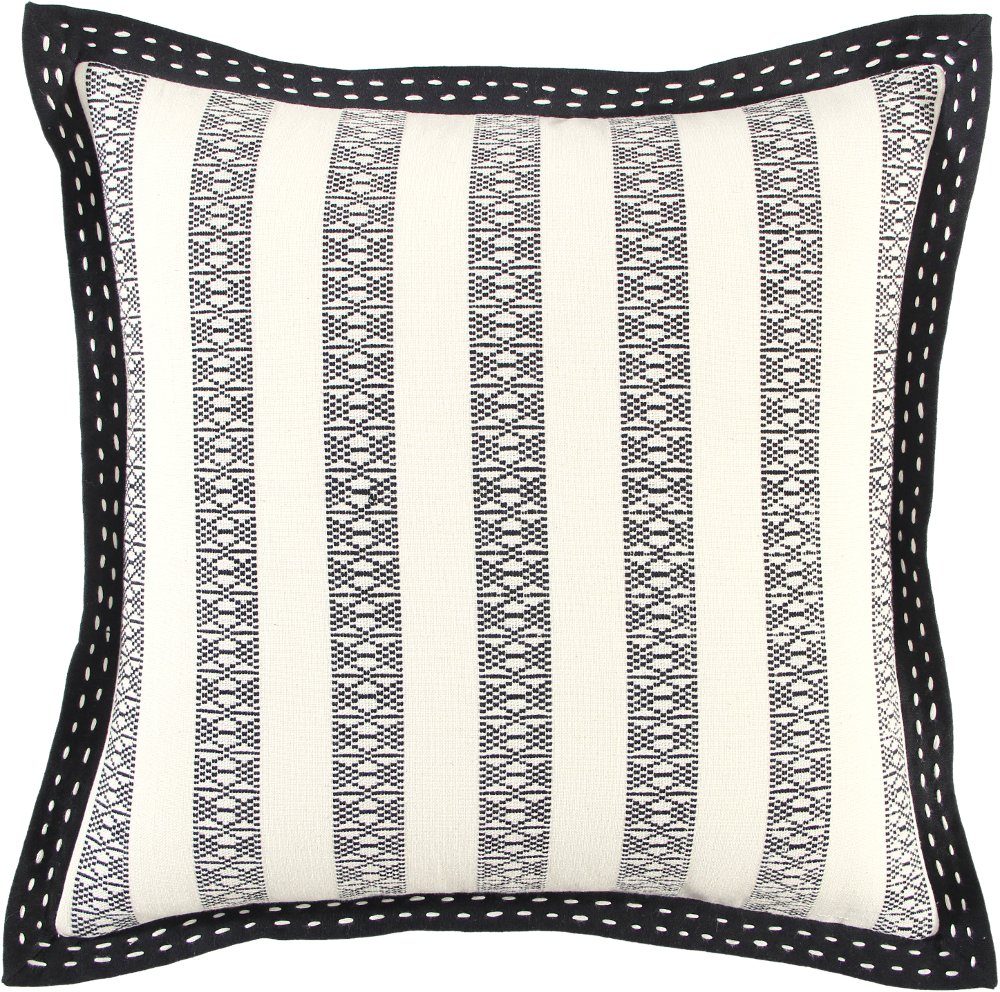
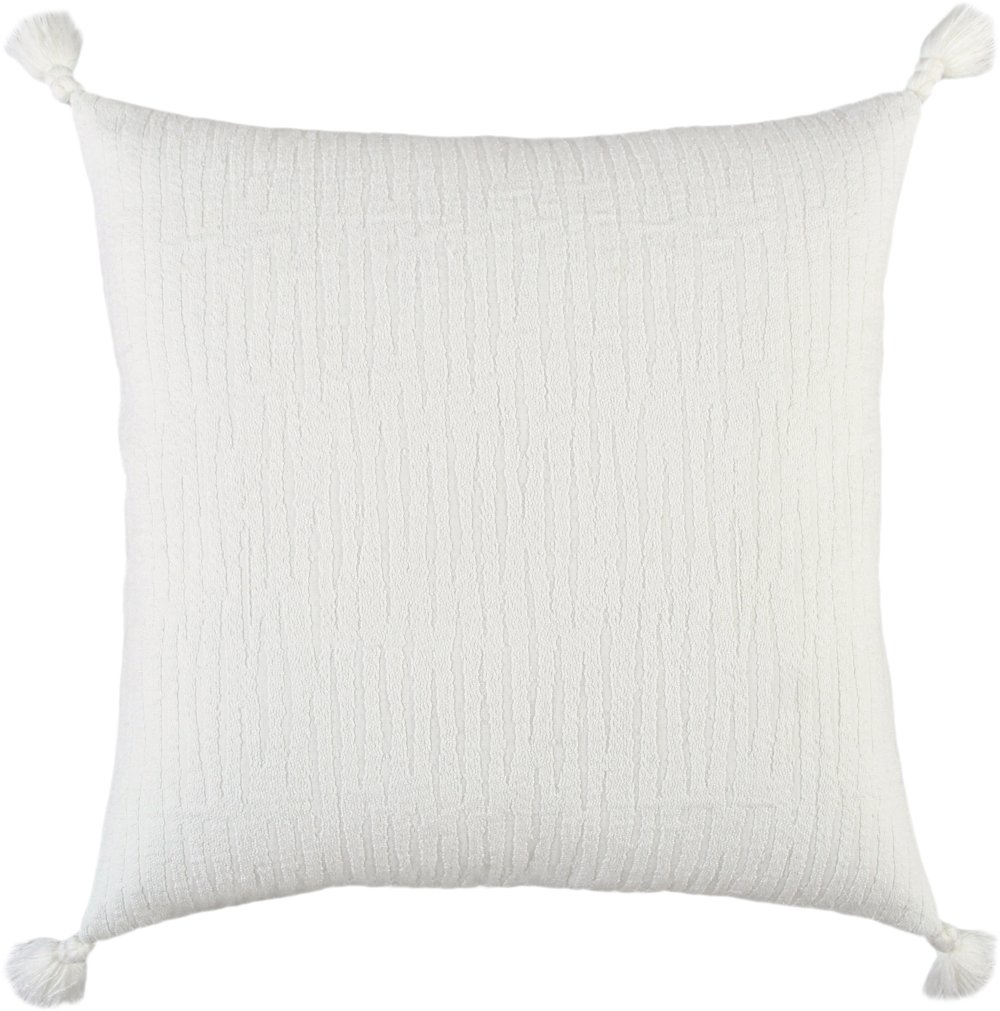
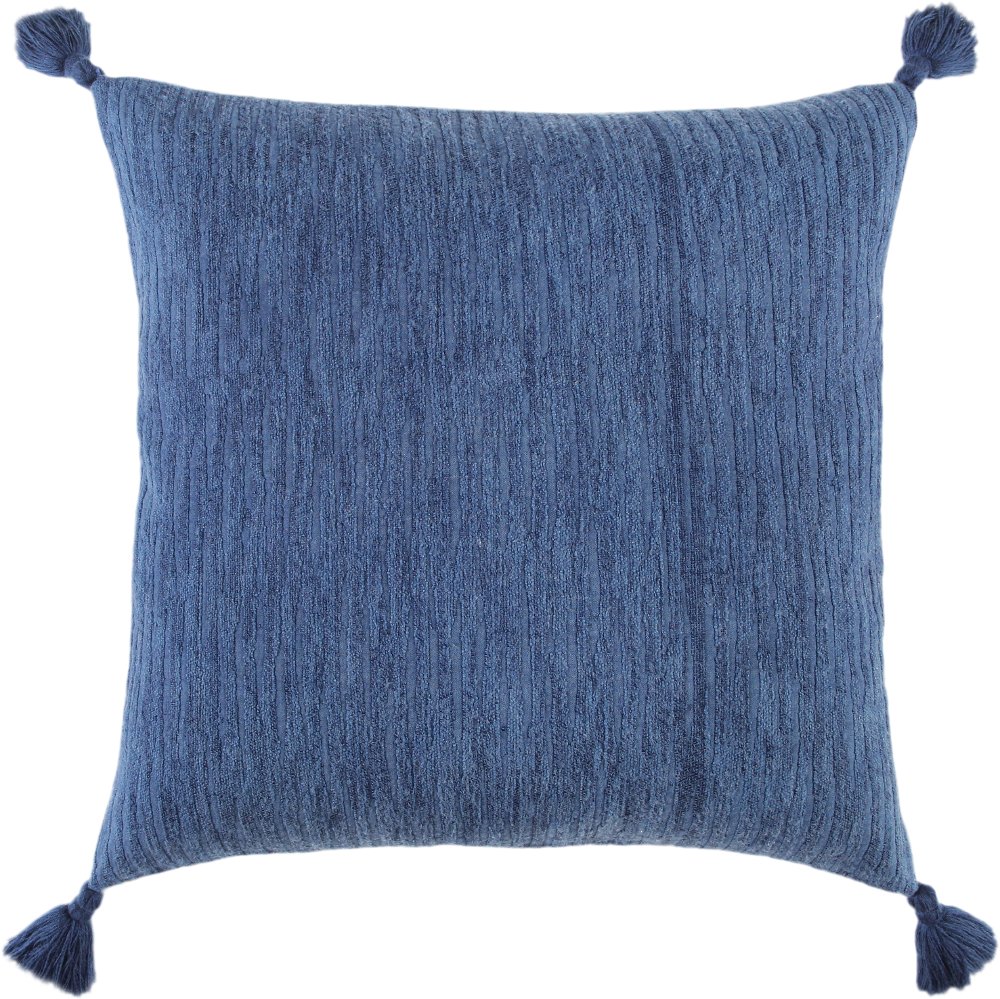
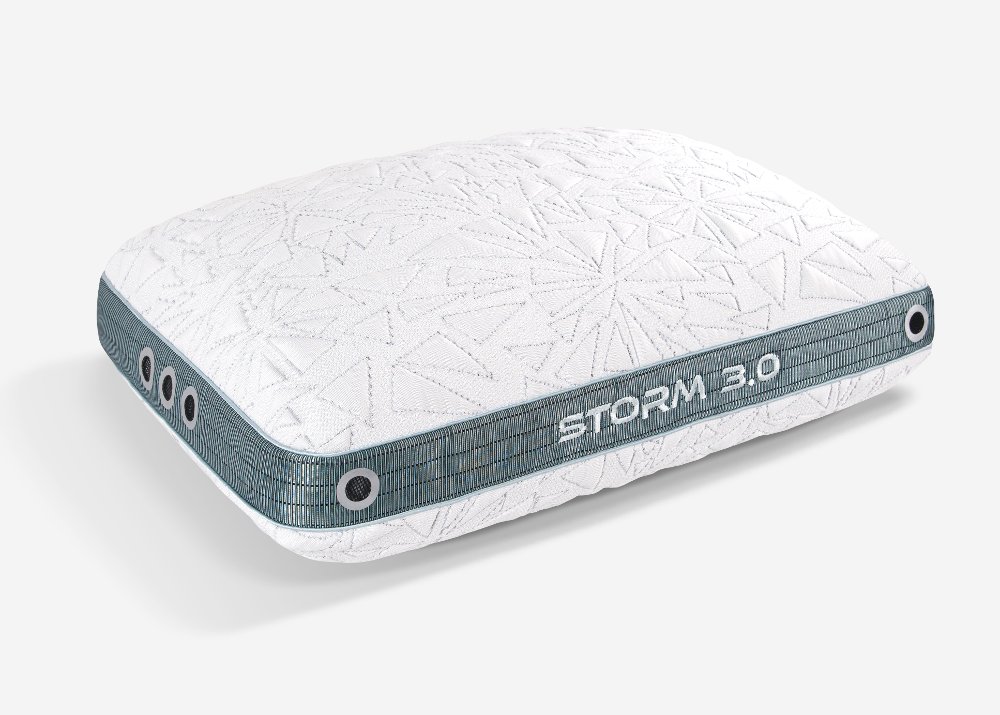
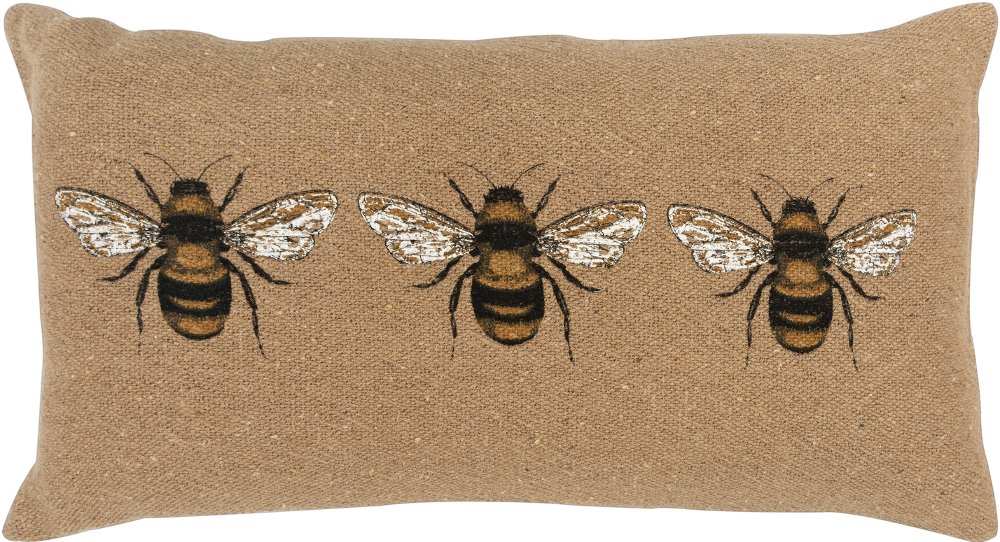
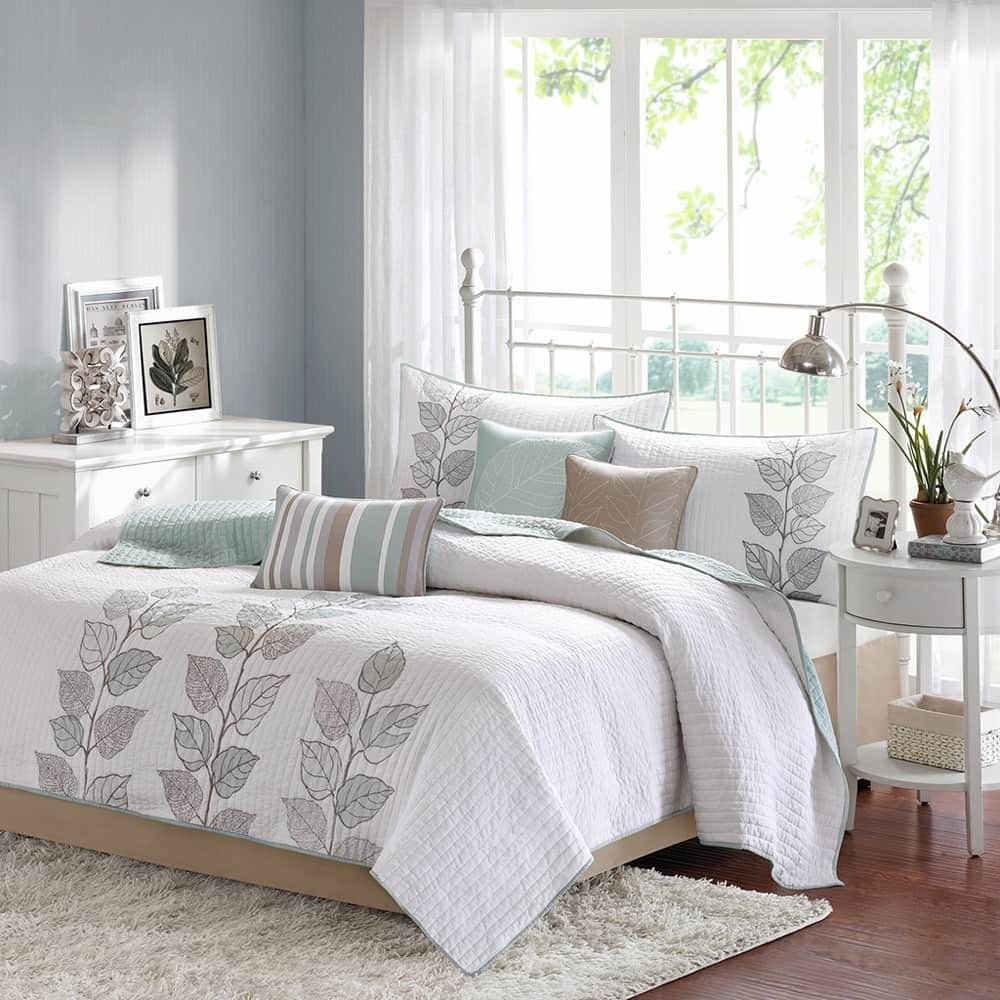
Decorative pillows bring color, texture, and a comfortable finishing touch to sofas, beds, accent chairs, and reading nooks. Also called throw pillows or accent pillows, these small accessories can connect the larger elements in a room without requiring every fabric or finish to match. A blue pillow might pick up a detail in an area rug, while a woven cream cushion can soften the look of a dark leather sofa. Size and shape make a noticeable difference in both appearance and everyday use. Common square pillow sizes include 18 x 18, 20 x 20, and 22 x 22 inches, with larger squares generally creating a fuller presence on deep seating. Rectangular lumbar pillows, often measuring 12 x 20 or 14 x 26 inches, add a contrasting shape and can fit neatly in front of square cushions. Round pillows and other shaped accents offer a softer outline among straight furniture lines. The right proportions leave enough space to sit comfortably: a compact armchair may need just one accent pillow, while a roomy sectional can accommodate a larger grouping spread across its seating areas. An odd number of pillows can create a relaxed arrangement, but paired pillows work equally well when a balanced, symmetrical look suits the room. For a sofa, larger pillows at the ends and a smaller rectangle toward the center create depth without hiding the upholstery. On a bed, accent pillows add another layer in front of sleeping pillows or shams. Explore decorative bed pillows for accents that complement bedding and suit the scale of the mattress. A narrow lumbar pillow can finish a simple bedding arrangement without creating a large stack to move at bedtime. Measuring the furniture and checking pillow dimensions helps distinguish a substantial accent from a smaller decorative detail, especially when photographs make different sizes look similar. The most useful arrangement feels inviting while leaving the furniture ready for the way you actually use it.
Fabric influences how decorative pillows look, feel, and hold up to daily handling. Cotton covers often have a familiar, comfortable feel and work with a wide range of decorating styles, though cleaning requirements depend on the weave, finish, and added details. Linen offers visible texture and a relaxed appearance; its natural creasing can be part of the appeal rather than something to smooth away. Velvet brings a plush surface and depth of color, with a pile that may look lighter or darker depending on the direction of the fibers and the light. Polyester and blended fabrics can provide a range of textures, and some are designed for easy care, but the fiber name alone doesn’t establish stain resistance or washability. Woven patterns, embroidery, tufting, and appliqué add dimension, while smooth covers offer a simpler surface for leaning against. In a family room where pillows regularly end up behind someone’s back or under an elbow, comfortable fabric and secure construction matter as much as the pattern. For homes with pets, a closely woven cover may be more practical than loose loops, long fringe, or delicate raised stitching that can catch claws. Color and pattern help create a cohesive room without making it feel overly coordinated. A solid sofa gives stripes, florals, geometric designs, and abstract patterns room to stand out. Patterned upholstery often pairs well with quieter pillows that repeat one or two colors from the fabric. Combining a larger print with a smaller pattern and a solid textured pillow creates variety while keeping the arrangement readable. Neutral decorative pillows can be just as expressive through nubby weaves, subtle stitching, contrasting piping, or a mix of matte and lustrous surfaces. If the room already has a busy rug, artwork, and patterned curtains, a restrained pillow palette can give the eye a place to rest. Consider the reverse side, too: a different fabric or simpler backing may change how the pillow looks when it’s turned or casually placed.
The filling and construction determine whether an accent pillow feels softly relaxed, neatly structured, or somewhere in between. Feather and down blends can offer a moldable feel, though they typically need regular fluffing and a well-constructed inner casing to help contain the filling. Polyester fiberfill and down-alternative inserts provide feather-free options, with firmness and shape retention varying by construction. A decorative lumbar pillow may feel comfortable behind the lower back, but it isn’t a substitute for a support cushion designed for a particular physical need. Removable covers offer flexibility for cleaning and changing the look of a room, while sewn-closed pillows keep the cover and filling together as one piece. Check whether a pillow includes an insert or consists of a cover only, and compare the stated dimensions before choosing an insert separately. Many square covers achieve a fuller appearance with an insert 1 to 2 inches larger than the cover, but the appropriate fit depends on the fabric, filling, shape, and manufacturer’s recommendations. An oversized insert shouldn’t strain the seams or make the zipper difficult to close. Reinforced stitching, securely attached trim, and a zipper that sits discreetly along a seam are useful construction details to consider. Care instructions deserve the same attention as color: some covers can be machine washed, while others require spot cleaning or professional cleaning. A removable cover doesn’t automatically mean it’s washable, and the insert may have different care requirements. Gentle vacuuming with an upholstery attachment, when appropriate for the fabric, can help remove surface dust between cleanings. Prompt attention to spills and occasional fluffing help pillows stay presentable through regular use. Decorative pillows also make thoughtful housewarming gifts, particularly when their colors and textures reflect the recipient’s space. For someone furnishing a first apartment, refreshing a favorite reading chair, or finishing a guest bedroom, a well-chosen accent can make the room feel more personal. Comfortable materials, manageable care, and proportions that suit the furniture give these finishing touches a lasting role in everyday living.
Read More