Decorative Wall Mirrors

Shop decorative wall mirrors for a finishing touch that reflects light and complements your decor. Compare size, shape, and design with your space in mind, whether you’re filling an entryway wall or adding interest above a dresser or console. Measure the available wall area before choosing to help keep your mirror in proportion with nearby furniture.

Read More
Sort by:
Web Exclusive
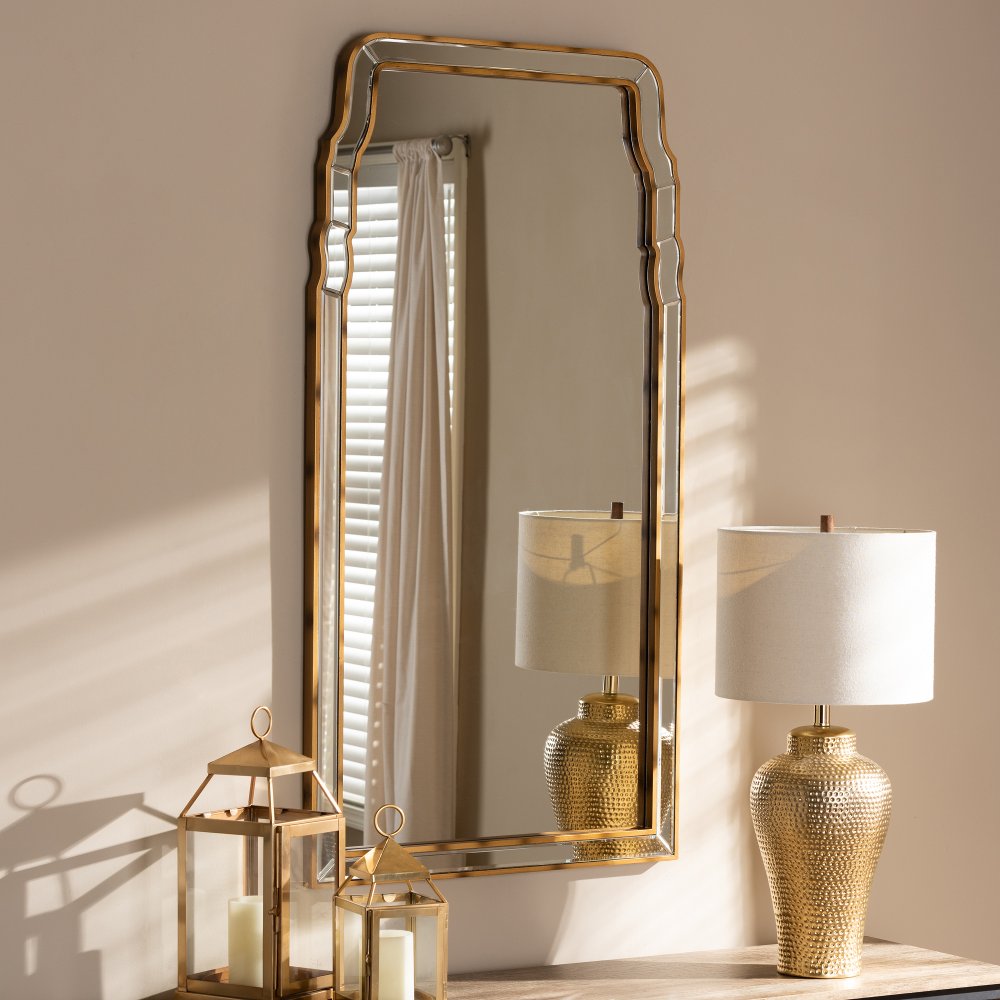
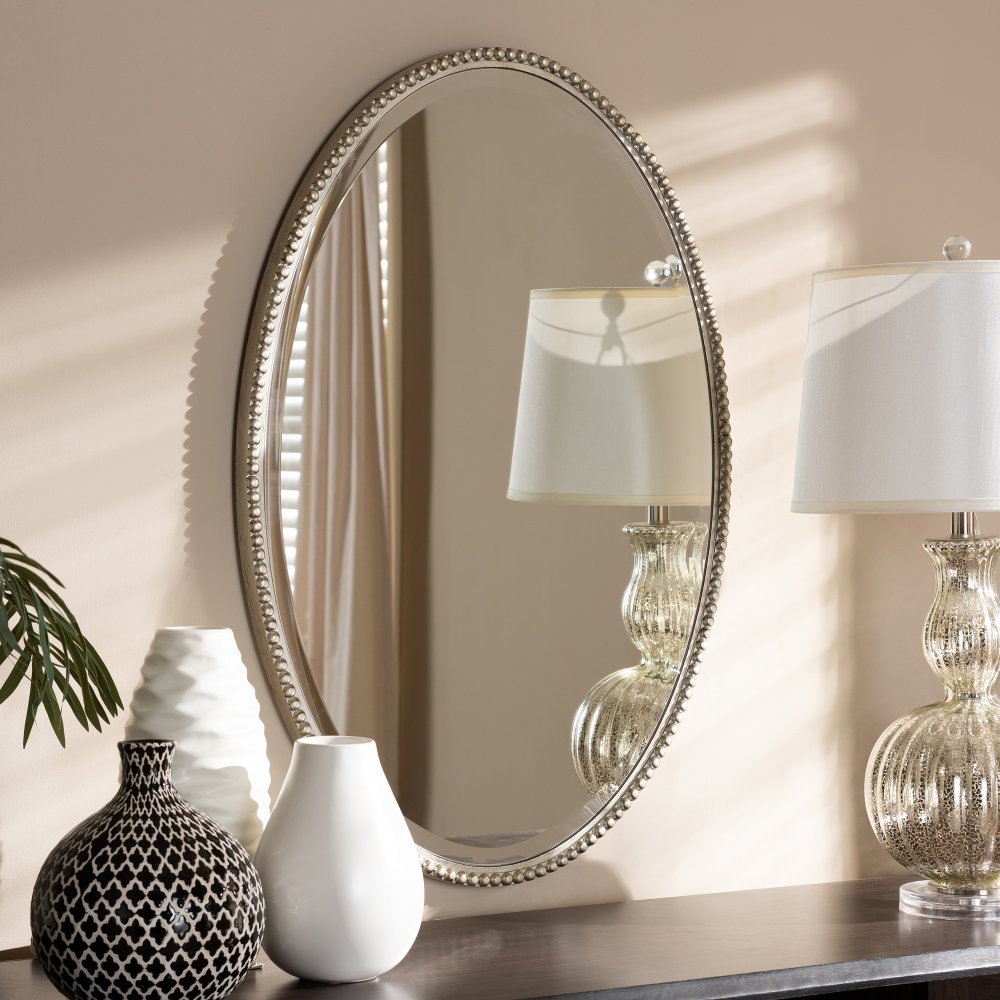
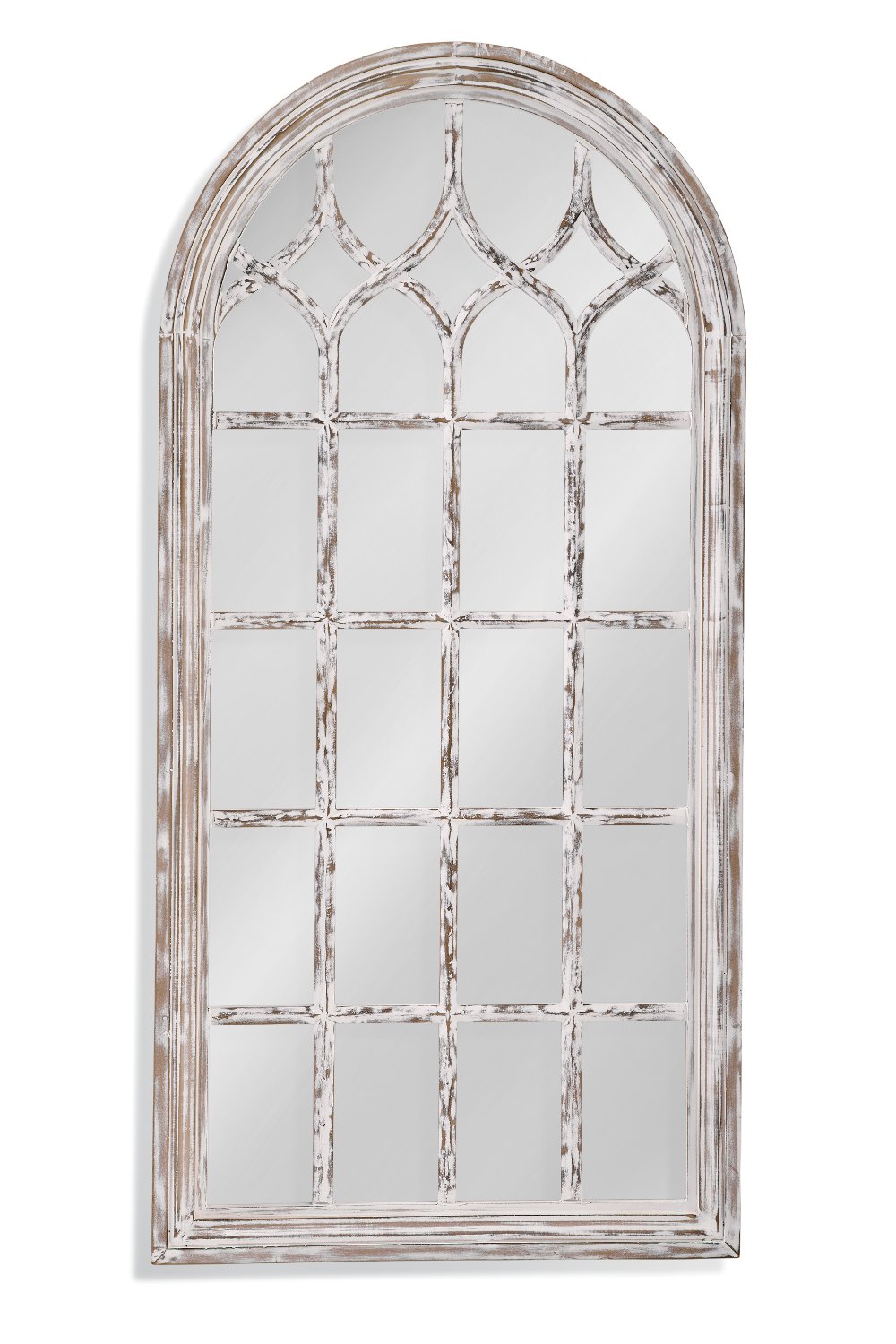
Catarina Wall Mirror
5 stars
$339 .00
Web Exclusive
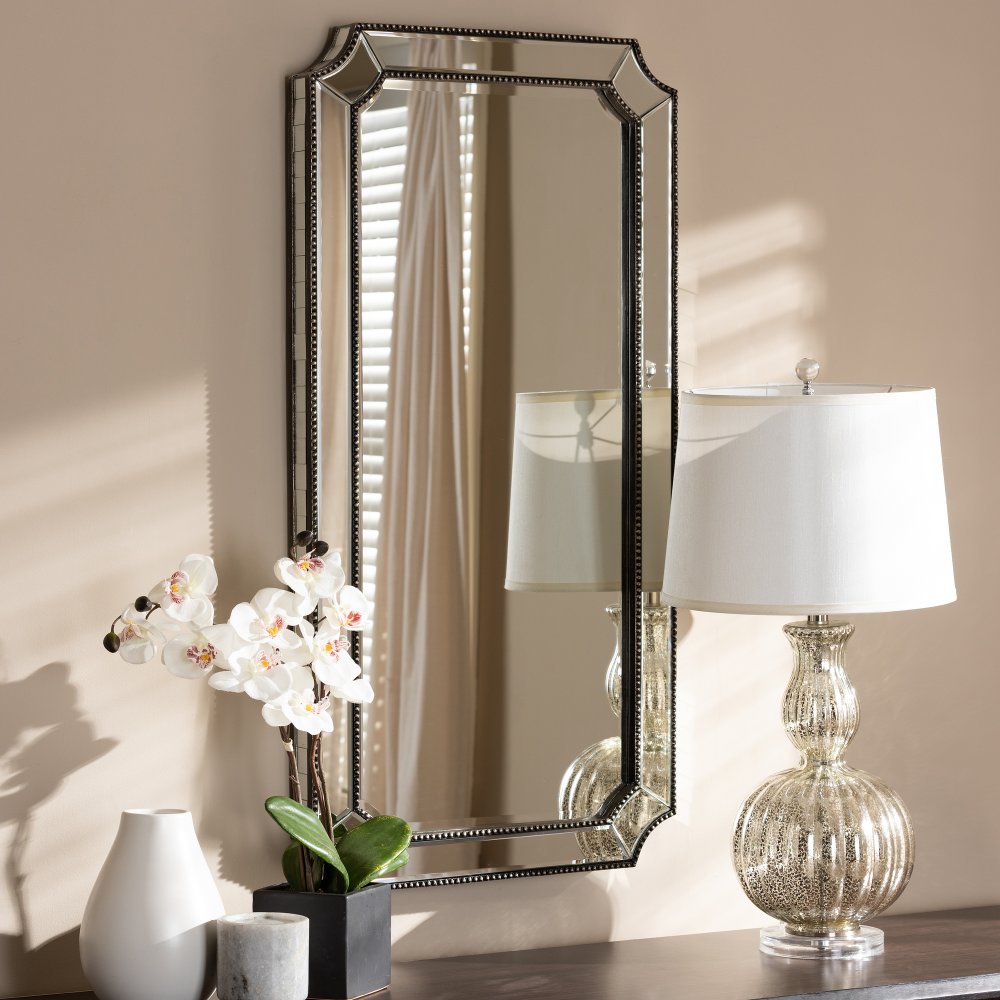
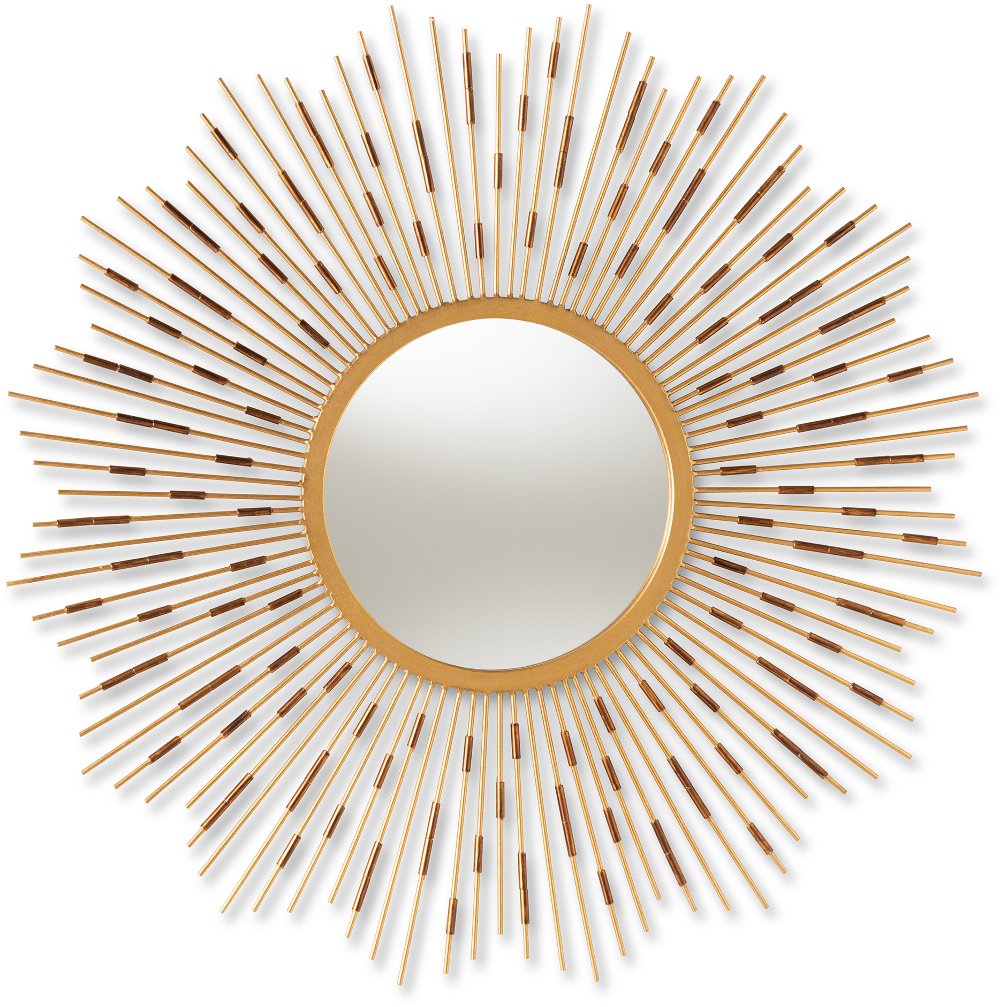
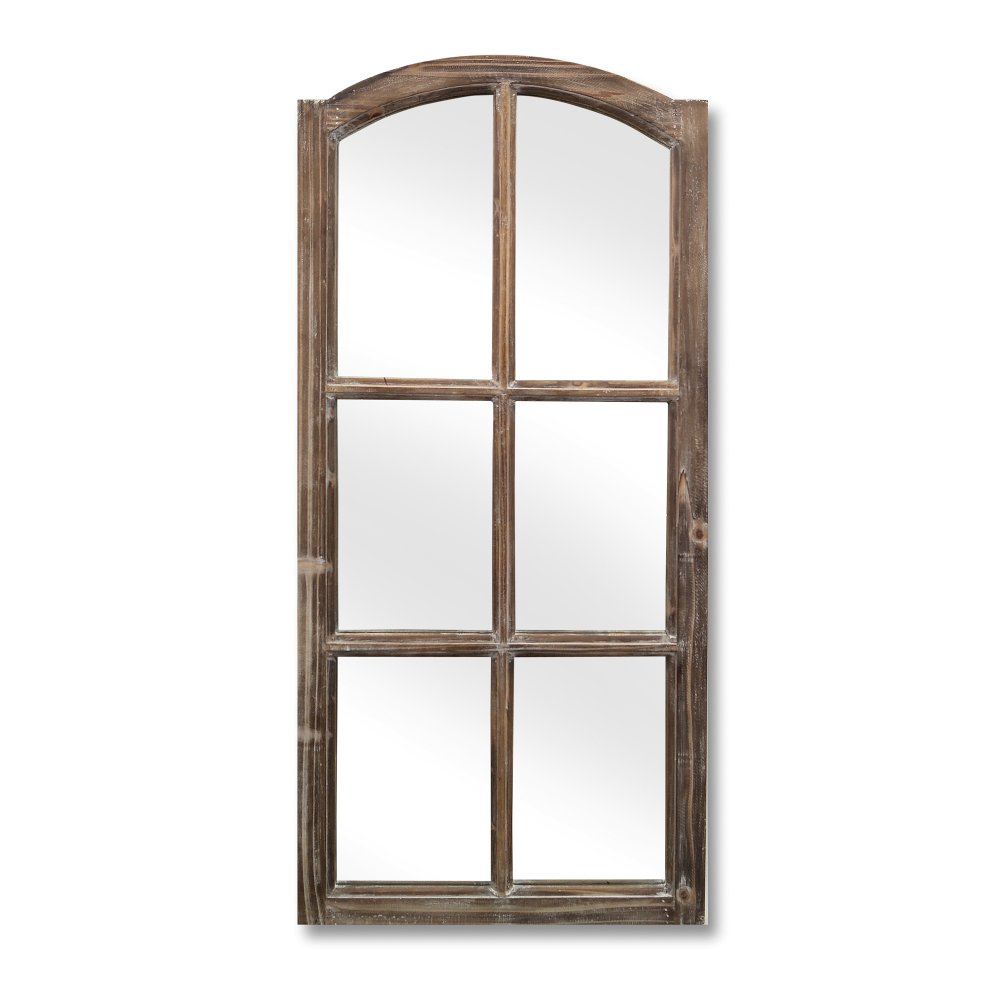
Frances Wall Mirror
Frances Wall Mirror
5 stars
$251 .00
Web Exclusive
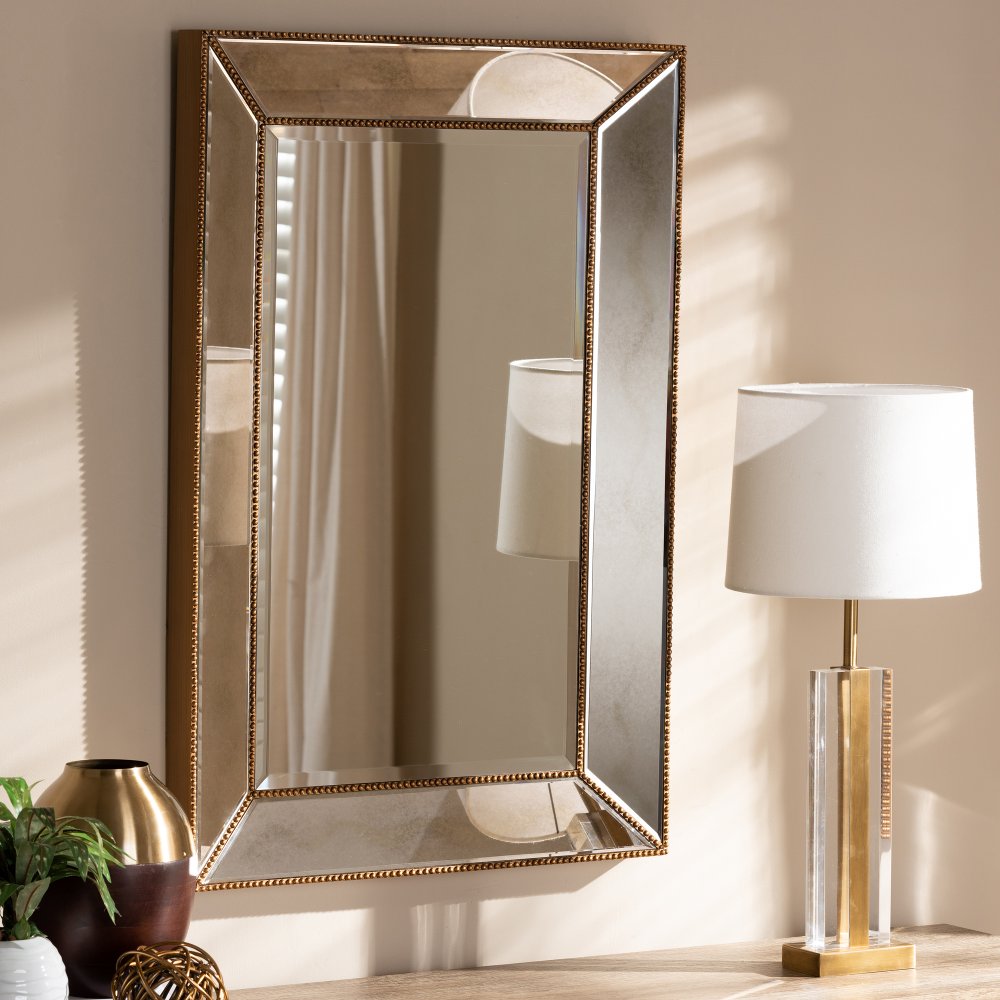
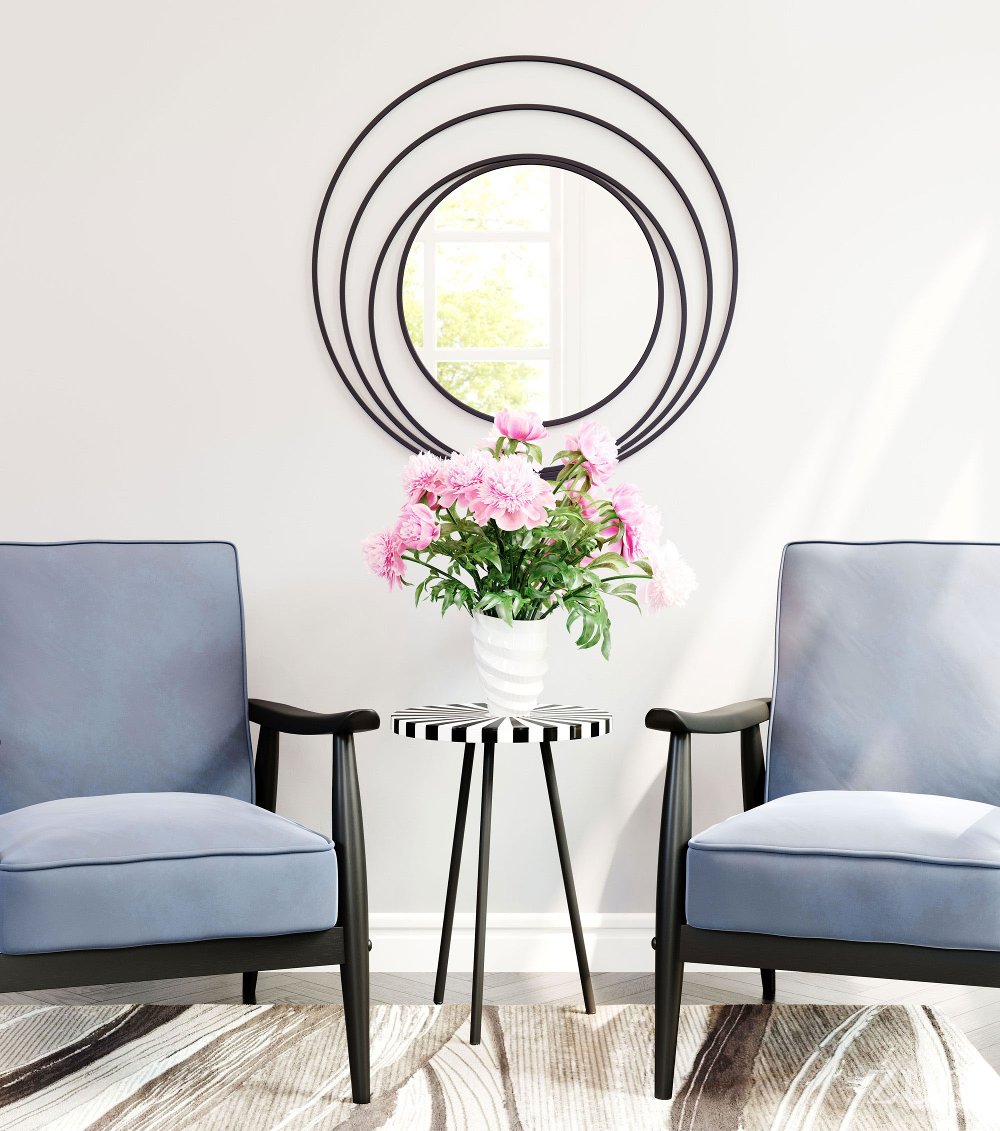
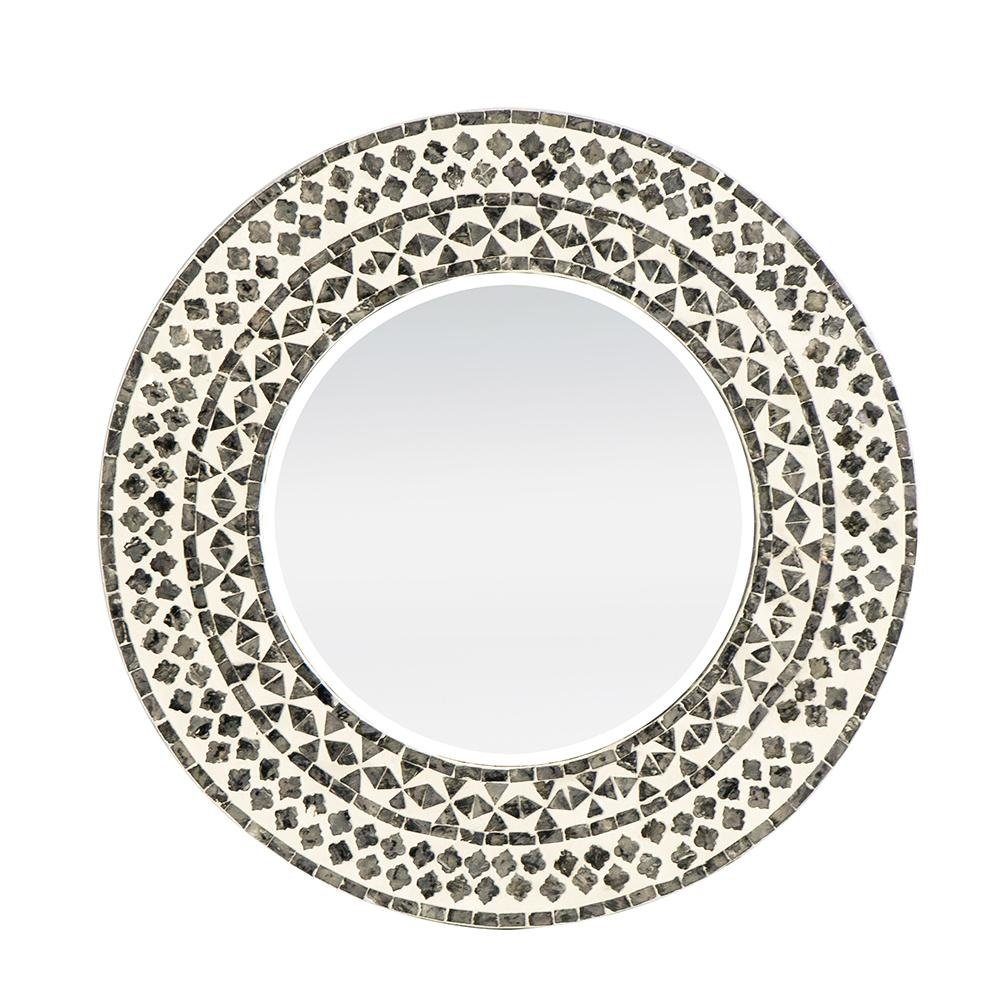
Krake Wall Mirror
Krake Wall Mirror
5 stars
$383 .00
Web Exclusive
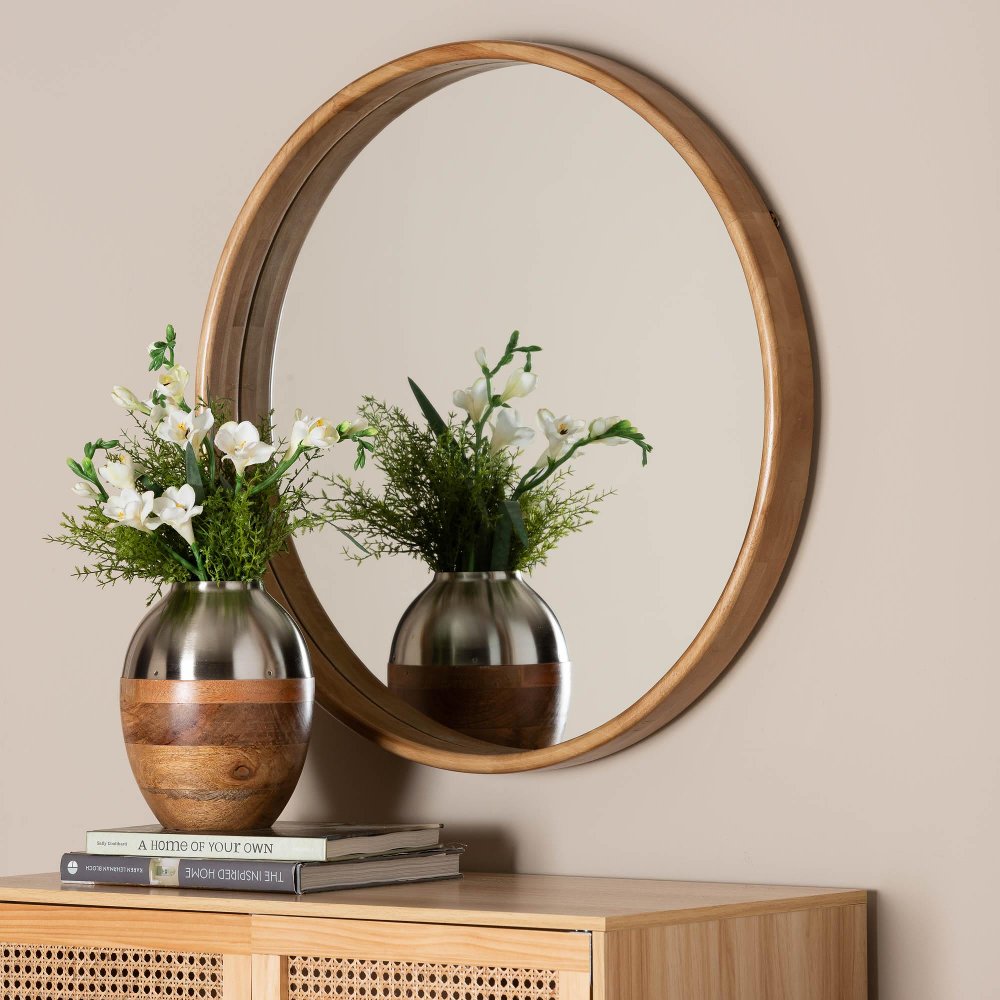
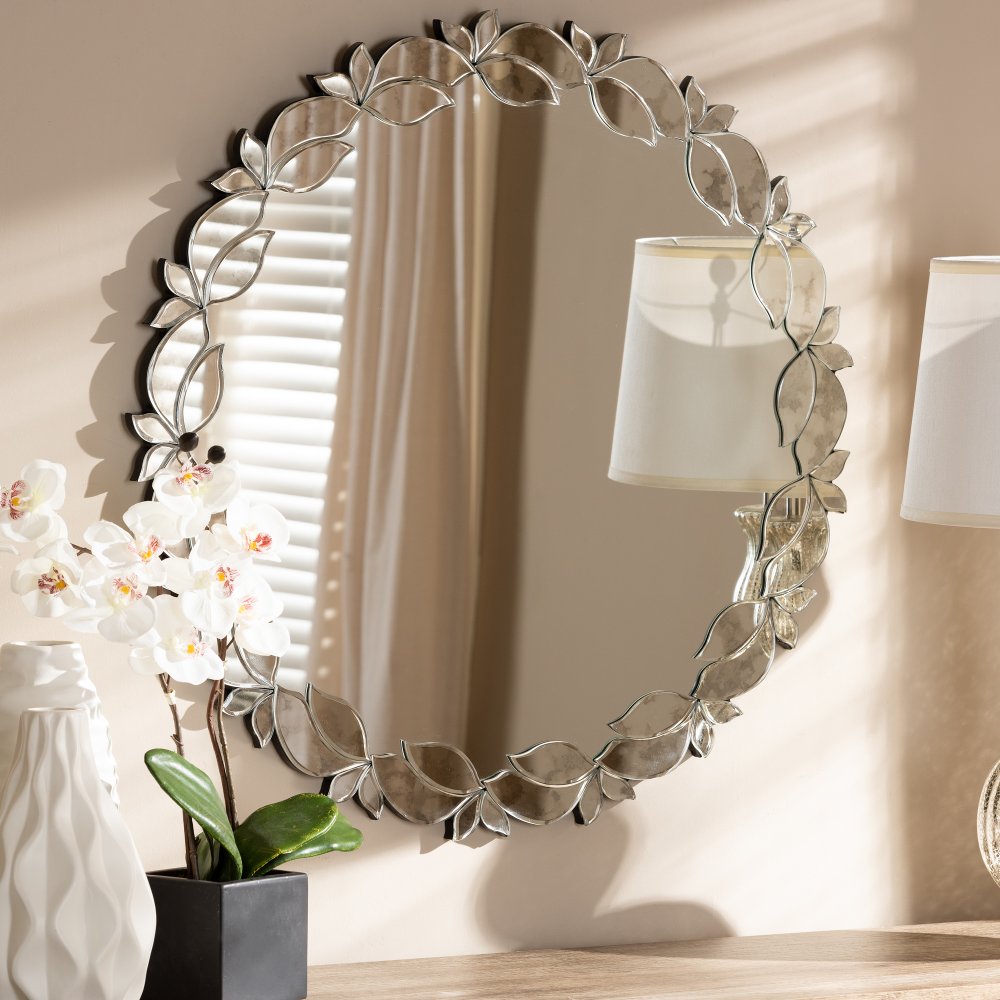
Aysun Large Accent Mirror
$149 .99

Decorative Wall Mirrors

Decorative wall mirrors combine a reflective glass surface with a frame or finished edge that adds character to a room. They serve as wall accents, provide a place to check your appearance, and reflect light and surrounding furnishings. Shapes range from familiar rectangles, squares, and circles to arches, sunbursts, and irregular silhouettes. Frame materials commonly include wood, metal, resin, and woven natural fibers, while frameless designs may feature beveled or polished edges. Each detail changes the effect: a slender black metal frame creates a crisp outline, warm wood adds texture, and carved or molded detailing gives a mirror a more traditional presence. A beveled edge catches light without requiring a substantial frame. For a relaxed room with linen upholstery and wood furniture, a woven or lightly finished wood frame can feel right at home. In a space with clean-lined furniture, a simple metal frame keeps the wall from feeling busy. Finishes matter as much as materials. A muted brass tone feels different from bright polished gold, just as weathered wood has a different character than a smooth painted surface. Clear mirror glass offers a practical reflection for everyday use; intentionally antiqued glass has a mottled appearance that emphasizes decoration and may make details harder to see. Consider what the mirror will reflect, too. A view of artwork, a favorite lamp, or an uncluttered stretch of the room can become part of its visual appeal. A mirror opposite a window can reflect daylight, but the effect depends on the window’s position and the room’s layout. It won’t create light on its own or physically enlarge a space, though a well-placed reflection can make a compact entry or living room feel more open. Whether you’re furnishing a first apartment, refreshing a guest room, or finishing a family living area, the strongest choice connects the mirror’s everyday purpose with the shapes, colors, and textures already around it.

Size and placement determine whether a decorative wall mirror feels settled in a room or seems disconnected from everything below it. Measure the available wall area, then check the mirror’s full outside dimensions, including its frame. A wide frame can occupy a generous stretch of wall while leaving a relatively small reflective surface, which matters if you’ll use the mirror to check an outfit or fix your hair. Above a console, dresser, or sofa, a mirror that’s narrower than the furniture often creates a balanced arrangement, with enough space around it to show off the frame. Painter’s tape can help outline the dimensions before you commit to a hanging position. In an entryway, consider the heights of the people who’ll use it and leave room for a lamp, a key tray, or a vase without blocking the reflection. Over a mantel, account for the fireplace manufacturer’s clearance requirements and the heat exposure the mirror’s materials can tolerate. A round mirror can soften the straight edges of a cabinet or paneled wall, while an arched silhouette adds height above low furniture. For a more structured arrangement, decorative square wall mirrors bring equal proportions that work well alone or in a carefully spaced grouping. Repeating a shape can create rhythm along a wall, but each mirror still needs enough breathing room to read clearly. In a narrow hallway, frame depth matters because a substantial frame may project into the walking path. Check the mirror’s weight and hanging instructions before choosing a location; frame material alone doesn’t tell you how heavy the complete piece will be. Use fasteners suited to both the wall construction and the mirror’s weight, and follow the specified mounting method and hanging points. A heavy mirror may require attachment to studs or another approved support system. If the wall material or hardware requirements are unclear, a qualified installer can help you mount it securely. For bathrooms and other damp areas, choose a mirror whose manufacturer identifies it as suitable for that environment rather than assuming every decorative frame can handle moisture.

Durability comes from the complete construction, not just the look of the frame. Secure frame joints, properly supported glass, an intact backing, and firmly attached hanging hardware all contribute to a mirror that holds up to everyday use. Wood frames can respond to changes in humidity, metal finishes can scratch or corrode under unsuitable conditions, and woven materials may collect dust in their texture. Resin can support intricate decorative shapes, but its weight and resistance to damage vary by construction. Natural grain, knots, and slight color differences may be part of a wood frame’s character rather than signs of wear. Match those characteristics to your household: a deeply carved frame may need more detailed dusting than a smooth one, and a projecting design deserves extra consideration near busy doorways or children’s play areas. Regular care is straightforward when you follow the manufacturer’s directions. Dust the frame with a soft cloth, using a gentle brush only if the finish permits it. For the glass, use a clean, lint-free cloth and an approved cleaner, applying the cleaner to the cloth rather than spraying the mirror directly. That helps keep liquid from collecting along the edges, reaching the backing, or damaging the frame’s finish. Avoid abrasive pads and cleaners that aren’t recommended for the materials. When moving a mirror, protect the corners and glass, support it as directed, and arrange help for a large or heavy piece. A decorative wall mirror can also make a thoughtful housewarming or wedding gift when the recipient’s style, wall space, and mounting needs are known. A restrained frame may be easier to coordinate than an elaborate design, but personal taste should lead the decision. The most satisfying mirror is one that belongs in the room, reflects something worth seeing, and makes a daily routine a little easier.
Read More

Frequently Asked Questions

Filter By