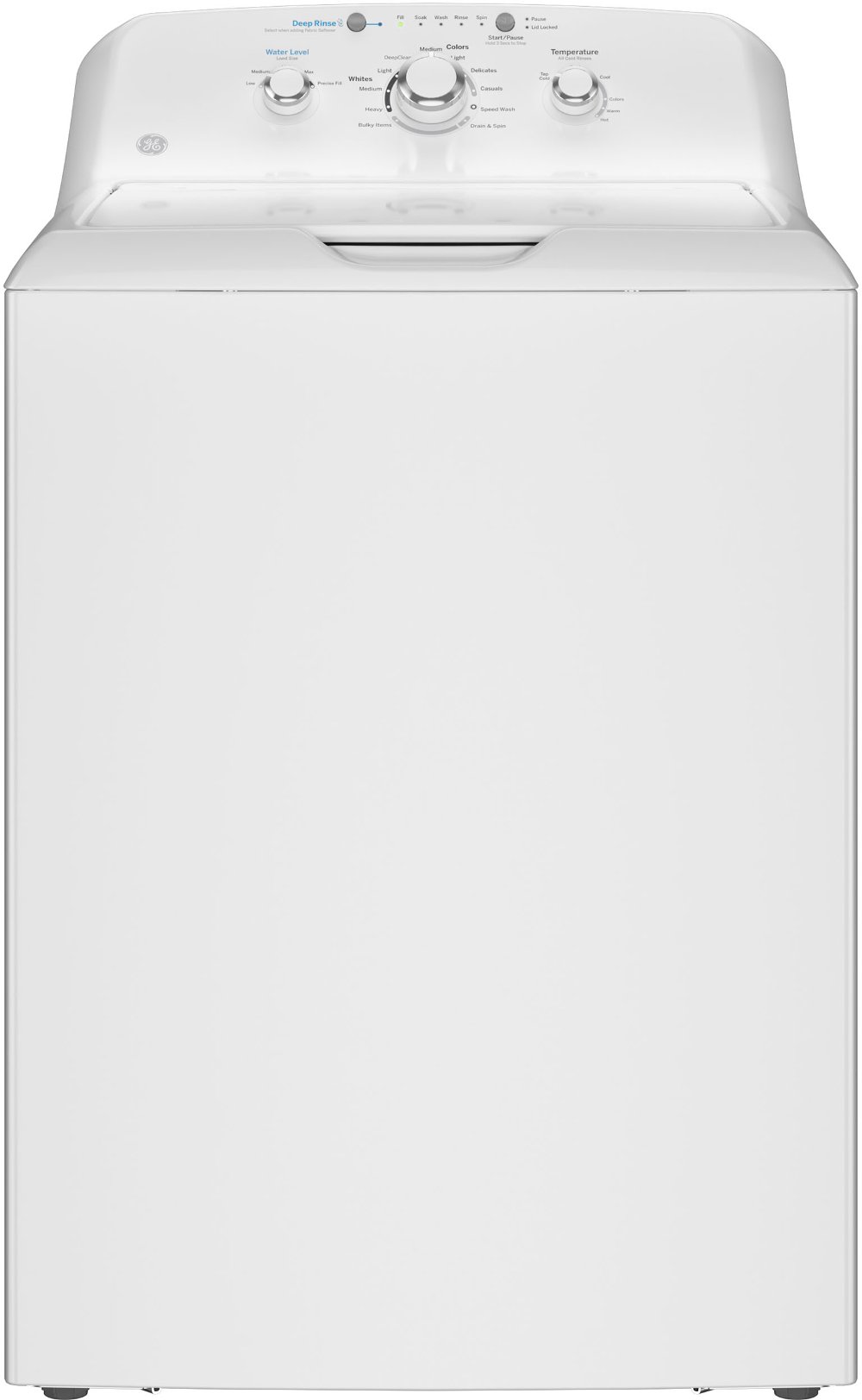
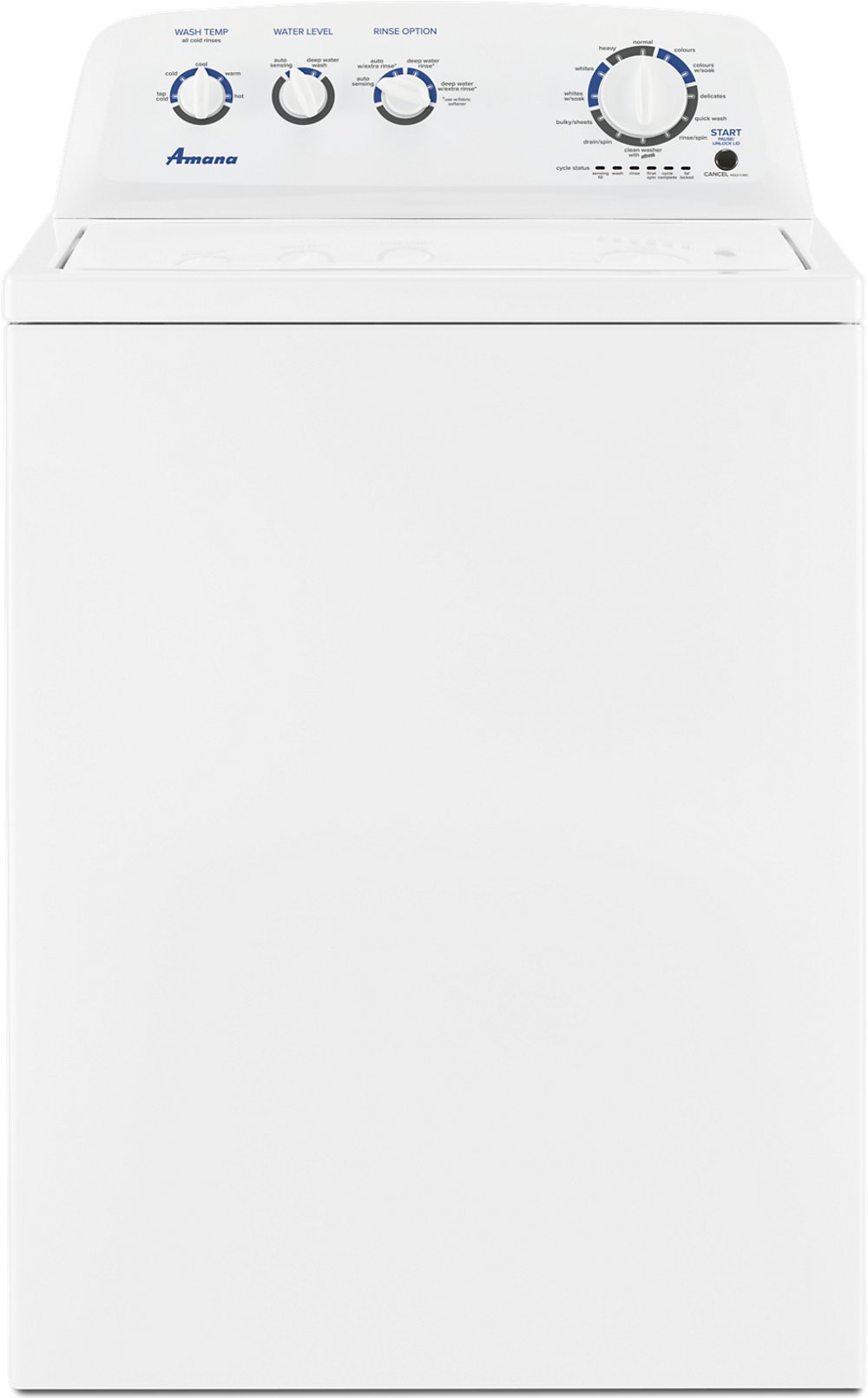
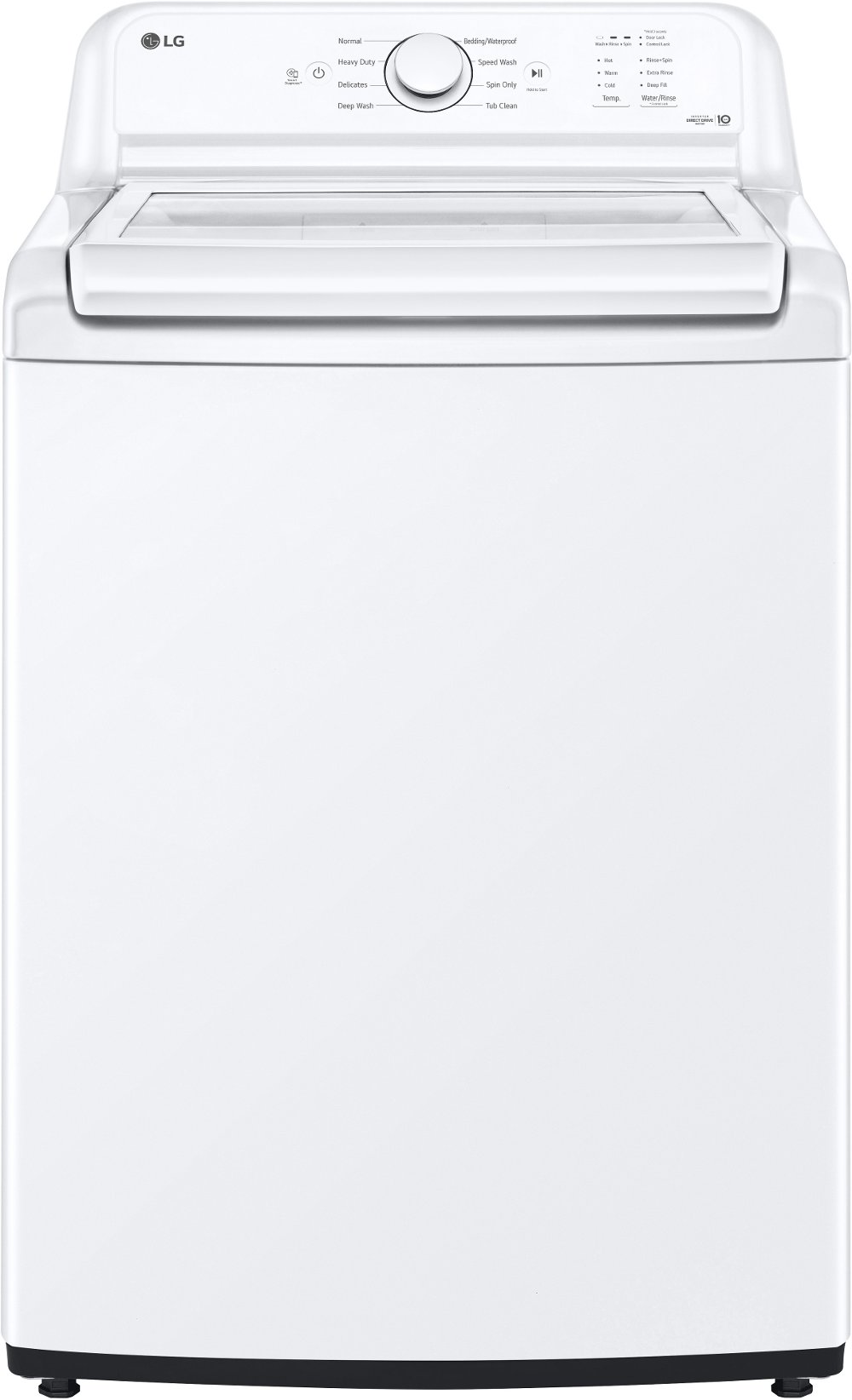
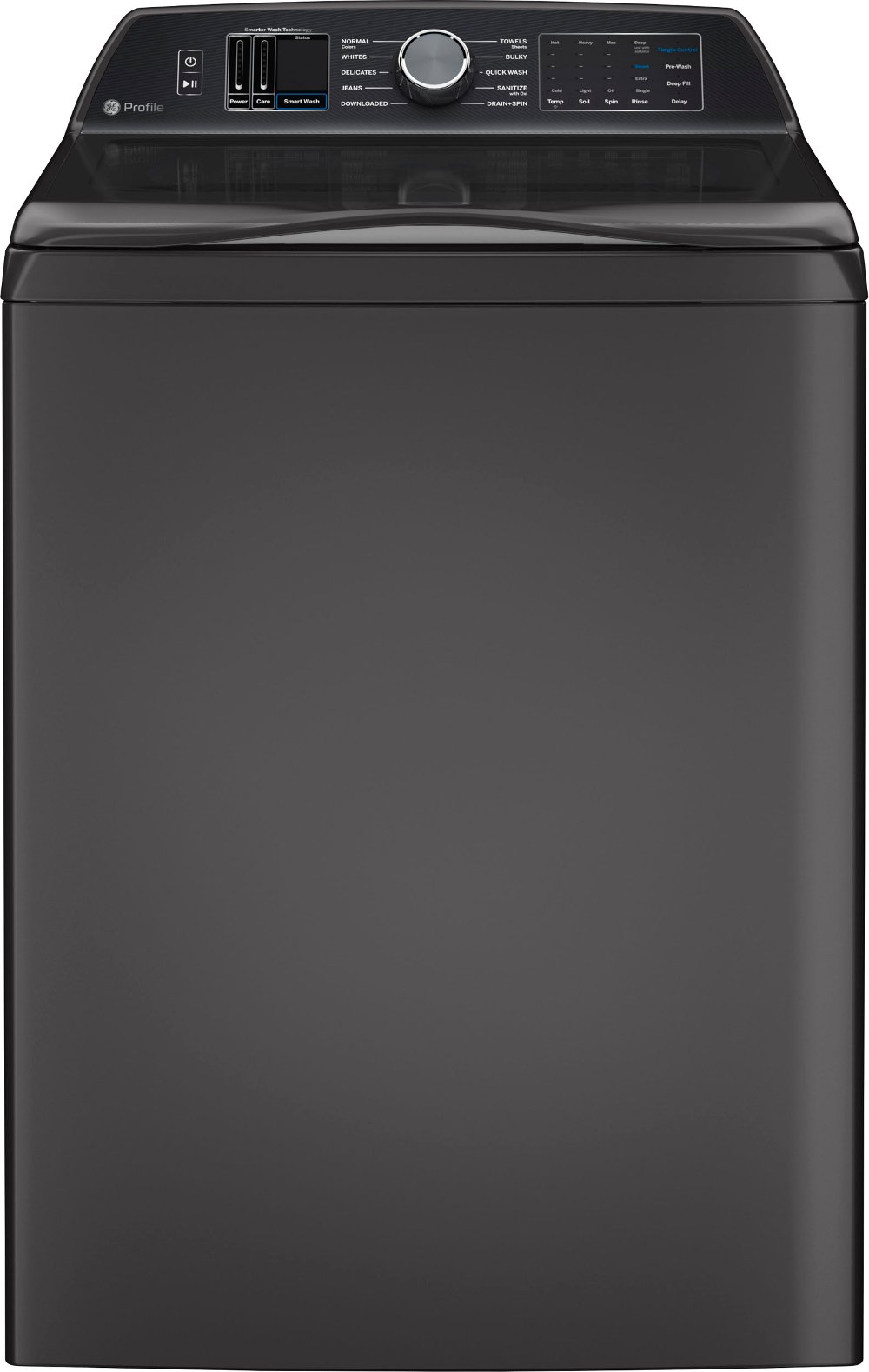
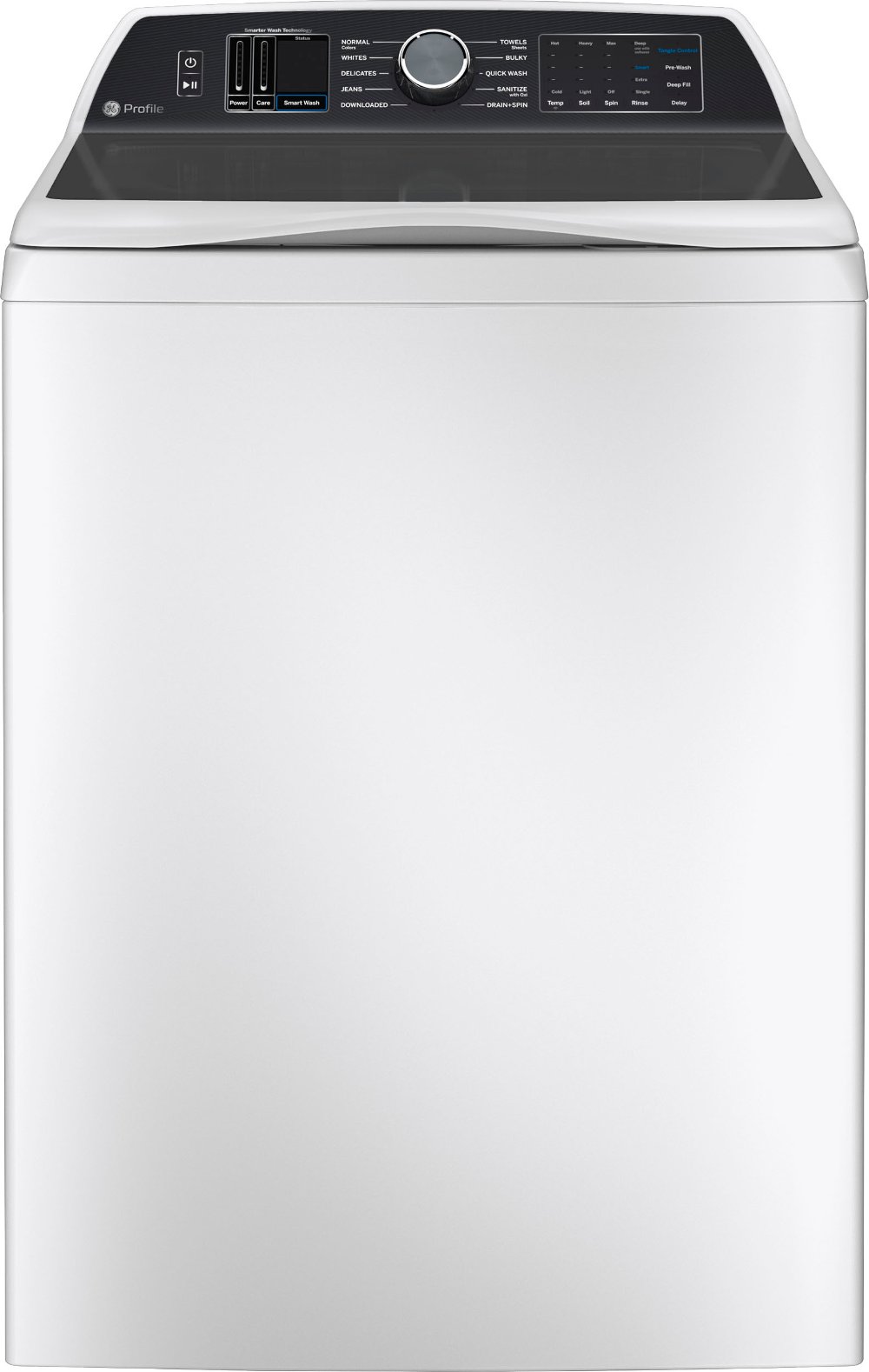
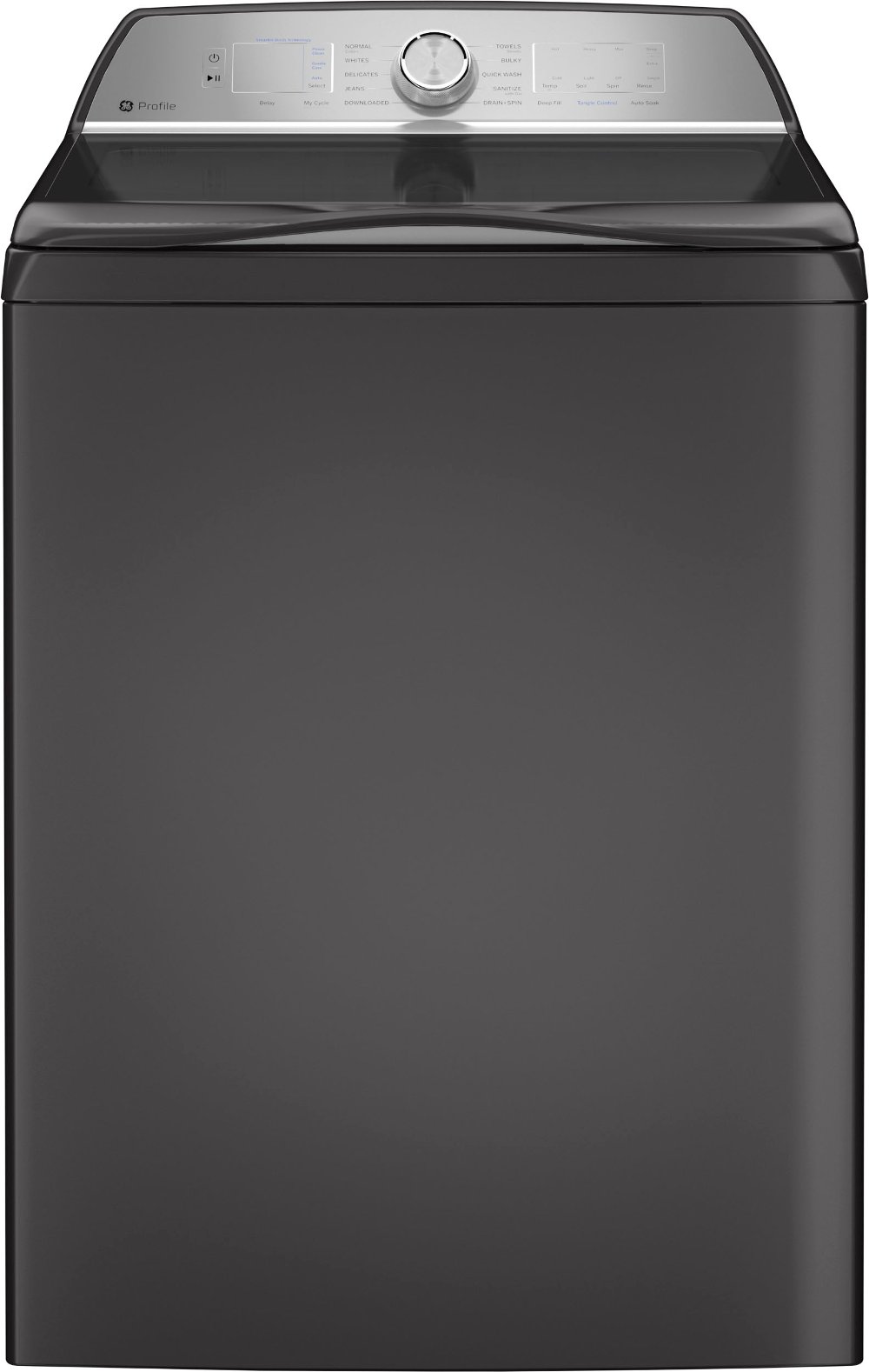
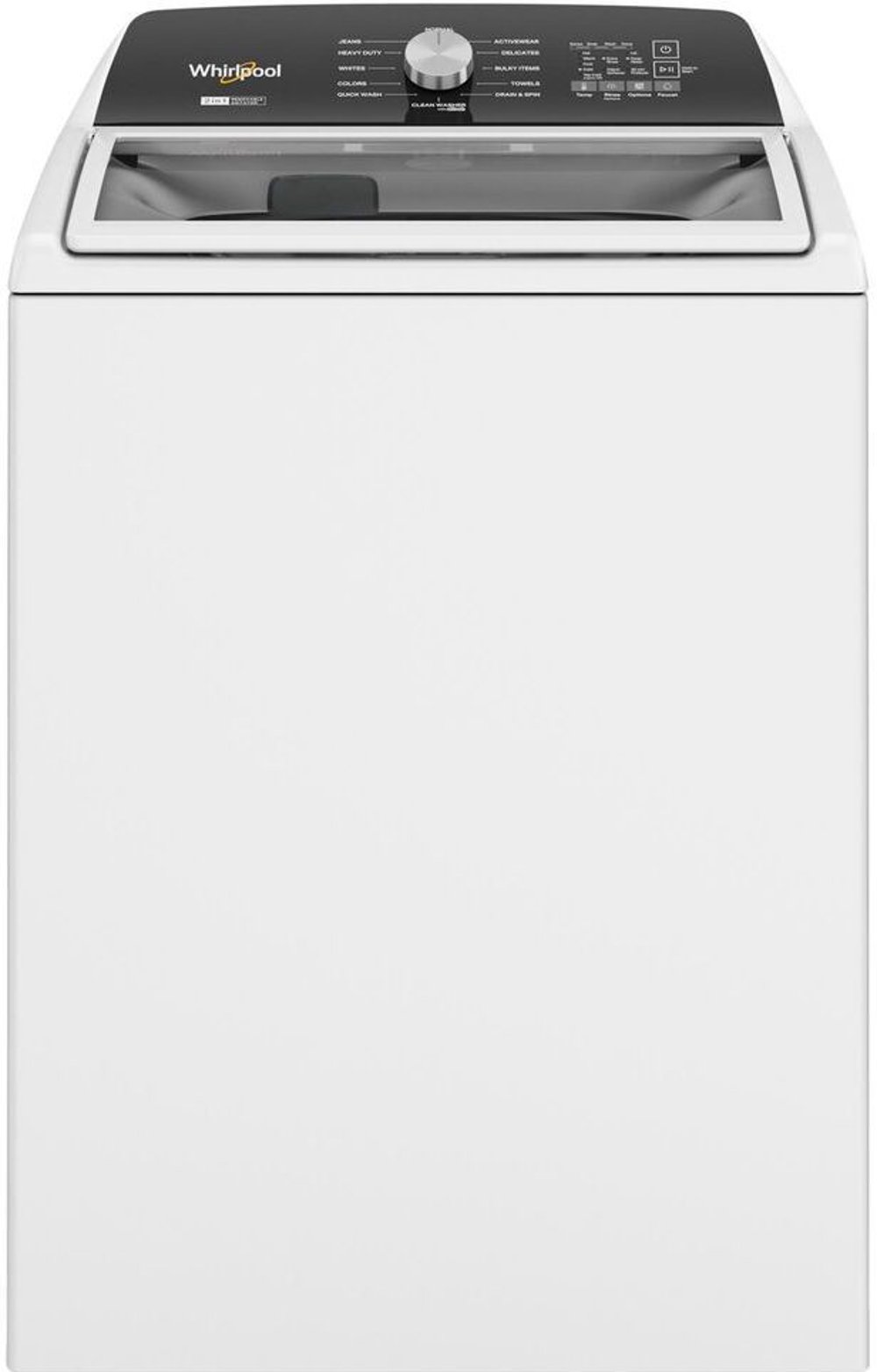
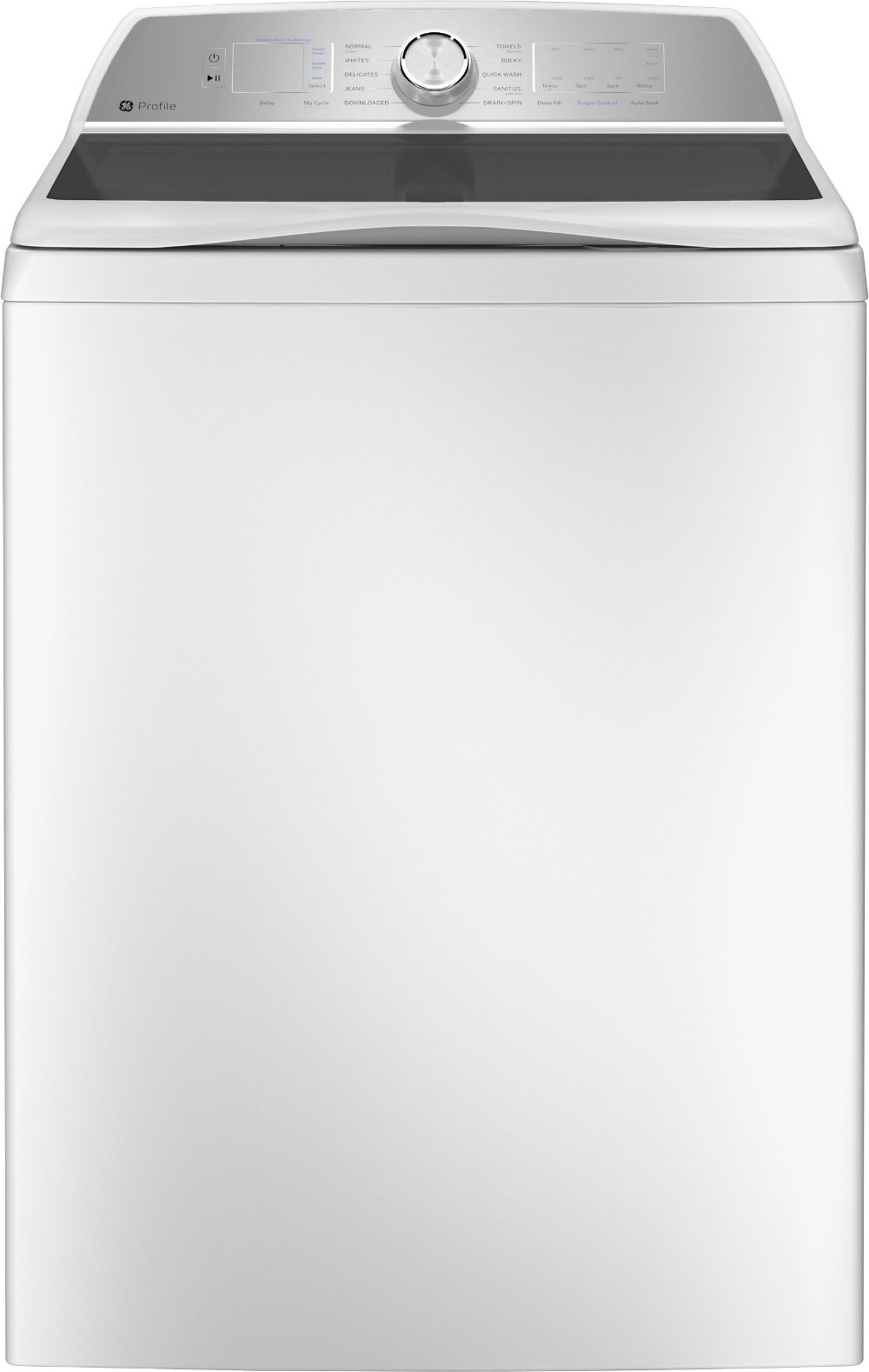
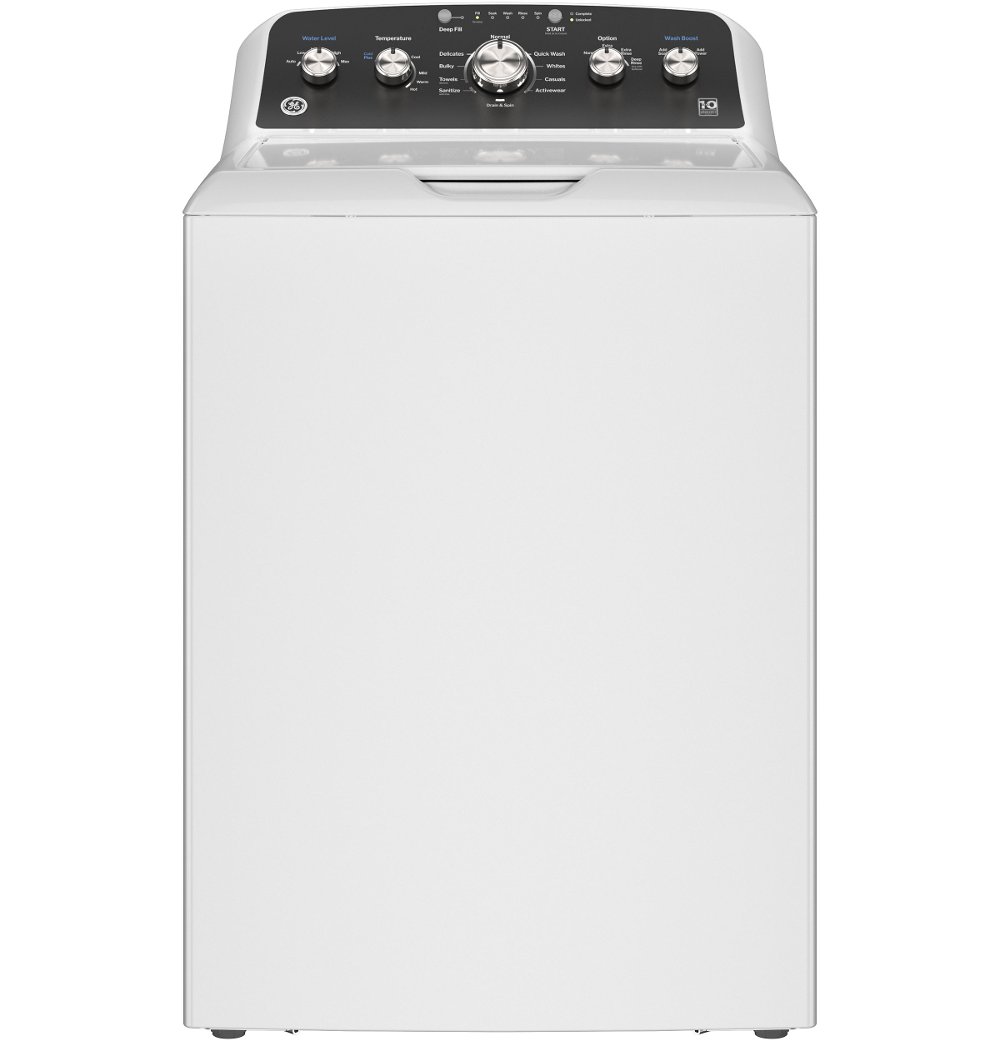
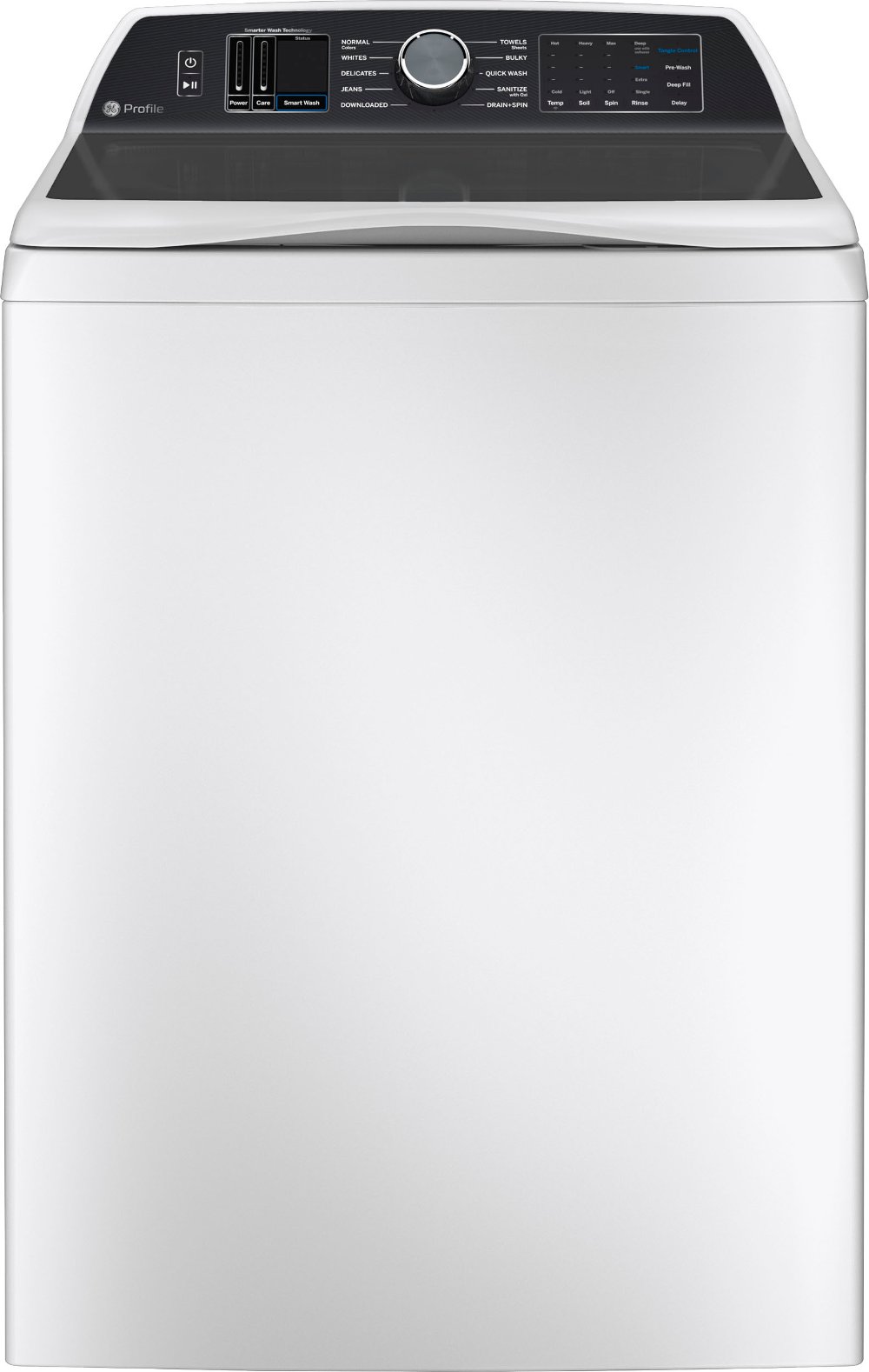
Deep fill washers are washing machines, most often top-load models, with a setting that lets you add water beyond the level selected by automatic load sensing. That extra control can be helpful when your laundry includes bulky towels, heavily soiled work clothes, or other washable items that benefit from a higher water level on an appropriate cycle. Rather than replacing automatic sensing altogether, a deep fill option typically works alongside it, giving you a choice for certain loads while leaving everyday laundry to the washer’s standard settings. The amount of added water varies by machine: some washers offer incremental increases, others provide selectable fill levels, and some allow a maximum fill on designated cycles. Deep fill doesn’t necessarily mean the tub fills to the top or that every item stays completely submerged throughout the wash. Cycle compatibility also varies, so the feature name alone won’t tell you exactly how much control you’ll have. Some machines limit extra water on the normal cycle but permit it on selected bulky, heavy-duty, or other specialty cycles. The controls and owner’s manual identify those combinations; a press-and-hold shortcut on one machine may do something entirely different on another. For households accustomed to an older top-load washer, this flexibility can make a newer machine feel more familiar without requiring a high water level for every basket. Still, more water isn’t automatically better cleaning. Effective washing depends on the right balance of water, detergent, fabric movement, cycle length, and load size. Extra water can dilute detergent or change the washing action, particularly when used for a small load that doesn’t need it. A deep fill washing machine is best understood as a washer with an additional tool for specific laundry needs, not a promise that every load will come out cleaner simply because the water rises higher. Its value comes from matching that flexibility to the clothes, linens, and routines in your home.
The differences among deep fill top-load washers extend well beyond the water setting. An agitator washer has a central post that moves clothing through the wash water, while an impeller washer uses a lower-profile disc or cone to create movement within the load. Both designs can offer deep fill, and neither design makes loading or fabric care less important. A tall agitator takes up space in the center of the basket; an impeller leaves that area more open, which may make arranging some bulky items easier. Usable room depends on basket dimensions as well as advertised cubic-foot capacity. A comforter needs enough space to move, not just enough space to squeeze under the lid, and its care label may call for equipment larger than a household washer. For a family washing school clothes, bath towels, and sheets throughout the week, capacity should reflect the loads that actually pile up rather than an occasional oversized item. Smaller households may place more value on adjustable settings and manageable basket depth than on the largest tub. Materials matter, too. Stainless steel wash baskets are common and resist corrosion, while coated baskets need an intact surface to help protect against rust and fabric snags. Smooth basket surfaces, sturdy hinges, and clearly marked controls are useful details to consider alongside capacity. Durability also depends on proper installation, balanced loads, and routine care; basket material alone doesn’t establish how long a washer will last. Other features can make the deep fill option more useful for your routine. A dedicated soak setting provides time for suitable fabrics to sit in water and detergent, while an extra rinse adds a separate rinse step. These aren’t interchangeable functions: deep fill changes the wash water level, soaking changes contact time, and extra rinsing helps carry away loosened soil and detergent. Adjustable soil levels, spin speeds, and fabric-specific cycles offer further flexibility for everything from cotton sheets to washable workwear, provided each setting agrees with the item’s care instructions.
A washer also has to fit comfortably into the space where laundry happens. Cabinet width and depth are only part of that fit; water hoses, a drain connection, and the installation clearances specified by the manufacturer need room behind and around the machine. A top-load lid needs space to open beneath shelves or cabinets, and a deep basket can be difficult to reach even when the washer’s exterior dimensions seem right. Imagine retrieving a single sock from the bottom or lifting a damp blanket over the rim. Reach, lid clearance, and a clear path to the dryer can matter as much as an extra cycle on the control panel. A level floor and correct leveling help support stable operation, although no washer can compensate for every unevenly distributed load. Once the machine is in place, good care starts with following its loading directions and using the specified detergent type. Many deep fill washers still require high-efficiency detergent, and adding water doesn’t automatically call for a larger dose. Detergent concentration, load size, soil level, water hardness, and the manufacturer’s instructions should guide the amount. Too much detergent can leave residue and make rinsing harder. Shaking loose dirt from work pants before washing, pretreating suitable stains, and spreading items evenly around the basket often contribute more than choosing the highest water setting alone. Regular basket-cleaning cycles, clean dispensers, and periodic hose inspections help keep the laundry area ready for the next load. For households that frequently separate a few delicate garments or small loads from the main wash, Sidekick Washers offer a different supplemental format to consider, with compatibility and installation requirements that deserve their own check. A deep fill washer serves a different priority: handling the main household wash with the option of additional water when the machine, cycle, and fabric allow it. The strongest match combines useful capacity, comfortable access, clear controls, and water-level choices that suit your actual laundry—not simply the longest list of features.
Read More