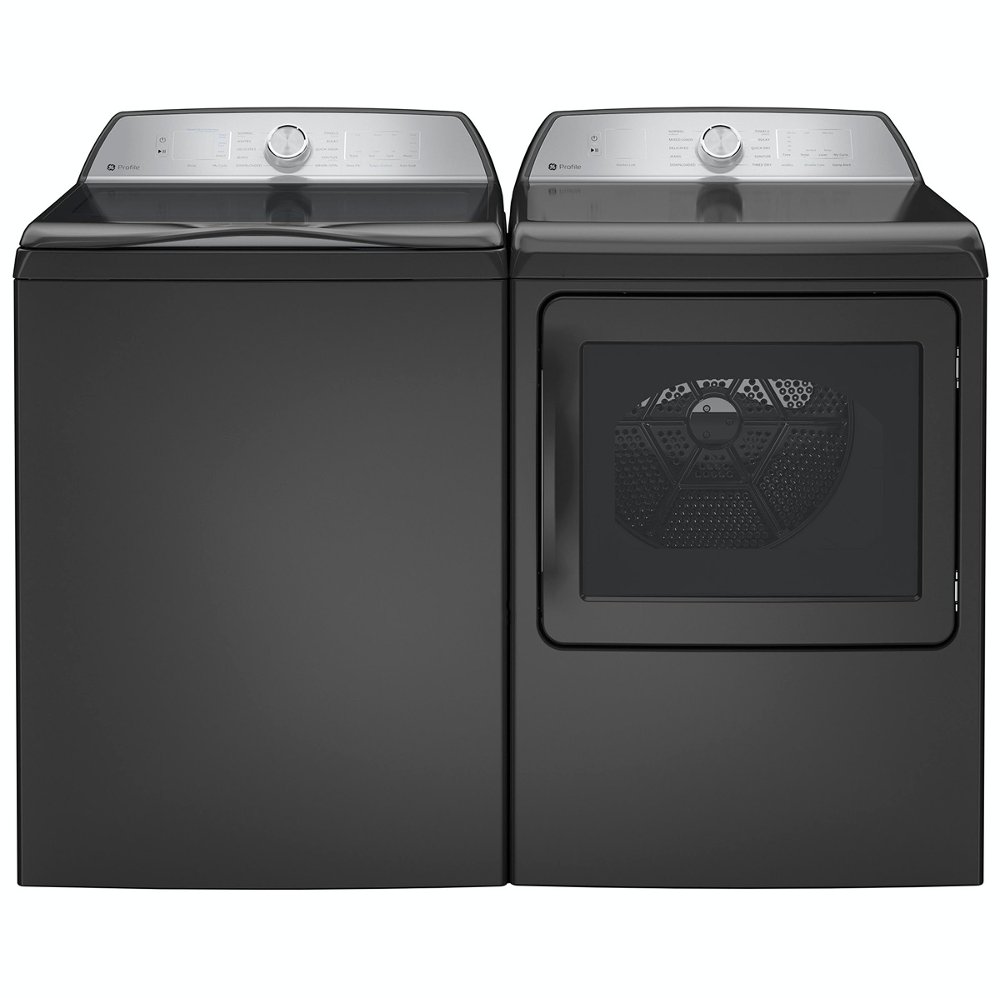
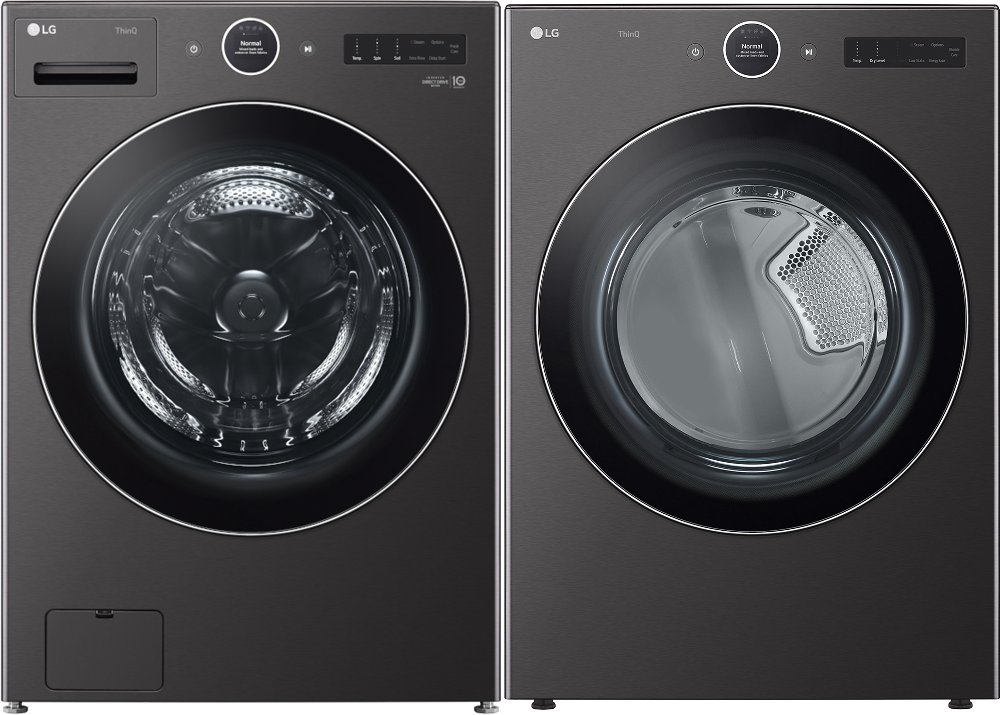
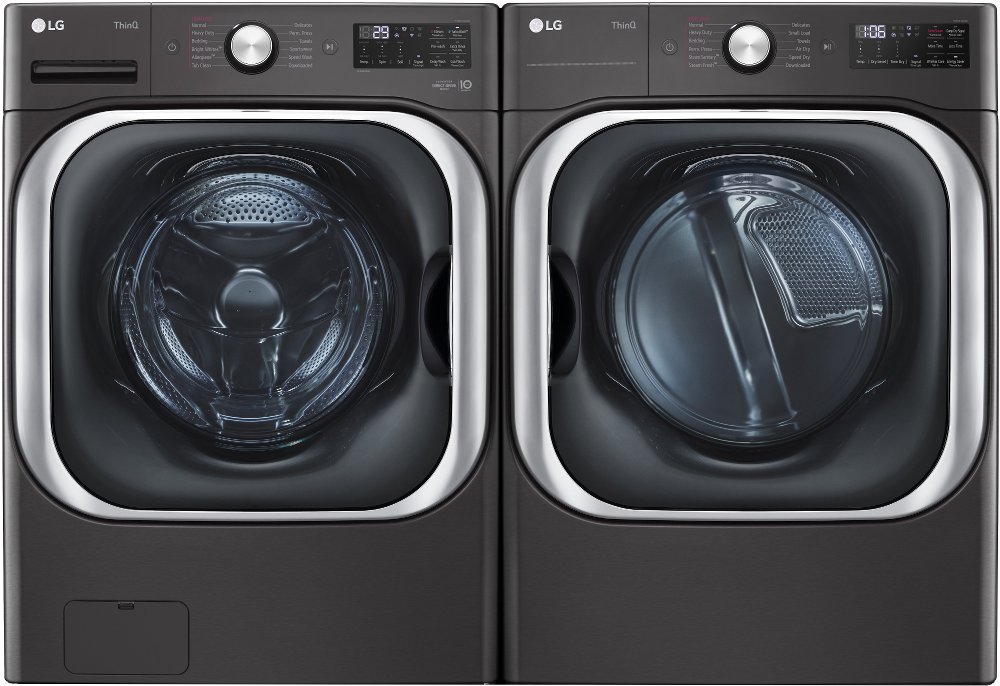
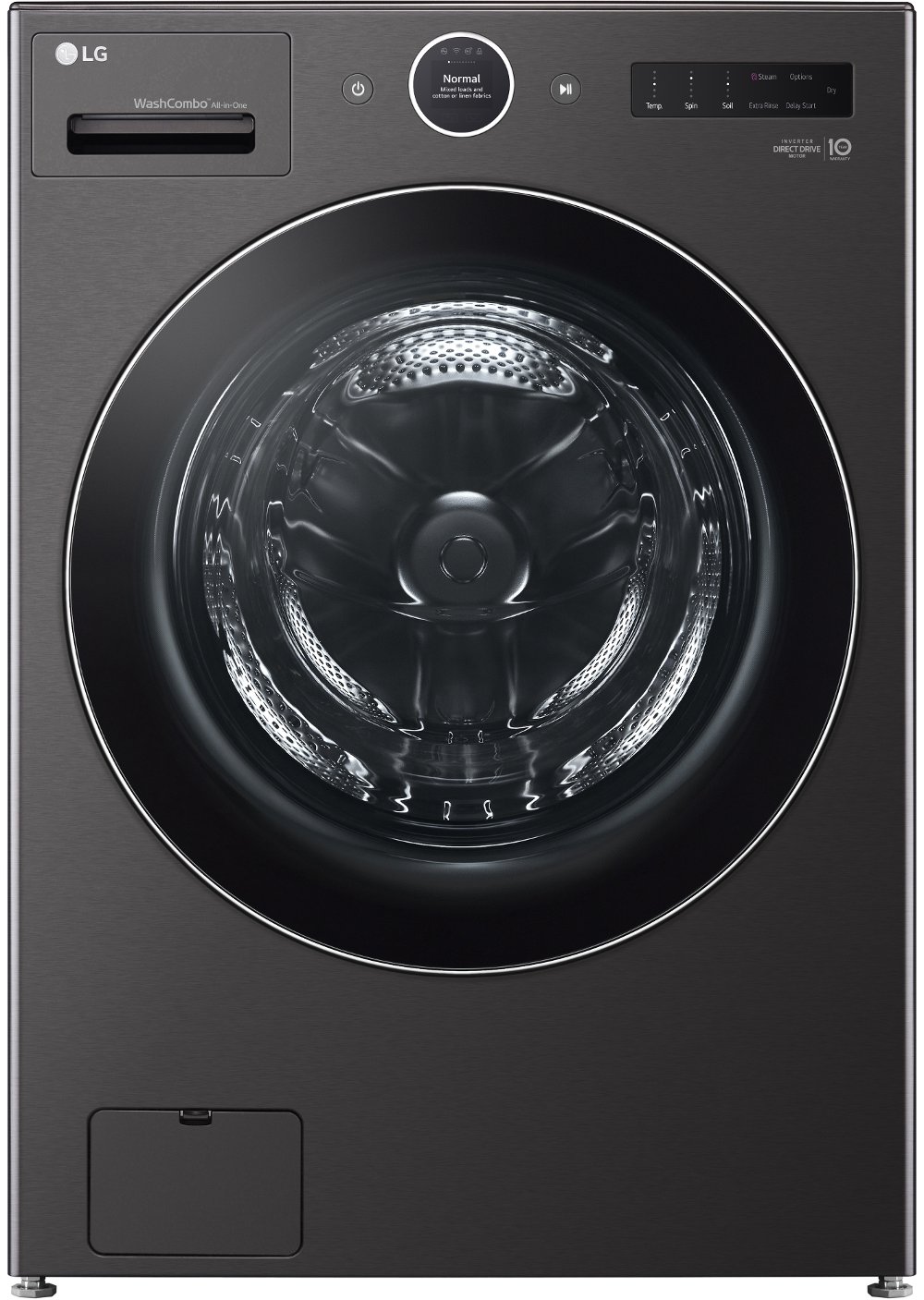
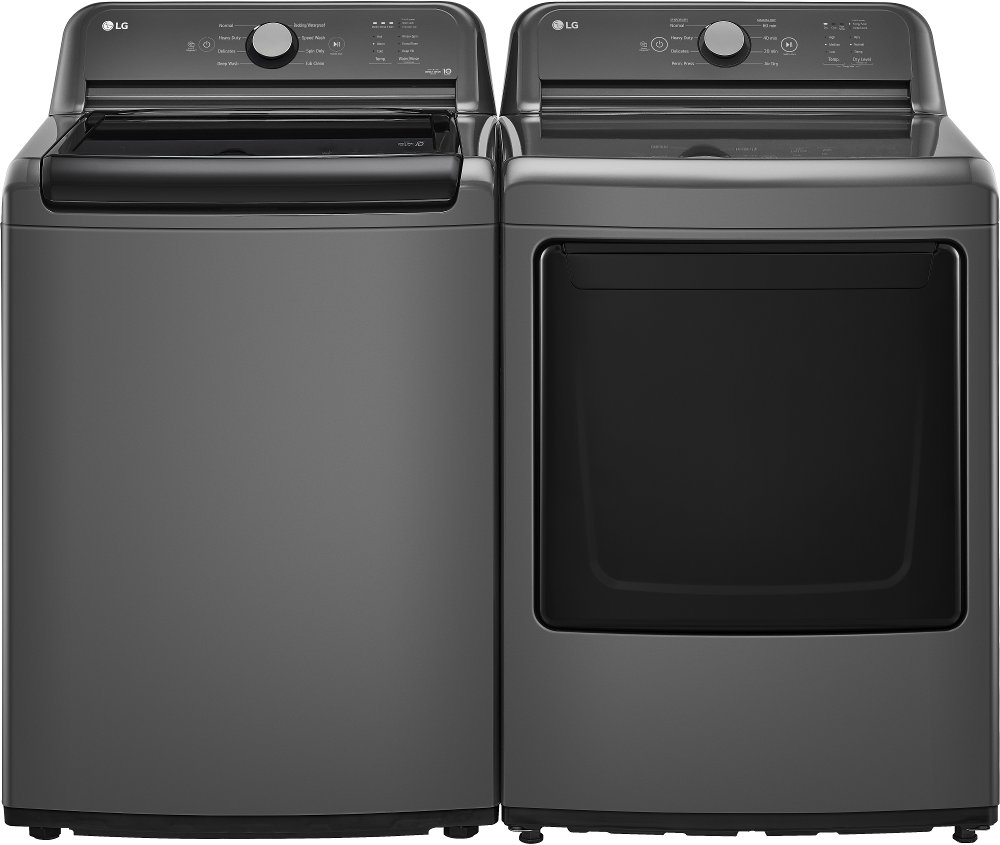
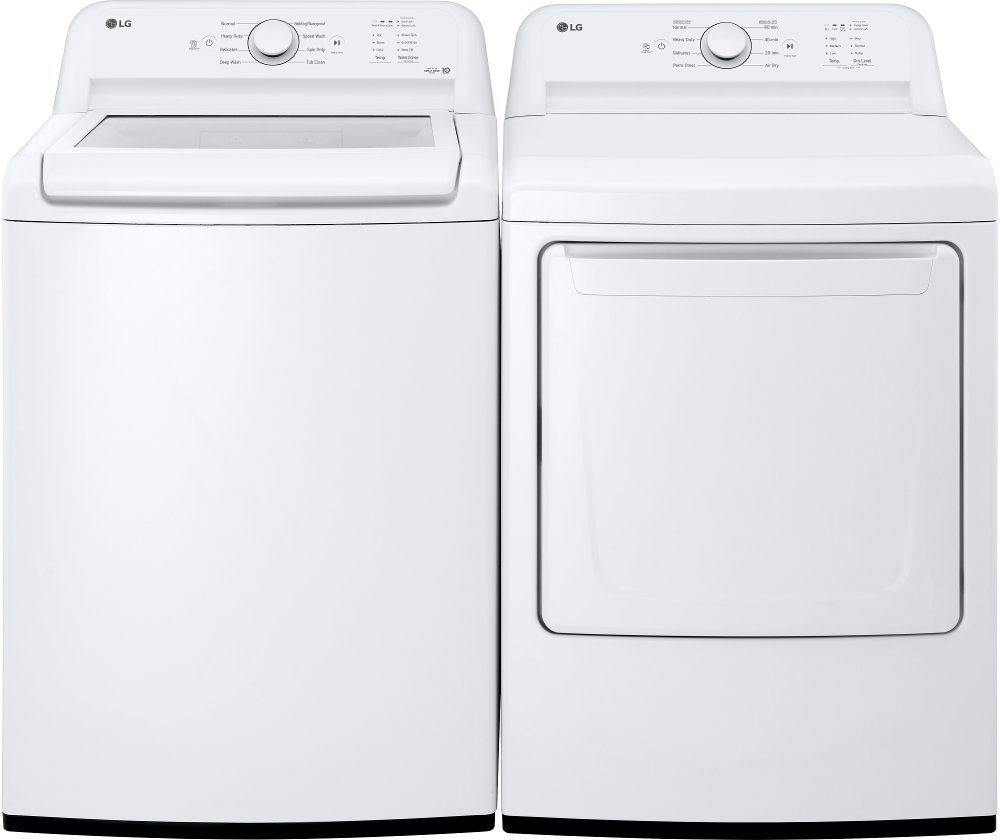
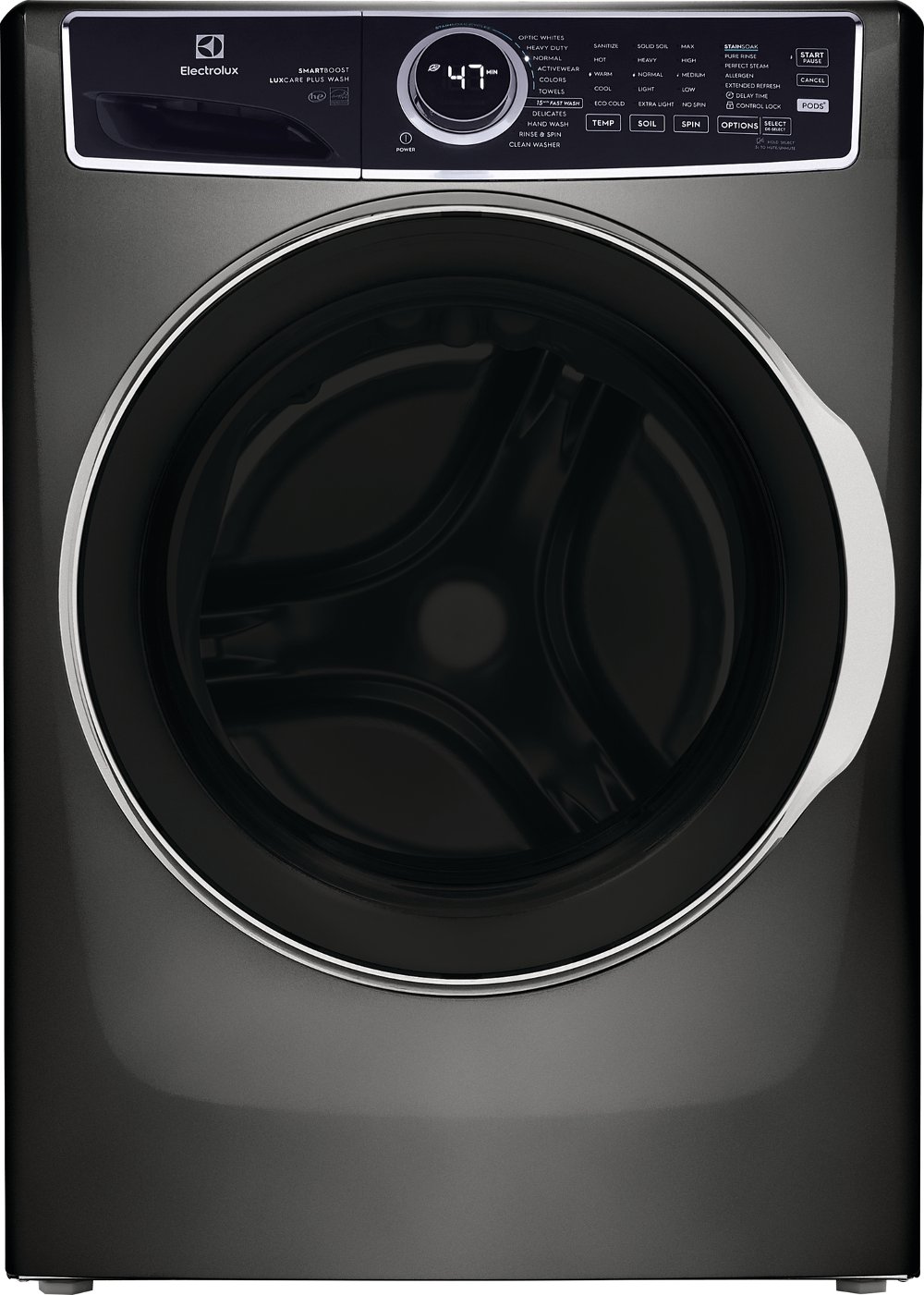
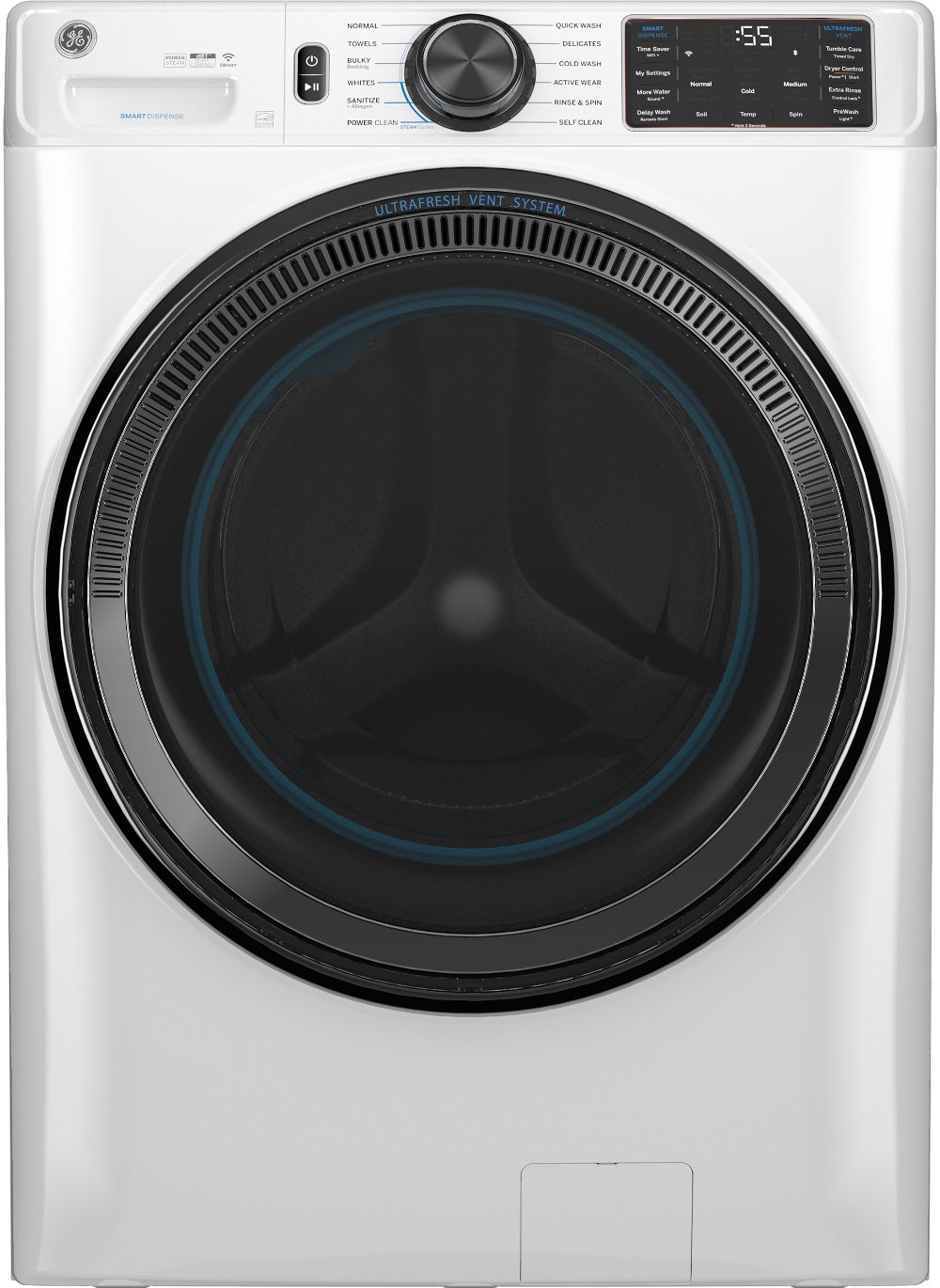
For home laundry, the term gas washers generally refers to washing machines paired with gas dryers, rather than washing machines powered by gas. The washer runs on electricity and uses water and detergent to clean clothes; the companion dryer uses natural gas or, with an approved conversion where permitted, propane to produce heat. That’s different from a gas-powered pressure washer, which uses a gasoline engine to drive a high-pressure water pump for outdoor cleaning. In a laundry setup, the choice between gas and electric applies to the dryer’s heat source, not the washer’s washing action. A washer and gas dryer pair can serve households managing everything from everyday shirts and bath towels to children’s clothing, workout gear, and washable bedding. The best match depends on the laundry you actually do. A larger drum can accommodate bigger loads, but usable capacity also depends on the fabric, the cycle, and the manufacturer’s loading recommendations. A comforter needs room to move through the wash, and the dryer needs enough space for it to tumble rather than stay folded into a damp bundle. Front-load washers generally tumble clothing through a shallow pool of water, while top-load washers may use an agitator or an impeller to move fabrics. Neither design is automatically right for every household. Front-load machines can support a stacked arrangement when the appliances are compatible, while top-load machines provide access from above and require clearance for the lid. Features such as adjustable spin speeds, extra rinses, and dedicated bedding cycles can help accommodate different routines when offered. A higher spin speed can remove more water before drying, although delicate fabrics may call for gentler settings. For a family sorting school clothes from muddy playwear, or a smaller household washing a few carefully selected loads each week, useful controls and comfortable access often matter more than a long menu of specialty cycles. Fabric care labels remain the starting point for choosing wash temperature, cycle intensity, and dryer heat.
A washer paired with a gas dryer needs the right space and connections to work as intended. The washer typically requires a grounded 120-volt electrical outlet, hot and cold water connections, and an appropriate drain. A conventional gas dryer needs a suitable gas supply with an accessible shutoff valve, a grounded 120-volt electrical outlet to power its motor and controls, and an exhaust duct that vents outdoors. Natural gas and propane aren’t interchangeable without the correct equipment and any manufacturer-approved conversion, so a qualified professional should handle gas connections and conversion work. The installation instructions and local requirements determine the details for each setup. Physical fit deserves just as much attention as the hookups. Published appliance dimensions don’t necessarily include the space needed behind the machines for hoses, venting, and connections, or the clearance needed to open doors fully. In a narrow laundry closet, a door that swings into a hallway can affect daily use even when the appliance itself fits. In a room with cabinets above the washer, a top-load lid needs room to open without striking a shelf. A stacked laundry pair can free up floor space, but only compatible appliances should be stacked with the specified kit, and the upper controls need to remain comfortably reachable. Pedestals, where supported, can raise front-load openings to reduce bending, though they also change the overall height. Side-by-side arrangements can make it easier to move a wet load directly into the dryer and keep a folding surface nearby. A level, stable floor and correctly adjusted feet help limit unnecessary movement during the spin cycle. Households with frequent laundry may appreciate easy-to-read controls, accessible lint filters, and doors that suit the room’s layout. These everyday details help turn a laundry area into a practical workspace, whether it’s a dedicated room, a shared utility area, or a compact closet near bedrooms. Dryer capacity should also complement the washer so a normal wash load has enough room to dry evenly.
Materials, construction, and routine care all contribute to how well laundry appliances hold up to repeated use. Stainless steel wash drums resist corrosion and provide a durable interior, while other drum materials have their own care requirements. Smooth interior surfaces help protect fabrics, but clothing still benefits from simple preparation: empty pockets, close zippers, and place small or delicate pieces in suitable laundry bags when their care instructions allow it. Detergent choice matters, too. A high-efficiency washer needs detergent labeled for high-efficiency use, measured according to the load, soil level, water conditions, and appliance instructions. Extra detergent doesn’t necessarily improve cleaning; it can leave residue on clothing and inside the machine. Routine cleaning of the washer drum, dispenser, and accessible door gasket helps manage buildup, while checking hoses and connections can reveal wear or leaks before they interrupt laundry day. The dryer needs its own care. Cleaning the lint filter before each load supports airflow, and the exhaust duct needs periodic inspection and cleaning according to the manufacturer’s guidance. Restricted venting can extend drying time and create a safety hazard, so the duct’s material, routing, and condition are important parts of the installation. Gas dryers use electricity as well as fuel, and drying speed and energy use depend on the appliance, load size, fabric, spin performance, and venting—not simply on having a gas heat source. Moisture-sensing cycles, when included, can adjust drying time based on how damp the load remains, helping reduce unnecessary tumbling. Lower heat may suit some synthetics and delicate fabrics, while sturdy towels may tolerate a different setting; the care label provides the clearest direction. A dependable laundry setup supports the small routines that keep a home comfortable, from clean sheets on the bed to a favorite shirt ready to wear. For cleaning beyond washable fabrics, Floor Washers offer a separate way to care for compatible flooring, with surface suitability and cleaning instructions guiding the choice. Matching each appliance to its intended task helps make household care more manageable.
Read More