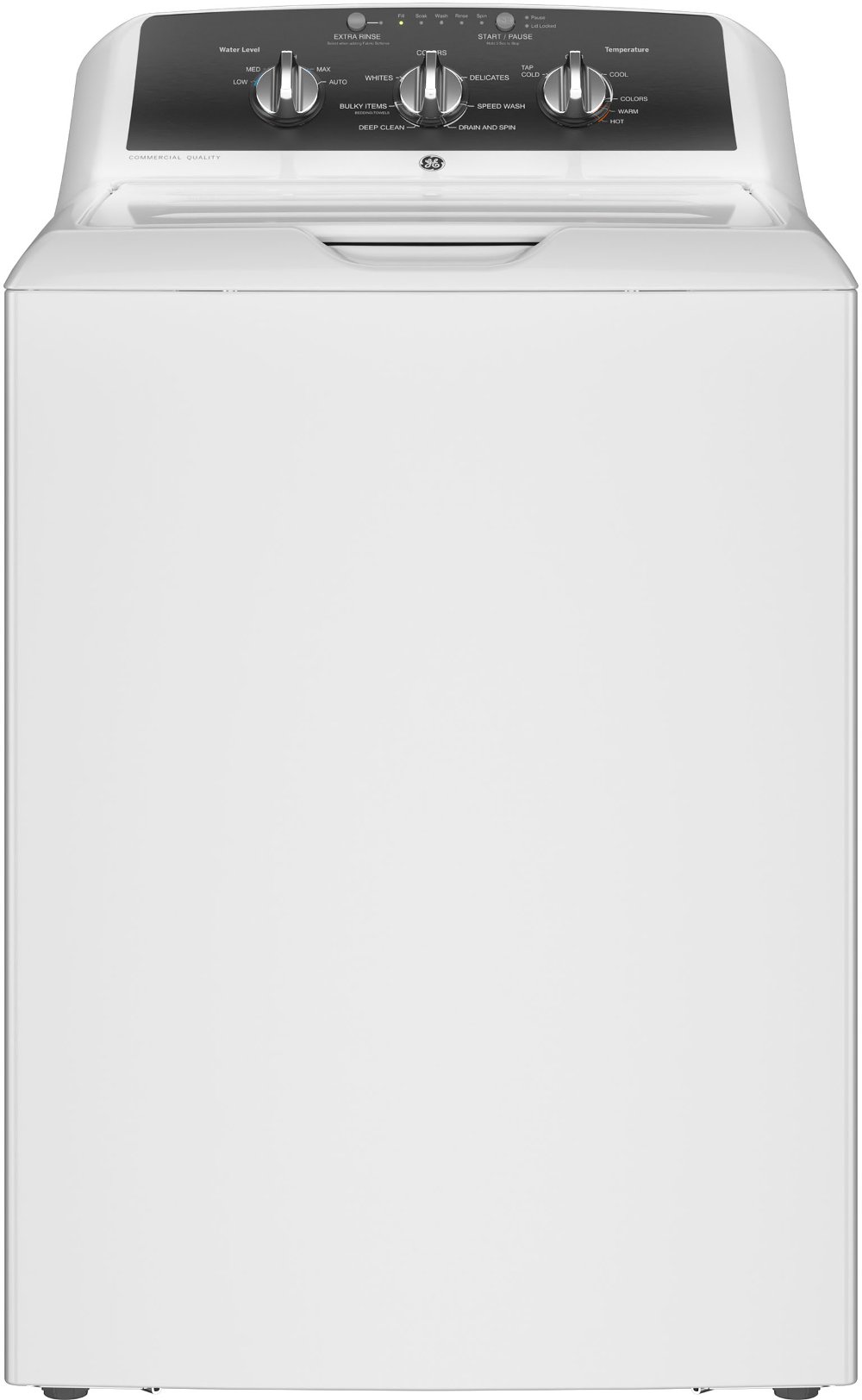
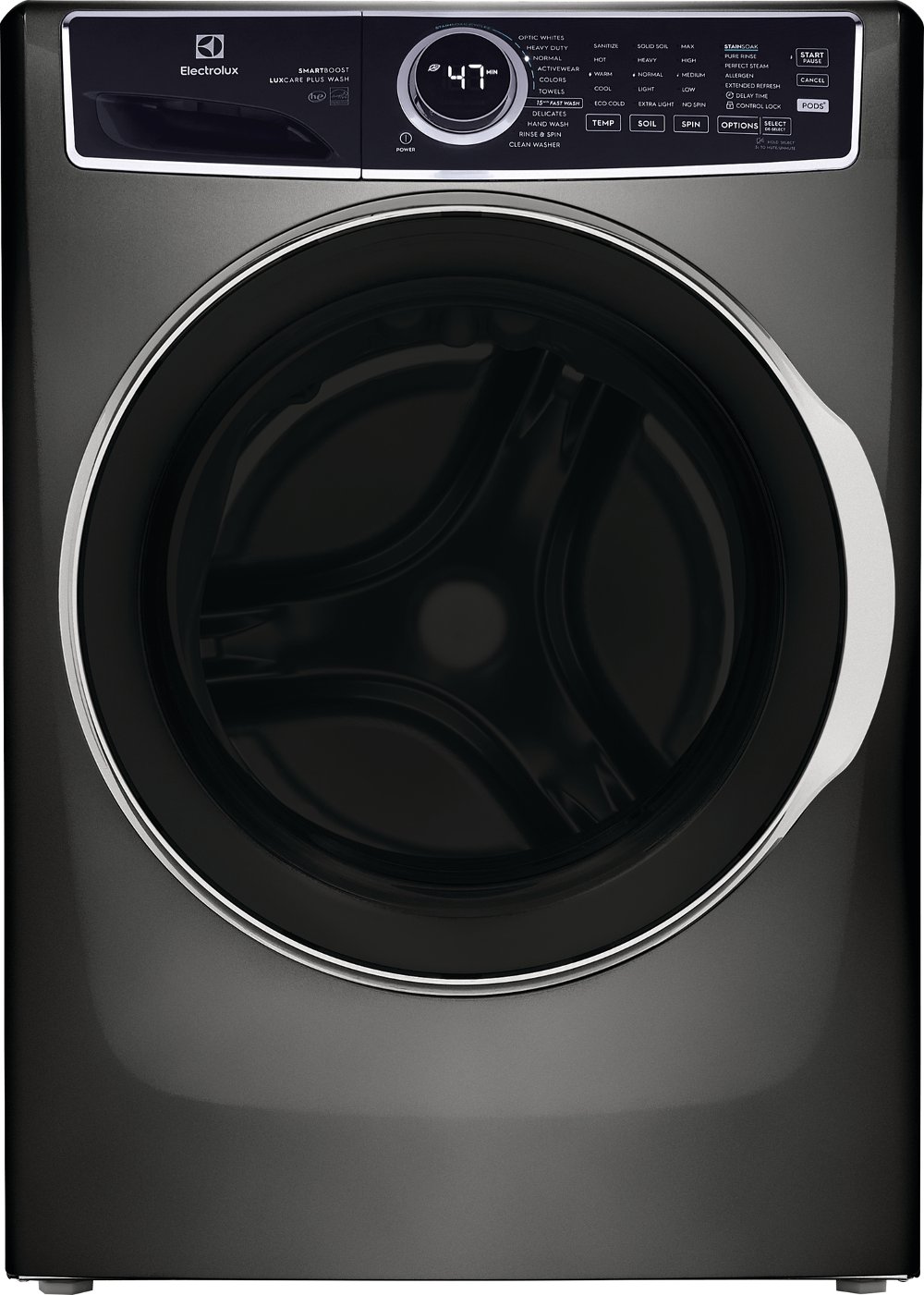
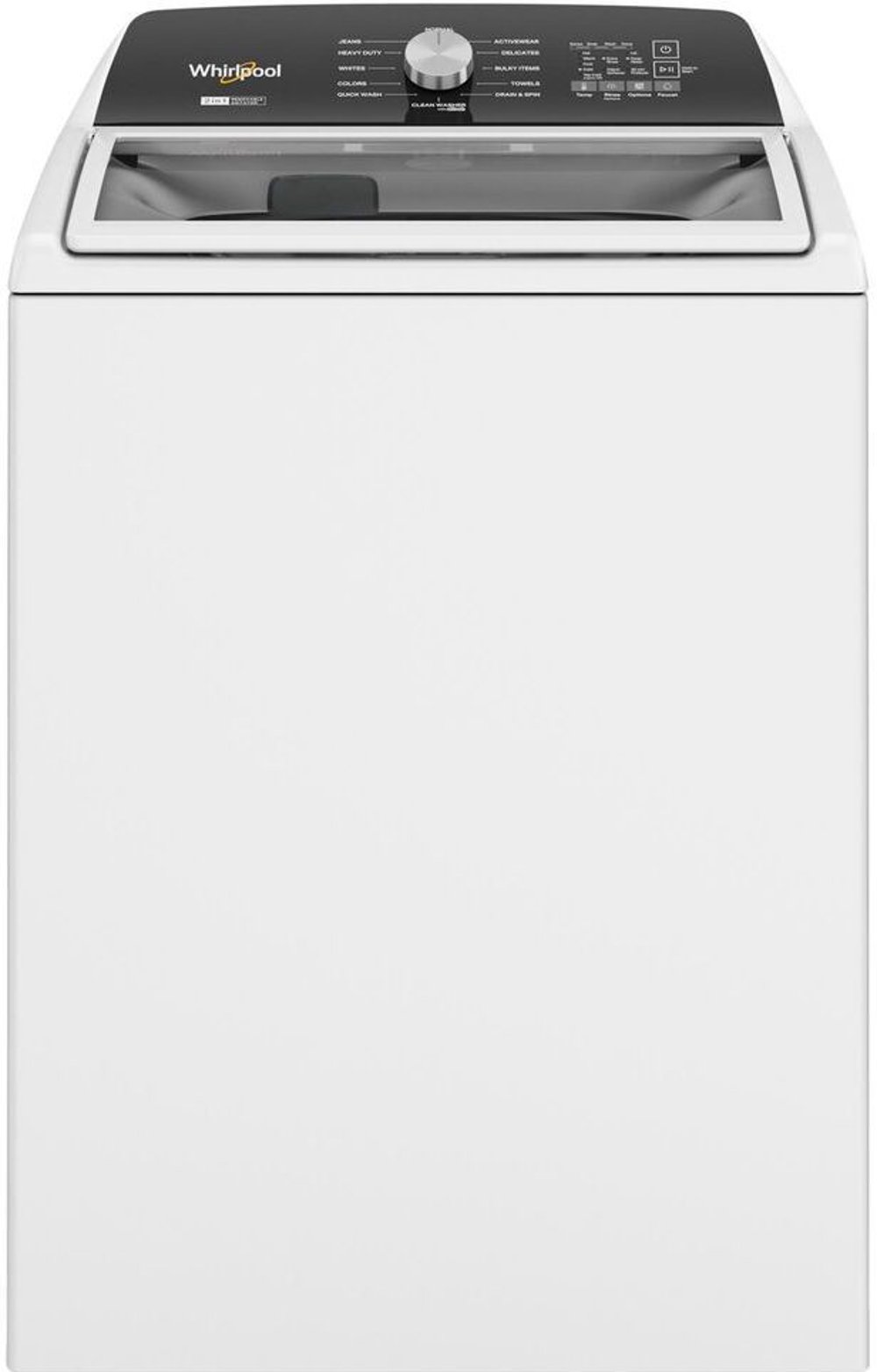
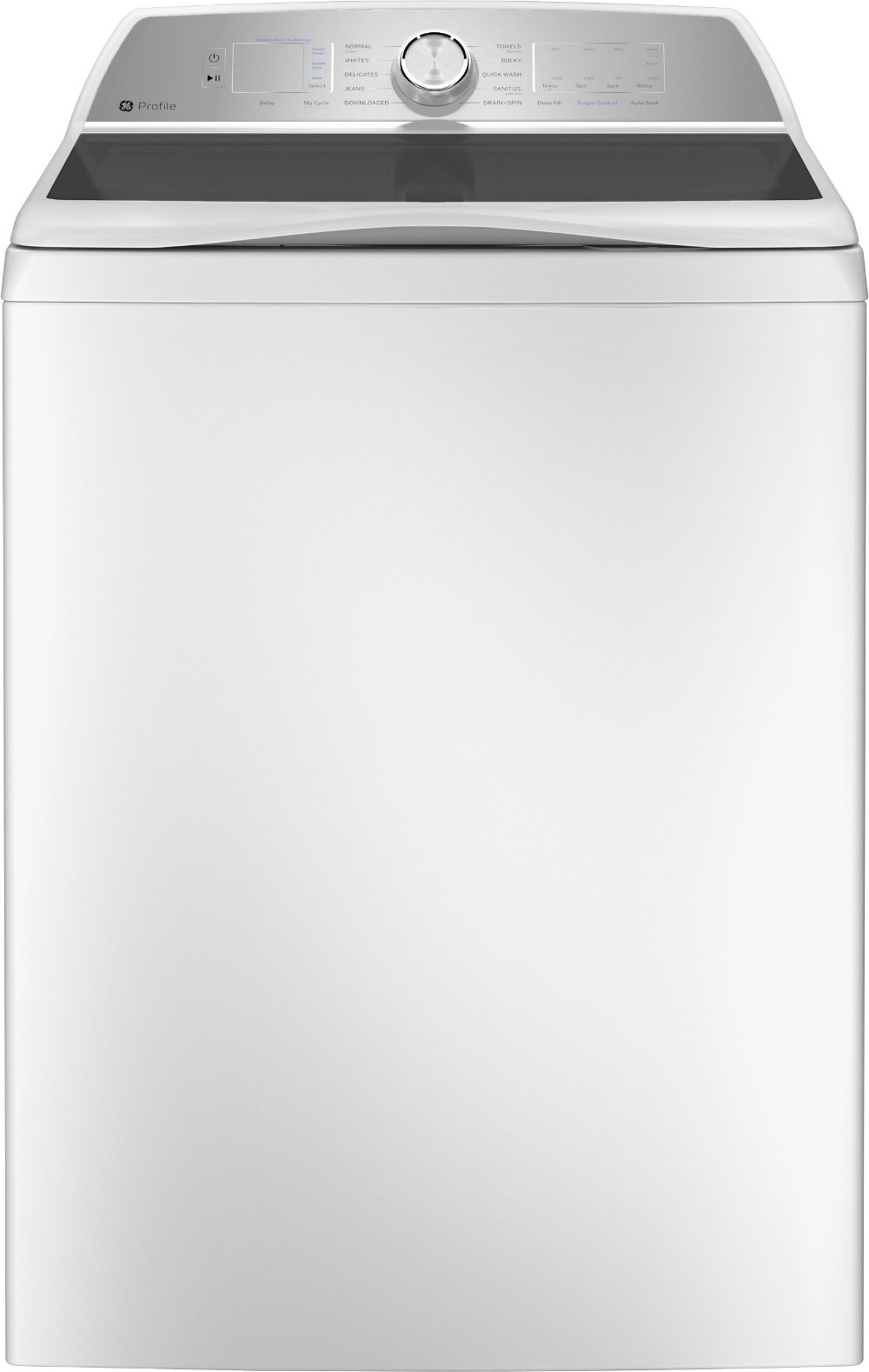
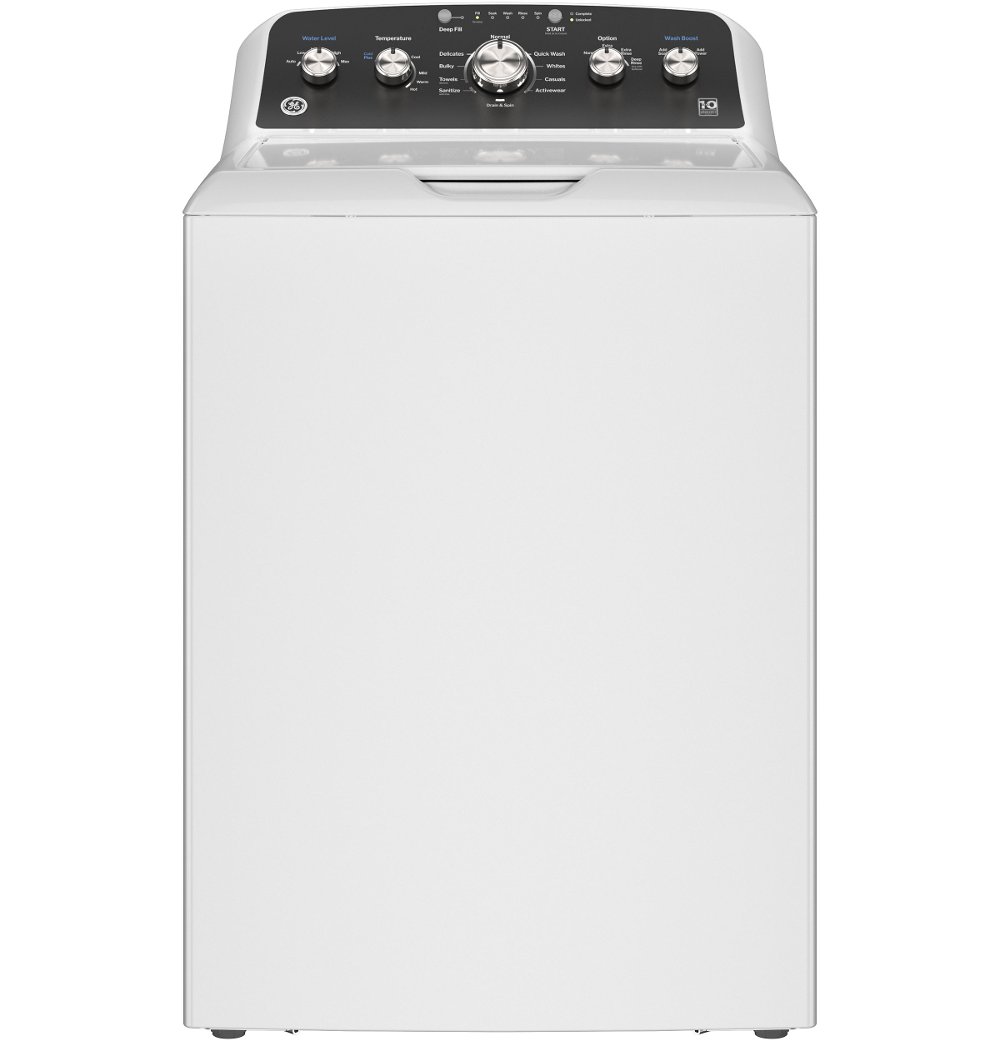
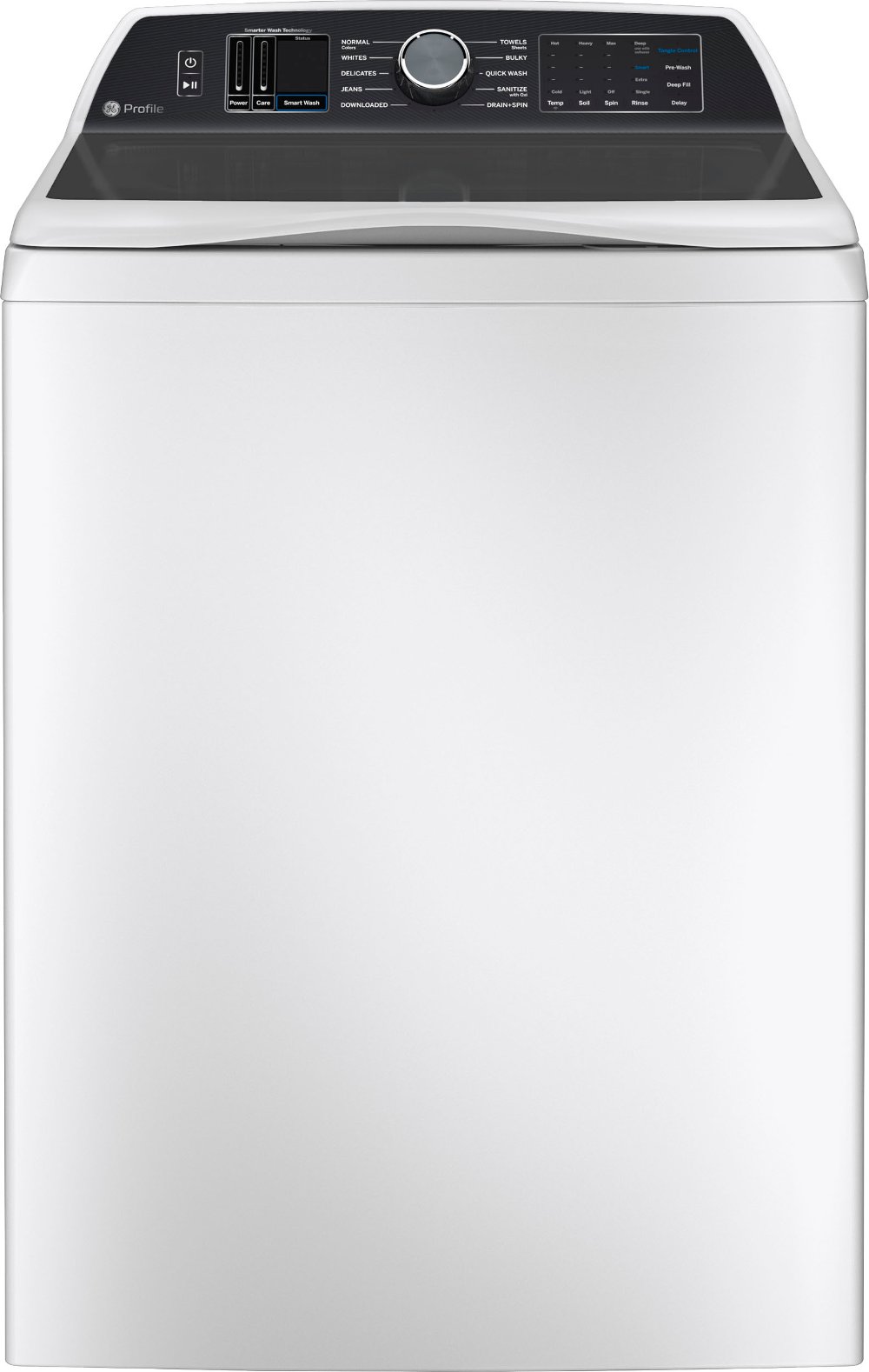
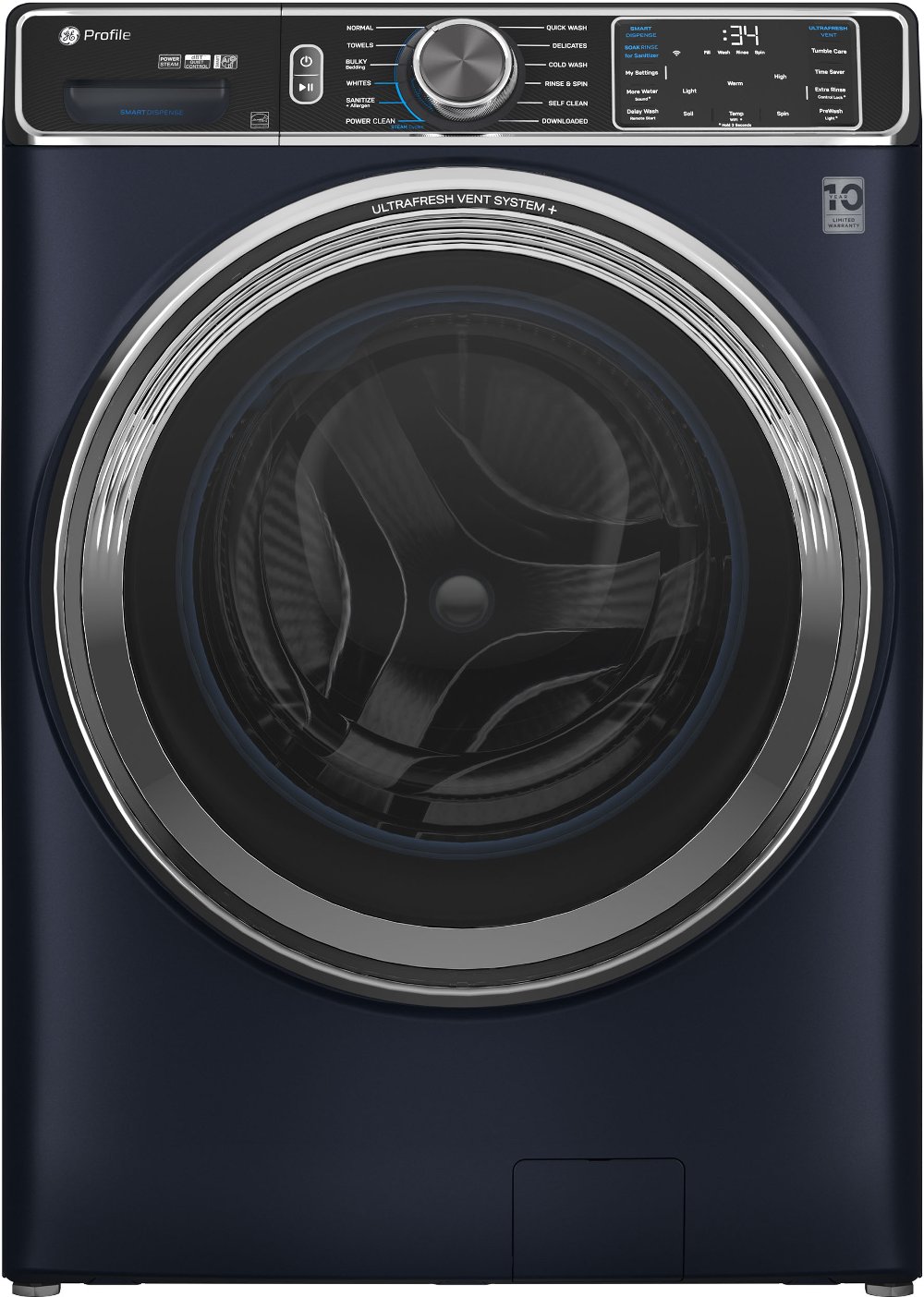
Long-lasting washers combine durable construction, dependable cleaning, and a design that suits the laundry they’ll handle day after day. The strongest choice for a household isn’t necessarily the machine with the most settings; it’s one that handles regular loads well, fits the space, and can be maintained and repaired over time. Washer longevity depends on several factors working together, including component quality, installation, load size, frequency of use, and routine care. No single feature or advertised lifespan guarantees how long a washing machine will last in a particular home. Stainless steel wash baskets are worth considering because they resist rust and chipping and provide a smooth surface for clothing. Other materials can also perform well, so the basket alone shouldn’t determine a washer’s durability. The motor, bearings, suspension, seals, and overall assembly all contribute to reliable operation. A sturdy suspension helps manage the movement of wet laundry, while properly functioning seals help keep water where it belongs. Direct-drive motors eliminate the belt used in belt-driven designs, but fewer drive components don’t automatically mean the entire appliance will outlast another model. Repair access and the quality of the complete machine matter, too. For a family washing school clothes, towels, and bedding throughout the week, a durable washer needs to deliver consistent results under frequent use. For a smaller household, dependable performance may mean handling a few carefully sorted loads without unnecessary complexity. In either case, useful controls and clearly defined cycles make everyday operation easier. A straightforward interface can be especially welcome in a shared laundry room, where several people need to select the right settings without guessing. Thoughtful construction matters most when it supports those ordinary routines: removing dirt from jeans, rinsing detergent from bath towels, and cleaning favorite shirts without subjecting every fabric to the same wash action. That balance of cleaning performance, fabric care, and serviceability gives long-lasting washing machines their practical appeal.
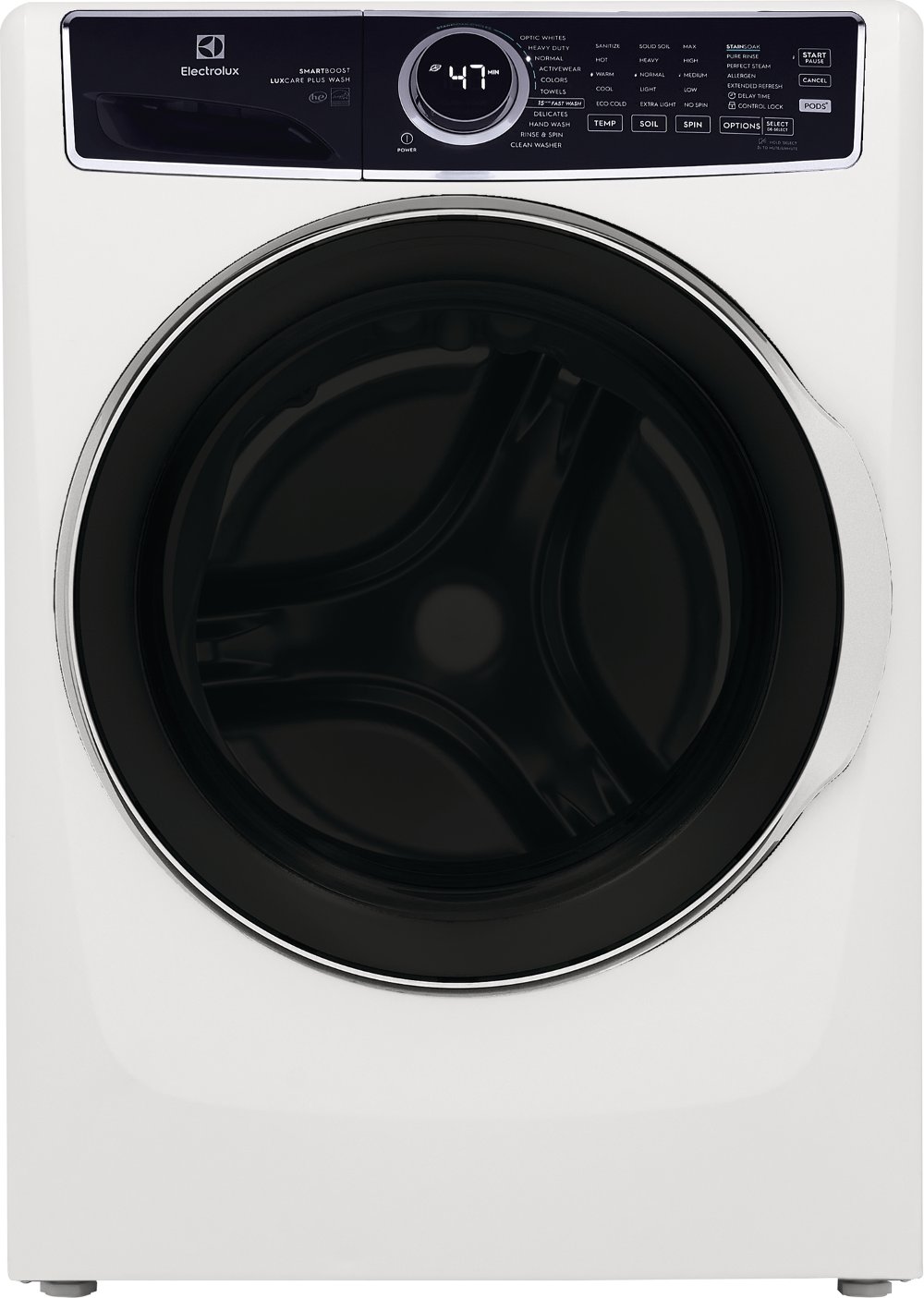
Capacity and fit deserve as much attention as construction because a washer needs room to operate correctly, not just room to slide into place. A larger wash basket can accommodate bigger loads, but its listed volume doesn’t mean every bulky item belongs inside. Comforters, washable rugs, and oversized blankets must fall within both the washer manufacturer’s recommendations and the textile’s care instructions. Laundry needs space to move through the wash process; packing the basket tightly can reduce cleaning effectiveness and contribute to unbalanced loads. A household with frequent towel loads may benefit from more usable capacity, while someone washing work shirts and everyday separates may find a smaller machine easier to load and manage. Top-load washers offer access from above and avoid the need to crouch at a front opening, though reaching the bottom of a deep basket can be difficult for some people. Front-load washers use a tumbling action and often use less water than traditional agitator models. Many can pair with a compatible dryer in a stacked arrangement using the specified installation kit, making them a practical option for limited floor space. Neither loading style guarantees a longer service life; the individual design, usage, and maintenance remain important. Within top-load designs, agitators and impellers create different wash motions, and loading them according to the manual helps clothing circulate as intended. Before choosing a configuration, account for doorways, hallways, hose connections, required clearances, and enough space to open the lid or door fully. A laundry closet also needs to meet the appliance’s installation requirements rather than simply match its exterior measurements. A solid, level floor and correctly adjusted feet help limit excessive vibration during spinning. Browse Appliance Washers to explore washing machine configurations with these everyday needs in mind. Useful features may include adjustable spin speeds for different fabrics, an extra rinse option when needed, and a dedicated basket-cleaning cycle. The best combination is one that supports the way laundry actually gets done, rather than adding settings that rarely get used.
Keeping a washer dependable over time also depends on small habits that protect its working parts and keep the wash environment clean. Detergent should match the machine’s requirements, including high-efficiency detergent where specified, and the amount should reflect load size, soil level, water hardness, and the detergent label. Extra detergent doesn’t necessarily produce cleaner clothes; excessive suds and residue can interfere with washing and rinsing. Emptying pockets keeps coins, screws, and other small objects from finding their way into places they don’t belong. Following loading instructions helps distribute laundry properly, particularly when washing absorbent items that become heavy when wet. A single saturated bath mat, for example, can create a very different spinning load from a loosely arranged batch of shirts. Cleaning the dispenser, running the recommended maintenance cycle, and checking accessible seals for trapped debris help prevent buildup. Front-load door gaskets benefit from attention to their folds, where moisture and small items can collect. Allowing the interior to dry as directed by the manufacturer can also help manage odors, provided any open door or lid remains safely inaccessible to children and pets. Hoses deserve periodic inspection for cracks, bulges, or leaks, with replacement handled according to the manufacturer’s guidance. Filters should be cleaned only where the machine provides a user-serviceable filter and instructions for accessing it. Beyond daily care, a long-term purchase deserves a close look at warranty terms and repair support. A lengthy motor warranty may cover only that component, while labor, electronics, and other parts have different coverage periods. Accessible replacement parts, qualified service, and clear documentation can make a meaningful difference when a repair becomes necessary. Persistent banging, new grinding sounds, or water beneath the machine deserve prompt attention rather than repeated attempts to finish another load. Household washing machines should also be used within their intended purpose; frequent residential laundry isn’t the same duty as a commercial laundry operation. Durable materials, an appropriate capacity, careful installation, and consistent maintenance together support a washer that can remain a useful part of the home for years.
Read More