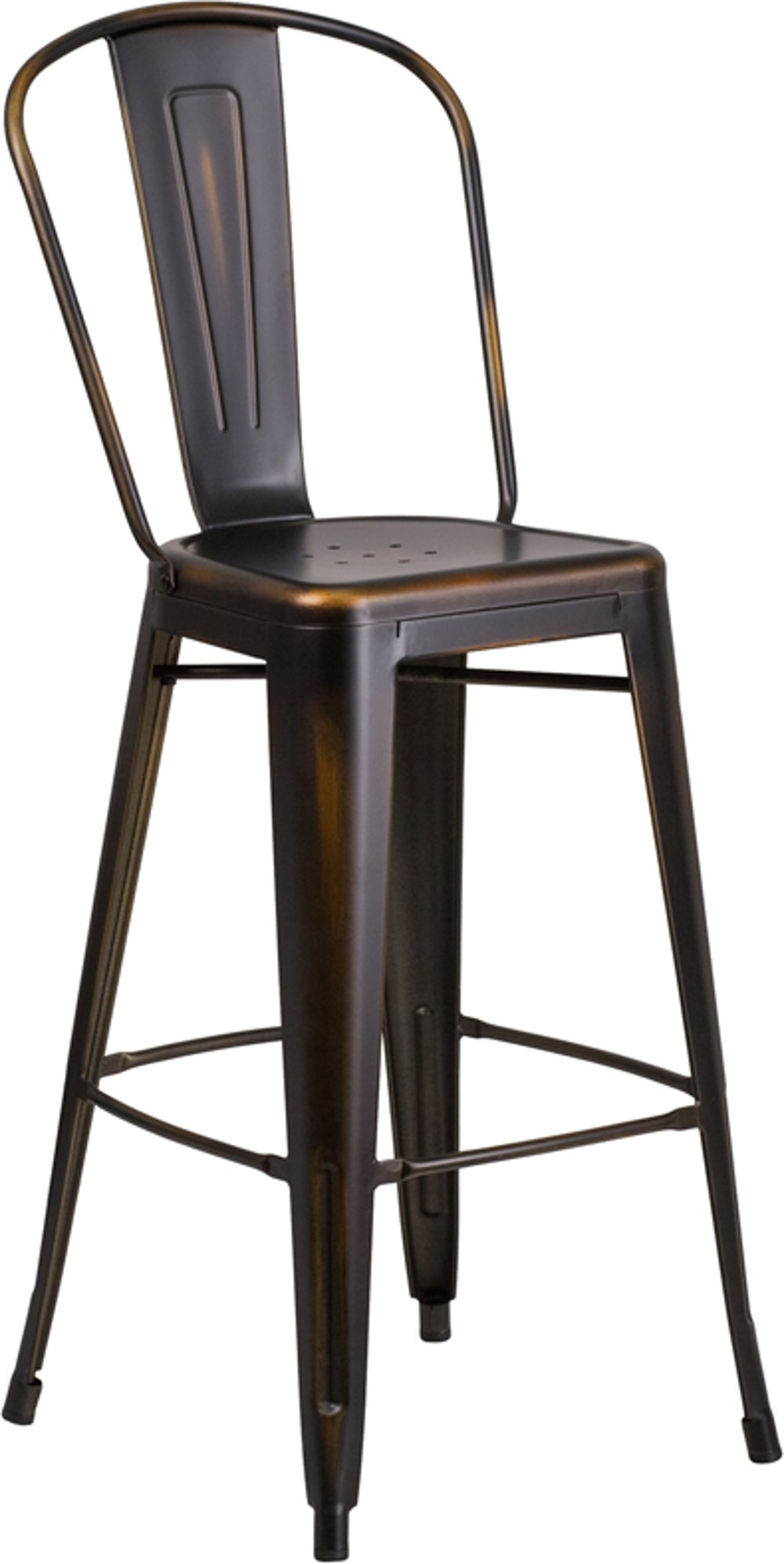
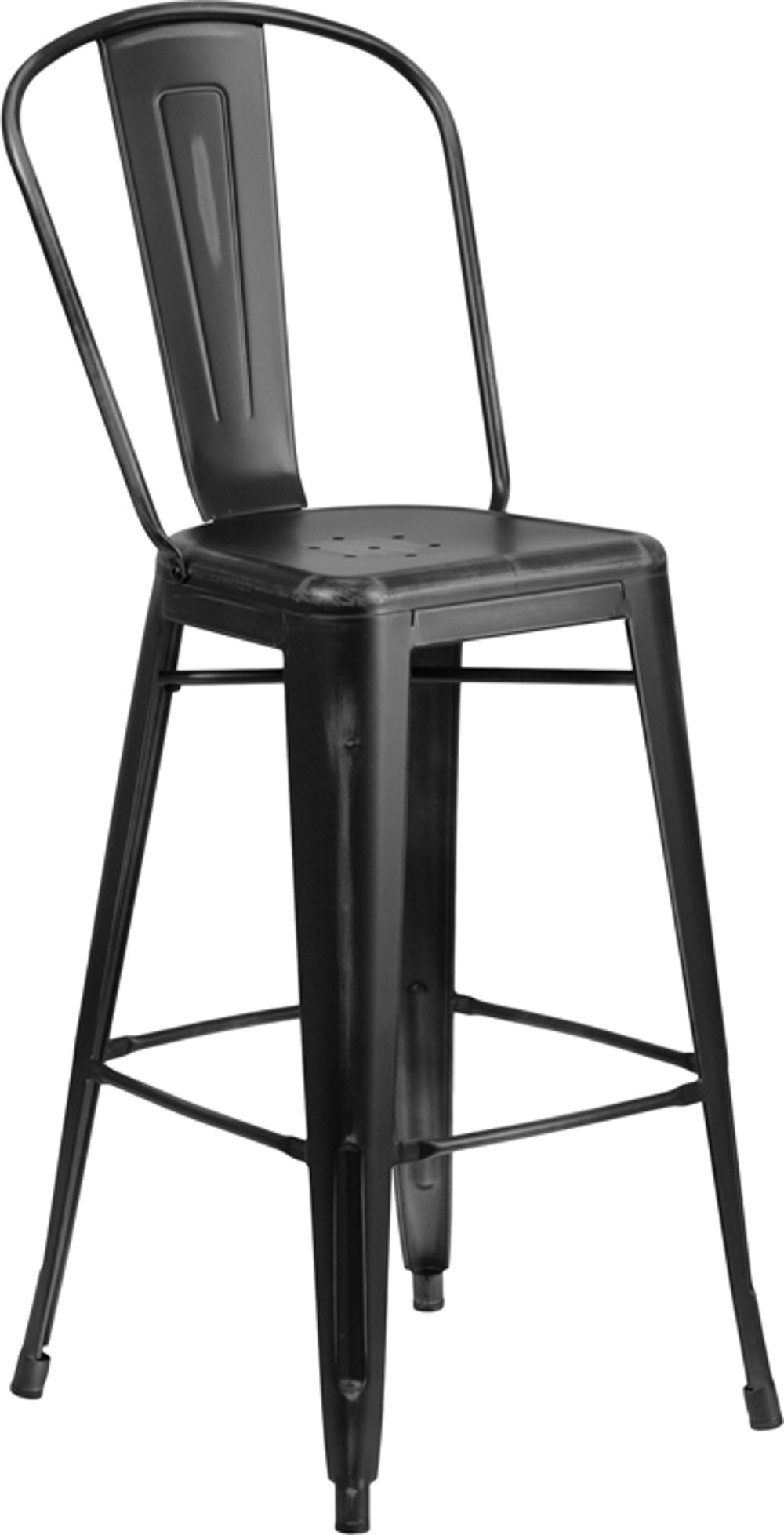
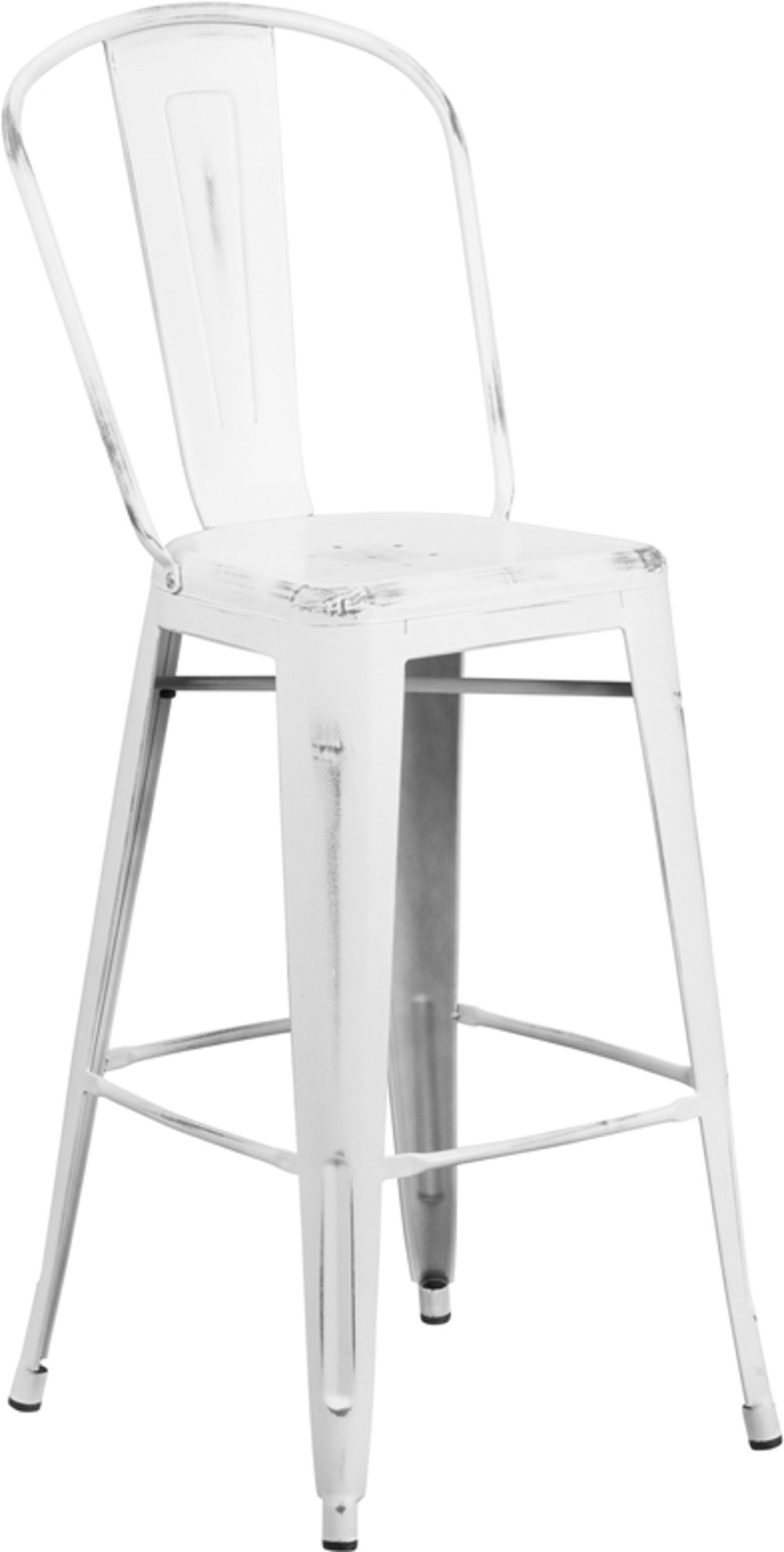
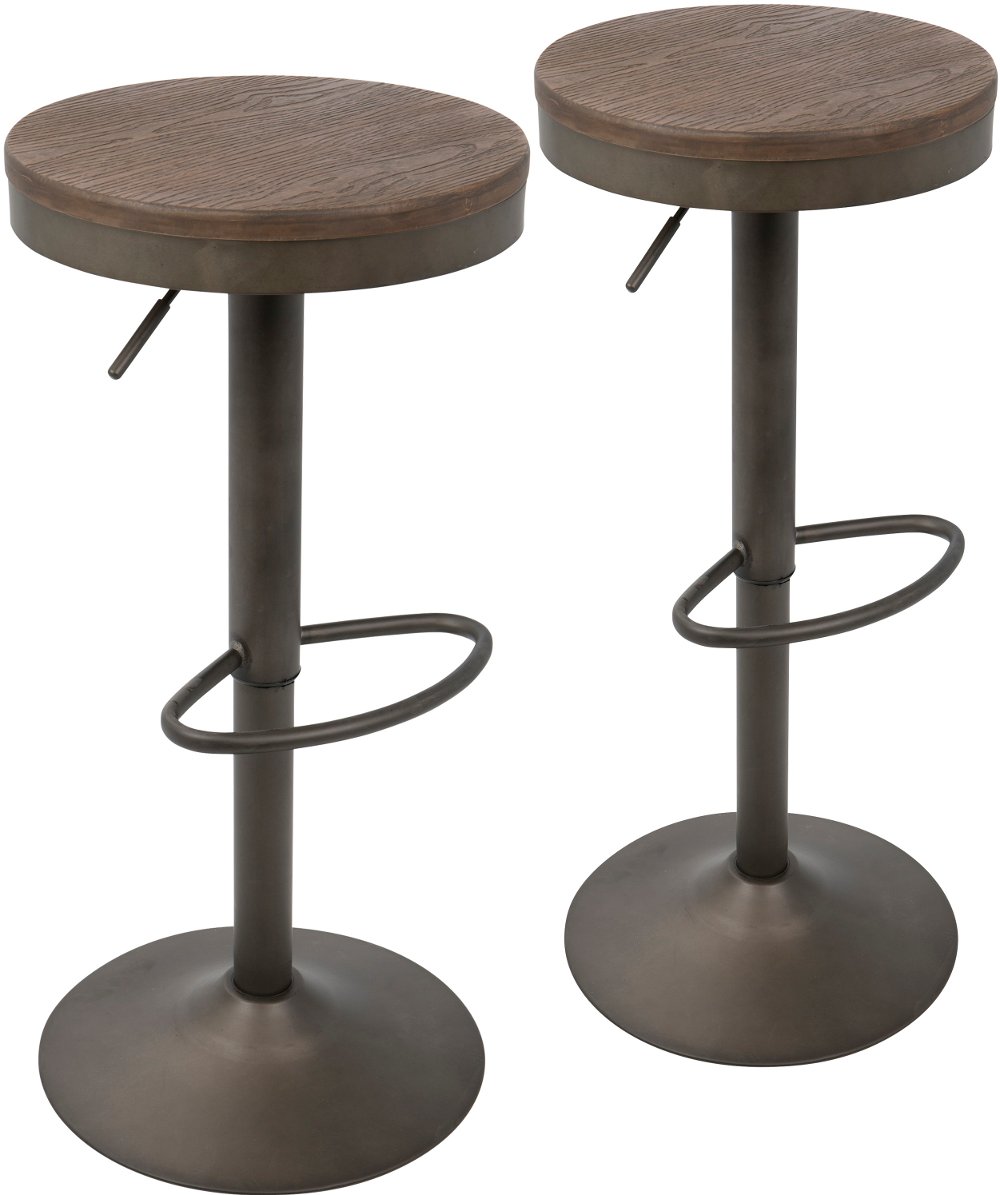
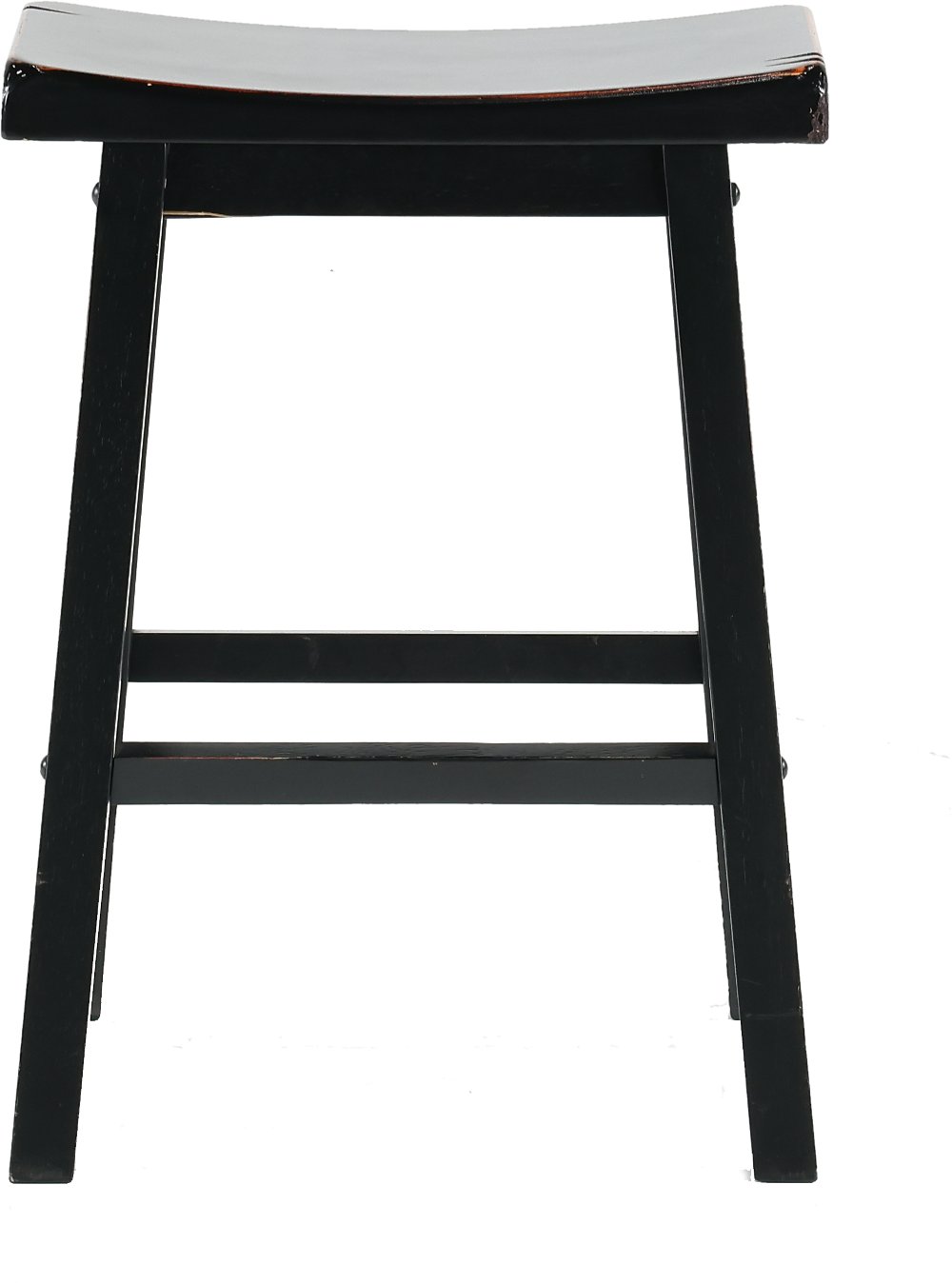
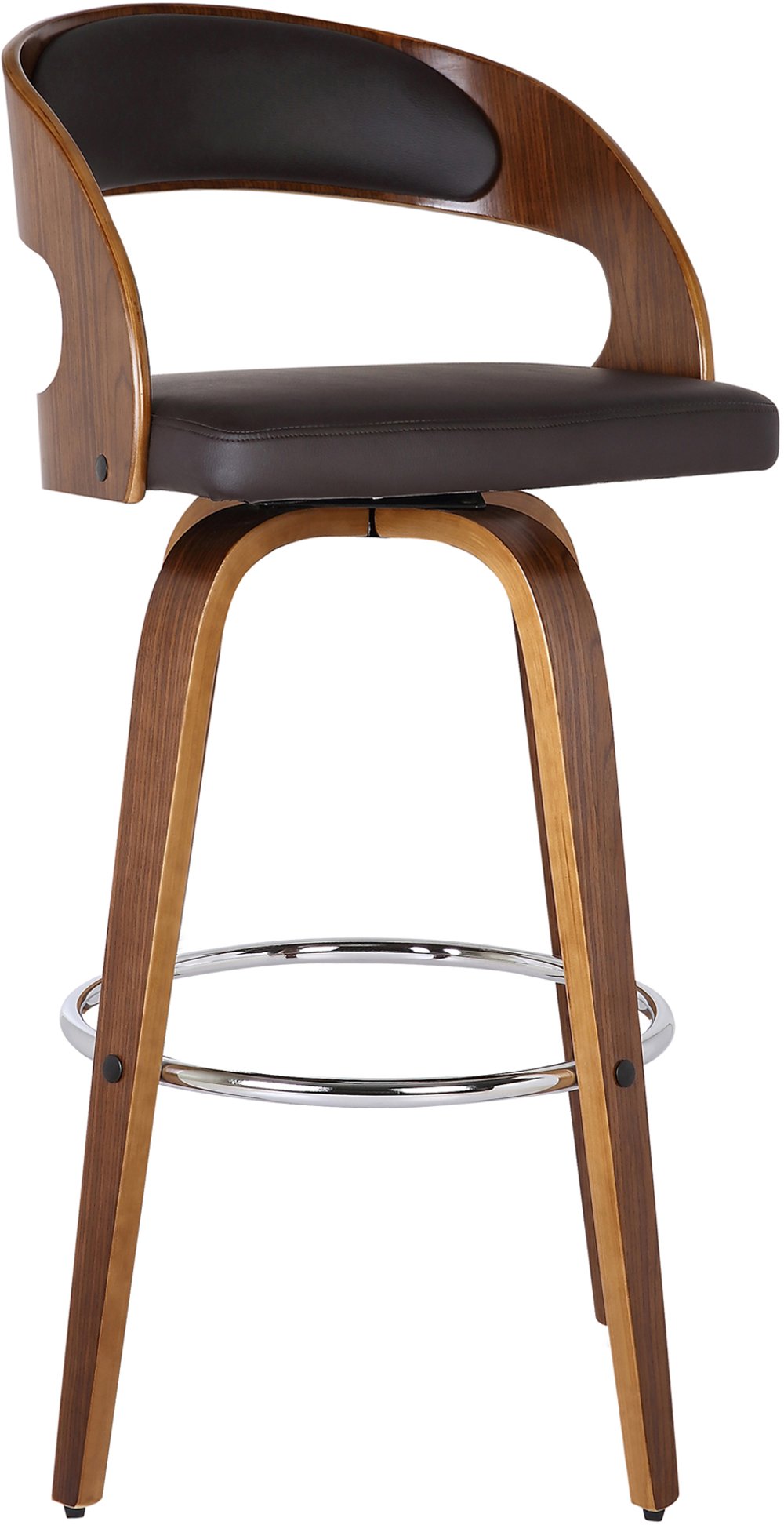
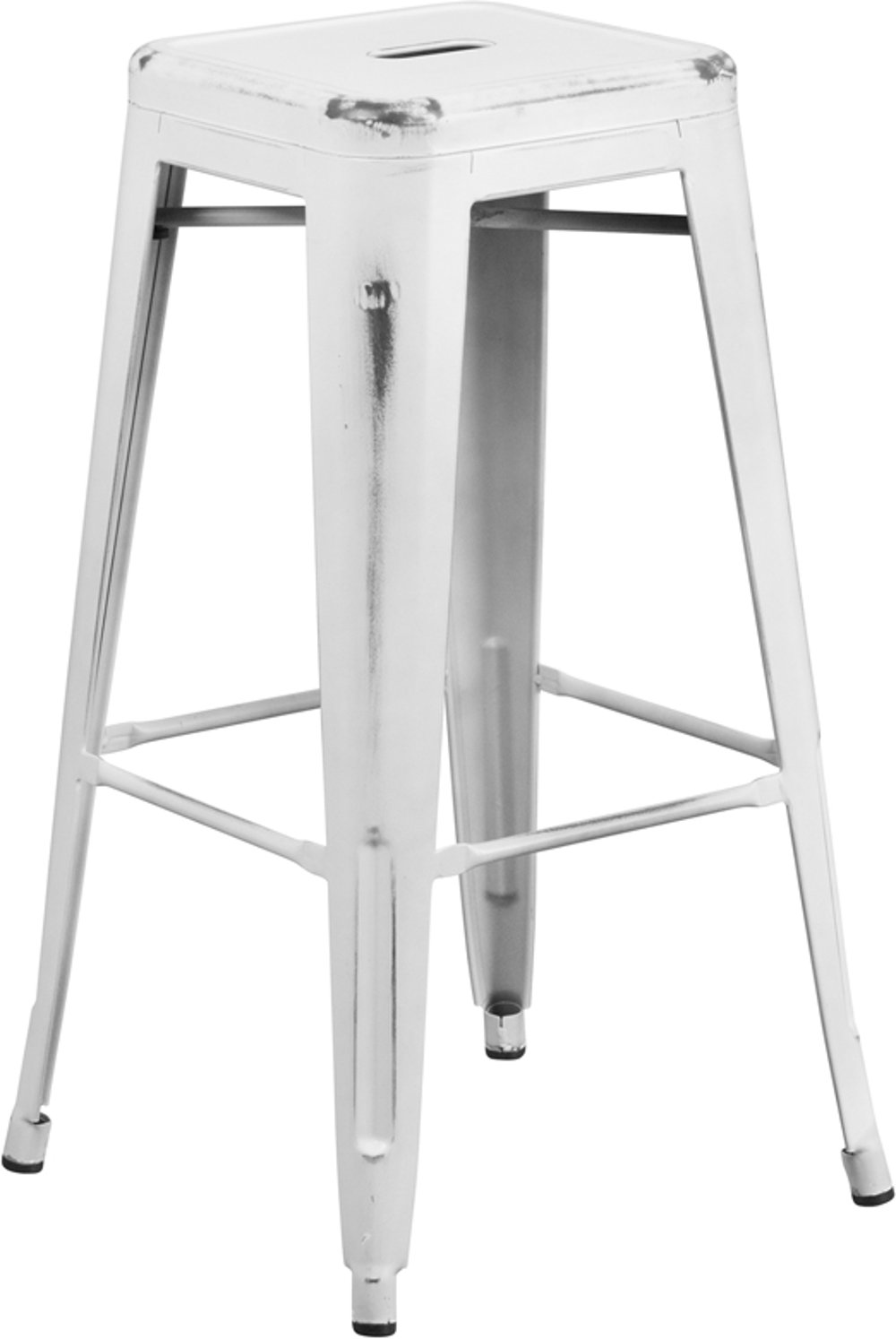
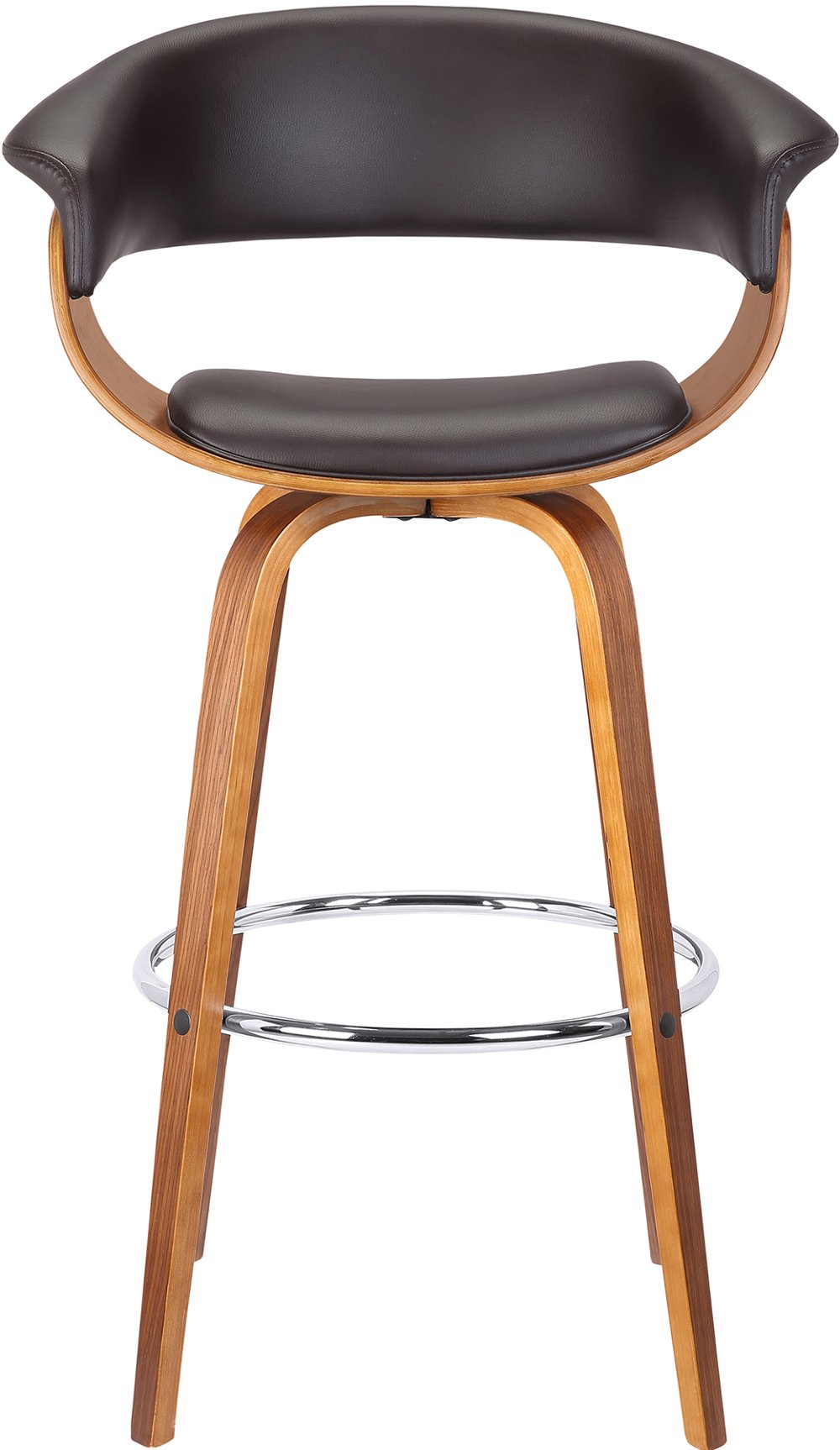
Distressed barstools bring warmth, character, and a relaxed sense of history to the places where people gather at home. Their rubbed edges, softened finishes, visible wood grain, painted surfaces, or gently weathered metal details create a lived-in look that feels inviting from the first cup of coffee to the last conversation of the evening. A kitchen island with distressed barstools can become the comfortable center of the home, giving family members a place to eat breakfast, sort through mail, finish homework, or share a snack while dinner comes together. In a home bar, game room, or open dining area, these stools help shape an atmosphere that feels collected rather than overly formal. Their intentionally worn appearance can also make everyday life feel a little easier: small scuffs, marks, and signs of regular use tend to blend naturally with a distressed finish instead of standing out against a perfectly smooth surface. Choose a style that works with the rest of your room, whether that means rustic wood with hand-rubbed edges, sturdy metal with an industrial finish, or a cushioned seat that adds softness and comfort. A warm brown or natural wood tone can complement farmhouse and traditional spaces, while distressed painted finishes can add personality to a cottage-inspired kitchen. For a cleaner, brighter look, consider how White Barstools might balance darker countertops, warm wood cabinetry, or a room that gets less natural light. The best choice is the one that feels at home with your existing furniture while giving the space a little more character.
Height is one of the most important details to check before choosing distressed barstools. Counter-height stools are generally designed for surfaces about 36 inches high and typically have seats about 24 to 27 inches from the floor. They’re a practical fit for most kitchen islands and standard-height counters, leaving enough room for comfortable leg movement while you eat, work, or visit with someone nearby. Bar-height stools generally have seats about 30 to 32 inches high and pair with raised surfaces around 42 inches high, such as a dedicated home bar or taller entertainment counter. Measuring from the floor to the underside of your counter can help you confirm the fit, and leaving roughly 9 to 12 inches between the seat and the underside of the surface usually allows comfortable knee room. Also measure the available width so each person has space to sit, stand, and move without bumping elbows. A backless stool can tuck neatly beneath an island and keep a smaller kitchen feeling open, while a stool with a supportive back creates a more settled seat for longer meals, remote work, or evening conversations. Swivel seating makes it easier to turn toward the kitchen, television, or another guest without moving the entire stool. Footrests can make taller seating more comfortable, particularly for children and guests who spend a while at the counter. If you’re furnishing a busy household, look for durable construction, stable legs, reinforced joints, and surfaces that are easy to wipe clean. Metal distressed barstools are often a useful choice for a hardworking kitchen or entertaining space, and some designs can be stacked or moved when you need extra floor space. Wood stools offer a classic, substantial feel, while upholstered or leather-look seats bring cushioning and visual softness. Decorative details such as nailhead trim can lean traditional, but a simple worn finish may work just as well in a modern room that needs a touch of warmth.
Distressed barstools suit a wide range of households because they’re made for real routines, not just special occasions. They can give a first apartment a welcoming dining spot when there isn’t room for a full table, add extra seating to a growing family’s kitchen, or help refresh a home bar before guests arrive during the cooler months. They’re also a thoughtful gift for someone settling into a new home, updating a kitchen, or creating a more comfortable place to host friends. If you’re selecting stools for someone else, pay close attention to the height of the recipient’s counter, the room’s color palette, and whether the household would benefit from easy-clean materials or padded seating. For a family with young children, a stable base and wipeable finish may matter more than delicate decorative details. For someone who loves slow weekend breakfasts or long dinners with friends, a supportive back and comfortable seat can make a noticeable difference. Caring for distressed furniture is usually straightforward: wipe spills promptly, use a soft cloth for dust, and follow the care recommendations for the specific material and finish. Avoid harsh cleaners that could strip paint, dry out wood, or affect upholstery, and place felt pads beneath legs when moving stools across hard flooring. As the seasons shift and more time moves indoors, a few well-chosen stools can make an island feel like a gathering place instead of simply another work surface. Picture a friend perched at the counter with a warm drink, a child drawing at the opposite end, or neighbors lingering after dinner while the kitchen lights reflect across the countertop. That everyday comfort is where distressed barstools earn their place: they add useful seating, hide the evidence of busy living, and bring an easy, welcoming finish to the room.
Read More