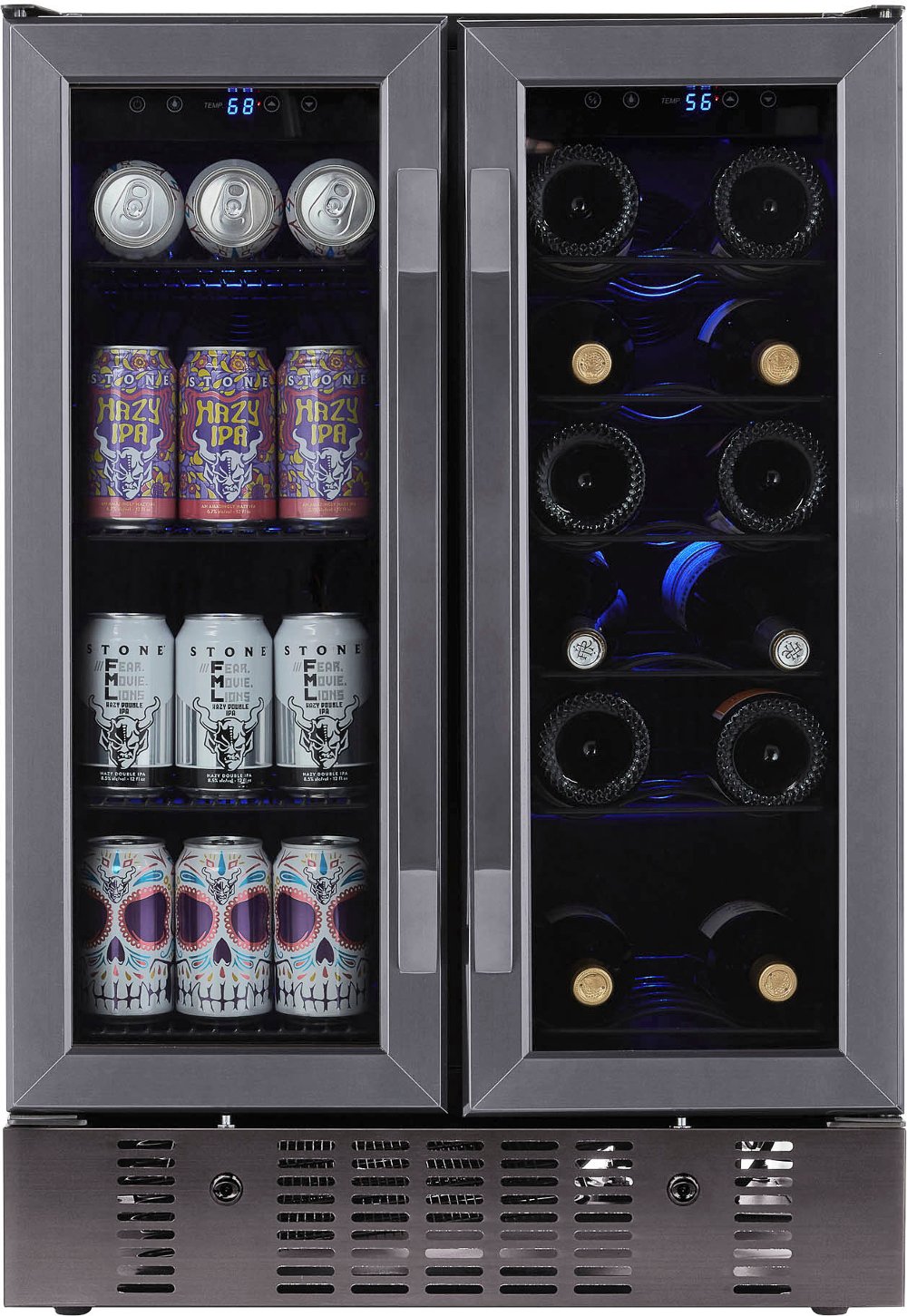
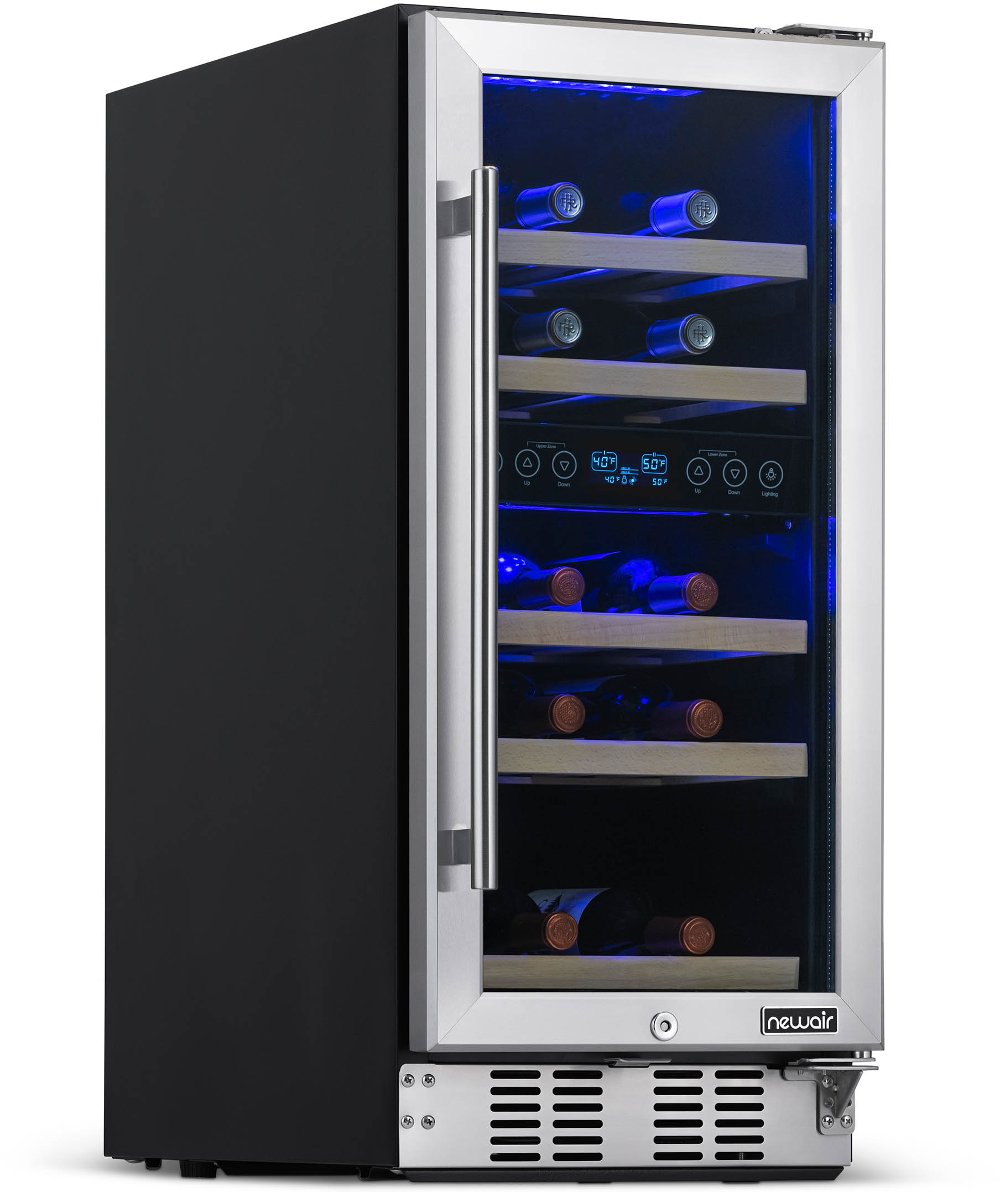
A dual compressor refrigerator uses two compressors and separate refrigeration circuits: one cools the fresh food compartment, and the other cools the freezer. Each system responds to its compartment’s cooling needs rather than sharing one compressor across both spaces. That distinction matters when everyday routines put different demands on the refrigerator and freezer, whether you’re unloading groceries, reaching for lunch ingredients, or freezing portions of a favorite homemade meal. Dual compressor refrigerators are designed to manage those spaces independently, helping support consistent conditions for refrigerated and frozen foods. Separate airflow paths can also help limit odor transfer between compartments, so strongly scented leftovers are less likely to affect the ice or other frozen foods. Food still needs proper wrapping and sealed containers, but compartment separation adds another layer of protection. The fresh food section can maintain a more humid environment than the freezer, while the freezer handles the dry, cold conditions frozen foods need. Actual humidity control depends on the appliance’s design, drawer settings, and how food is stored. For households that cook often, buy groceries in larger quantities, or keep a substantial freezer supply, these differences can make the refrigerator a useful partner in daily meal planning. A refrigerator with two evaporators isn’t necessarily a dual compressor refrigerator; some dual evaporator designs use a single compressor. Product specifications should explicitly identify two compressors when that’s the feature you want. Independent cooling also doesn’t mean that every drawer or compartment has its own compressor, or that one section is guaranteed to keep running if another develops a problem. Controls, electrical components, and other systems may still be shared. Whatever the cooling arrangement, safe storage remains essential: keep the refrigerator at 40°F or below and the freezer at 0°F, and use an appliance thermometer to check conditions. Steady cooling works best alongside sensible food placement, clear air vents, and doors that close securely.
The right dual compressor refrigerator needs to fit your kitchen just as well as it fits your food storage habits. Overall width, height, and depth are only part of that fit. Installation specifications also account for ventilation, surrounding cabinetry, door movement, and the space needed to pull drawers out completely. A refrigerator beside a wall may need additional room for the door to open far enough to remove a crisper or reach a shelf comfortably. Handles can project beyond the cabinet face, and a nearby island can affect how easily someone passes through while the doors are open. Delivery access matters, too, including entryways, tight hallway turns, and stairs along the route to the kitchen. Built-in and freestanding designs have different installation requirements, while counter-depth dimensions describe how an appliance relates to the surrounding counters rather than guaranteeing a completely flush appearance. Interior proportions deserve the same attention as exterior measurements. A generous total capacity doesn’t necessarily mean there’s room where your household needs it most. Wide refrigerator shelves can accommodate serving platters and casserole dishes, while adjustable shelving helps make space for a tall pitcher or an upright bottle. Door bins keep frequently used condiments within reach, and divided drawers can organize produce, deli ingredients, or individually packed lunches. Freezer baskets and shelves offer different ways to separate vegetables, proteins, and prepared meals without burying smaller packages. French door, side-by-side, and other configurations shape how those storage areas feel in everyday use; compressor count alone doesn’t determine the layout. Households that entertain may appreciate broad shelves and flexible storage, while meal-prep cooks may place greater value on freezer organization. Interior lighting, easy-to-read controls, and reachable handles also influence daily comfort. Water dispensers and automatic ice makers, when included, bring additional requirements for a suitable water connection, filter access, and routine maintenance. Features work best when they support the way you actually cook, shop, and move through the kitchen.
Materials, upkeep, and service support help shape how a dual compressor refrigerator holds up to everyday life. Stainless steel offers a familiar kitchen finish, but its care requirements vary by surface treatment. A fingerprint-resistant finish may reduce visible smudges without eliminating the need for cleaning, and abrasive pads or harsh chemicals can damage some finishes. Following the manufacturer’s cleaning directions helps protect the exterior, door seals, shelves, and drawers. Adjustable glass shelves provide a clear view of stored food, while raised edges on some designs help contain small spills. Removable bins make routine cleanup easier, especially after a leaking container or a sticky juice bottle. Glass components should come closer to room temperature before washing with warmer water to reduce the risk of damage from a sudden temperature change. Door gaskets need attention as well: crumbs and residue can interfere with a clean seal, making a quick wipe along the folds a worthwhile habit. Keep ventilation openings clear, and clean accessible condenser components only as directed in the owner’s manual. Some designs require professional access rather than routine homeowner cleaning. Durability depends on the complete appliance, its installation, and its care—not simply the presence of a second compressor. Warranty terms may distinguish between general appliance coverage and sealed-system coverage, so understanding those details helps set clear expectations for service. Energy use also varies by capacity, insulation, controls, and other design choices. Two compressors don’t automatically mean lower electricity use; the EnergyGuide label provides a more useful basis for comparing estimated annual consumption. Sound levels depend on the full design and installation, which matters in a kitchen connected to a living or dining area. For a workplace, food-service operation, or another business setting, Commercial Refrigerators offer a separate category to explore. A residential dual compressor refrigerator shouldn’t be assumed to meet commercial sanitation certifications or local operating requirements. Matching the appliance to its intended setting, storage demands, and maintenance needs helps make it a dependable part of the space it serves.
Read More