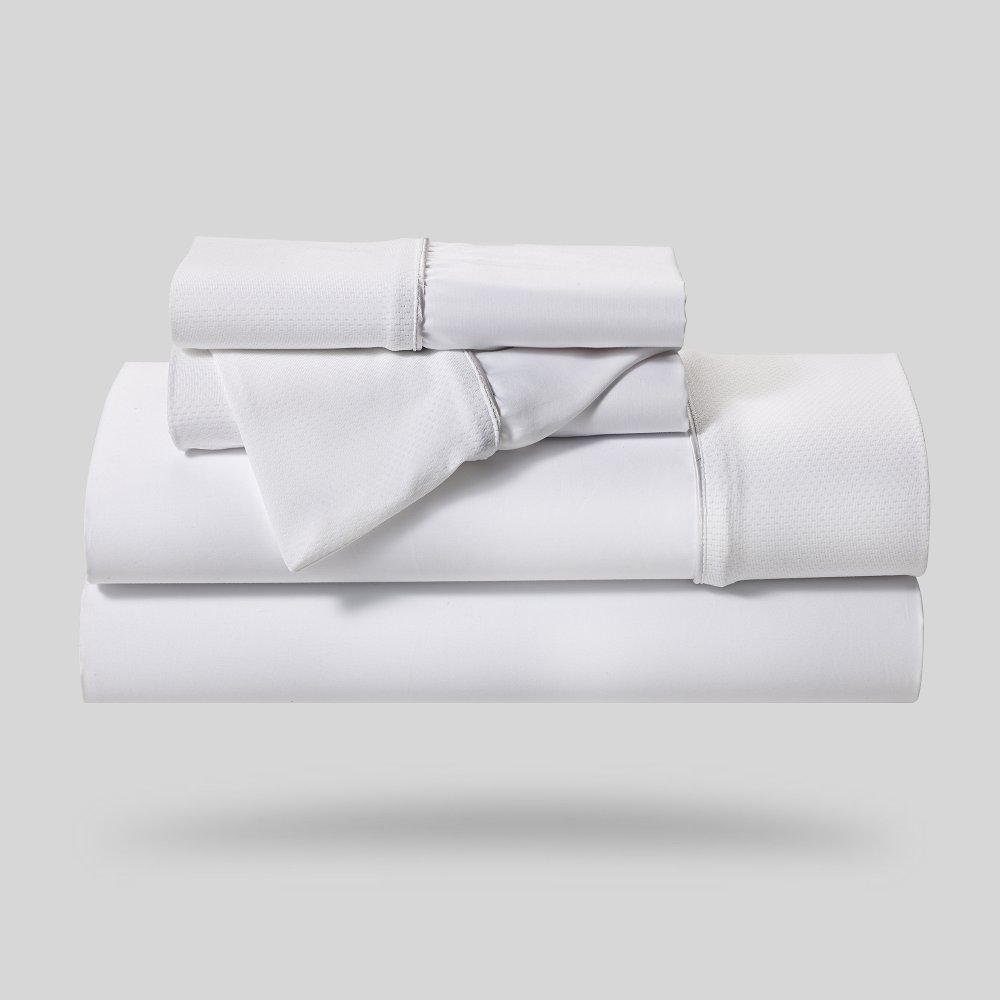
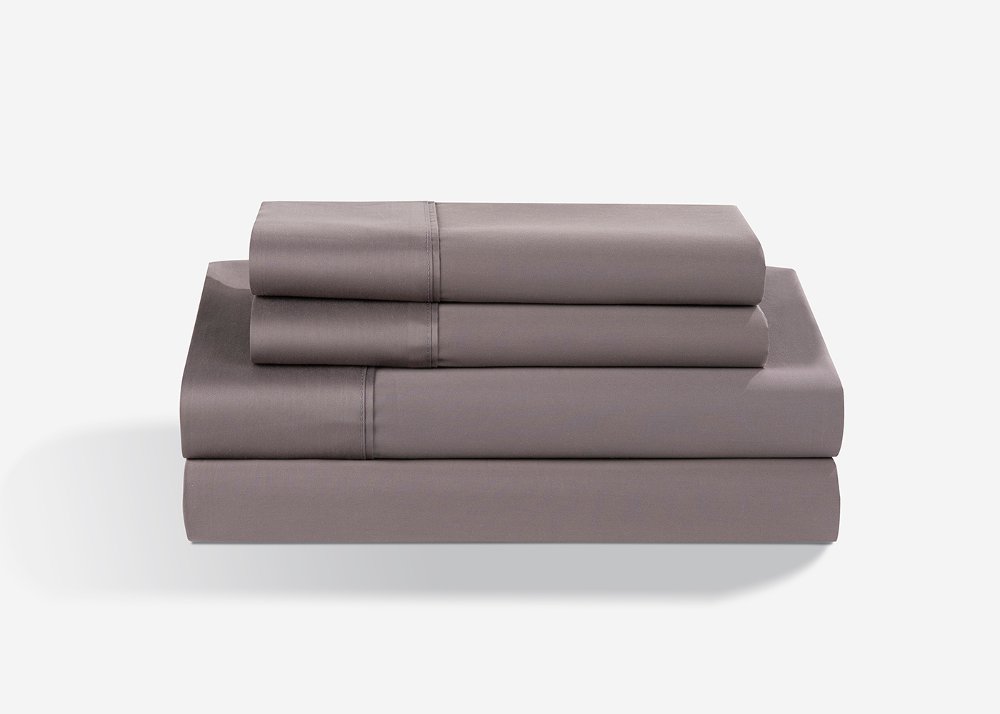
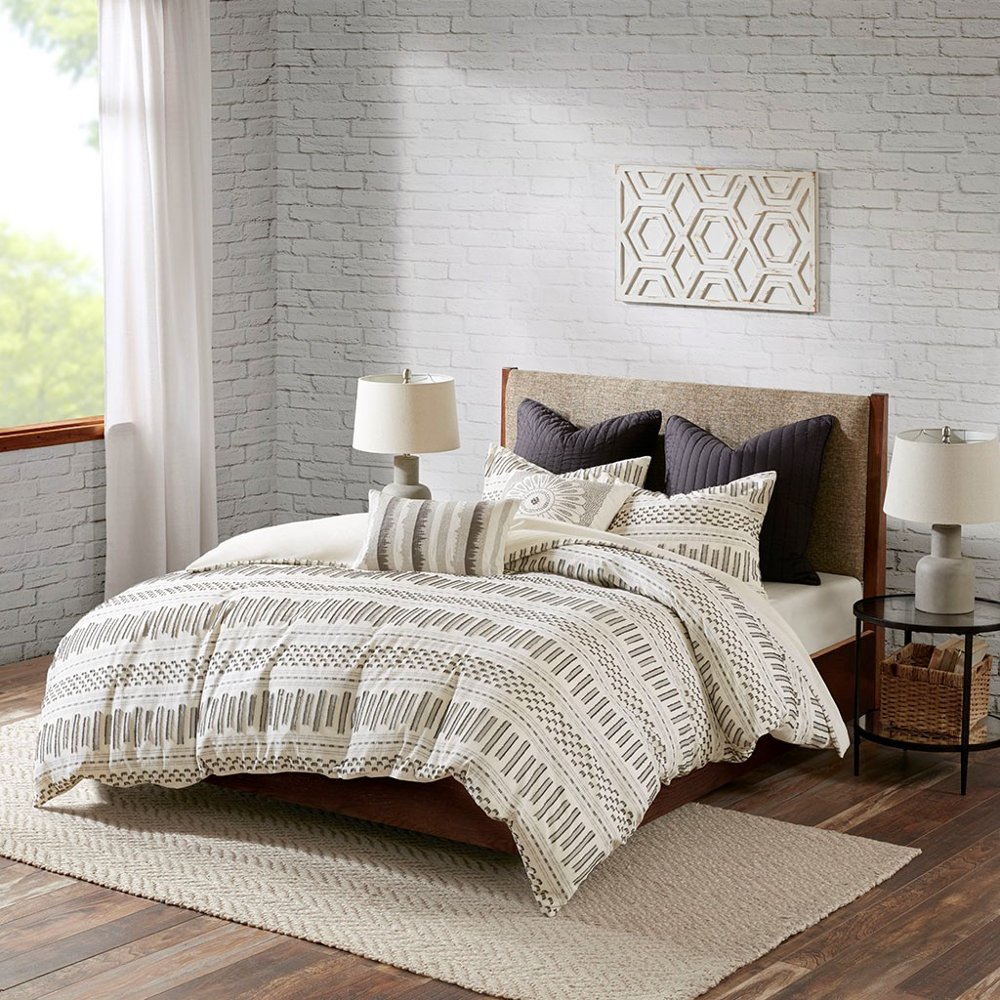
Queen duvet sets bring the largest surface in your bedroom into focus, giving your bed a coordinated look without requiring a complete room makeover. A duvet cover set typically includes a removable cover and matching pillow shams; the duvet insert usually sells separately, so check the package contents before you buy. The cover slips over the insert much like a pillowcase slips over a pillow, adding color, texture, and a washable outer layer. That separation makes queen duvet cover sets especially practical when you love the warmth of your bedding but want a different look or an easier laundry routine. Fabric is a good place to start narrowing your choices. Cotton is a breathable, versatile option for everyday use, while the weave helps determine how it feels against your skin. Cotton percale generally has a crisp, matte finish—the kind of cool, fresh-sheet feeling that appeals to warm sleepers. Cotton sateen tends to feel smoother and drape more fluidly, with a subtle sheen that gives a bed a slightly dressier appearance. Linen offers an airy, textured feel and a relaxed look that welcomes a few wrinkles rather than asking you to smooth every corner. Microfiber, commonly made from polyester, is often budget-friendly, soft, and resistant to wrinkling, though it may feel warmer or less breathable than some natural-fiber options. Blends can balance different qualities, so read the fiber content rather than relying on a description like “silky” or “hotel-inspired.” Your best choice comes down to the feel you enjoy, your sleeping temperature, and the care routine you’ll comfortably maintain. For a bed you sleep in every night, those details matter more than a high thread count alone. During the cooler months, you can pair a favorite cover with an appropriately warm insert or add a folded blanket at the foot of the bed. The insert supplies most of the insulation, while the cover influences the surface feel and overall finish.
Fit deserves just as much attention as fabric when you’re shopping for duvet sets for a queen bed. A standard queen mattress measures 60 by 80 inches, but queen duvet covers don’t all share the same dimensions. Some are labeled queen, others full/queen, and the amount of fabric hanging over the sides can vary noticeably. Compare the cover’s listed measurements with your insert’s measurements, then consider your mattress depth and how much coverage you want. A thick mattress or tall bed frame may call for a more generous drop if you prefer bedding that extends well below the top edge. An oversized cover won’t automatically create a fuller bed; when the insert is too small, you can end up with empty fabric along the edges. Following the manufacturer’s sizing recommendations helps the insert fill the cover as intended. Interior ties are another worthwhile detail, particularly if you’ve ever pulled the bedding up at night and found the filling gathered near your knees. Corner ties attach to compatible loops on an insert, and additional attachment points can help limit shifting. They’re small features that can make changing and straightening the bed less frustrating. Closures also affect everyday convenience. A zipper can make closing the cover quick, while buttons offer a familiar finish and may be concealed behind a fabric flap. Look at the opening size, too, since a generous opening makes it easier to work an insert into place. Check the number and dimensions of the included shams, especially if you already have pillows you want to use. Coordinating shams give the bed a finished appearance, but they don’t necessarily replace the pillowcases you sleep on. If you’d rather have bedding with the fill sewn in instead of using a separate cover and insert, Queen Comforter Sets offer that alternative. Both can create an inviting bed; a duvet cover system gives you the flexibility to wash or replace the outer layer independently.
Style is where a queen duvet set can make the room feel more like yours. A solid ivory, soft gray, or muted earth tone lets a wood headboard, patterned rug, or favorite piece of artwork stand out. Deeper colors can make a spacious bedroom feel more tucked-in and restful, while pale shades create a lighter impression even when the bed takes up much of the room. Stripes add definition without necessarily making the space feel busy, and a larger pattern can serve as the room’s main decorative element. If your curtains and rug already carry strong patterns, a solid or subtly textured duvet cover often gives the eye a comfortable place to rest. Seersucker, waffle weaves, and tufted details add dimension, though raised textures may require extra attention around pet claws or jewelry that can snag. Picture how the bed will look on an ordinary morning, not just when every pillow is perfectly arranged. A softly rumpled linen cover suits a relaxed routine; a smooth, tailored finish may appeal more if you enjoy a neatly made bed. Queen duvet sets work well in primary bedrooms, guest rooms, and a first apartment where one coordinated purchase can help an unfamiliar space feel settled. They can also make thoughtful housewarming or wedding gifts when you know the recipient’s bed size, preferred colors, and whether they already own an insert. For guest bedding, easy care is particularly useful when you’re preparing for overnight visitors. Before purchasing, check washing temperatures, drying instructions, and whether decorative details need special handling. A machine-washable label is helpful, but the cover still needs enough room in your washer and dryer to move freely. When comparing prices, consider the full setup, including any insert or pillows you’ll need, rather than the cover price alone. A well-chosen queen duvet set earns its place through everyday comfort: a fabric you’re happy to settle into, a fit that stays manageable, and a look that makes the bedroom welcoming at the end of a long day.
Read More