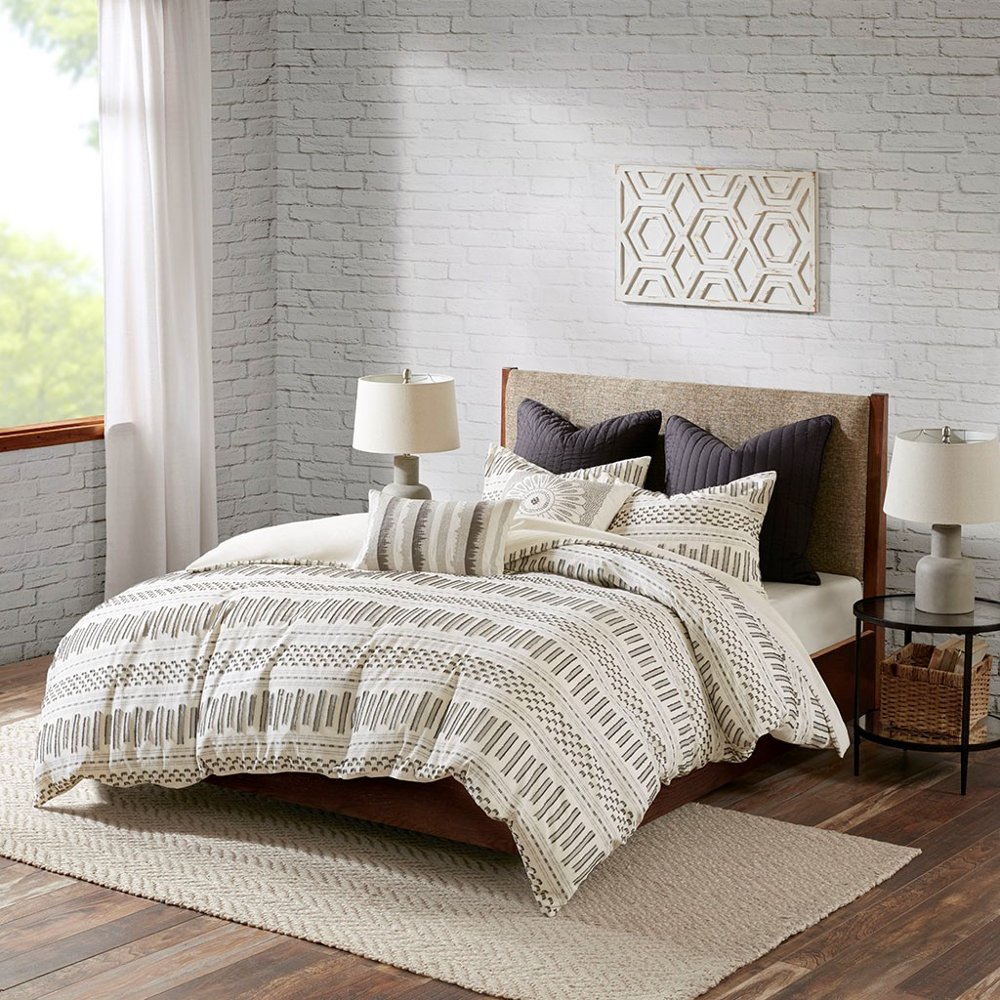
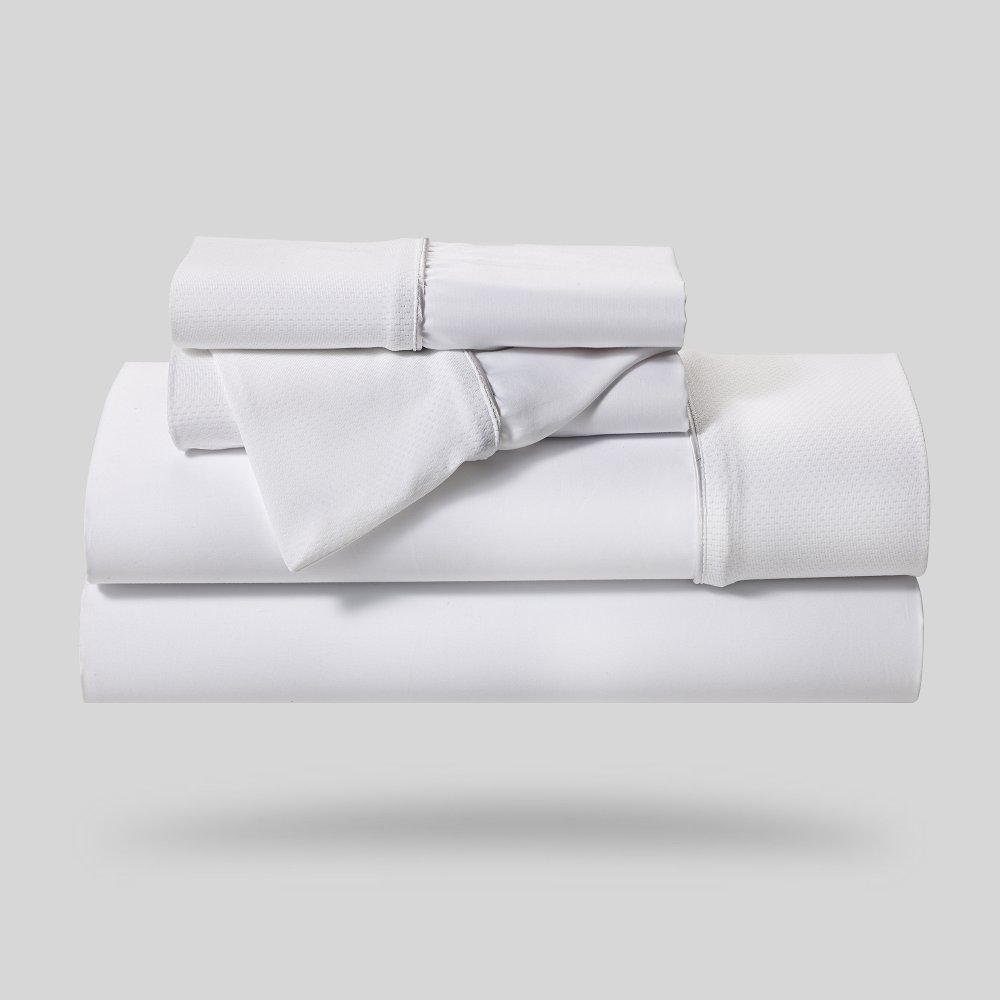
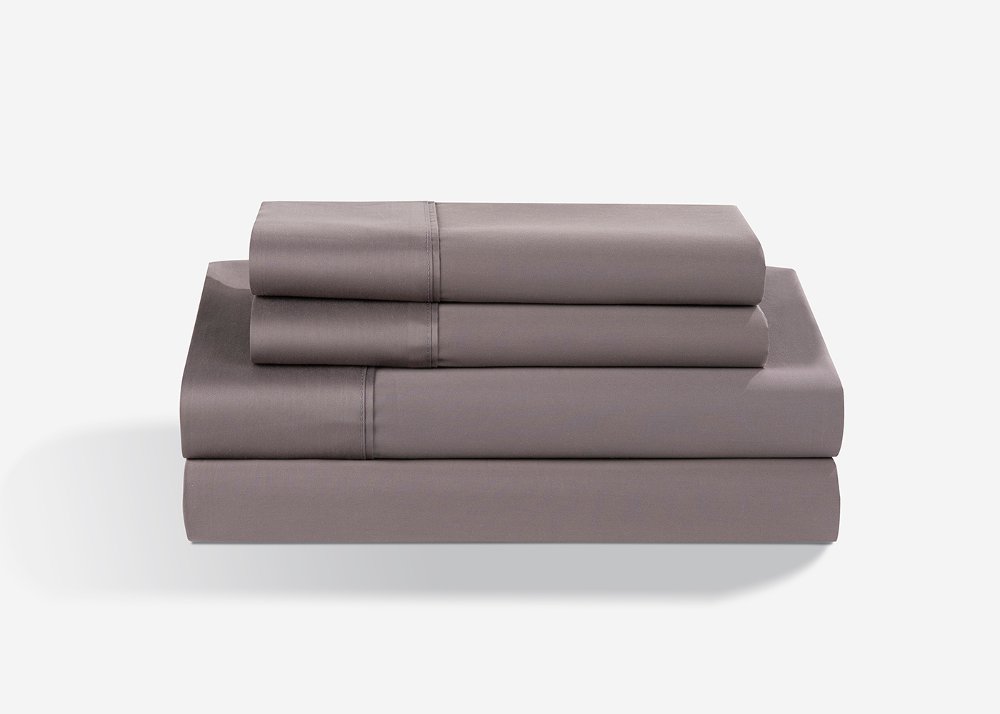
Queen comforter sets combine a filled bed covering with coordinating bedding pieces, giving a queen-size bed a finished look without having to match every layer separately. A common three-piece set includes one comforter and two pillow shams, while larger sets may add decorative pillows, a bed skirt, sheets, or pillowcases. The piece count alone doesn’t tell the whole story, so the contents matter as much as the pattern. Shams typically serve as decorative pillow covers rather than replacements for the pillowcases used for sleeping, and sheets aren’t included unless the set description says so. This makes a comforter set a practical choice for a primary bedroom, a guest room, or a teenager’s move to a larger bed. Fit starts with the mattress: a standard queen mattress measures 60 inches wide by 80 inches long, but queen comforters don’t all share the same dimensions. A full/queen label indicates that the bedding is intended to work across both mattress sizes, which can mean a shorter drop along the sides of a queen bed. A thick mattress, pillow-top surface, or mattress topper also uses up more of that drop. For a balanced look, compare the comforter’s listed width and length with the mattress and the amount of coverage you want along the sides and foot. A bed with upholstered rails may look best with some of its frame visible, while a taller mattress may call for a generously sized comforter to cover the sheets beneath it. The bedding should also work with how the bed gets used. A guest bed that stays neatly arranged has different demands from a primary bed shared with a partner or a pet. Enough coverage, comfortable weight, and manageable pieces make the difference between bedding that only looks inviting and bedding that feels easy to live with.
Fabric and fill shape the feel of queen comforter sets just as much as color shapes their appearance. Cotton shells offer a familiar, breathable surface, with the weave influencing whether the fabric feels crisp, smooth, or softly textured. Polyester microfiber often has a soft, close-knit feel and tends to resist wrinkles, though its texture and airflow vary by construction. Cotton-polyester blends can balance the feel of natural fibers with practical wrinkle resistance. Linen blends bring a more relaxed texture, while velvet, jacquard, and tufted fabrics add dimension that’s noticeable even in a single-color room. Inside the shell, polyester fill is common and comes in different weights and levels of loft. Down and feather blends have a different feel and may require more particular care; anyone with sensitivities should check the actual fill and shell materials rather than relying on a general description. Down-alternative fill is usually synthetic, but that label doesn’t guarantee that every fabric or finish will suit every sleeper. Quilting, channels, or other stitched sections help keep filling distributed, while secure seams and neatly finished edges support everyday durability. For a frequently used bed, those construction details deserve attention alongside softness. Smooth fabrics may also be simpler to maintain around pets than loosely woven surfaces or raised details that claws can catch. In the room itself, a solid comforter lets a wood headboard, patterned rug, or favorite artwork stand out. A small-scale print adds interest without dominating the space, while broad stripes, florals, or geometric designs can become the bed’s main visual feature. Reversible designs offer another way to change the look without storing a second comforter. Coordinating shams help pull everything together, but the bedroom doesn’t need an exact match at every turn. A cream comforter against a dark headboard or a muted blue pattern beside natural wood can look thoughtfully finished with just a few supporting accents.
Care requirements are especially important for bedding that gets used every night. Some queen comforter sets are machine washable, while others call for professional cleaning, spot cleaning, or different care methods for individual pieces. Decorative pillows may have separate instructions from the comforter and shams, so a washable main piece doesn’t necessarily make the entire set machine washable. The comforter also needs enough room to move freely during washing and drying; forcing a bulky piece into a small drum can limit cleaning and put stress on the fabric and seams. A larger-capacity machine may be necessary even when the care label permits home laundering. Follow the recommended settings, and make sure the filling dries completely before the comforter goes back on the bed or into storage. Regularly straightening the bedding and gently redistributing the fill can help preserve an even appearance between cleanings. Washable sheets beneath the comforter provide a comfortable sleeping surface and help reduce direct contact with the outer bedding. For a household with children or pets, straightforward care and sturdy fabric may be more useful than delicate trim. In a guest room, a coordinated set can make the bed feel welcoming while keeping the arrangement simple enough to remake between visits. Queen comforter sets can also make thoughtful wedding, housewarming, or first-home gifts when the recipient’s bed size, preferred colors, and laundry setup are known. A flexible solid or understated pattern leaves room for personal touches later. For a different style of coverage, queen bedspread sets offer another bedding option to consider, particularly when a longer drape is part of the desired look; dimensions still matter with either type. Whether the goal is a neatly coordinated guest bed or a softer, more personal primary bedroom, the most useful set brings together the right fit, a pleasing feel, dependable construction, and care that suits everyday life.
Read More