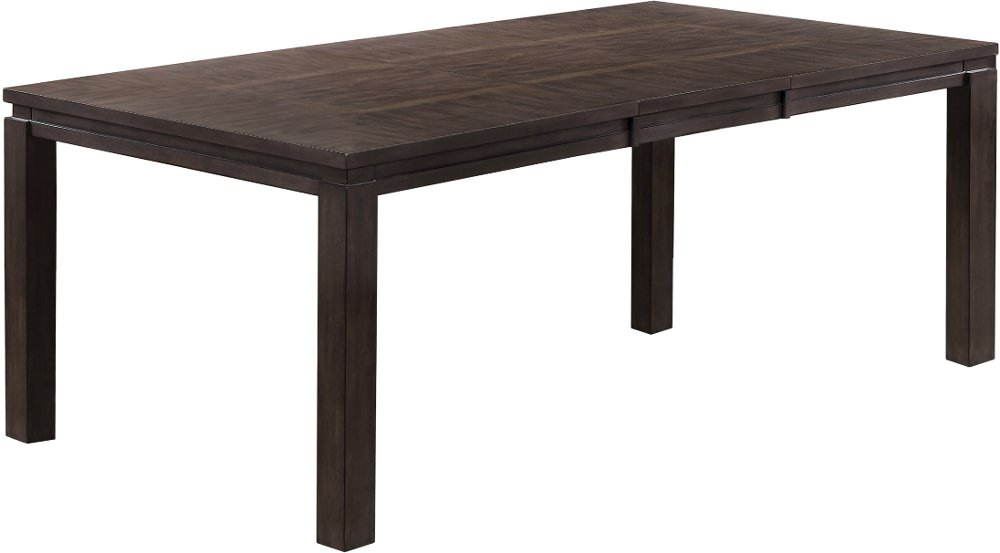
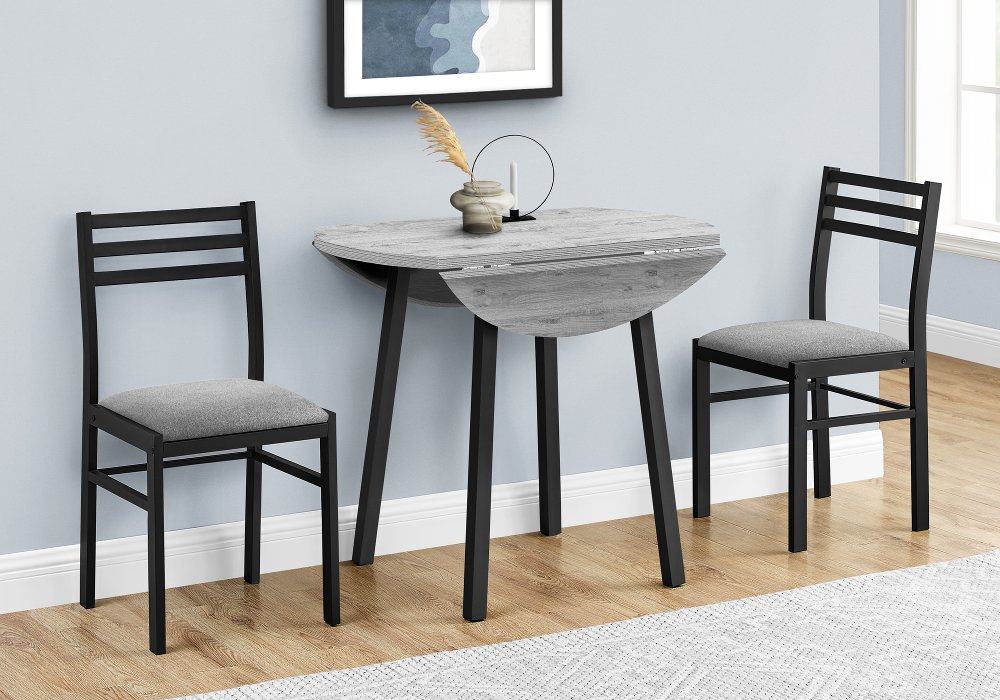
An expandable kitchen table gives you a comfortable place for everyday meals without asking you to give up extra floor space all day, every day. Also called an extendable kitchen table, it has a top that grows when you raise hinged sections, add an insert, or open a built-in extension. Keep it compact for coffee and toast, then make room for serving dishes and extra place settings when friends come over. That flexibility works especially well in apartment kitchens, breakfast nooks, and open living areas where the same few feet might serve as a walkway, homework spot, and dinner space. The extension mechanism makes a real difference in how you’ll use the table. A butterfly-leaf table typically has a hinged leaf that folds and stores beneath the tabletop; opening the table lets you unfold the leaf into place. A drop-leaf kitchen table has hinged sections along its sides that hang down when you don’t need them and lift onto supports when you do. This design can be particularly useful for one or two people who occasionally need a larger surface. Tables with removable extension leaves usually separate to accept one or more panels, making them a practical choice when you want a distinct everyday size and a larger gathering size. Some designs store those panels within the table, while others require separate storage. Telescoping or modular tables use sliding components and multiple extensions to offer a wider range of lengths, though the setup and storage arrangements vary. Consider how often you’ll make that change. A leaf you can access easily is convenient for a household that adds seats several evenings a week; separate panels may suit occasional hosting just as well. During the cooler months, when more meals and get-togethers move indoors, that extra surface can hold a pot of soup, a basket of bread, and another place setting without leaving you with an oversized table between gatherings.
Before choosing an expandable kitchen table, measure both the space you have and the space you’ll need when it’s fully open. Product dimensions should distinguish the closed and extended lengths, and tables with multiple leaves may offer useful sizes in between. Marking those outlines on the floor with painter’s tape makes the difference easier to picture. Include the chairs in that exercise: a table can fit neatly into a nook while leaving too little room for someone to slide out after dinner. About 36 inches between the table edge and a wall or nearby furniture is a common starting point for chair movement, while roughly 42 to 48 inches can be more comfortable along a frequently used walkway. Your layout may need additional clearance, especially where people pass behind occupied chairs or need mobility access. Check nearby cabinet doors, appliance doors, and the route through the kitchen, too. For seating, allow approximately 24 inches of table edge per person as a starting point, then account for wider chairs, armrests, and the placement of the table’s legs. Listed seating capacity is helpful, but chair dimensions and base design determine how comfortably everyone actually fits. A pedestal base can make it easier to arrange chairs without corner legs in the way, although a broad pedestal foot may affect where guests put their feet. Four-leg and trestle designs have their own considerations, including whether legs move outward with the extension and whether supports interfere with seats near the ends. Shape matters as much as length. A round table that expands into an oval can preserve a softer outline in a small eating area, while a rectangular extension table often works well in a longer room. Check the height beneath the apron—the frame under the tabletop—if you plan to reuse chairs with arms. A favorite chair should tuck in comfortably, not become an obstacle you work around every morning.
Materials, finish, and everyday handling help determine whether an extendable kitchen table feels like a good fit long after delivery. Solid wood offers natural grain and character, but it responds to changes in humidity and needs care suited to its finish. Wood veneer brings a real-wood surface to a constructed core; its durability depends on the quality of the construction and protective finish, not simply the label. Laminate surfaces can offer straightforward cleanup for busy households, although resistance to heat, stains, and scratches varies by product. Whatever material you prefer, use the manufacturer’s care instructions rather than assuming the tabletop can handle hot cookware or standing water. Placemats, coasters, and prompt spill cleanup help protect the surface where cereal bowls, school projects, and shared meals all land. Look closely at the extension hardware as well. Smooth movement, properly supported leaves, and secure alignment matter more than a mechanism that only looks clever in a photograph. Confirm whether one person can operate it and whether any locks or supports need to be engaged before use. If leaves store separately, plan a protected spot that follows the maker’s storage recommendations, rather than discovering on delivery day that a panel won’t fit your closet. For style, consider how the table relates to nearby cabinetry, flooring, and chairs. Matching every wood tone isn’t necessary; a shared undertone or a repeated finish can help the room feel connected. Simple silhouettes can keep a smaller kitchen feeling open, and Contemporary Expandable Dining Tables offer another direction to explore if you prefer clean lines in a shared kitchen and dining area. Compare prices alongside construction, extension capacity, included leaves, and whether chairs are sold separately. Couples furnishing a first home, families juggling meals and homework, and downsizers who still love hosting can all benefit from a table that adapts. The best fit is the one that feels comfortable on an ordinary evening and makes welcoming a few more people feel easy.
Read More