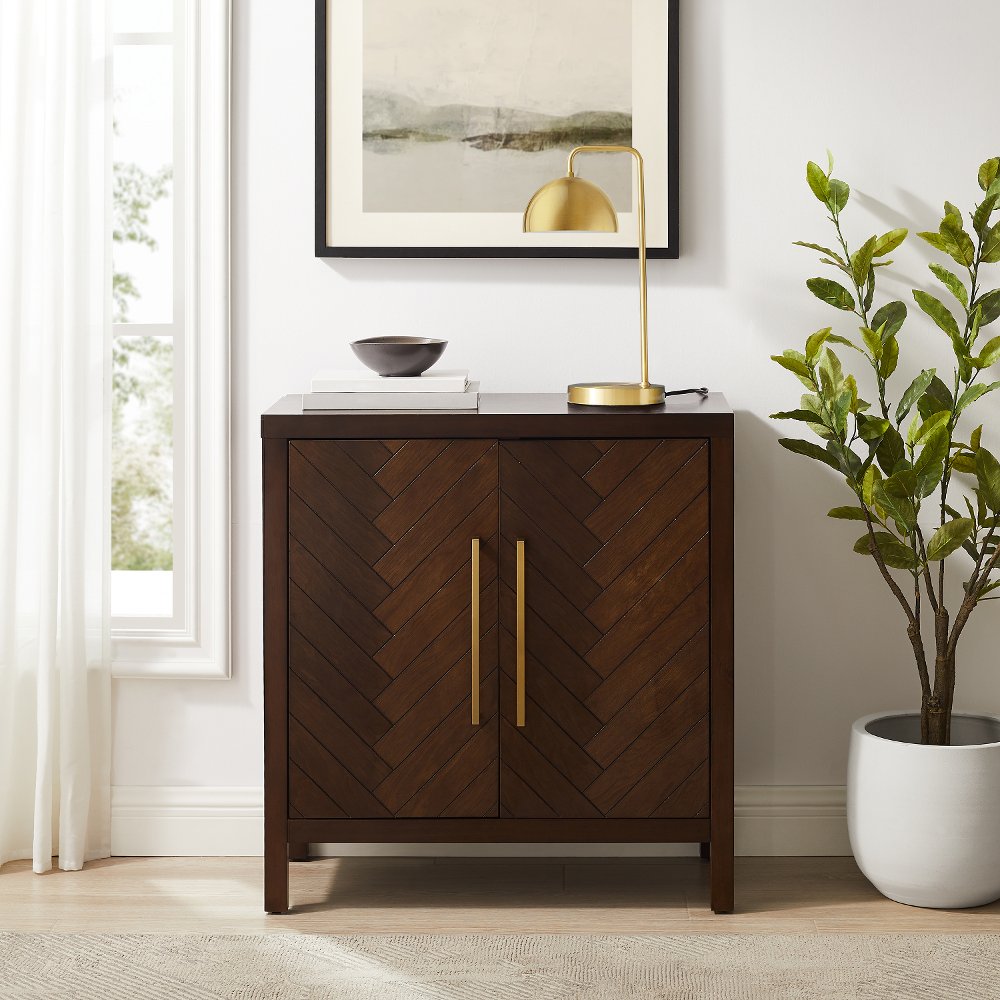
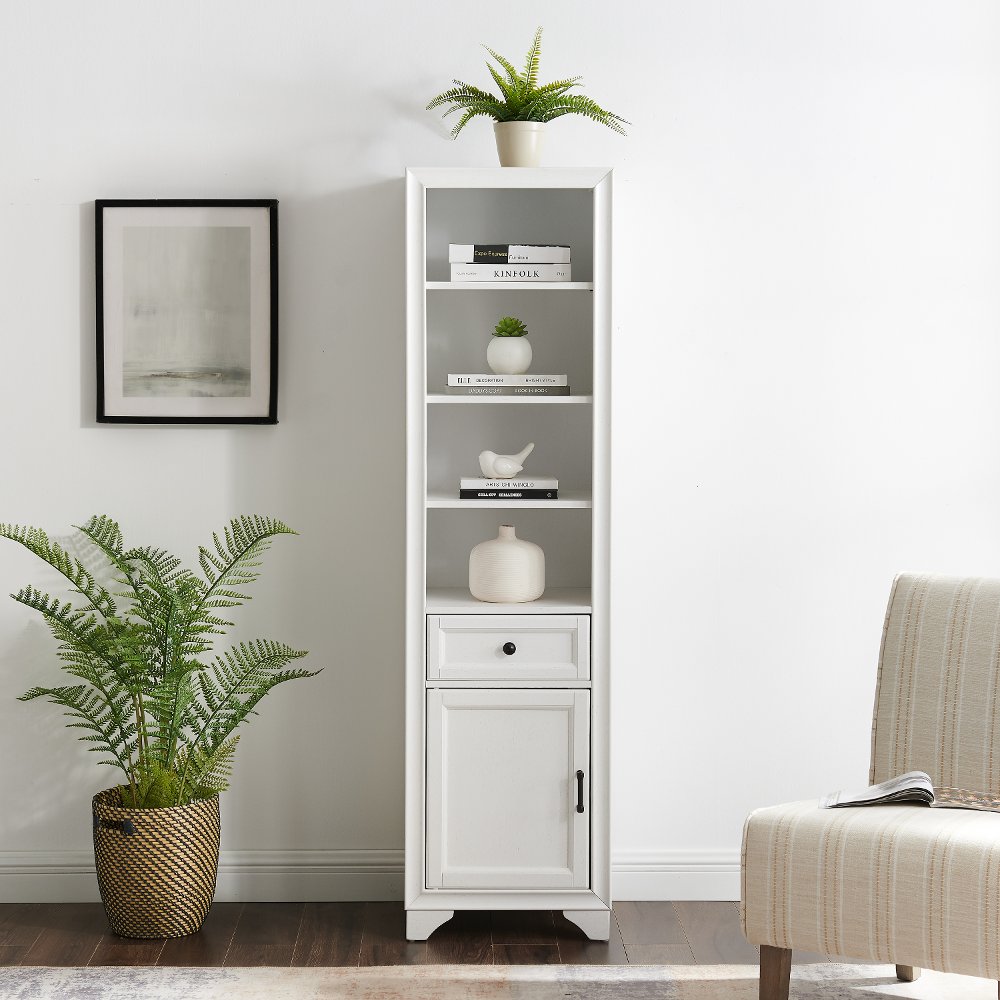
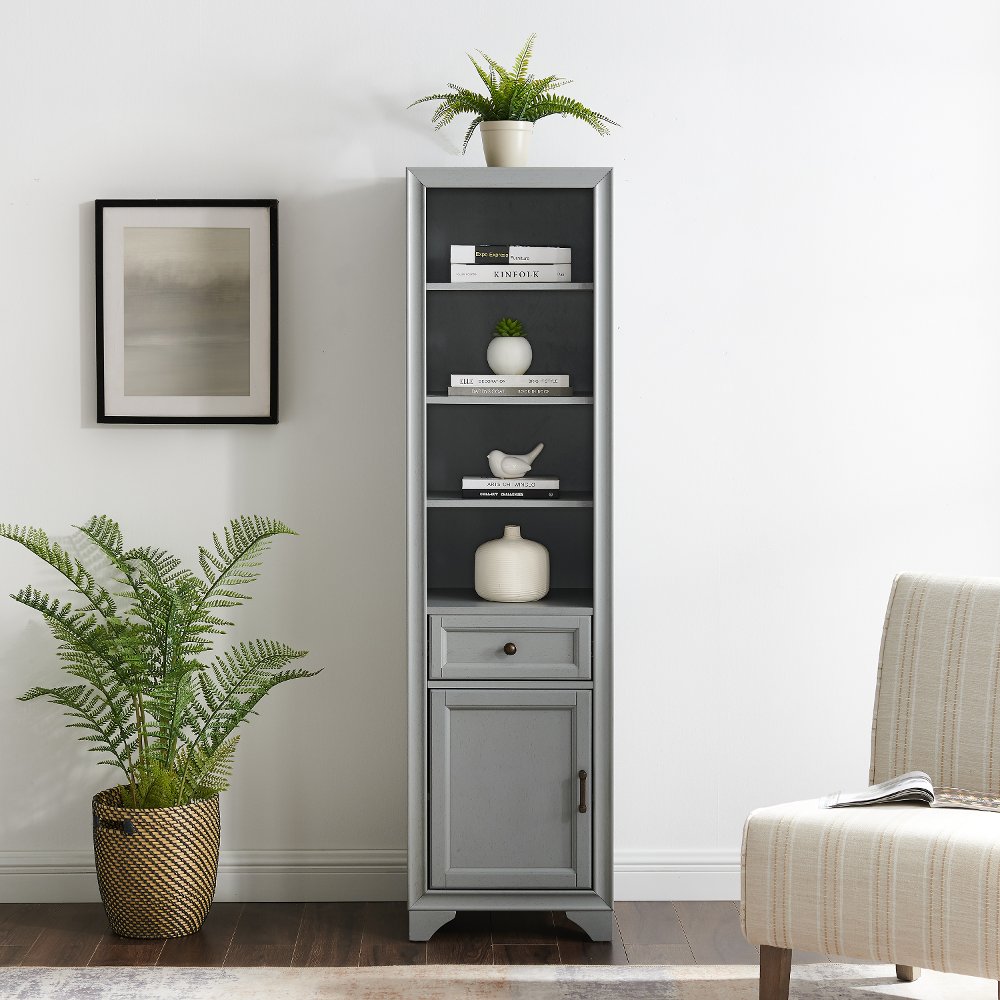
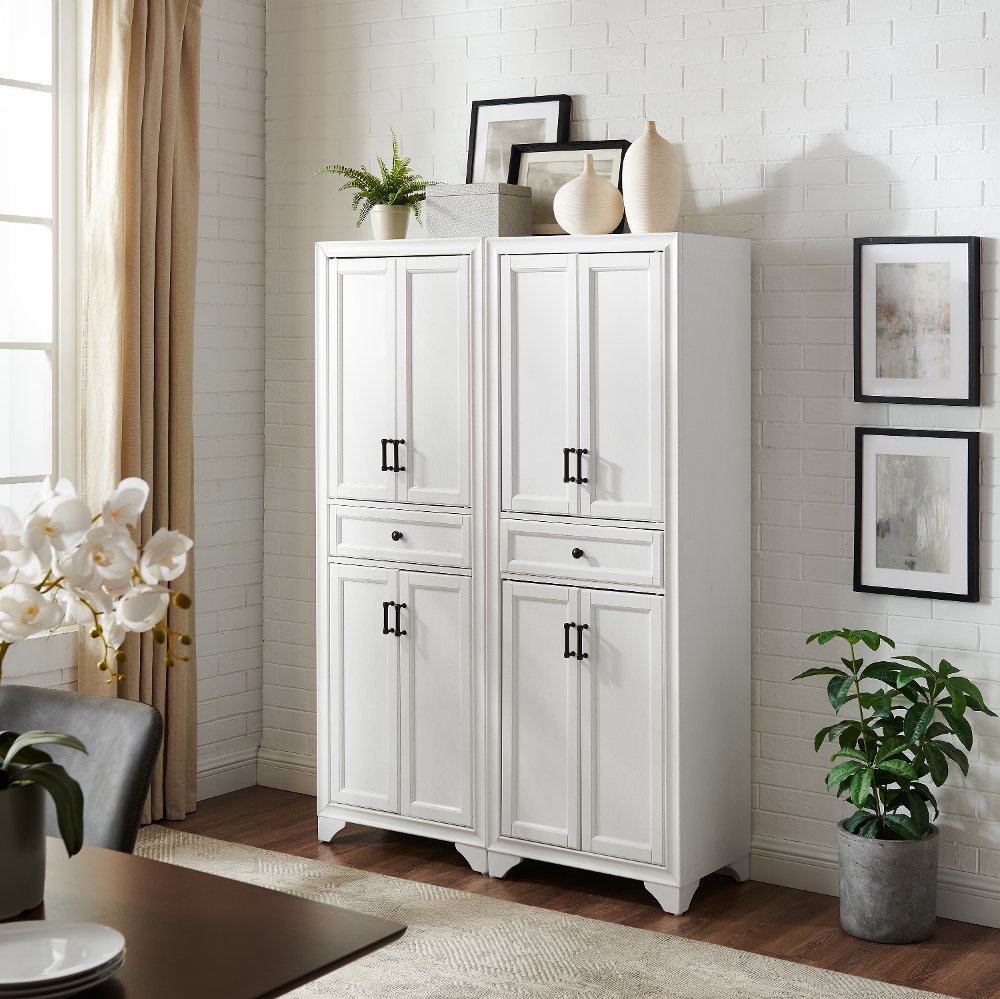
Extra storage cabinets make it easier to give everyday belongings a home while keeping your rooms comfortable, useful, and ready for whatever the day brings. A tall cabinet can turn an overlooked hallway wall into practical linen storage, while a low credenza or sideboard can keep serving pieces, board games, paperwork, or living room essentials close at hand without leaving them in plain sight. In a kitchen, pantry or utility cabinet creates room for small appliances, food staples, cookware, and cleaning supplies. In a laundry area, it can hold detergent, extra towels, and household items that tend to collect on open shelves. A cabinet in the entryway can help corral shoes, bags, umbrellas, and seasonal accessories before they spread across the floor. During the cooler months, that kind of organization feels especially welcome when coats, blankets, boots, and indoor activities begin taking up more space. For rooms that need flexible capacity, browse Large Storage Cabinets With Shelves to find storage that fits your routine as well as your available space. Freestanding cabinets work well when you want to place storage where it helps most, and modular designs can make it easier to build a solution around changing needs. Closed doors create a calmer appearance by concealing clutter, while open shelving keeps frequently used items visible and within easy reach. Some cabinets combine both approaches, giving you a spot for attractive baskets or books and a private place for less polished necessities.
When comparing extra storage cabinets, start with the space they will occupy and the things they need to hold. Measure the available width, depth, and height, then account for door swing, baseboards, nearby furniture, and the path used to carry the cabinet into the room. A tall unit may offer generous capacity without taking much floor space, but it should have enough clearance for doors and shelves to open comfortably. Adjustable shelving is particularly useful because it lets you create taller compartments for vases, small appliances, folded blankets, bins, or bottles instead of forcing everything into one fixed arrangement. Look for shelf construction that suits the intended load, especially when storing dishes, tools, paper goods, or heavier equipment. A low-profile cabinet may be the better fit beneath a window or along the back of a sofa, while a deeper utility cabinet can handle bulkier supplies in a garage, mudroom, or work area. Material and finish also play a role in how naturally the piece fits your home. Wood-look surfaces can bring warmth to a dining room or hallway, painted finishes can brighten a utility area, and metal storage cabinets offer a practical choice for garages, workshops, and hardworking spaces. If you plan to store electronics, chargers, or power tools, cord access ports can help keep cables organized while allowing devices to charge inside. Leveling feet are helpful on uneven floors, where a small adjustment can keep doors aligned and the cabinet steady. For tall furniture, use the included wall-anchor hardware as directed. Securing the cabinet to the wall helps prevent accidental tip-overs and adds peace of mind in homes with children, pets, or busy walkways.
Extra storage cabinets can support many different households and make thoughtful gifts for someone settling into a new home, preparing a nursery, organizing a first apartment, or refreshing a home office. They are also useful for anyone whose belongings have outgrown a single closet but who does not want to undertake a major renovation. A new homeowner might use one for pantry overflow while learning the rhythms of a new kitchen. A student or renter could store linens, books, and hobby supplies in a compact cabinet that travels more easily than built-in storage. Someone working from home may use a cabinet to tuck away files, printer paper, and office equipment at the end of the day, making it easier to shift from work mode to personal time. In a family room, a cabinet can hide craft materials, game controllers, and puzzles so the room can quickly return to a restful space after everyone has finished playing. In a garage, sturdy shelves can separate automotive supplies, gardening tools, paint, and seasonal equipment, helping you find what you need before a small project turns into a full search. Think about the habits you want the cabinet to support: everyday items should stay at a comfortable reach, while occasional-use belongings can go higher or farther back. Add labeled bins for small pieces, leave a little breathing room on each shelf, and avoid overloading doors or shelves beyond their recommended capacity. With the right size, layout, and placement, an extra storage cabinet does more than hold belongings. It gives busy rooms a clearer rhythm, makes useful things easier to find, and helps your home feel ready for ordinary mornings, visiting guests, and the changing needs of the season.
Read More