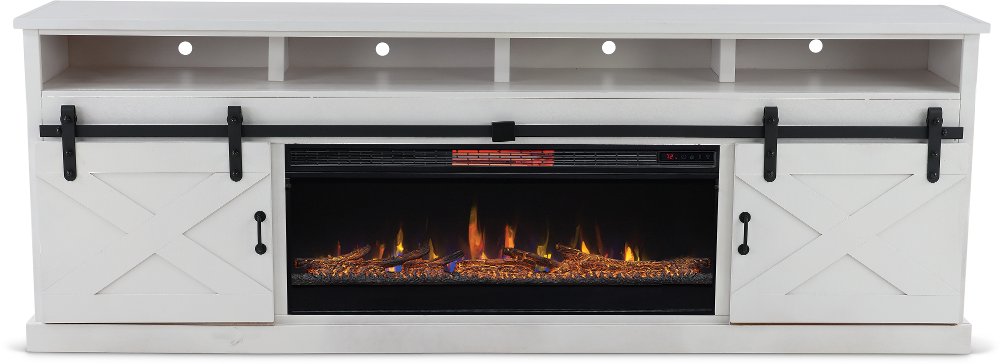
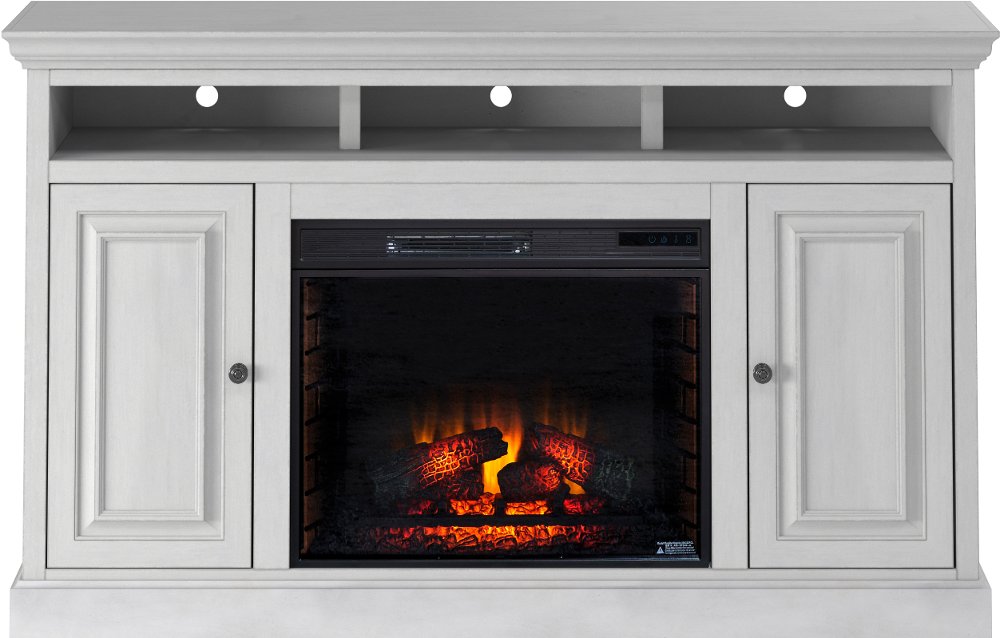
Faux fire logs bring the familiar texture of stacked wood to a fireplace setting without making real firewood part of your everyday routine. Bark-like ridges, split ends, knot details, and carefully shaded surfaces help create a convincing focal point, whether your room leans toward a traditional hearth or a clean-lined entertainment space. The term covers several different kinds of products, though, and their intended uses matter as much as their appearance. Some artificial fireplace logs are purely decorative, designed to fill an unused firebox or complete a hearth display. Others belong to an electric fireplace system, where lighting effects create the impression of glowing embers and flickering flames. Gas fireplace logs are another category, made specifically for use with approved gas burners and installed according to the appliance’s requirements. These categories aren’t interchangeable: a decorative log should never go into a working fireplace unless its manufacturer explicitly approves that use, and a replacement log set needs to match the appliance it’s made for. Once that distinction is clear, choosing the look becomes much easier. Deep brown finishes and rugged bark can give a stone surround a substantial, rustic feel, while pale, birch-inspired surfaces offer a lighter contrast against a dark firebox. Charred-looking edges and ember details add visual depth, especially when viewed from a nearby sofa or dining area. Pay attention to the ends of the logs as well as their outer surfaces; believable grain and irregular contours can make the arrangement feel less molded and more natural. For a compact sitting room, a modest grouping may look more convincing than a tightly packed firebox. In a broad hearth opening, a fuller arrangement can help the fireplace feel proportional to the surrounding wall. The goal is a comfortable focal point that belongs in your home, not a display that competes with everything around it. Looking at the hearth from your usual seat, rather than only standing directly in front of it, helps you judge which shapes and details will make the biggest difference.
Materials and fit determine how well faux fire logs suit that setting over time. Decorative versions may use resin or other molded materials to capture fine bark textures, but a realistic finish doesn’t mean the material can tolerate flame or heat. Logs intended for gas appliances often use refractory ceramic or ceramic fiber formulations engineered for their designated application. Even within that category, vented and vent-free systems have different requirements, and a log set approved for one configuration isn’t automatically suitable for another. Electric fireplace log assemblies may combine molded log shapes with lights, reflective components, or an ember bed, so compatibility can involve electrical connections and controls as well as physical dimensions. Before choosing a replacement, check the fireplace’s model information and the manufacturer’s approved parts rather than relying on a close visual match. For decorative arrangements, measure the opening’s width, height, and depth, taking into account the grate, screen, doors, and any raised edges inside the firebox. A log that fits across the opening may still extend too far forward once it rests on a grate. Leaving appropriate space around the arrangement also keeps the display from looking crowded, although any required operating clearances must come from the appliance instructions. Think about scale beyond the opening itself: thick logs can complement a heavy mantel, while slimmer pieces may feel more balanced beneath a simple surround. If a flame effect is part of the look you want, Realistic Flame Fireplaces offers a related direction to explore when considering the fireplace as a whole rather than just its log details. Look at how the logs, ember bed, and flame presentation work together, since each contributes to what you’ll see from across the room. For gas systems, have a qualified professional confirm the fuel type, burner compatibility, venting, and installation requirements. Log placement in these systems is functional, not just decorative; changing the prescribed arrangement can interfere with combustion and create a safety hazard.
Everyday care is another useful way to compare faux fire logs, particularly if you want a hearth that stays attractive without a complicated cleaning routine. Raised bark textures and recessed grain can collect dust, while pale finishes may show handling marks more readily than darker surfaces. Follow the manufacturer’s cleaning instructions, and let any operating appliance shut down and cool completely before approaching its log assembly. Some decorative surfaces tolerate a soft, dry cloth or gentle brush, but water, cleaning sprays, and abrasive pads can damage finishes or materials that weren’t designed for them. Gas logs may be fragile despite their stone-like appearance, and electric assemblies can contain wiring or lighting components that need to stay dry. Avoid lifting an entire arrangement by one projecting branch or narrow end; those details can be more vulnerable to breakage than the main body. When cleaning requires moving gas logs, follow the appliance’s servicing instructions and use a qualified technician when needed to preserve the correct placement. Durability depends on using the right material in the right setting, handling it carefully, and keeping it within the conditions the manufacturer specifies. A decorative set placed in an inactive hearth has different demands than a log assembly used regularly in an operating fireplace. Homes with children or pets also benefit from thoughtful placement: loose decorative pieces should sit securely, and artificial logs don’t remove the need for appropriate barriers around a working appliance. For someone furnishing a first home, updating a living room, or refreshing a fireplace that no longer burns wood, faux logs can provide a finished look without requiring a full change in decorating style. They can also make a thoughtful housewarming gift when the recipient wants a decorative hearth display and the measurements and intended use are already known. Appliance-specific replacements are better chosen with the owner’s exact fireplace information in hand. Whether your priority is intricate bark detail, a balanced arrangement, or compatibility with an existing fireplace, a well-chosen set helps the hearth feel considered, inviting, and connected to the rest of your room.
Read More