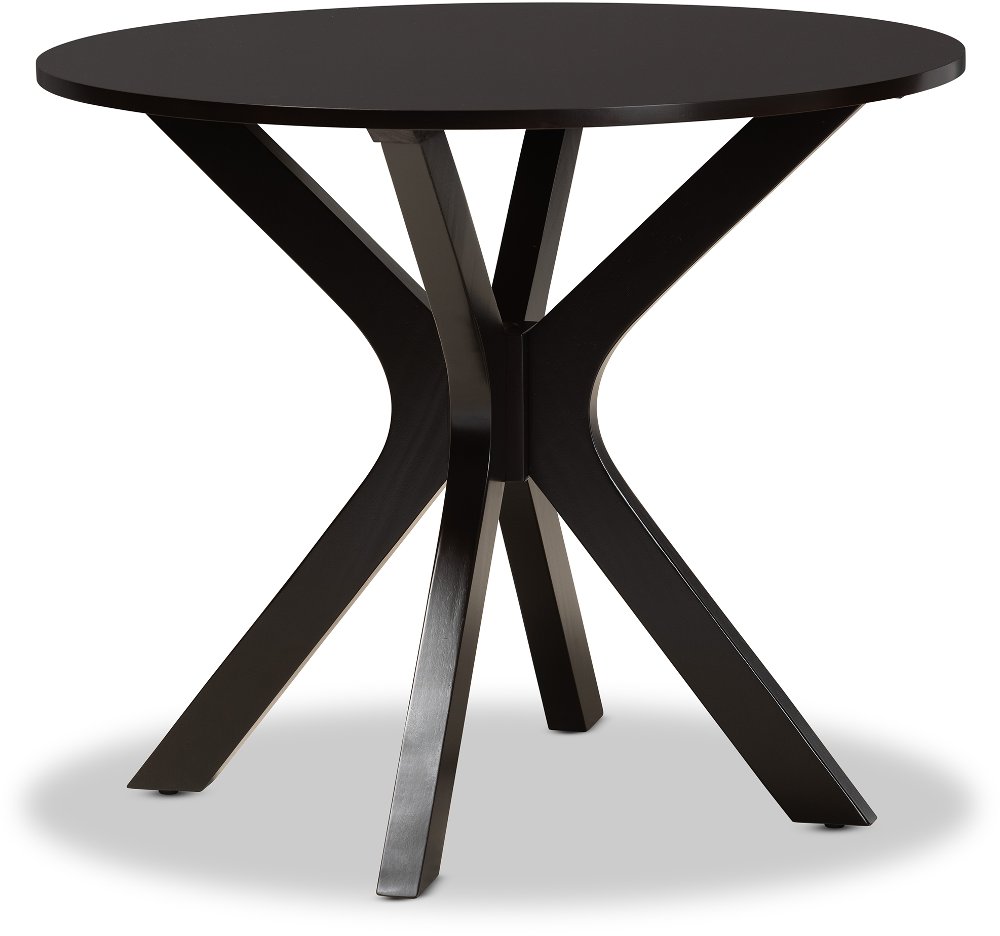
Formal round dining tables give a dining room a natural gathering point, with a shape that keeps everyone facing the conversation. There’s no far end of the table, so a dinner for four can feel just as connected as a larger celebration. The curved edge also softens a room filled with straight lines, from a sideboard and framed artwork to paneled walls and rectangular windows. Formal styling can take several directions: a rich wood finish with a carved pedestal feels traditional, while a smooth stone top on a sculptural base brings a more contemporary presence. In either case, the table’s proportions, materials, and details create the dressed-up look—not simply an elaborate centerpiece. A round table works especially well in a square dining room or a defined dining area where its shape leaves balanced space on all sides. It can also anchor an open floor plan without introducing another long, straight boundary between living spaces. For households that enjoy seated dinners, it offers a setting where passing a serving bowl and catching up with guests feel easy and natural. Couples who entertain occasionally may prefer a smaller round table with substantial detailing, while frequent hosts may want a larger surface with room for full place settings and shared dishes. Formal doesn’t have to mean reserved for company, either. A thoughtfully chosen table can hold a quiet breakfast, an evening meal, and a carefully set anniversary dinner with equal ease. Picture upholstered chairs tucked around a warm wood tabletop, a low arrangement of flowers in the center, and enough room for everyone to settle in comfortably. That balance of polish and everyday welcome is what makes this style so appealing. The circular layout draws attention to the people gathered around it, while the table itself gives the room a sense of permanence and purpose.
Materials and construction influence both the appearance of a formal round dining table and how it fits into daily life. Solid wood brings natural grain variation and can develop character with use, though its surface still needs protection from moisture, heat, and scratches. Wood veneers create opportunities for decorative grain patterns, including radial designs that emphasize a round top. A veneer surface isn’t automatically less durable than solid wood; the quality of the underlying material, finish, edge treatment, and overall construction matters. Painted and opaque finishes offer a more uniform appearance, while transparent stains let the grain contribute to the table’s personality. Stone tops add visual weight and distinctive patterning, but care requirements vary by material. Marble, for example, can react to acidic spills such as lemon juice or wine, making prompt cleanup important even when the surface has been sealed. Glass has a lighter visual presence and keeps an ornate or architectural base in view, although fingerprints and smudges may require more frequent attention. The base deserves as much consideration as the top. A central pedestal often gives chairs more flexibility around the perimeter, but a wide pedestal foot can compete with guests’ feet. Tables with multiple legs may offer a different look and seating arrangement, so check where the supports fall in relation to each chair. A stable base, secure connections, and an even tabletop are important for everything from cutting a main course to setting down stemware. In a home where the dining table sees regular use, a finish with subtle grain or variation may make small marks less conspicuous than a highly reflective, uniform surface. Protect the finish with suitable placemats, coasters, and trivets, and follow the manufacturer’s care directions rather than assuming one cleaner works for every material. A soft cloth and prompt attention to spills help preserve the surface without making mealtime feel fussy. For wood tables, steady indoor humidity and thoughtful placement away from direct sunlight and heating vents can also help limit movement and uneven fading.
Getting the scale right makes a formal round dining table comfortable to use, not just attractive to look at. Measure the dining area with nearby furniture in place, including the sideboard that holds serving pieces or the cabinet with doors that need room to open. About 36 inches between the table edge and a wall or furniture is a useful starting point for pulling out chairs; closer to 42 to 48 inches is more comfortable where people need to walk behind seated guests. Those clearances matter in practice when someone carries a platter to the table or gets up without interrupting the rest of the meal. Seating capacity depends on the diameter, base design, and chair width, so treat seat counts as a starting point rather than a guarantee of comfort. A 48-inch round top often suits four diners, while a 60-inch top can often accommodate six, provided the chairs and place settings fit comfortably. Broad upholstered seats, curved chair backs, and armchairs need more room than slim side chairs. Allow roughly 24 inches of table edge per person as an initial planning measure, then consider elbow room and the space needed for chargers, glasses, and serving dishes. For chairs purchased separately, check both seat height and arm clearance beneath the tabletop or apron. If occasional larger dinners are part of your routine, an extension design can add flexibility, though many round tables become oval when expanded and need additional floor space. Shoppers who prefer a coordinated table-and-chair arrangement can also explore Formal Dining Room Table Sets for a cohesive approach to the room. Finish the setting with a rug large enough to keep chair legs supported when chairs pull out, and center the lighting over the table’s position rather than automatically over the room. Keep centerpieces low enough for clear sightlines across the surface. With the right proportions and practical details, a formal round dining table gives everyday meals a welcoming setting and special dinners the space and attention they deserve.
Read More