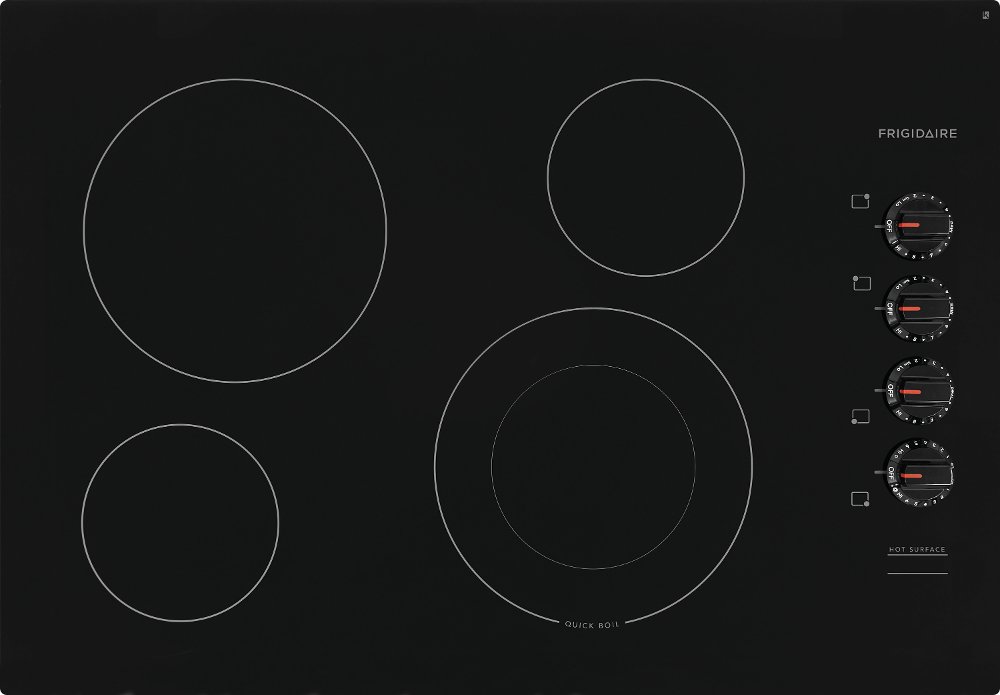
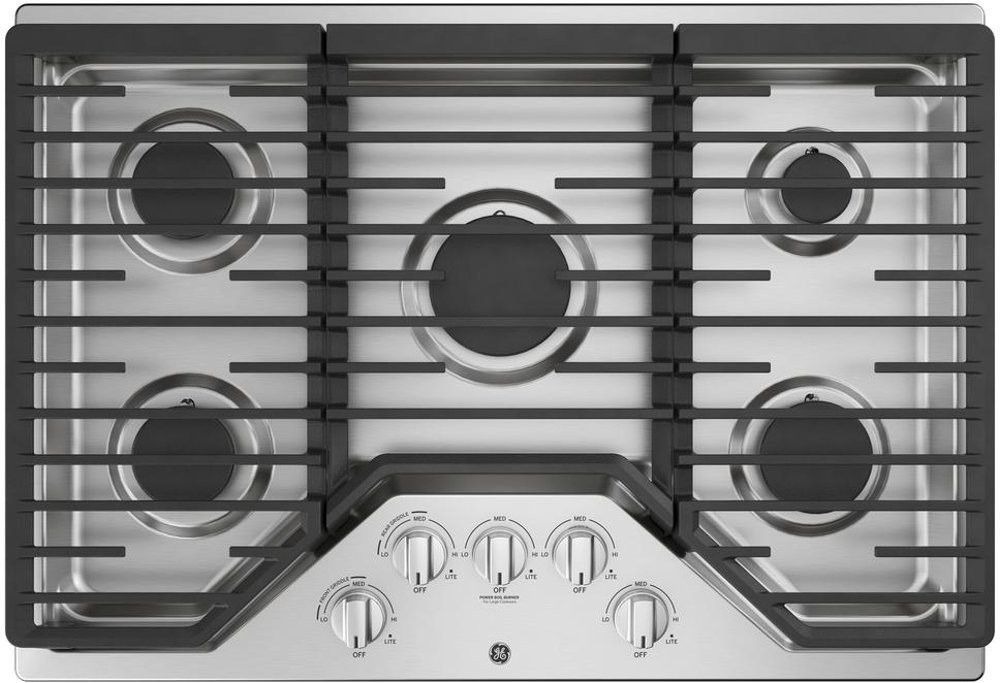
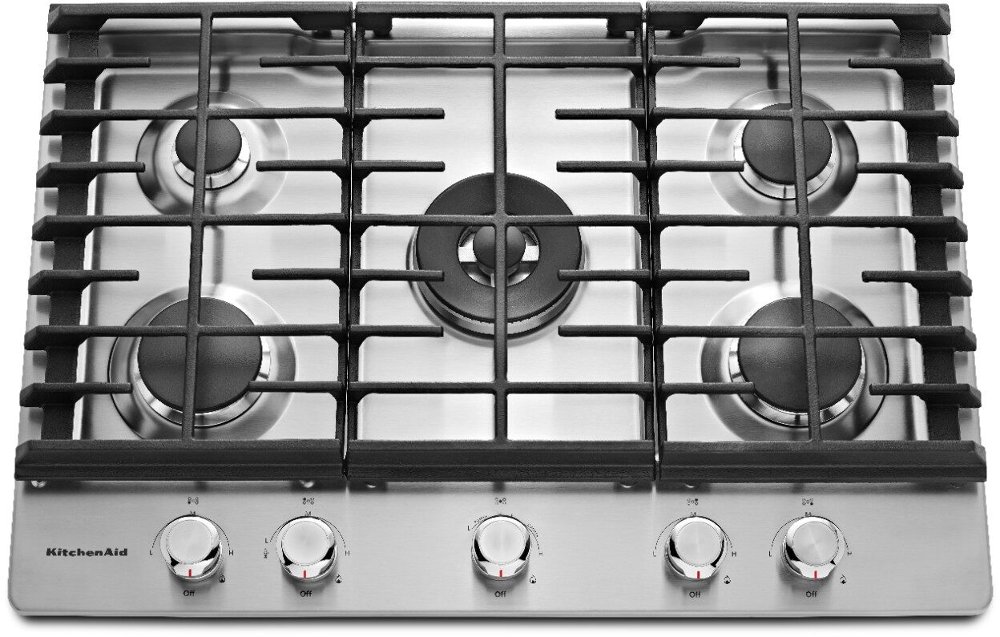
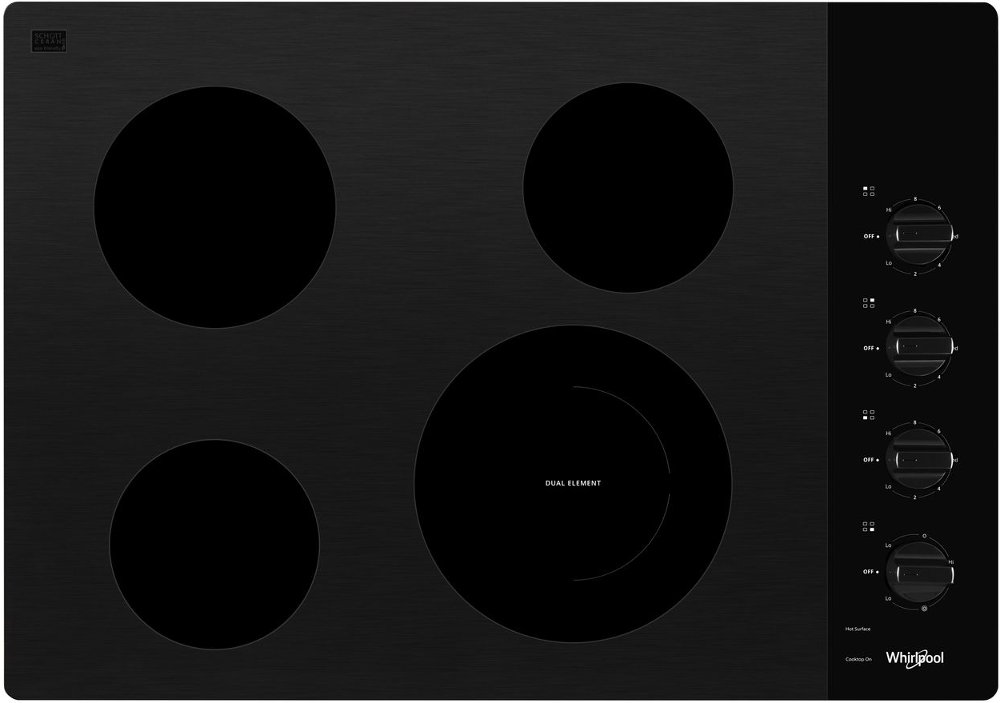
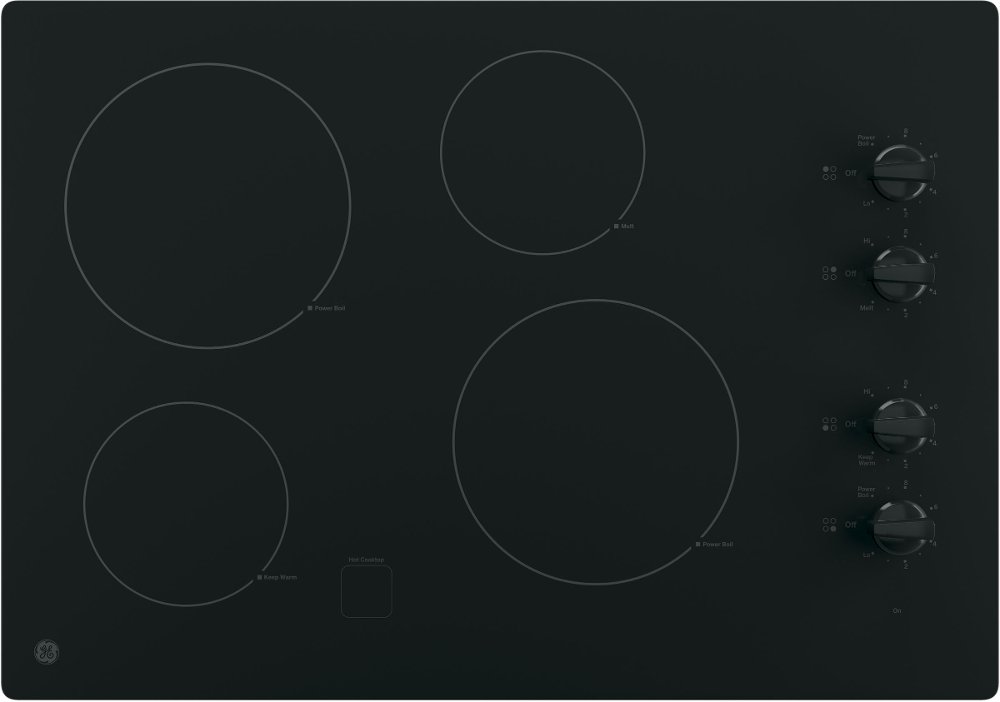
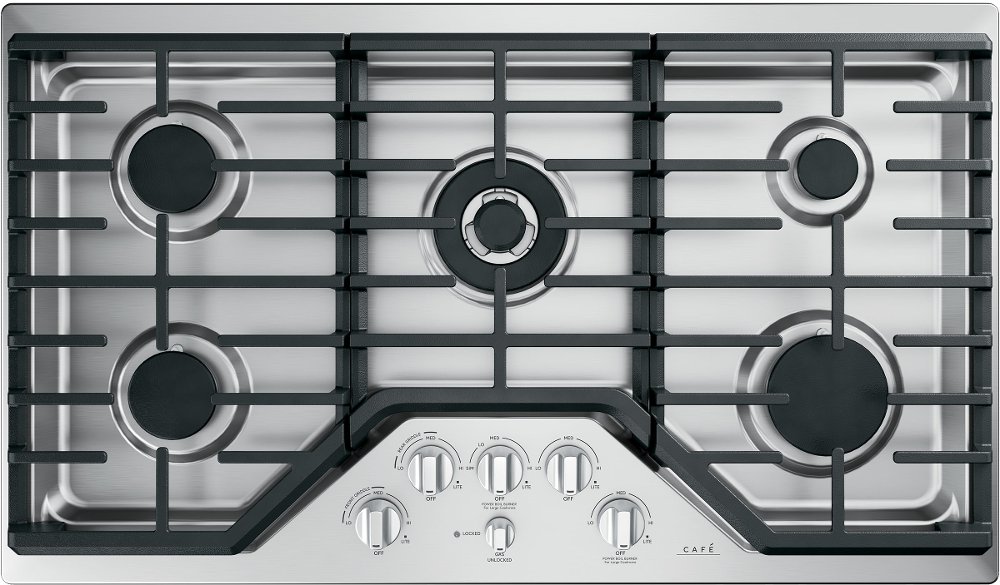
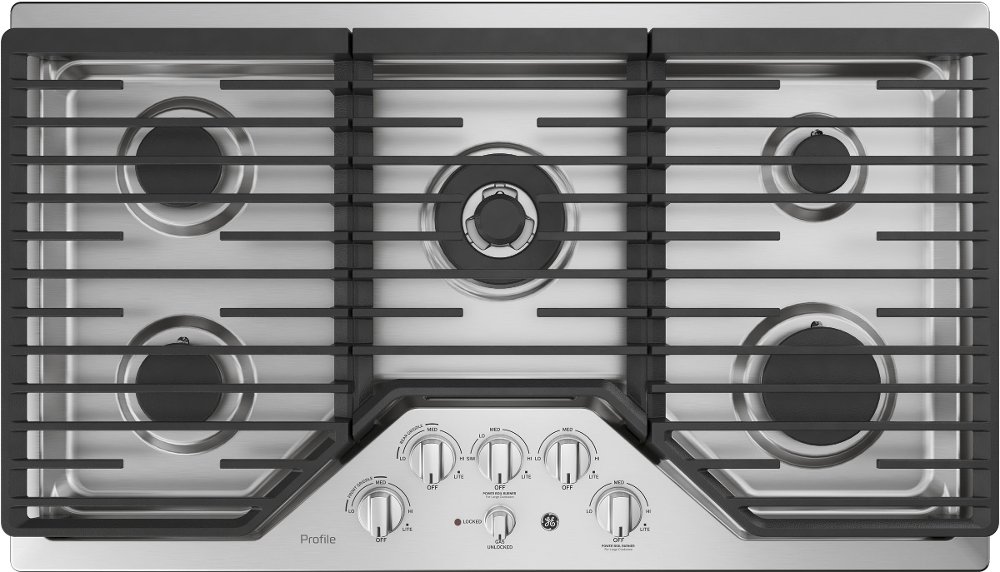
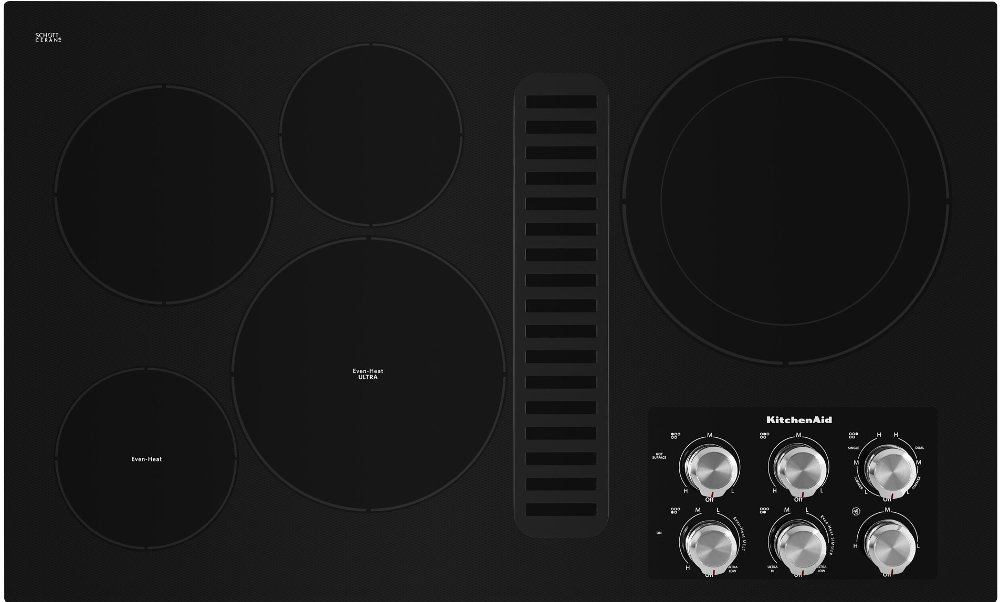
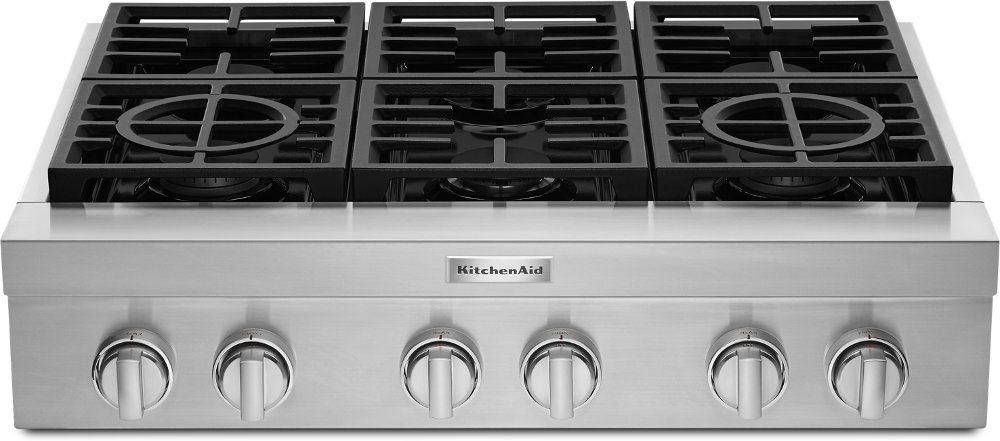
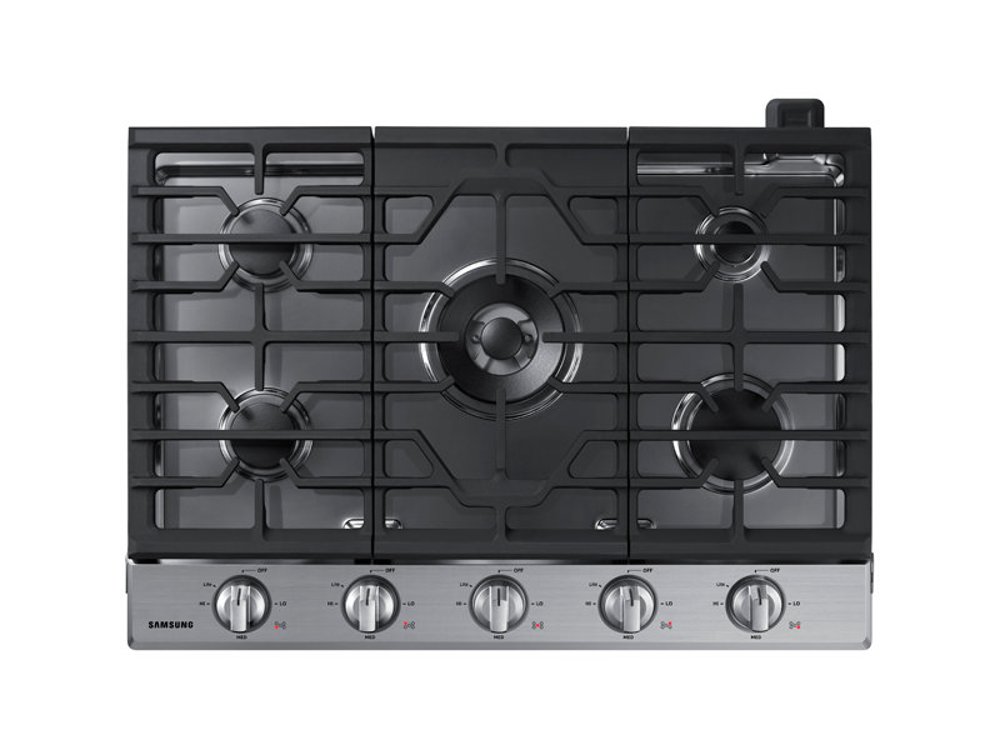
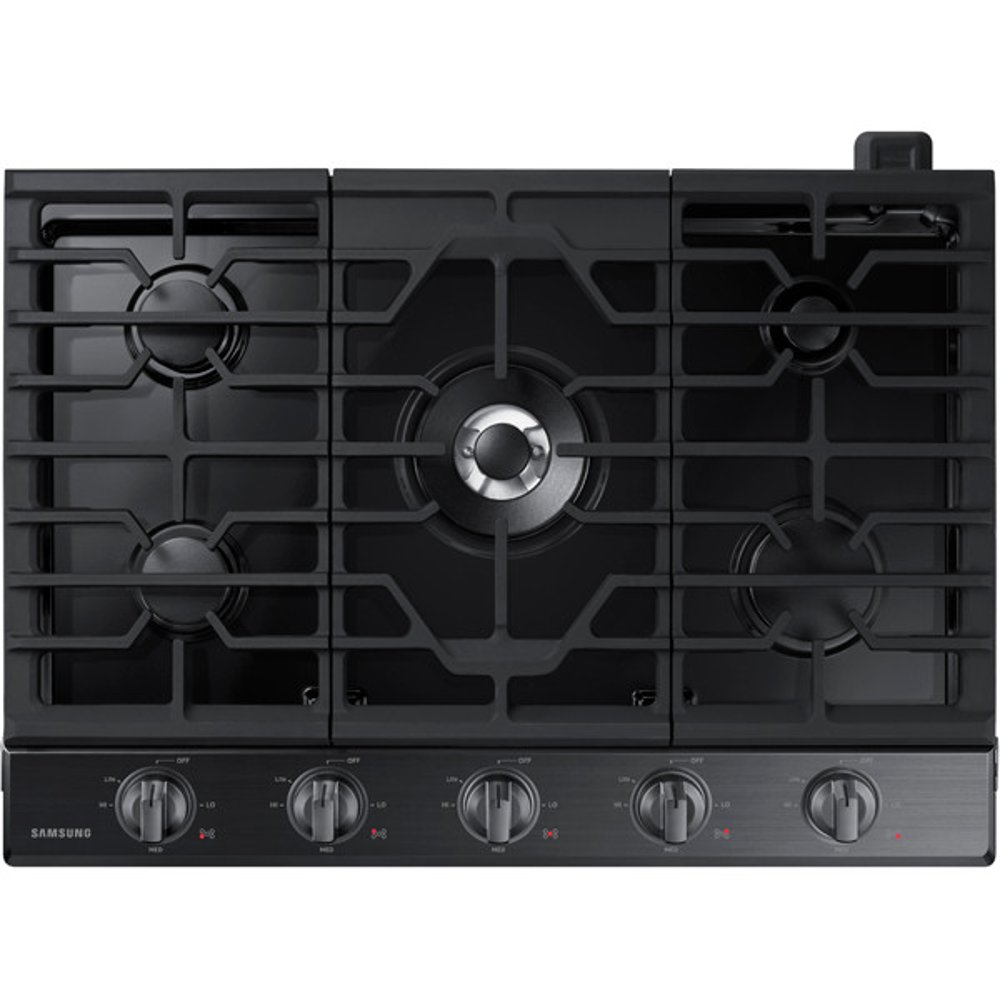
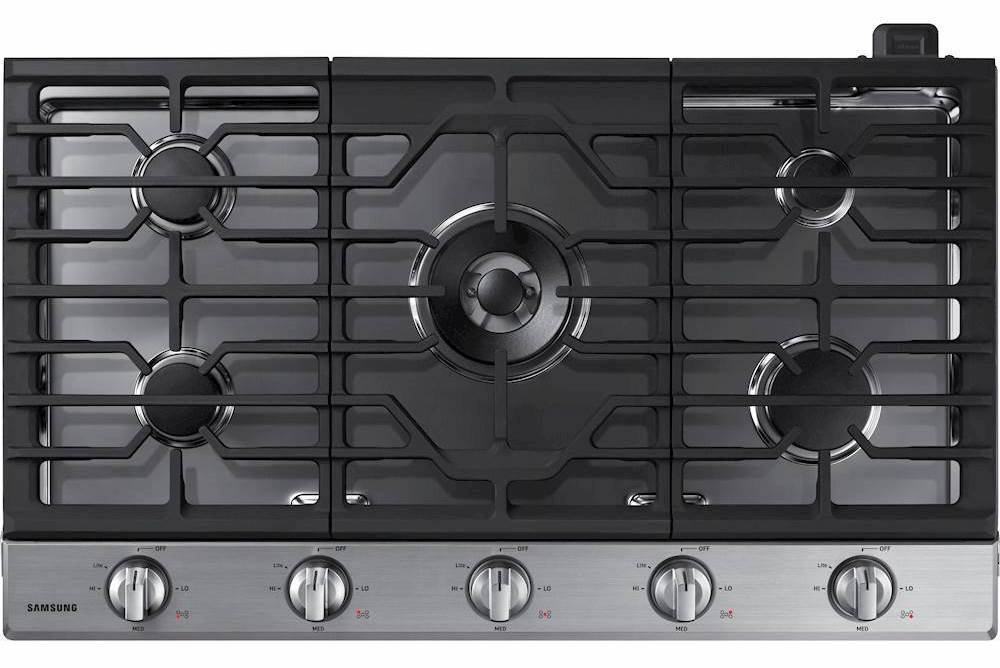
Front-control cooktops place the knobs or touch controls at the front of the appliance, either along the leading edge or toward the front of the cooking surface, rather than along the side or rear. This layout brings heat adjustments closer to you and can reduce the need to reach past hot cookware when a sauce needs a gentler simmer or a skillet needs more heat. The exact arrangement matters: some designs have substantial knobs that are easy to grasp, while others use a smooth touch panel with a streamlined appearance. Unlike a freestanding range, a built-in cooktop sits within a countertop and doesn’t include an oven below it. That separation gives your kitchen more layout flexibility, whether you prefer a wall oven nearby or a dedicated cooking station with storage close at hand. Front controls can work beautifully in both traditional and contemporary kitchens, with the finish, grate design, and surrounding countertop helping set the overall look. More importantly, they should suit the way you cook. A household that regularly prepares several dishes at once needs enough room between heating areas for a stockpot, a sauté pan, and a small saucepan without crowding handles. Someone who mostly cooks quick breakfasts and one-pan dinners may value a straightforward control layout and a surface that wipes clean easily. Look beyond the number of burners or elements to their spacing and usable dimensions. A large cooking surface doesn’t automatically mean every favorite pan will fit comfortably together. Control placement also affects where handles can rest and how easily you can read settings while standing at the counter. For cooks with limited reach, front-mounted controls may be helpful, but the height of the countertop, the depth of the installation, and the force needed to operate a knob all influence comfort. Clear markings and a layout that feels intuitive can make everyday cooking more manageable, from warming soup to keeping several parts of dinner moving at once.
Gas, radiant electric, and induction cooktops offer different cooking experiences, and front-positioned controls can appear across these categories. Gas delivers a visible flame and responsive adjustments, with metal grates supporting cookware above the burners. Continuous grates, when included, can make it easier to move a heavy pot between positions, although lifting rather than dragging helps protect both cookware and the appliance. Radiant electric cooktops typically place heating elements beneath a smooth glass-ceramic surface. They provide a relatively uninterrupted countertop appearance, though the elements and surrounding surface take time to cool after cooking. Induction uses electromagnetic energy to heat compatible cookware directly, offering responsive changes in heat without an open flame. The glass can still become hot from contact with a heated pan, so residual-heat indicators remain important. Induction requires cookware with a suitable magnetic base; many cast-iron and stainless-steel pans qualify, while some aluminum and copper cookware does not unless it has an induction-compatible base. Flat pan bottoms and appropriately sized cookware support good performance on smooth surfaces. Beyond cooking technology, a successful fit depends on more than the cooktop’s advertised width. Common widths such as 30 and 36 inches describe the appliance generally, not the precise countertop opening it requires. Cutout dimensions, overall depth, countertop thickness, cabinet construction, and required clearances all need to match the installation specifications. An existing opening may need modification even when the replacement has the same nominal width. Gas connections, electrical requirements, and ventilation needs also vary. Gas cooktops generally need electricity for ignition, while electric and induction installations require an appropriate electrical supply. A qualified installer can confirm the necessary connections and placement. Space beneath the cooktop matters, too, particularly when planning drawers or an oven below it. Those combinations should follow the manufacturer’s approved installation requirements. When comparing New Cooktops, consider the complete cooking area, including ventilation, nearby preparation space, and the route between the sink, refrigerator, and stove.
Materials and everyday care help determine how well a front-control cooktop holds up to repeated use. Stainless-steel surfaces bring a familiar, durable look to many gas designs, but they can show fingerprints, water spots, and scratches if cleaned with abrasive tools. Glass-ceramic surfaces offer a clean, continuous appearance and are easy to wipe once cool, yet they still need protection from dropped cookware, rough pan bottoms, and unsuitable cleaners. Cast-iron grates provide sturdy support and should be cleaned and dried according to the manufacturer’s directions. Burner caps and other removable components must return to their proper positions after cleaning so the appliance operates as intended. For any cooktop, regular attention is easier than allowing cooking residue to build up around burners or along the edges of the controls. Let the surface cool as directed, use the recommended cleaning products, and treat sugary spills on glass promptly according to the appliance’s care instructions, since these spills can damage the surface. Front controls deserve particular attention because splashes and crumbs can collect nearby. Removable knobs may simplify cleaning on some designs, while touch panels eliminate the gaps around individual knobs; neither arrangement makes the appliance maintenance-free. Safety features also deserve a close look. Depending on the design, these may include control locks, hot-surface indicators, automatic shutoff functions, or knobs that require a deliberate action to activate. Their operation varies, and a control lock isn’t a substitute for supervising children or keeping the cooking area clear. Front-mounted controls may be easier for children to reach, making placement and household routines especially important. For frequent home cooks, durable supports and readable settings may matter most; for smaller households, simple operation and easy cleanup may take priority. A thoughtfully chosen front-control cooktop supports both the meals you make every day and the larger cooking projects you enjoy, with controls, cookware space, and care requirements that feel comfortable in your kitchen.
Read More