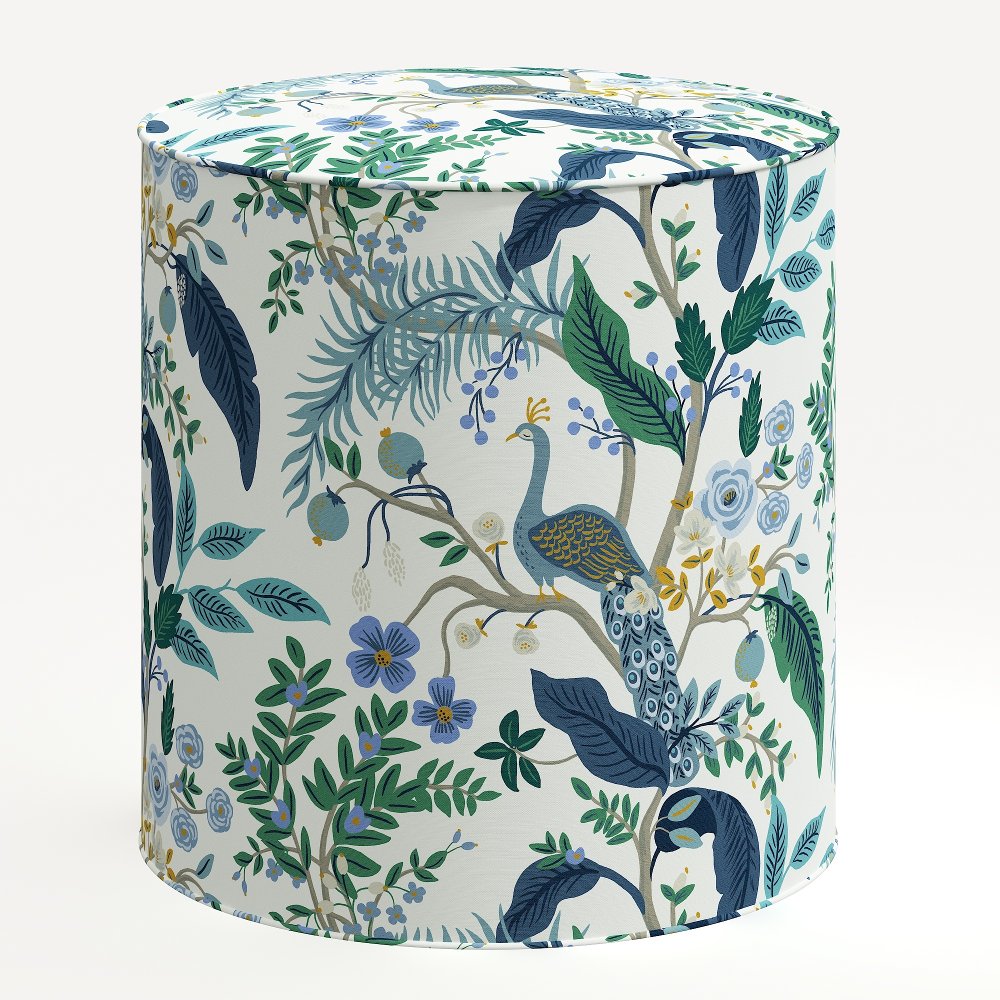
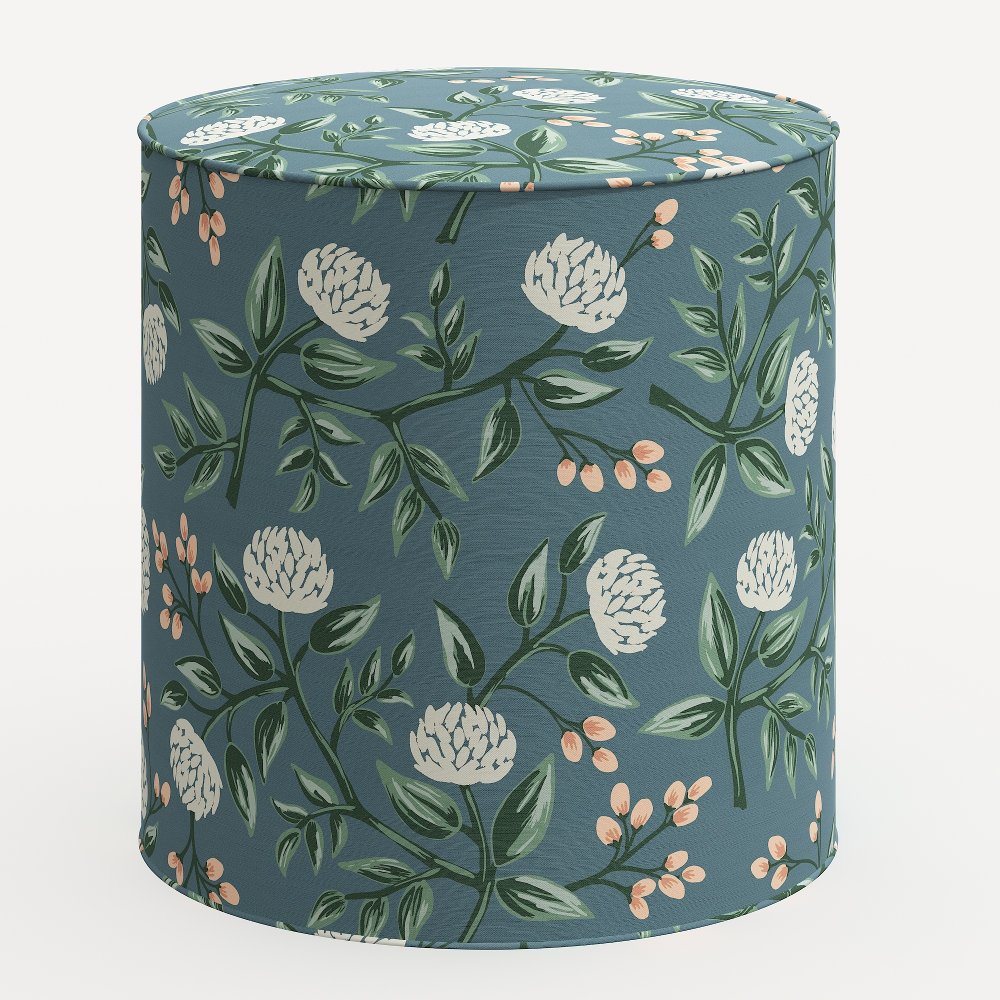
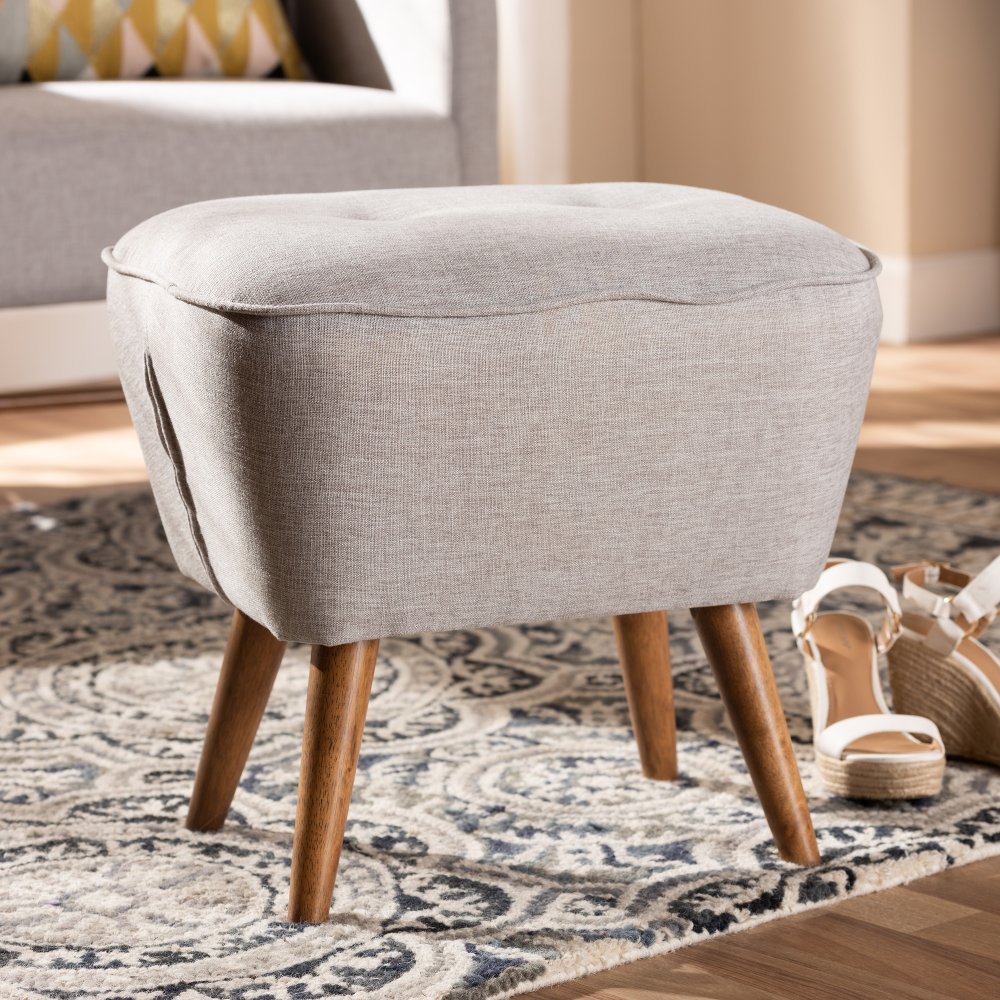
Green ottomans bring a comfortable finishing touch to a room, adding color without asking you to change every other piece of furniture. A soft sage ottoman can settle naturally beside an oatmeal sofa, while a deep forest green design creates a richer contrast against cream upholstery, warm wood, or a light-colored rug. Olive green works especially well with earthy shades such as rust, tan, and brown, and brighter greens can give a simple seating area a more playful personality. The shade matters, but so does the fabric: a smooth woven surface may look understated, while velvet can give the same color more depth as light moves across its pile. An ottoman offers a manageable way to introduce green into a neutral room, whether you echo the color in a pillow or let the piece stand on its own. Shape helps set the mood, too. Round ottomans soften arrangements filled with straight lines and fit neatly into conversational seating groups. Square designs feel balanced beside an armchair or in front of a compact sofa, while rectangular ottomans can anchor a larger seating area. A tufted top adds texture and a more tailored look; a clean, unadorned surface keeps the focus on the upholstery and silhouette. Exposed wood legs can connect an ottoman to nearby tables, while a fully upholstered base gives it a more substantial presence. In a living room, a green ottoman can serve as a place to stretch out or support a tray, depending on its construction. In a bedroom, it can create a comfortable finishing point beside a reading chair or at the foot of the bed. Repeating just one detail, such as a wood tone or curved shape, helps the ottoman feel connected to the room without making everything match. Green also pairs easily with botanical artwork, woven baskets, and natural wood finishes, giving you several ways to make the color feel at home.
The right fit starts with how you’ll use the ottoman and how much space surrounds it. For a footrest, a height close to or slightly below the seat of your sofa or chair generally feels comfortable; a much taller surface can leave your legs at an awkward angle. Width and depth deserve equal attention. A generous rectangular ottoman may suit a long sofa, but a smaller round or square piece can leave more room to move around a compact apartment. Measuring the footprint helps you picture where feet, furniture, and walkways will meet. Painter’s tape on the floor can make those dimensions easier to judge before you settle on a size. Leave space to walk through the seating area and reach nearby drawers or cabinets, and consider whether a recliner needs room to extend. If the ottoman will double as a coffee table, a broad, relatively level top can make a tray more practical, though upholstered surfaces still need care around drinks. Storage ottomans offer another useful option when blankets, games, or small everyday belongings need a place to land. Check the interior dimensions as well as the outside measurements, and allow clearance for the lid to open comfortably. Materials influence both appearance and everyday upkeep. Woven upholstery can offer a casual, textured look, while velvet feels plush and brings out the richness of green. Textured fabrics can add visual interest, but their suitability for pets or frequent use depends on the weave and construction. Leather and leather-look upholstery have different care requirements, so it’s worth checking the material description rather than assuming they perform the same way. A sturdy frame, secure legs, and cushioning that suits the intended use all contribute to lasting comfort. Firm padding may work well for an ottoman that supports a tray or serves as occasional seating when the manufacturer allows it; softer cushioning may feel more inviting when your main goal is putting your feet up. Confirm any stated weight limit before treating an ottoman as a seat.
Everyday routines can help narrow the choice between green ottomans that look equally appealing. In a busy family room, easy-to-follow cleaning instructions and upholstery suited to frequent contact may matter more than decorative detailing. Beside a reading chair, comfort, height, and enough room for your feet may take priority. If you like rearranging furniture for company, consider the ottoman’s weight and whether it’s manageable to move without dragging it across the floor. A pair of smaller ottomans can offer flexible placement, while one larger piece can make a seating group feel more settled. For homes with children, review storage-lid mechanisms and follow the manufacturer’s safety instructions; an ottoman’s soft upholstery doesn’t eliminate the need to consider hinges, stability, and intended use. Care should always follow the instructions for the particular upholstery. Regular vacuuming with an appropriate attachment helps remove crumbs and surface dust, including debris that gathers along seams or tufting. Blot spills promptly instead of rubbing them into the fabric, and test any approved cleaner in an inconspicuous spot before using it on a visible area. Some upholstery requires professional cleaning, and removable covers aren’t necessarily machine washable. For velvet, the direction of the pile can affect how the green appears, so a change in sheen may reflect the fabric’s texture rather than a stain. Protect upholstered surfaces from prolonged direct sunlight when possible, and use floor protectors appropriate for both the ottoman’s legs and your flooring. If you’re deciding between a colorful accent and a neutral foundation, the Gray Ottomans collection offers another direction to consider alongside your existing furnishings. Green remains a versatile choice when you want a little more color, whether your room leans relaxed, traditional, or clean-lined. An ottoman can also make a thoughtful housewarming gift when you know the recipient’s space, preferred shade, and furniture dimensions. The most satisfying choice is one that looks natural in the room and earns its place in daily life, from holding a folded throw to making a favorite chair more comfortable.
Read More