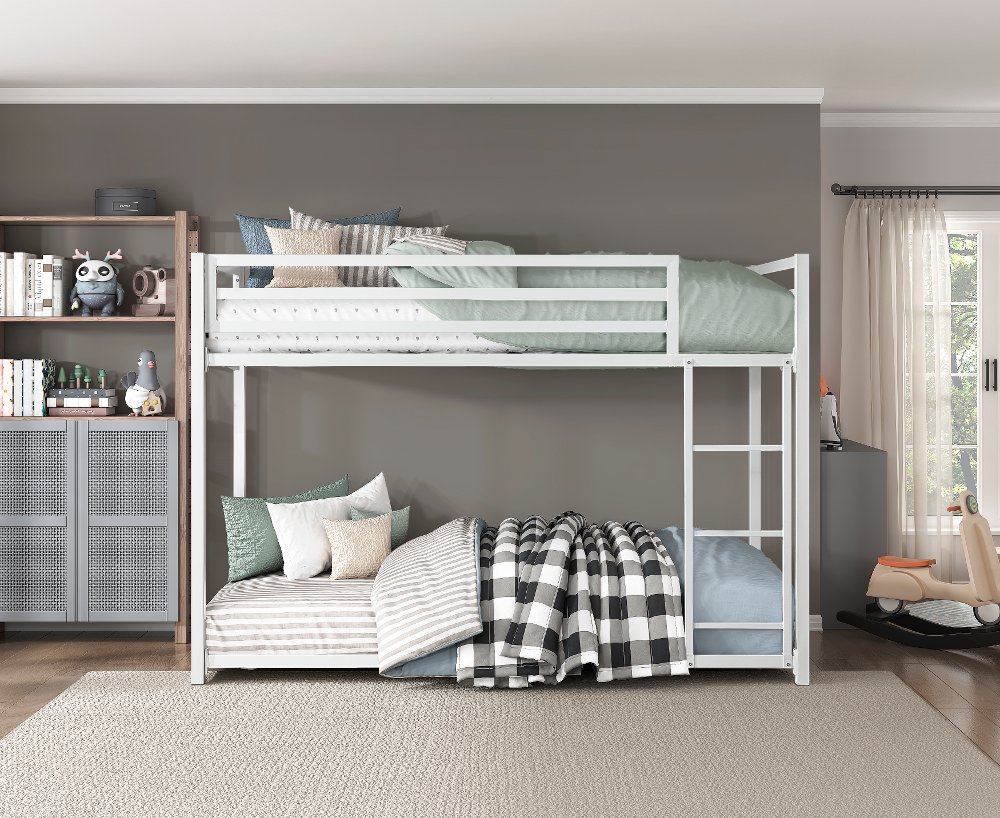
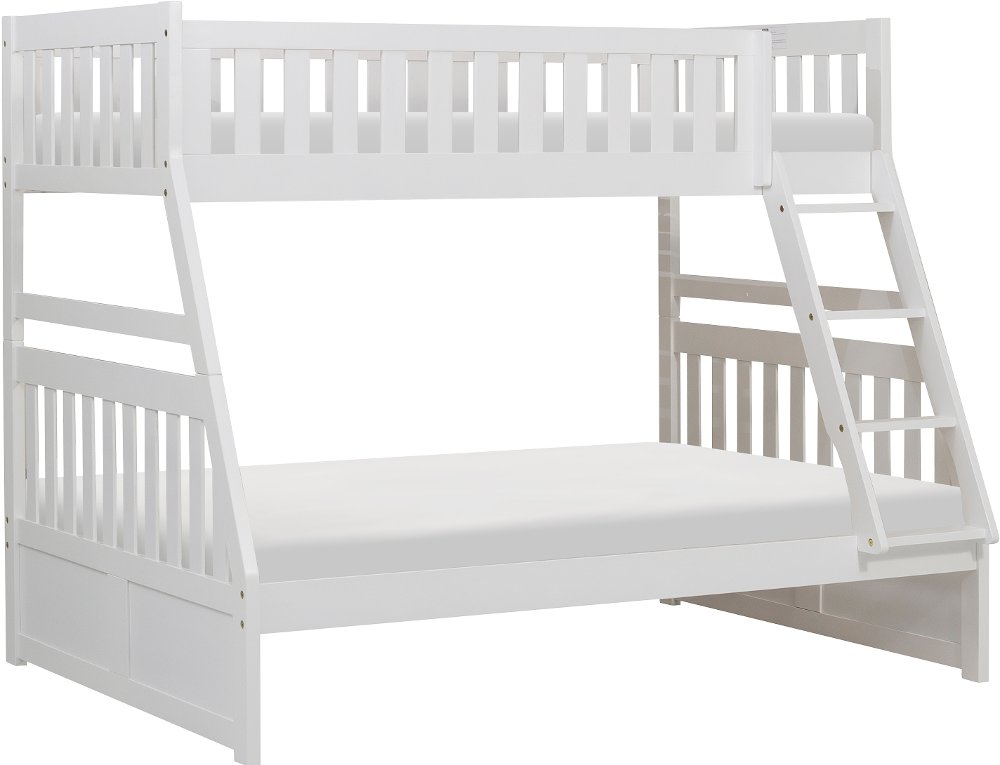
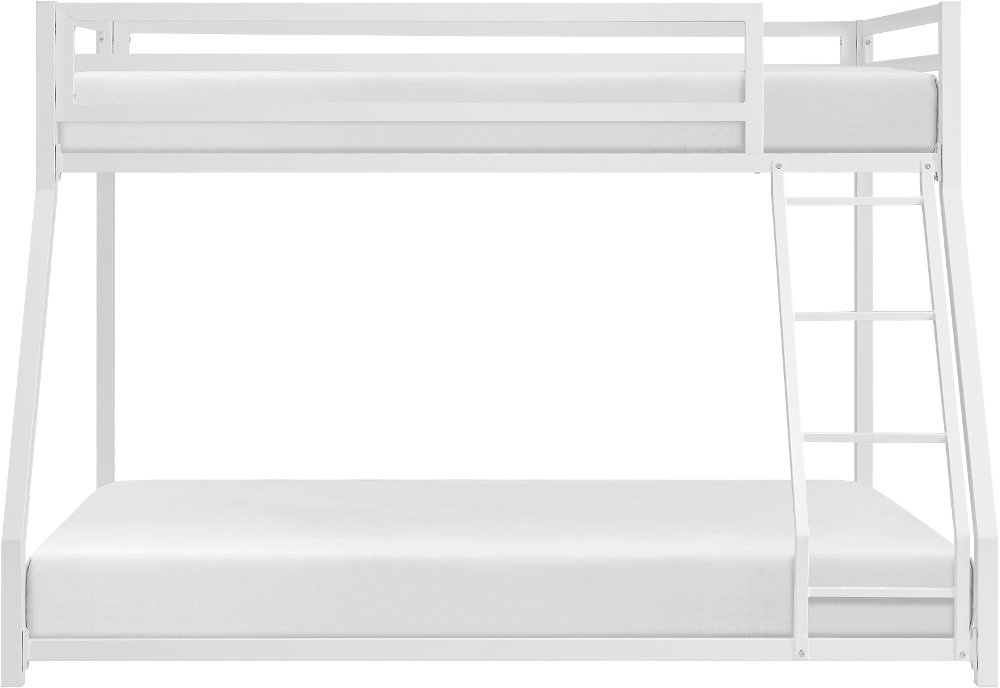
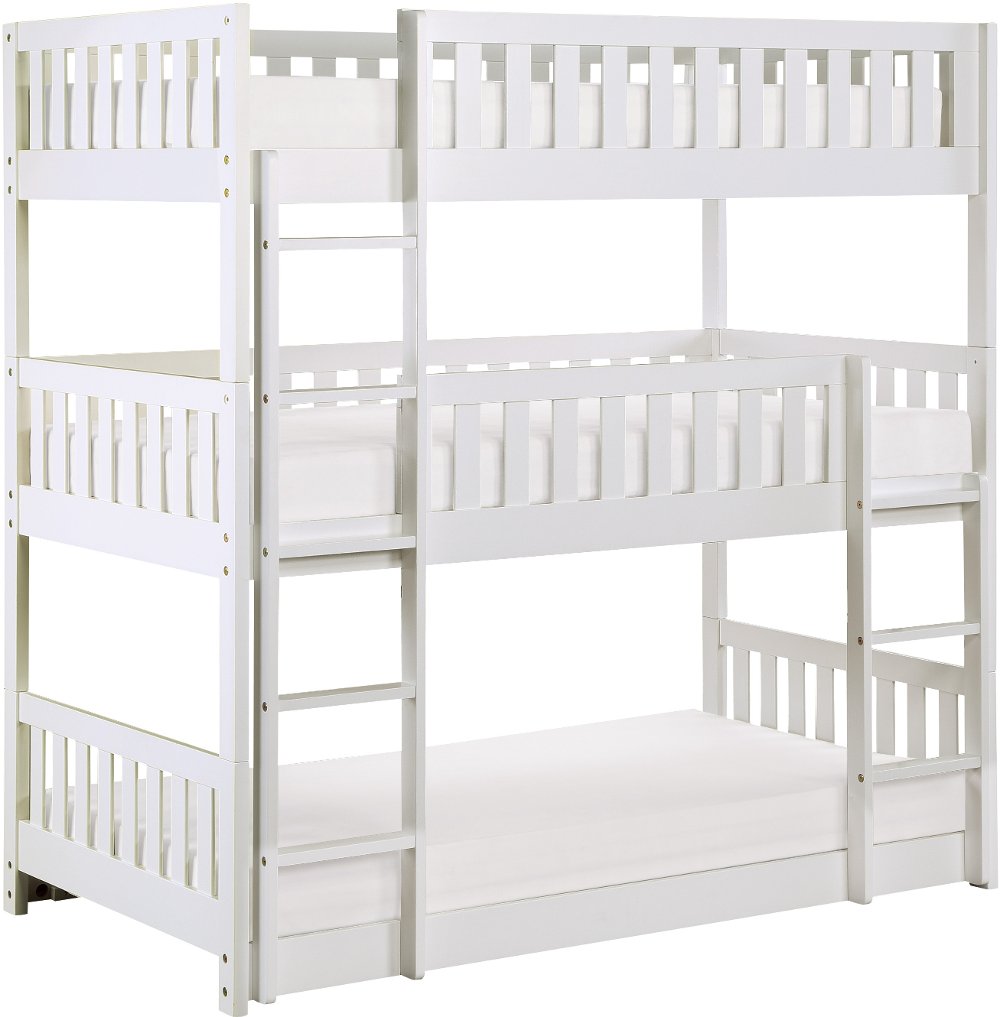
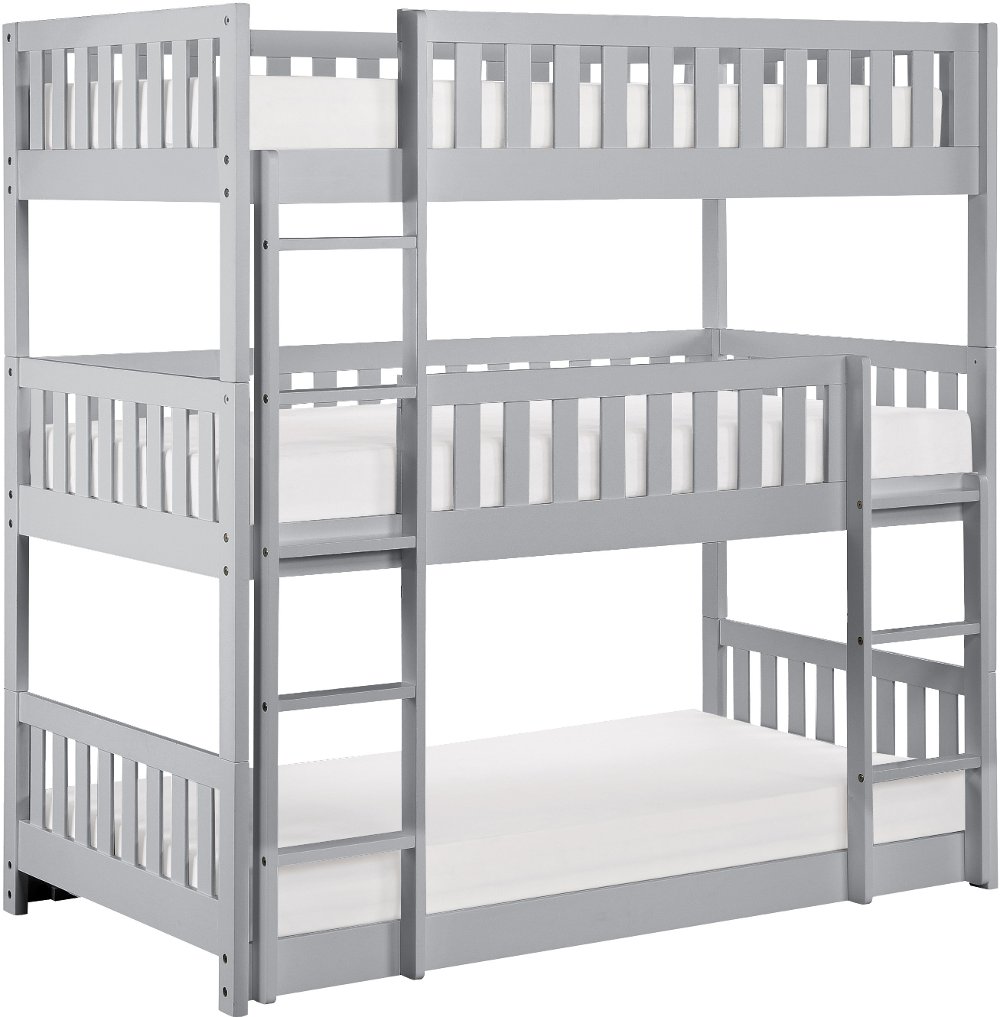
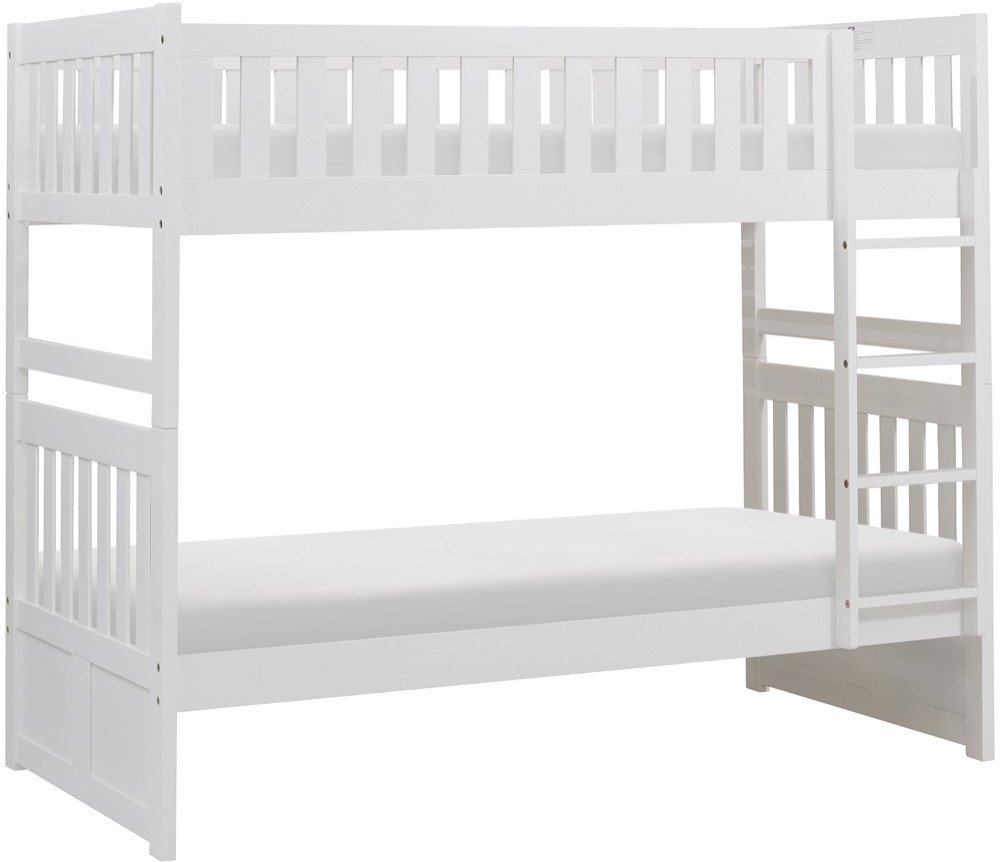
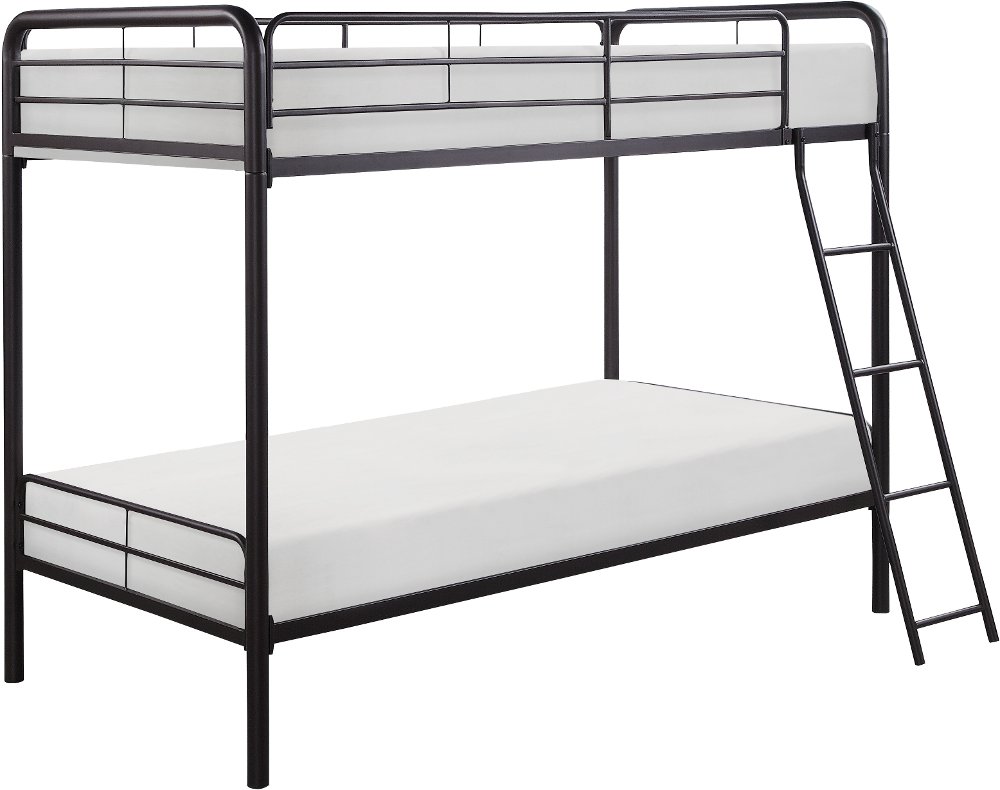
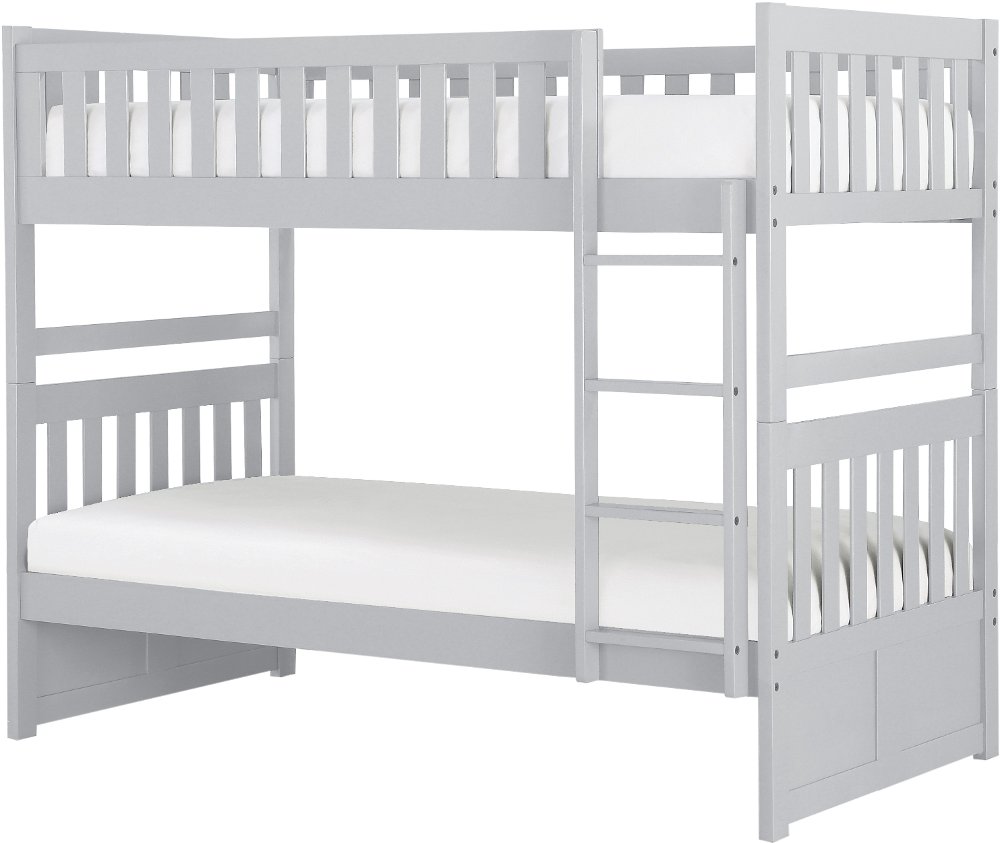
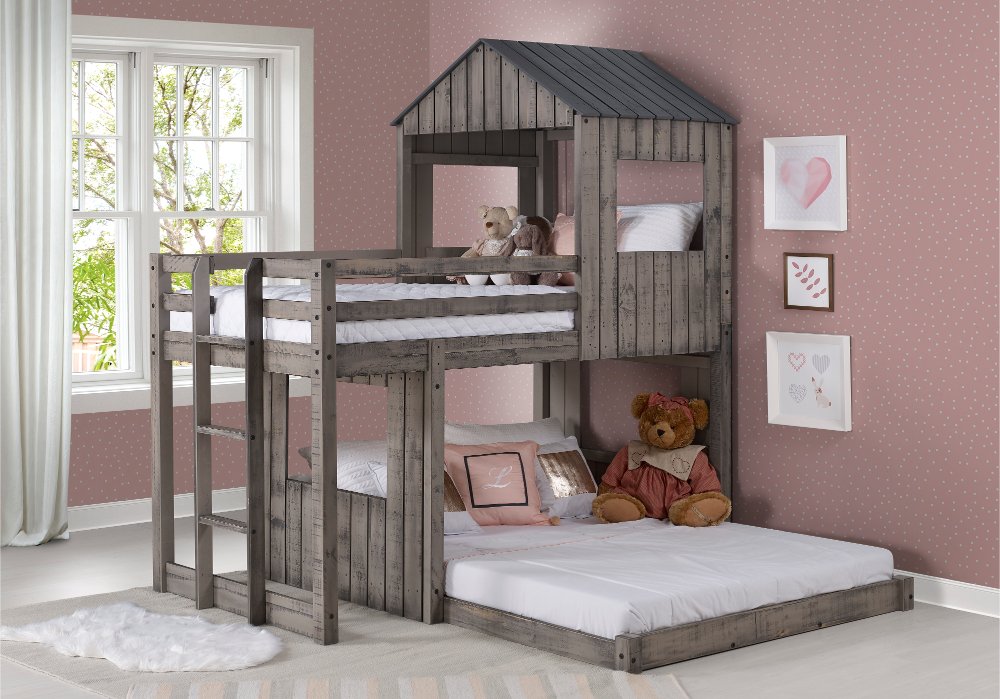
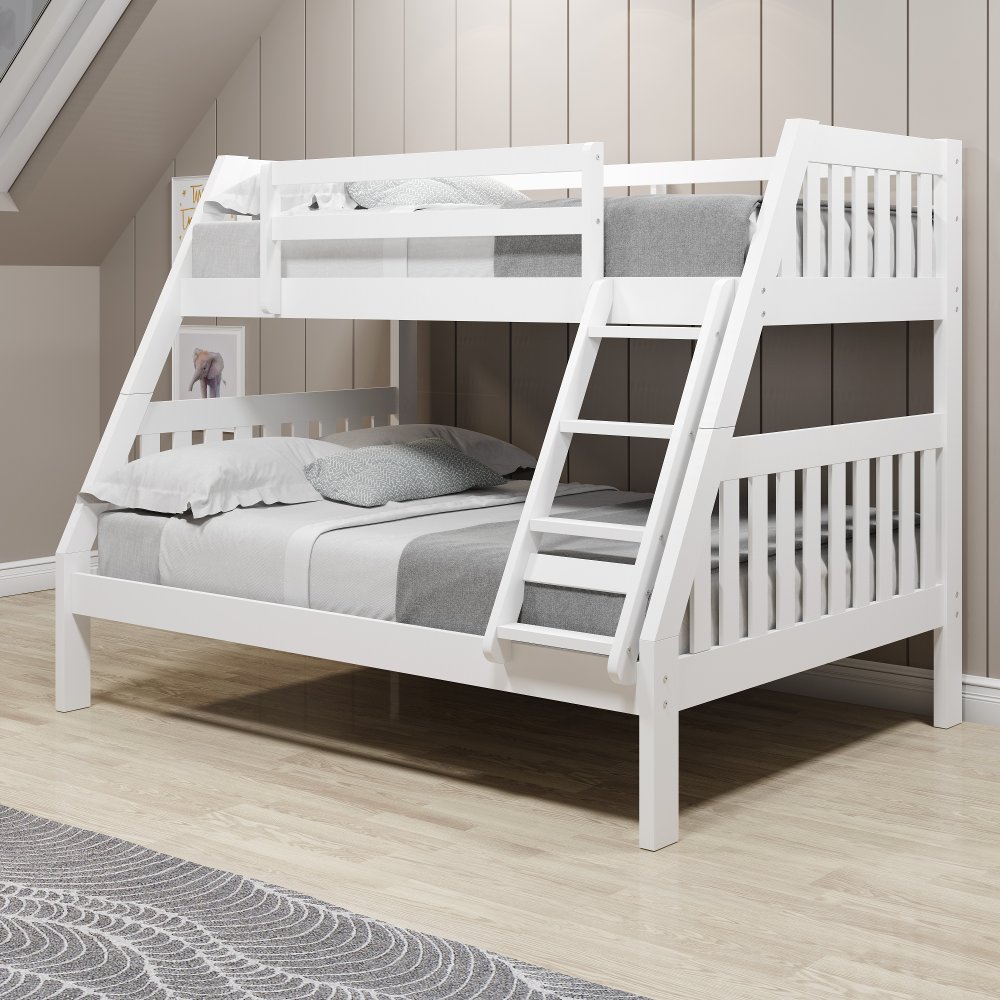
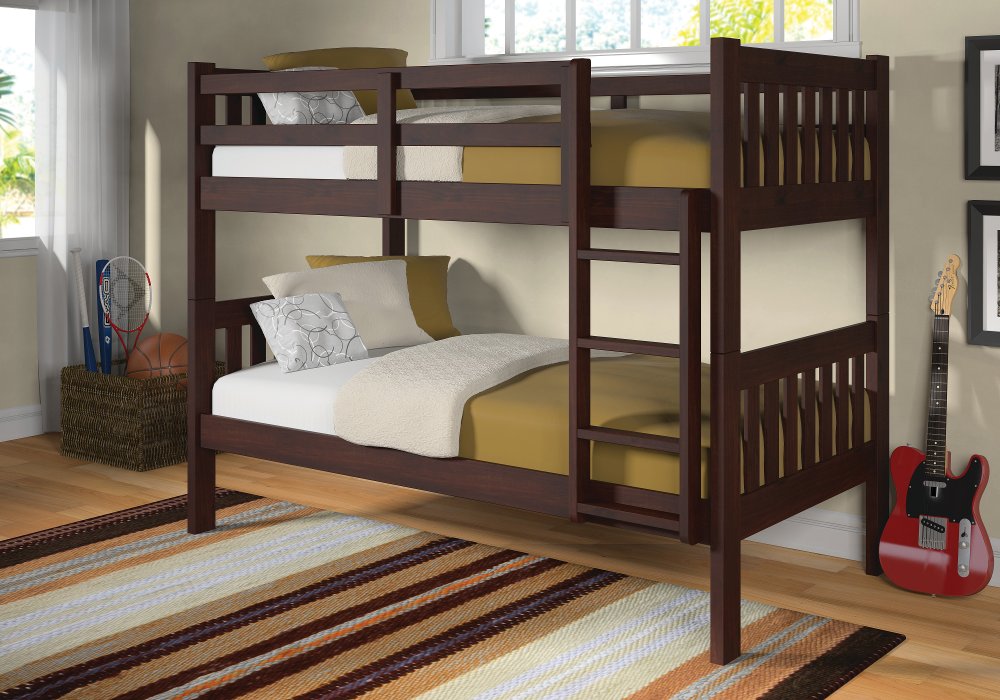
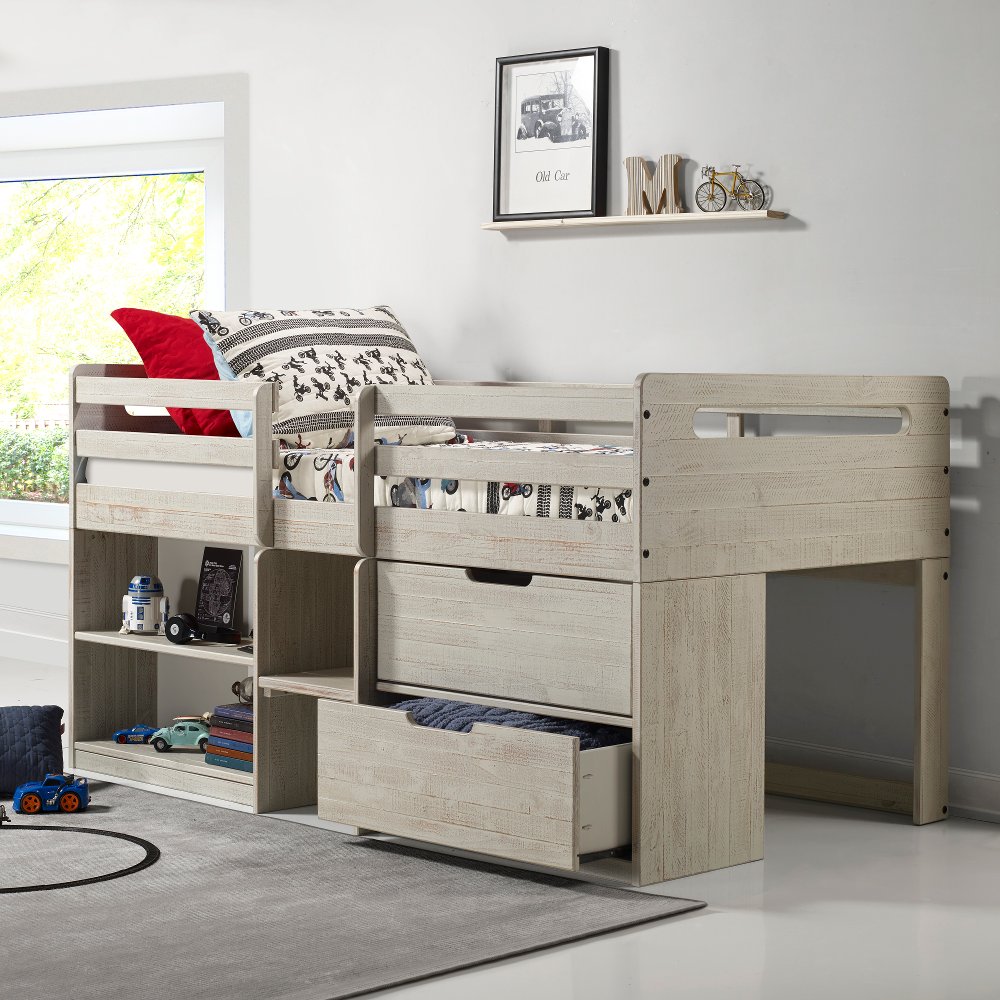
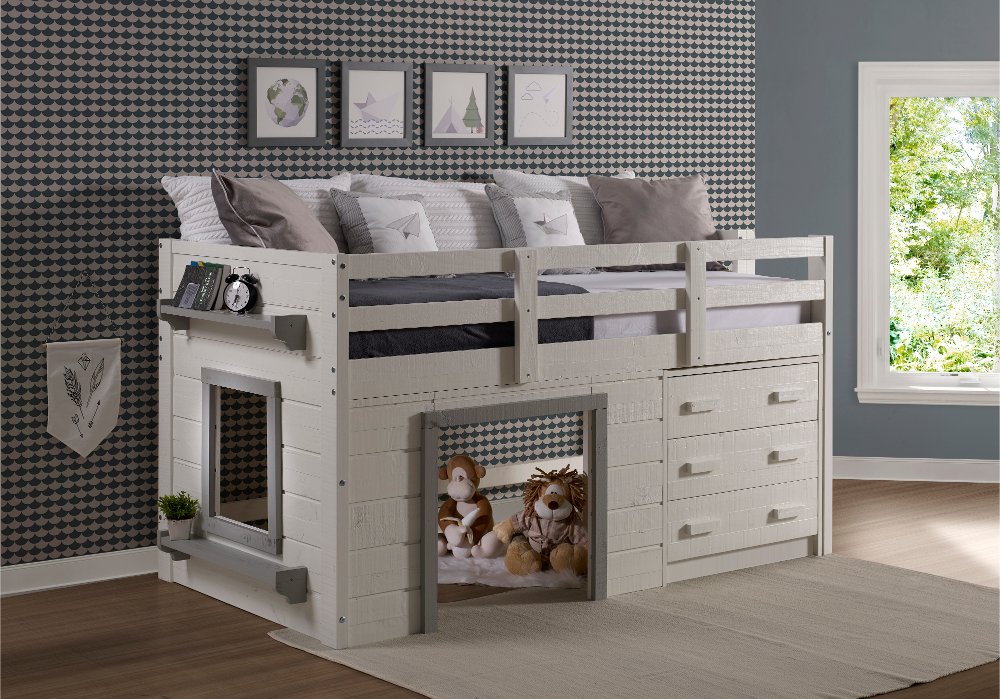
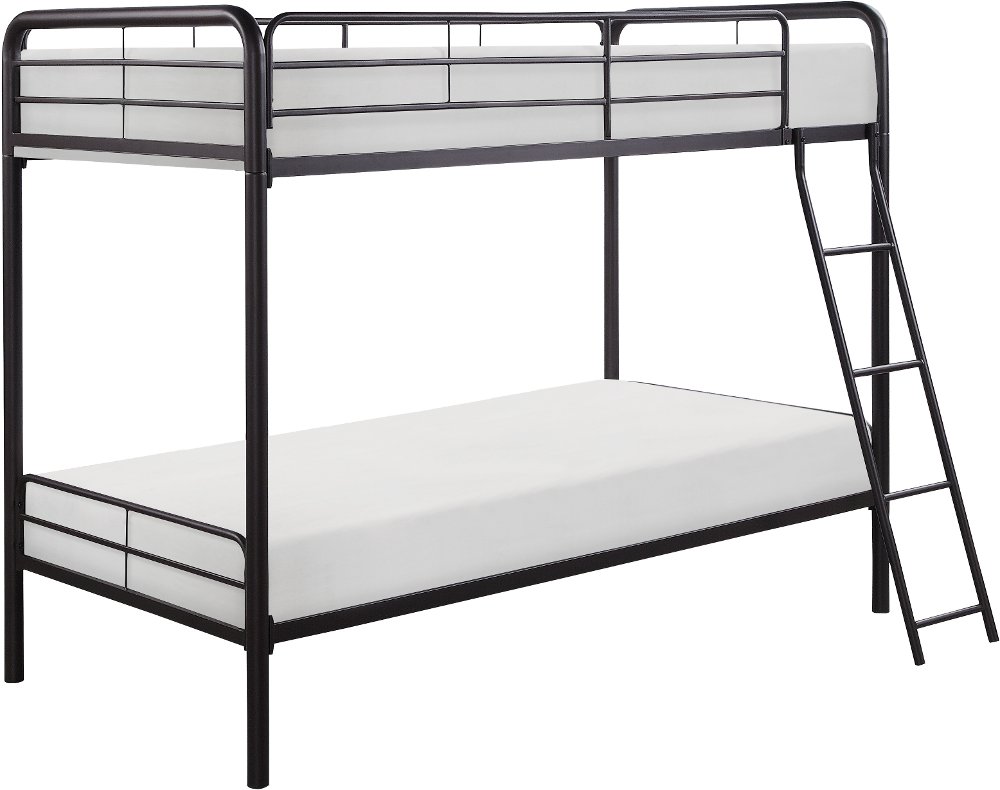
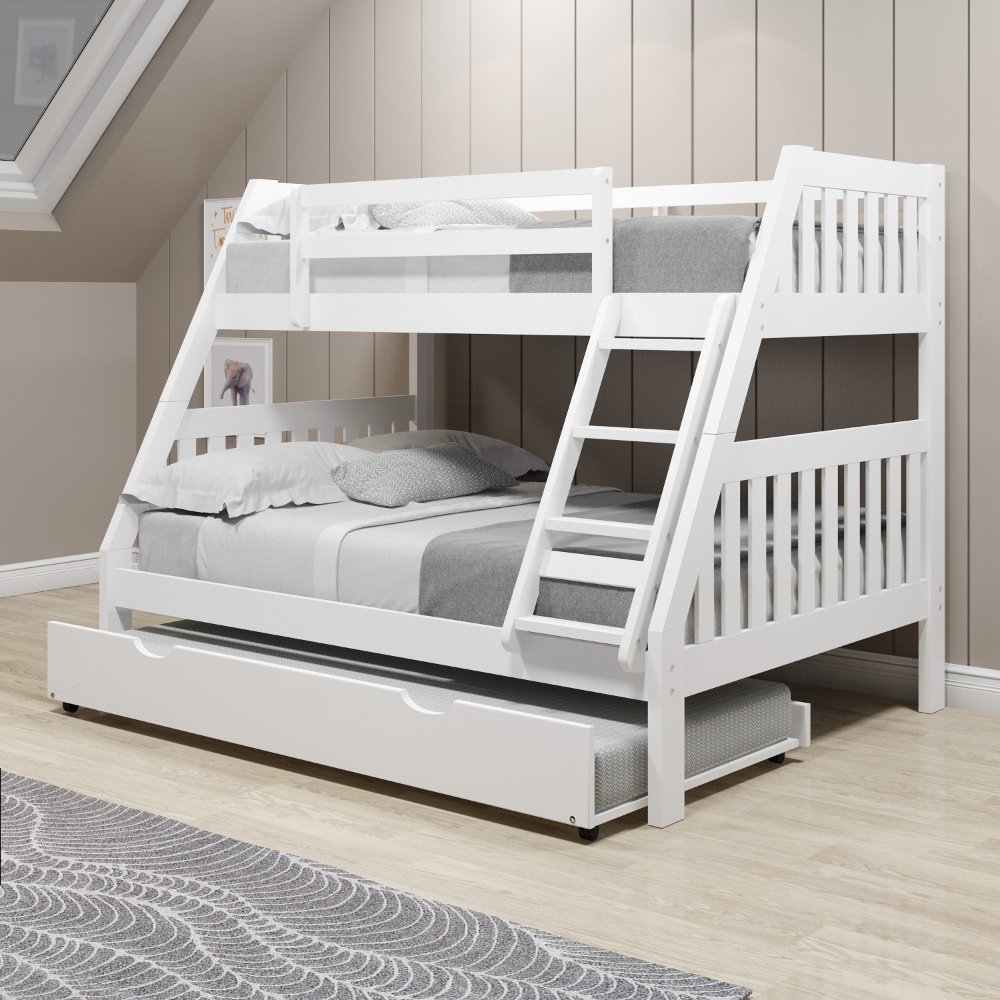
House bunk beds bring a little architecture, imagination, and everyday practicality into a child’s bedroom. With rooflines, window-inspired details, or a cozy house-shaped frame, these beds can turn an ordinary sleeping space into a playroom retreat by day and a comfortable place to recharge at night. They’re a natural fit for siblings sharing a room, cousins enjoying a sleepover, or a child who loves creating make-believe worlds with blankets, stuffed animals, and a favorite book. The raised design also makes smart use of vertical space, leaving more room below for play, reading, clothing storage, or a small desk. During the cooler months, that extra open floor area can make a bedroom feel less crowded when children spend more time indoors. A house bunk bed can also be a thoughtful gift for a growing child, especially when a bedroom refresh is meant to feel special rather than purely practical. Before choosing one, consider the room’s overall layout and measure carefully, including ceiling height, doorway clearance, nearby windows, light fixtures, and closet doors. Leave enough space for children to climb in and out comfortably, and make sure the top sleeping surface won’t sit too close to the ceiling. A few extra inches can make a meaningful difference in comfort, especially in rooms with low or sloped ceilings. It helps to map the bed’s footprint with painter’s tape before assembly so you can see how much walking space will remain around it. That small step often reveals whether a dresser should move, whether a door will open fully, or whether the ladder will be easiest to use from one side of the room.
Safety and comfort deserve just as much attention as the playful design. Look for a sturdy frame, secure connections, and guardrails that extend appropriately along the upper bunk’s open sides. Follow the manufacturer’s recommended age and weight guidelines, and use the mattress size and thickness specified for the frame so the guardrails remain effective. The mattress should fit snugly without noticeable gaps along the edges. A stable ladder with easy-to-grip steps can help children climb confidently, while a well-placed ladder may also make the room easier to arrange around. If more than one child will use the bed, talk through simple routines for climbing, sleeping, and keeping toys off the ladder and floor. Younger children may need extra supervision, particularly when learning how to use an elevated bed safely. It’s also wise to check every fastener after assembly and periodically tighten hardware as part of regular bedroom upkeep. Choose bedding that complements the room without adding loose fabric near the ladder or upper bunk, and keep heavier decorations secured rather than hanging them from the frame. House bunk beds often include a lower area that feels like a tiny hideaway, so a soft reading light, a few favorite books, or a washable rug can make it welcoming while keeping the space useful. Avoid crowding that nook with bulky furniture, and make sure ventilation and access remain clear. When shopping, think about how the bed will serve your household beyond the first burst of excitement. A neutral finish may transition easily as a child’s interests change, while built-in drawers, shelves, or under-bed space can help contain extra blankets, pajamas, toys, and seasonal clothing. In a shared room, storage can give each child a defined place for personal items and make cleanup feel more manageable.
The best house bunk bed is one that balances imagination with dependable daily function. Consider who will sleep in each bunk, how often the lower area will be used for play, and whether the room needs a flexible arrangement as children grow. Some families place the bed against a wall to open up the center of the room, while others position it near a corner to create a snug, cabin-like feel. Keep walkways clear and place frequently used items within easy reach so bedtime does not involve climbing over toys or searching through crowded drawers. If you’re comparing house bunk beds with other layouts, exploring Bedroom Bunk Beds can help you consider additional configurations and features for your space. Pay attention to the feel of the materials, the finish quality, the ease of cleaning, and the assembly instructions before making a decision. A smooth surface is easier to wipe after craft time, snack crumbs, or the occasional muddy adventure, and a durable finish can help the bed look welcoming through years of stories, sleepovers, and changing room decor. Think about the whole bedtime experience, too: a child may settle more happily when their bed feels like a personal nook, while parents appreciate a sturdy design that supports simple routines. With thoughtful measurements, safe construction, comfortable bedding, and a layout that leaves room to move, a house bunk bed can become more than a place to sleep. It can be the setting for whispered conversations after lights-out, quiet reading on rainy afternoons, and imaginative play that makes a child’s room feel entirely their own.
Read More